HEBDEN BRIDGE – I

After Liverpool we head for a place called Hebden Bridge in West Yorkshire.

** All images are geotagged and if clicked on, will open into a new window/tab. **

Valley View, Halifax Road, Littleborough, West Yorkshire, England UK

Farm Gate & Wall, Blackstone Edge Road, Cragg Vale, West Yorkshire, England UK

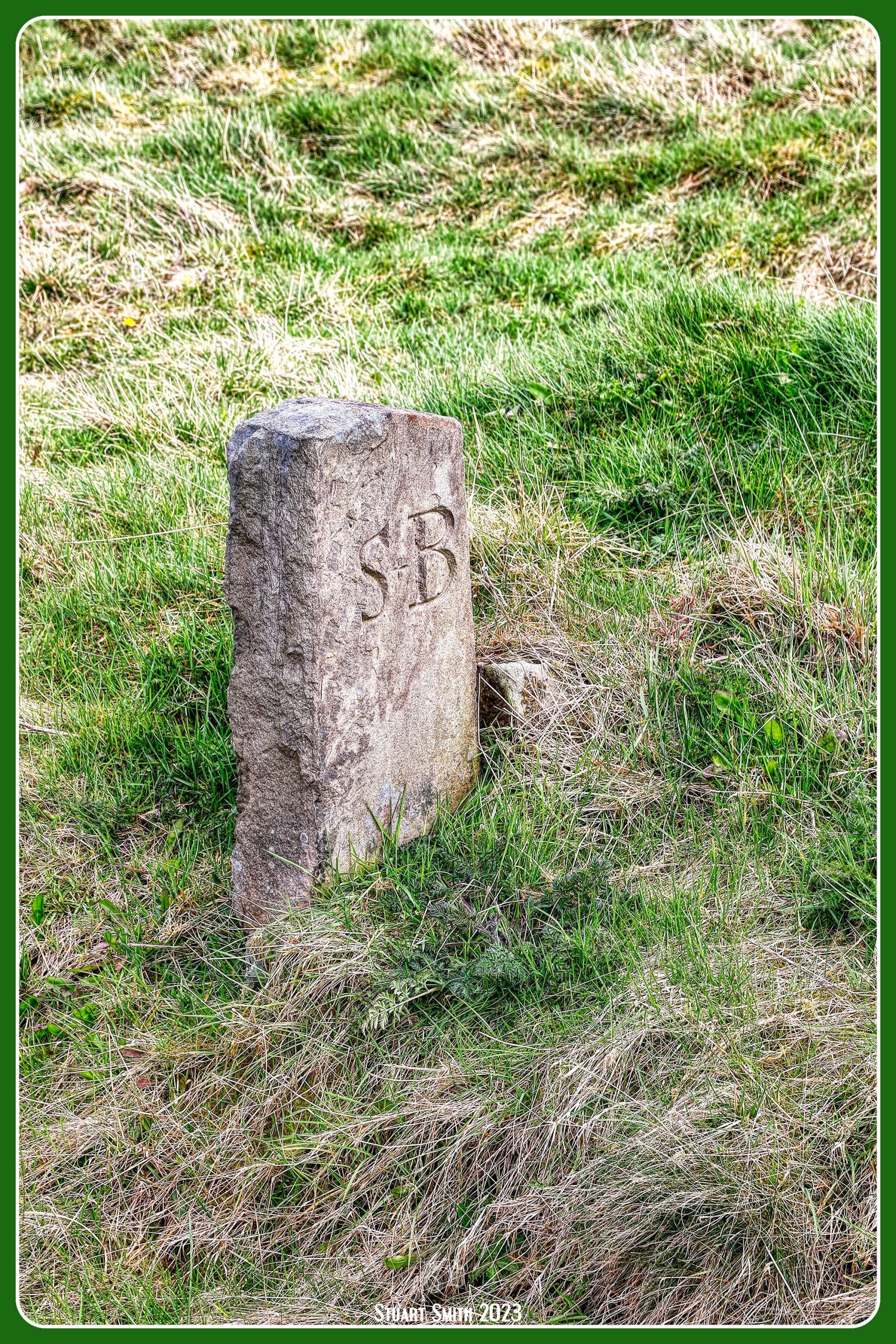
Boundary Stone, Blackstone Edge Road, Cragg Vale, Hebden Bridge, West Yorkshire, England UK

“SB” is thought to refer to either Sowerby or Soyland.

Moor, Blackstone Edge Road, Cragg Vale, West Yorkshire, England UK

Image 1     –     Image 2

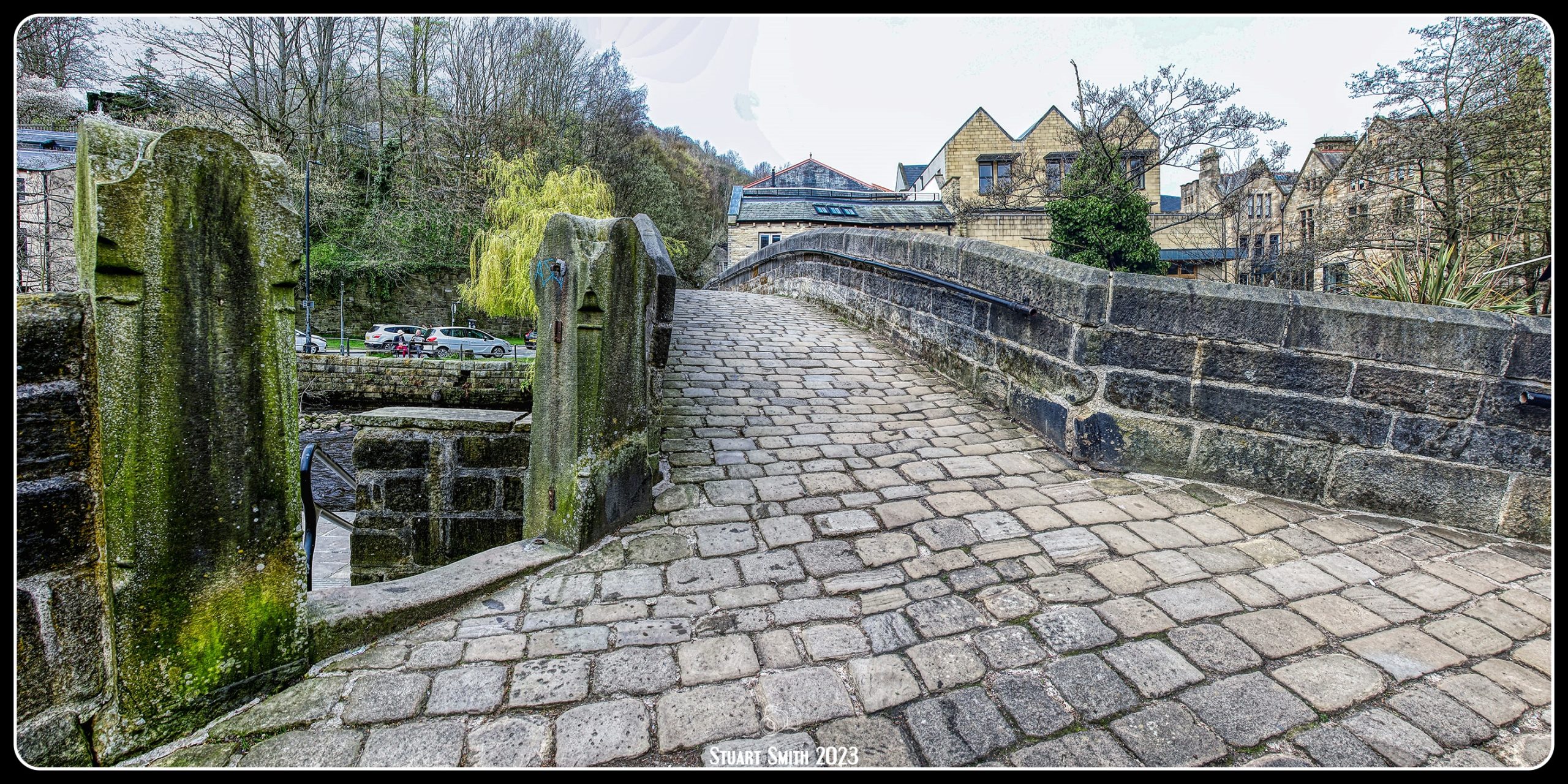
St George’s Bridge, St George’s Street, Hebden Bridge, West Yorkshire, England UK

IImage 1     –     Image 2

A cast iron bridge that is Grade II listed – built in 1892.

[Our room]

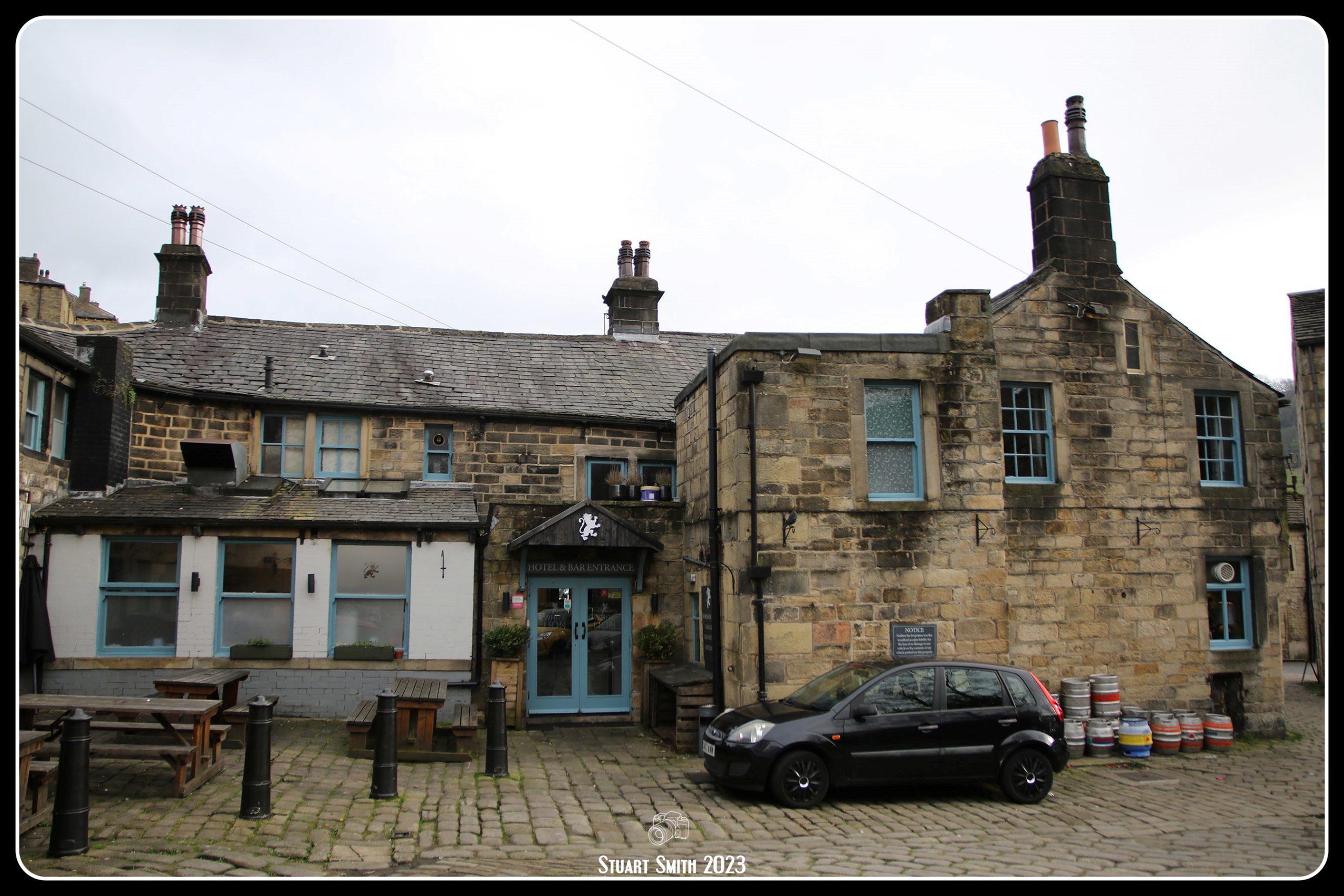
White Lion, Bridge Gate, Hebden Bridge, West Yorkshire, England UK

The pub is Grade II listed and dated to 1657. It is reputedly the oldest building in Hebden Bridge

“Il Mulino” Restaurant Entrance, Bridge Mill, St George’s Square, Hebden Bridge, West Yorkshire, England UK

The restaurant is located in the old Bridge Mill.

Stone Marker, St George’s Square, Hebden Bridge, West Yorkshire, England UK

Image 1     –     Image 2

The inscription on the stone :- “Hebden Bridge centre of the universe!”

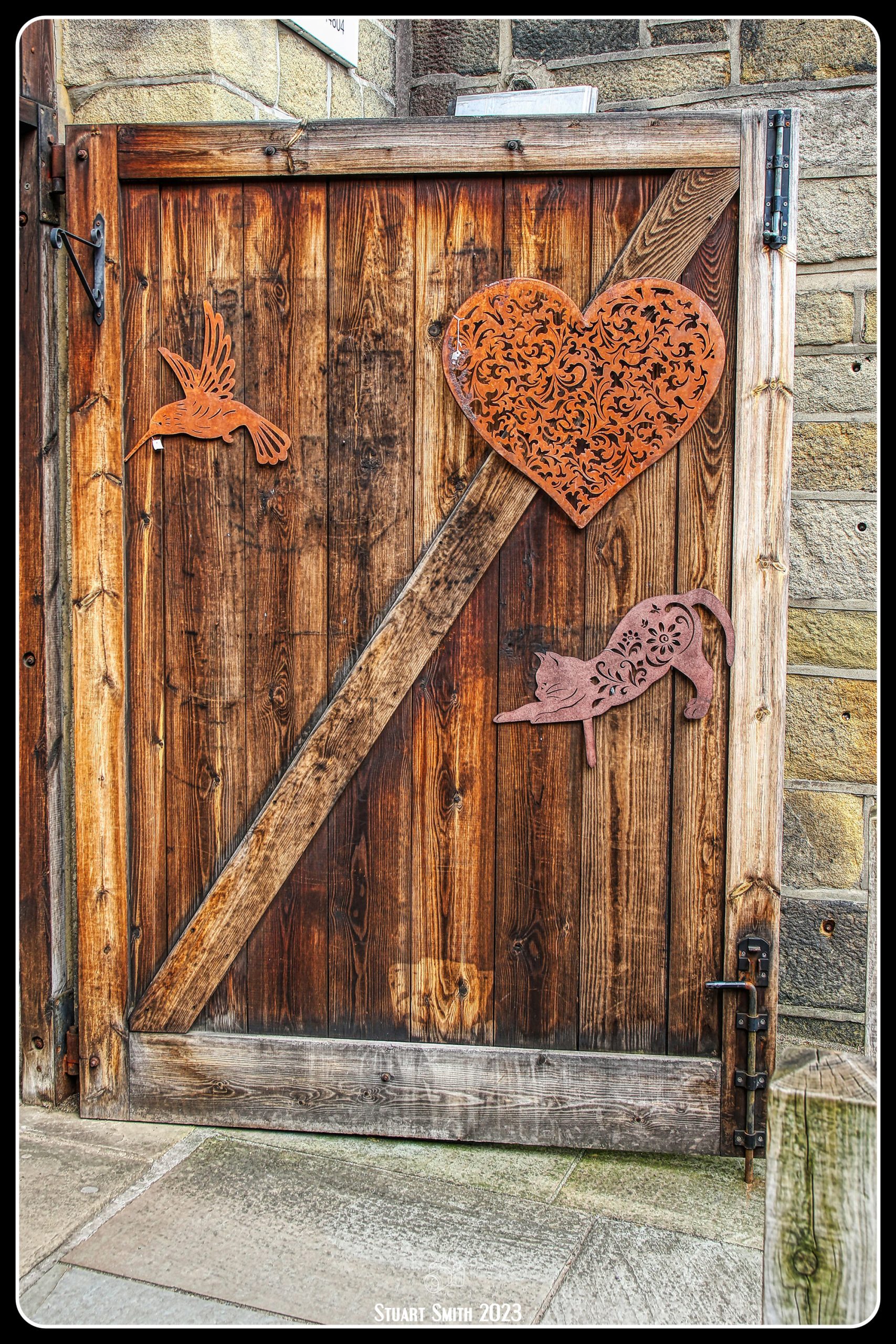
Adorned Gate, Old Lees Yard, St George’s Square, Hebden Bridge, West Yorkshire, England UK

Hebden Old Bridge, Hebden Water, Bridge Gate, Hebden Bridge, West Yorkshire, England UK

The bridge is another Grade II listed building having originated as a timber structure in medieval times and stone built in 1510 as a packhorse bridge.

Hebden Water, Bridge Gate, Hebden Bridge, West Yorkshire, England UK

“The Pub”, The Courtyard, Hebden Bridge, West Yorkshire, England UK

a.k.a. “The Hebden”

The Vault, Cnr New Road & Crown Street, Hebden Bridge, West Yorkshire, England UK

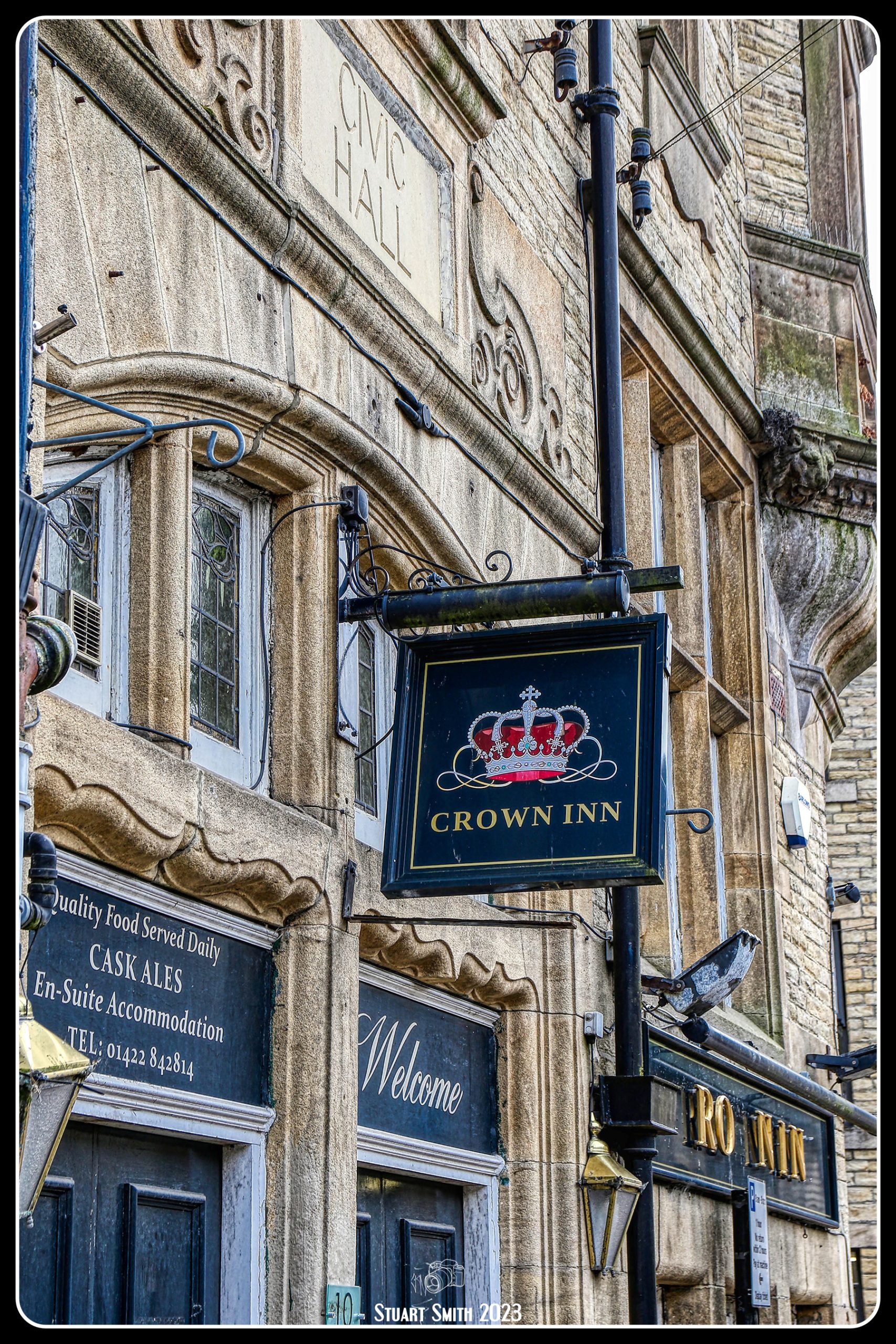
Crown Inn, Cnr Crown & Cheetham Streets, Hebden Bridge, West Yorkshire, England UK

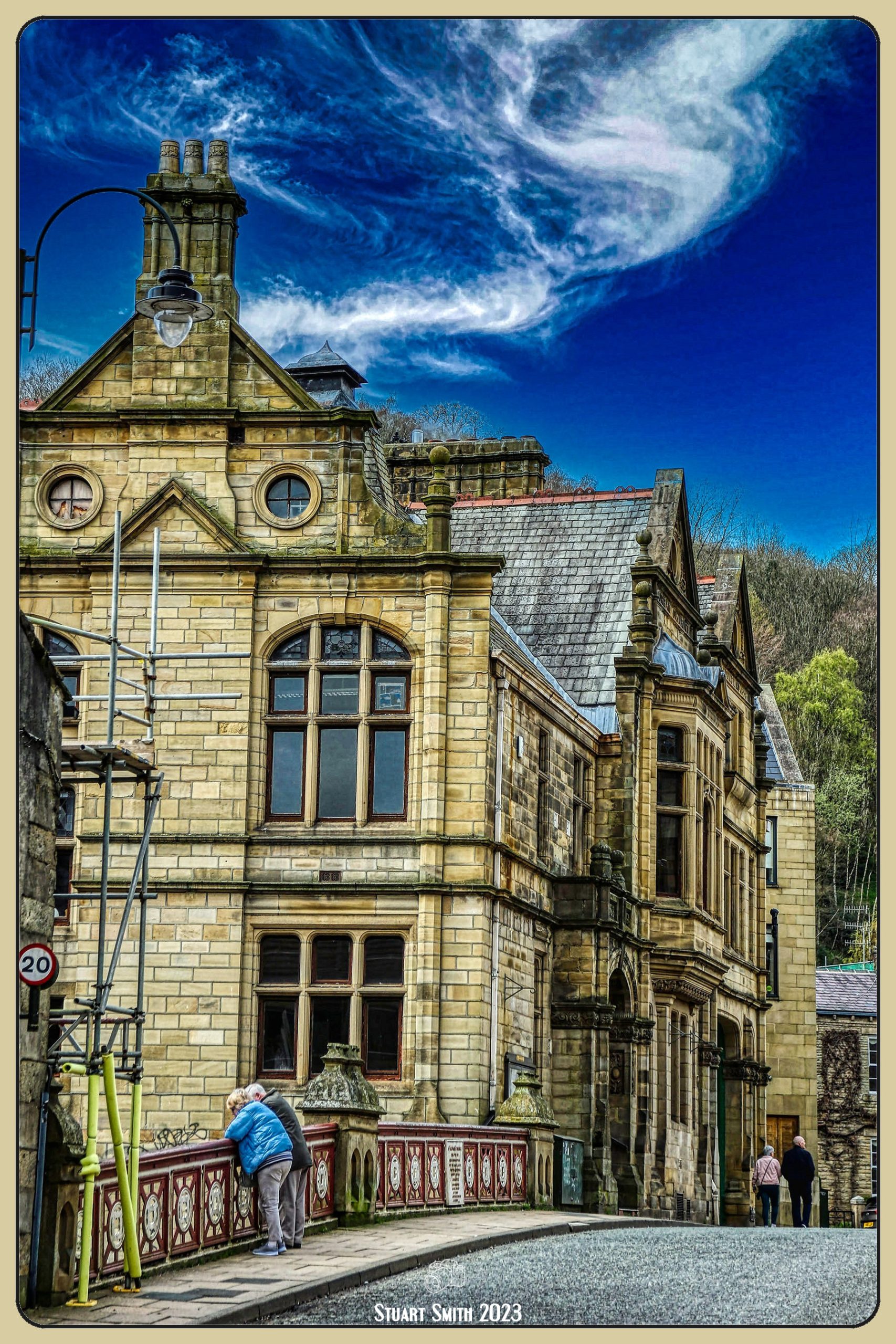
As can be seen above the sign, the building was formerly The Civic Hall

Former Bank, Jcn Hope & Albert Streets, Hebden Bridge, West Yorkshire, England UK

Citroën 2CV ‘Fourgonnette’ Van, Albert Street, Hebden Bridge, West Yorkshire, England UK

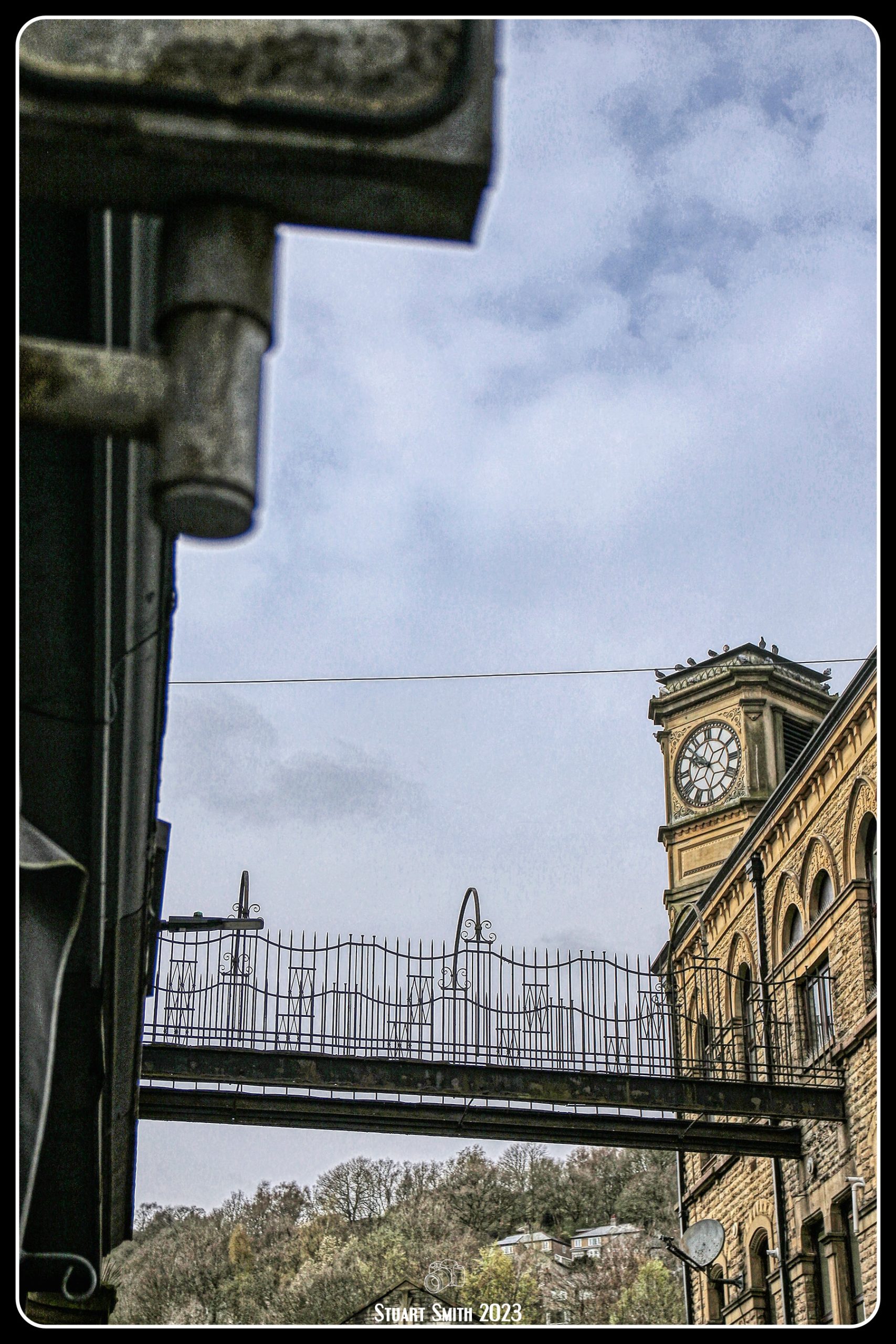
Gantry Bridge, Carlton Street, Hebden Bridge, West Yorkshire, England UK

Oxford House, Albert Street, Hebden Bridge, West Yorkshire, England UK

Door Knocker, 5 Albert Street, Hebden Bridge, West Yorkshire, England UK

Former Croft Mill, Croft Street, Hebden Bridge, West Yorkshire, England UK

Bridge Mill, St George’s Street, Hebden Bridge, West Yorkshire, England UK

Also a Grade II listed building dating to 1830

Town Hall, St George’s Street, Hebden Bridge, West Yorkshire, England UK

Millennium Clock, St George’s Street, Hebden Bridge, West Yorkshire, England UK

The Millennium Clock was installed into what was then Thompson Solicitors’ building on St George’s Street, Hebden Bridge in 2000 AD. Funds to pay for the clock were paid by public subscription and presented to the town by the Rotary Club of Hebden Bridge.

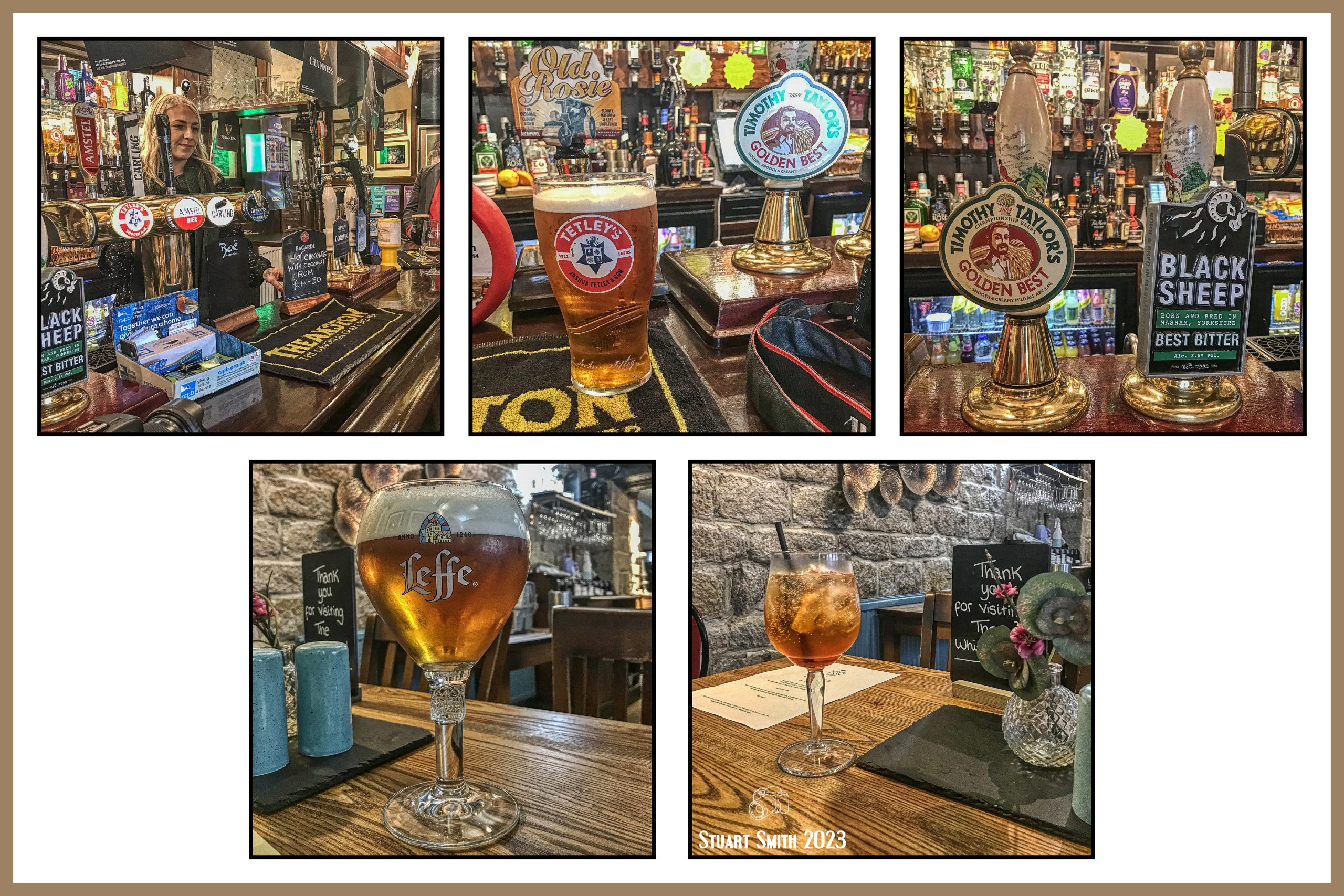
Drinks, White Lion, Bridge Gate, Hebden Bridge, West Yorkshire, England UK

Hebden Water, Hebden Bridge, West Yorkshire, England UK

Image 1     –     Image 2

This was just outside our room at the White Lion

Gate Door, Bridge Gate, Hebden Bridge, West Yorkshire, England UK

Pub Sign, Shoulder of Mutton, St George’s Street, Hebden Bridge, West Yorkshire, England UK

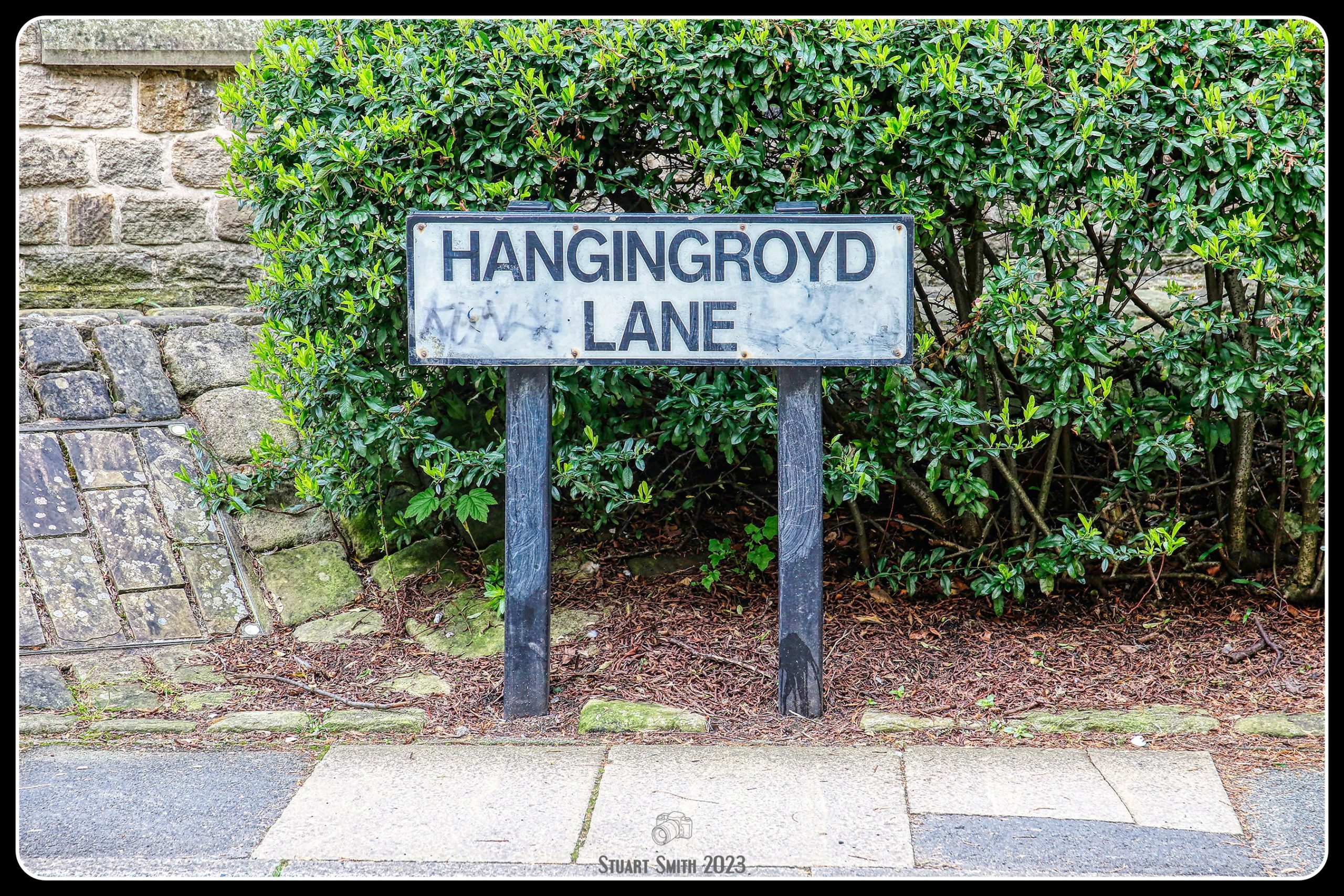
Street Sign, Hangingroyd Lane, Hebden Bridge, West Yorkshire, England UK

Doorway, Hebble House, Royd Terrace, Hebden Bridge, West Yorkshire, England UK

Bridge Gate, Hebden Bridge, West Yorkshire, England UK

Dining Area, White Lion, Bridge Gate, Hebden Bridge, West Yorkshire, England UK

Passage, White Lion, Bridge Gate, Hebden Bridge, West Yorkshire, England UK

LIVERPOOL 2023 – III

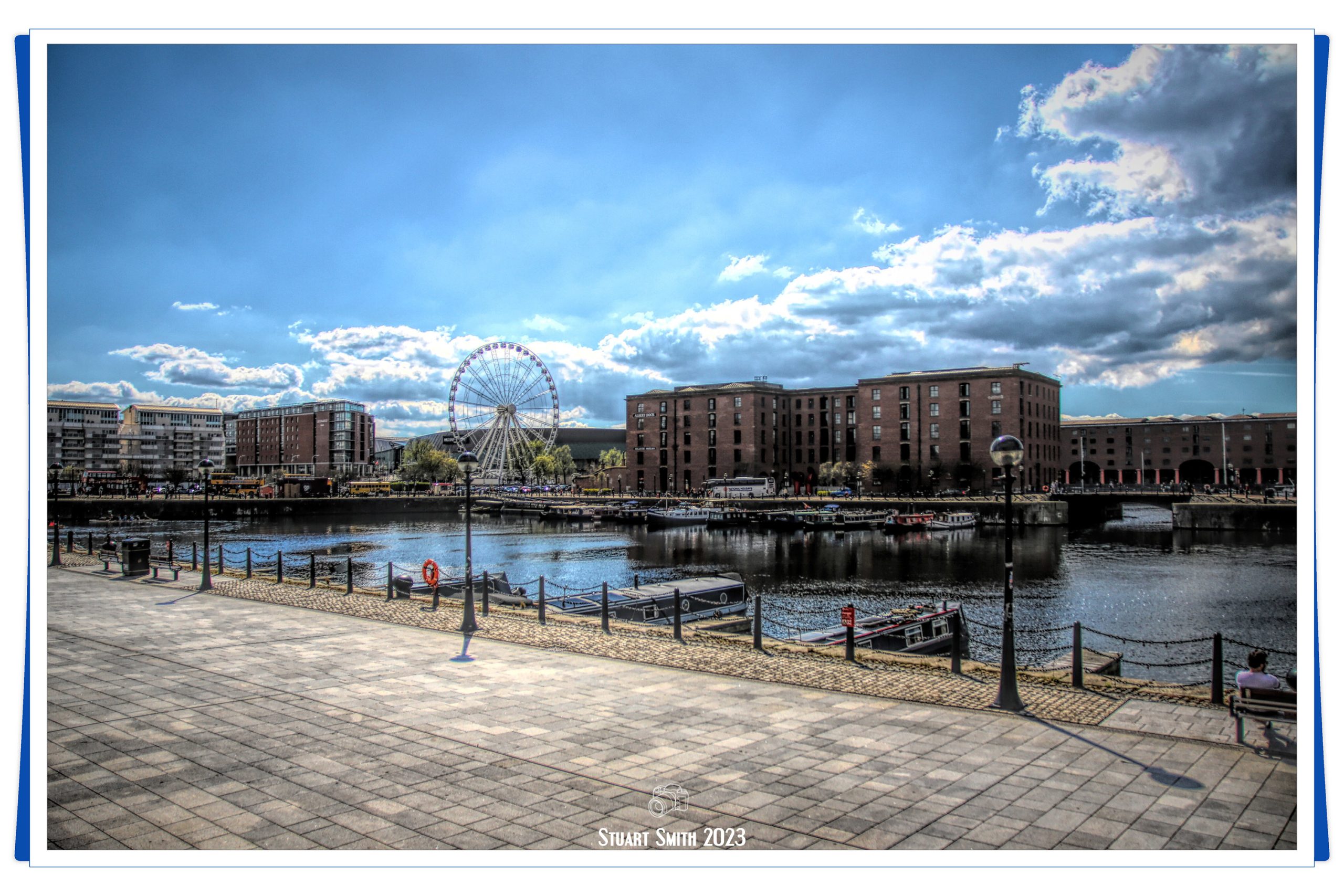
Albert-Salthouse Bridge, Salthouse Quay, Royal Albert Dock, Liverpool, Merseyside, England UK

The Salthouse Bridge is located on Salthouse Quay at the entrance to Salthouse Dock in Liverpool.

The Salthouse Bridge was formerly a set of dock gates and a swing bridge.
The original bridge was a double carriageway balancing cast iron swing bridge built in 1842 over the passage between Salthouse and Canning Docks in Liverpool.

Big Red Things, Atlantic Pavilion, Salthouse Quay, Royal Albert Dock, Liverpool, Merseyside, England UK

Exhibition Hall. Merseyside Maritime Museum, Royal Albert Dock, Liverpool, Merseyside, England UK

Fire Escape, International Slavery Museum, Royal Albert Dock, Hartley’s Quay, Liverpool, Merseyside, England UK

Gower Street Facade, Britannia Pavilion, Royal Albert Dock, Liverpool, Merseyside, England UK

Historical Marker Plate (Jesse Hartley), Britannia Pavilion, Royal Albert Dock, Liverpool, Merseyside, England UK

Madre Mexican Restaurant, Anchor Courtyard, Royal Albert Dock, Liverpool, Merseyside, England UK

Musicians, Revolution Bar & Restaurant, Atlantic Pavilion, Salthouse Quay, Royal Albert Dock, Liverpool, Merseyside, England UK

Newspaper Exhibit, Merseyside Maritime Museum, Royal Albert Dock, Liverpool, Merseyside, England UK

Night at Royal Albert Dock, Liverpool, Merseyside, England UK

Planter Barrel, Smuggler’s Cove, Britannia Pavilion, Royal Albert Dock, Liverpool, Merseyside, England UK

Rat on a Rope, Merseyside Maritime Museum, Royal Albert Dock, Liverpool, Merseyside, England UK

Royal Albert Dock at Night, Liverpool, Merseyside, England UK

Ship’s Bell, Britannic III, Merseyside Maritime Museum, Royal Albert Dock, Liverpool, Merseyside, England UK

The Long Shot, Britannia Pavilion, Royal Albert Dock, Liverpool, Merseyside, England UK

The Wheel of Liverpoool, Keel Wharf, Liverpool, Merseyside, England UK

Turncoat Bar & Distillery, Edward Pavilion, Royal Albert Dock, Liverpool, Merseyside, England UK

Window View, Merseyside Maritime Museum, Royal Albert Dock, Liverpool, Merseyside, England UK


LIVERPOOL 2023 – II

Continuing in Liverpool and making use of the tourist buses.


Window of Our Room, Premier Inn, Royal Albert Dock, Liverpool, Merseyside, England UK


The Fab 4 Store, Royal Albert Dock, Liverpool, Merseyside, England UK


Old Bollard, Salthouse Dock, Gower Street, Liverpool, Merseyside, England UK


Tour Buses, Salthouse Dock, Gower Street, Liverpool, Merseyside, England UK


Salthouse Dock, Gower Street, Liverpool, Merseyside, England UK


Old Building, Jcn Paradise, Price, Liver Streets & Cleveland Square, Liverpool, Merseyside, England UK


“Liverpool Resurgent”, 40 Ranelagh Street, Liverpool, Merseyside, England UK

Liverpool Resurgent is an artwork by Jacob Epstein, mounted above the main entrance to the former Lewis’s department store building in Ranelagh Street, Liverpool. It comprises a large bronze statue and three relief panels.

The current Lewis’s Building was constructed for Lewis’s in 1947 to replace  the building that had been destroyed by bombing in the Second World War.

The main 18 feet (5.5 m) high bronze statue stands on the portico above the entrance. It depicts a naked man standing on a plinth shaped like the prow of a ship projecting from the façade of the building, with left arm stretched out and right arm raised as if calling or signalling. It symbolises Liverpool’s resurgence following the war, but it is nicknamed locally as either “Nobby Lewis” or “Dickie Lewis”.

The work was unveiled on 20 November 1956 to celebrate the centenary of Lewis’s and the completion of its reconstruction works. The statue became known as a meeting place.


Metropolitan Cathedral of Christ the King, Oxford Street, Liverpool, Merseyside, England UK

Catholic Cathedral


Anglican Cathedral, Cathedral Gate, St James Road, Liverpool, Merseyside, England UK


Residences, Upper Parliament Street, Toxteth, Liverpool, Merseyside, England UK


Princes Road Synagogue, Princes Road, Toxteth, Liverpool, Merseyside, England UK

Princes Road Synagogue came into existence when the Jewish community in Liverpool in the late 1860s decided to build a new synagogue, reflecting the status and wealth of the community. The Toxteth area was rapidly expanding as Liverpool’s magnates built opulent mansions. The synagogue stands in a cluster of houses of worship designed to advertise the wealth and status of the local captains of industry, a group that was remarkably ethnically diverse by the standards of Victorian England; immediately adjacent to the synagogue on Princes Road are the Greek Orthodox Church of St Nicholas, the Church of England’s parish of St Margaret of Antioch, and the Welsh Presbyterian Church.

Construction on the synagogue was completed in 1874.


Merseyside Deaf Centre and Social Club, Park Way, Toxteth, Liverpool, Merseyside, England UK

Merseyside Centre for the Deaf, was initially built as a chapel for the Merseyside deaf community, this once grand gothic structure is in a terrible state.


Street Sign, Penny Lane, Liverpool, Merseyside, England UK

Beatles Graffiti, Penny Lane, Mossley Hill, Liverpool, Merseyside, England UK

Penny Lane, Mossley Hill, Liverpool, Merseyside, England UK

These images should require no description!

Penny Lane by The Beatles – Video Clip


Spire Hospital, Penny Lane, Mossley Hill, Liverpool, Merseyside, England UK


Dovedale Towers, Penny Lane, Mossley Hill, Liverpool, Merseyside, England UK

See a Google Street View

John Lennon & Paul MacCartney played here as The Quarrymen in 1957. Freddie Mercury, (prior to Queen) lived upstairs for a while.


The Penny Lane Wine Bar, Penny Lane, Mossley Hill, Liverpool, Merseyside, England UK


Church of St Barnabas, Cnr Penny Lane & Allerton Road, Mossley Hill, Liverpool, Merseyside, England UK


The Penny Lane Hotel, Jcn Penny Lane & Smithdown Place, Mossley Hill, Liverpool, Merseyside, England UK


Gates, “Strawberry Field”, Beaconsfield Road, Woolton, Liverpool, Merseyside, England UK

Strawberry Fields by The Beatles – Video Clip


John Lennon’s Childhood Home, Menlove Avenue, Liverpool, Merseyside, England UK

Image 1   –   Image 2   –   Image 3


Forthlin Road, Allerton, Liverpool, Merseyside, England UK

Image 1   –   Image 2


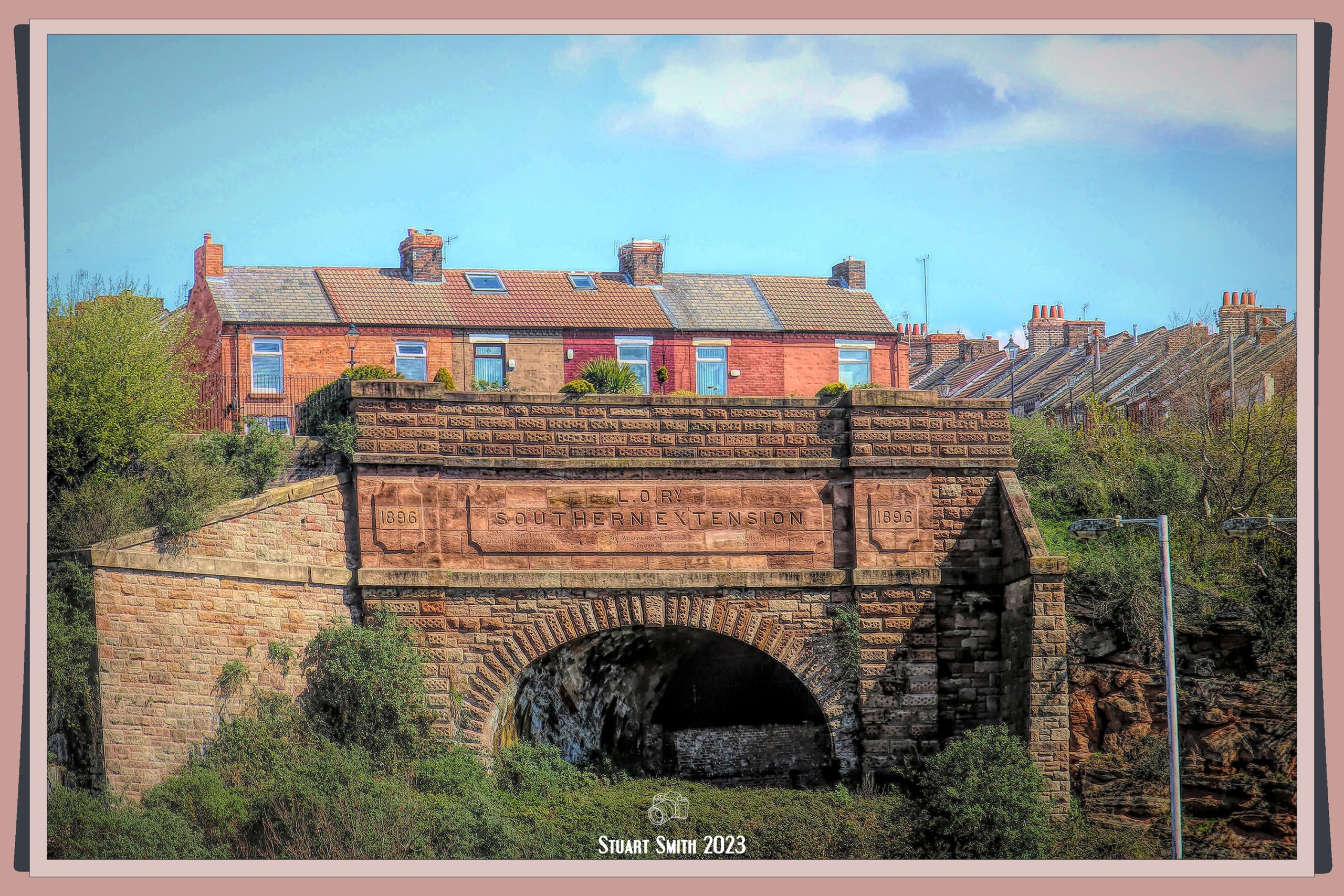
Dingle Tunnel, Grafton Street, Riverside, Liverpool, Merseyside, England UK

Opened 1896 closed 1956

Google Street View


Canning Dock, Salthouse Quay, Liverpool, Merseyside, England UK


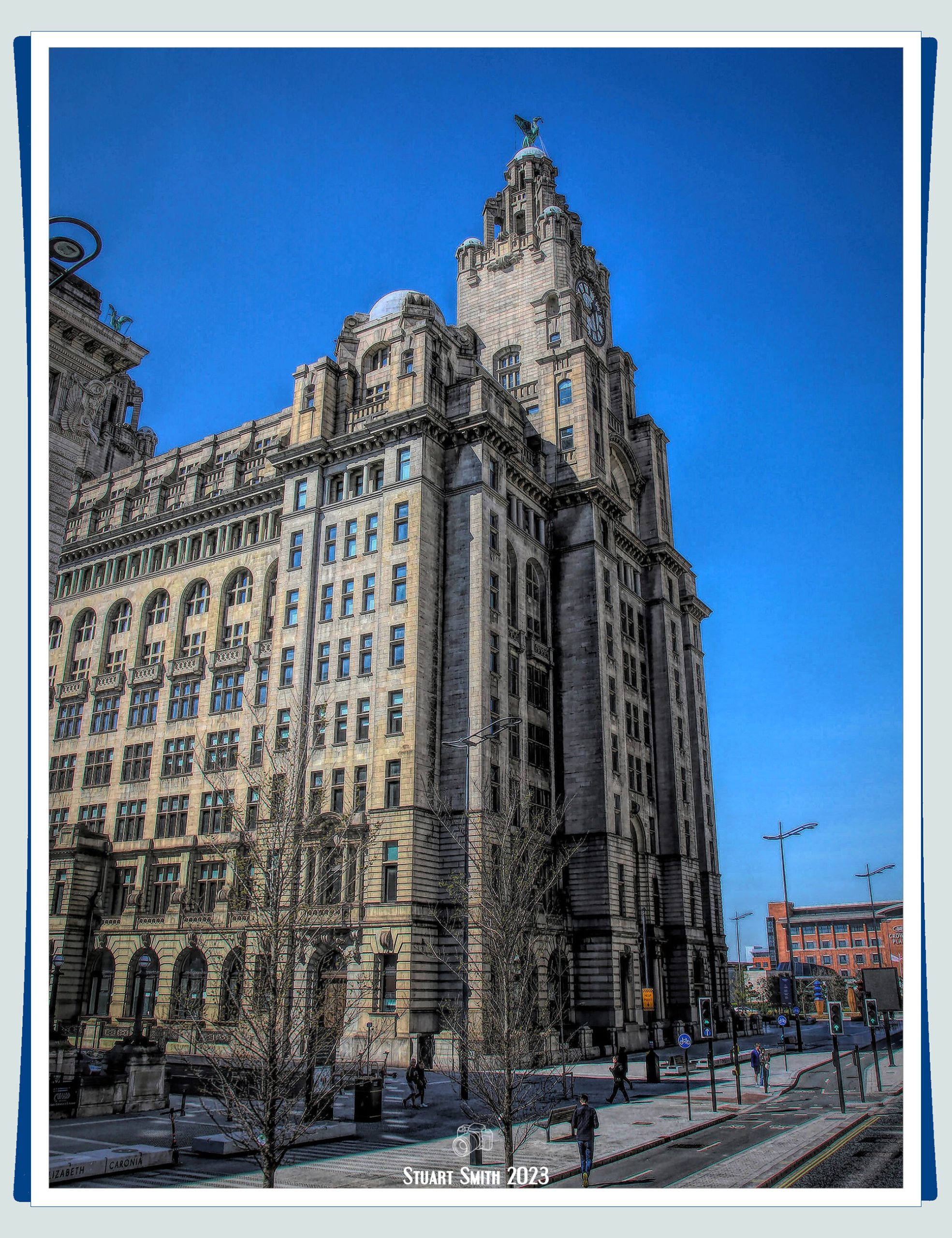
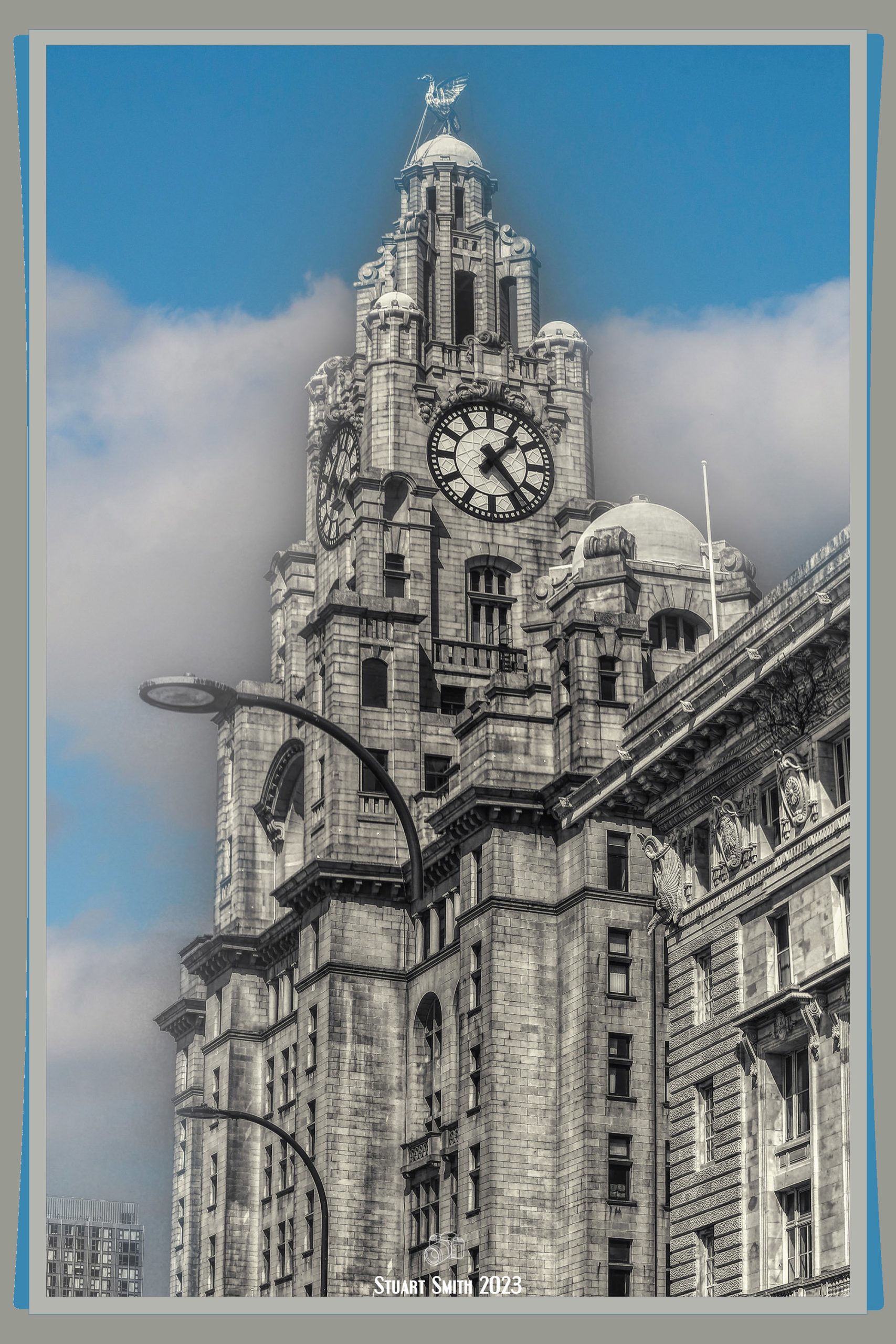
Royal Liver Building, The Strand, Liverpool, Merseyside, England UK

Royal Liver Building, Canada Boulevarde, Liverpool, Merseyside, England UK

Opened in 1911, the building was the purpose-built home of the Royal Liver Assurance group, which had been set up in the city in 1850 to provide locals with assistance related to losing a wage-earning relative. One of the first buildings in the world to be built using reinforced concrete, the Royal Liver Building stands at 98.2 m (322 ft) tall to the top of the spires, 103.7 m (340 ft) to the top of the birds and 50.9 m (167 ft) to the main roof.

The Royal Liver Building is one of the most recognisable landmarks in the city of Liverpool with its two fabled Liver Birds, which watch over the city and the sea. Legend has it that if the two birds were to fly away, the city would cease to exist.


George’s Dock Building, Brunswick Street, Liverpool, Merseyside, England UK

Art Deco style Grade II Listed Building from the 1930s and is the most ambitious of the six buildings built to provide ventilation for the 2.1 mile long road tunnel under the River Mersey.


Liverpool Parish Church (Our Lady and Saint Nicholas), Cnr George’s Dock Gates & Chapel Street, Liverpool, Merseyside, England UK

Dates from 1811 but a known place of worship back to 1250.

Over the years, as new churches were built, the “Old Church” continued to serve a congregation. Members repeatedly warned officials that the spire was unsafe. On Sunday 11 February 1810, as the bells rang and people were gathering for the morning service, the spire crashed into the nave below, killing 25 people. Twenty-one were under 15 years old, and most were girls from Moorfields Charity School. The original ring of six bells, dating from 1636 to 1724, was destroyed in the disaster.

During World War II, the bells were removed for safety, but they were never rehung. Following a German air raid on 21 December 1940, the main body of the church was destroyed by fire, leaving only the parish rooms, vestries and the 19th century tower. Rebuilding did not begin until March 1949, and the completed church, dedicated to ‘Our Lady and St Nicholas’, was consecrated on 18 October 1952


Century Buildings, Cnr North John & Cook Streets, Liverpool, Merseyside, England UK


Queen Victoria Monument, Derby Square, Lord Street, Liverpool, Merseyside, England UK

The foundation stone was laid on 11 October 1902 by Field Marshal Lord Roberts, Commander-in-Chief of the Forces. The monument was unveiled on 27 September 1906. It is a Grade II Listed structure,


Temple Court, Liverpool, Merseyside, England UK


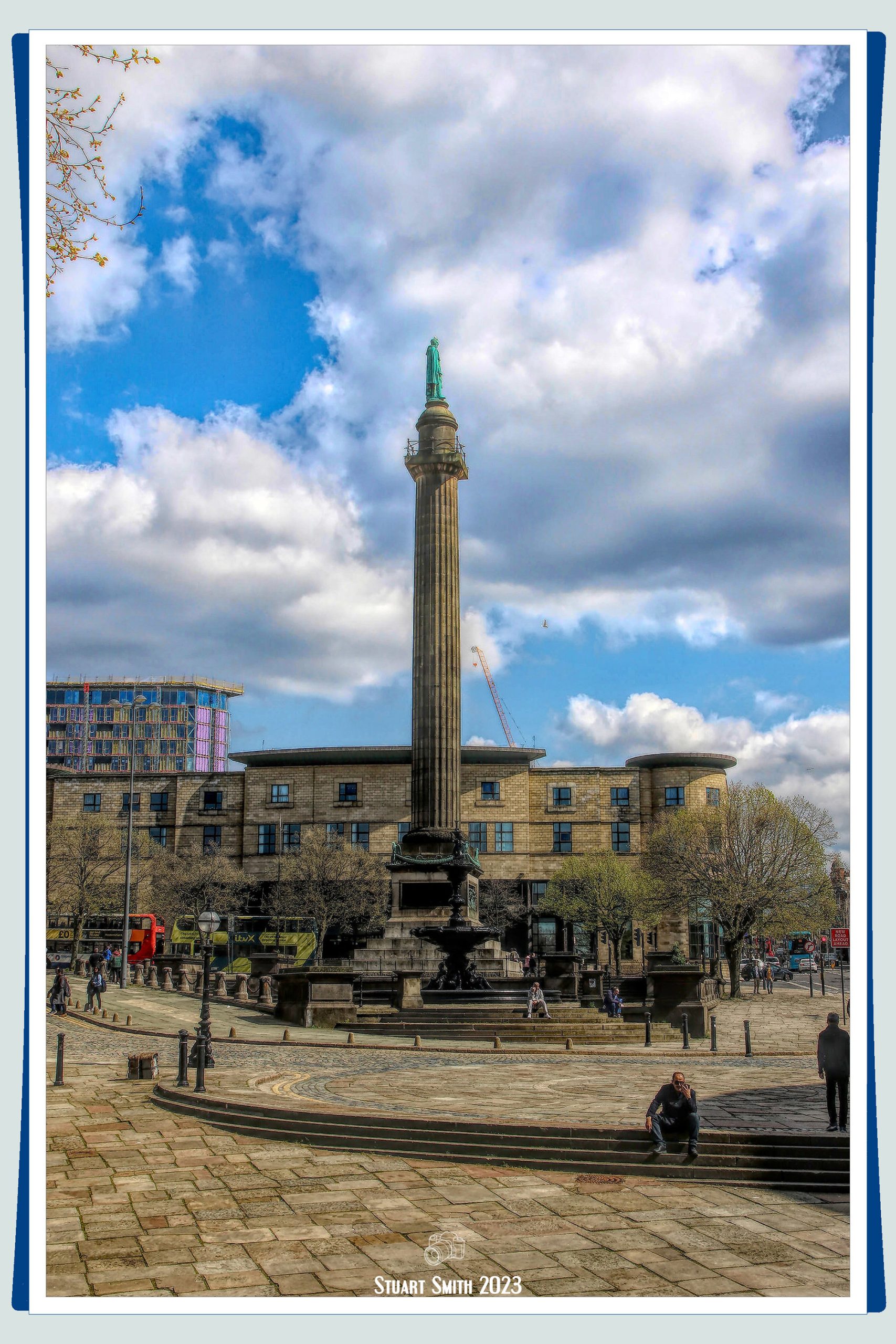
Wellington’s Column, William Brown Street, Liverpool, Merseyside, England UK

The foundation stone was laid on 1 May 1861 by the Mayor of Liverpool. There were further delays during construction of the monument due to subsidence. Although it was inaugurated on 16 May 1863 in a ceremony attended by the Mayor and Sir William Brown, it was still not complete. Reliefs depicting Wellington’s victories and the charge at the Battle of Waterloo were still to be added and it was finally completed towards the end of 1865. These delays resulted in its being “a very late example of a column-monument for Britain”


Ornate Lamp, St George’s Hall, William Brown Street, Liverpool, Merseyside, England UK


Doorway, Victoria Gallery & Museum, Brownlow Hill, Liverpool, Merseyside, England UK


The Bombed Out Church, St Luke’s, Leece Street, Liverpool, Merseyside, England UK

Bombed during the Liverpool Blitz of 1941 it has never been rebuilt and stands today as a memorial to those who died in the war.


Red Door (Cocktail Bar), Berry Street, Liverpool, Merseyside, England UK


The Wedding House, Great George Street, Toxteth, Liverpool, Merseyside, England UK


Wall Mural, The Wedding House, Great George Street, Toxteth, Liverpool, Merseyside, England UK


Royal Albert Dock, Liverpool, Merseyside, England UK


Night View, Britannia Vaults, Royal Albert Dock, Liverpool, Merseyside, England UK


Outside Premier Inn, Royal Albert Dock, Liverpool, Merseyside, England UK


Historical Information Plate, Britannia Pavillion, Royal Albert Dock, Liverpool, Merseyside, England UK


LIVERPOOL 2023 – I

We’re leaving Wales and driving to our next stopover, Liverpool in Merseyside and will spend a few days there.


Conwy Bay, Llys Helig Drive, Gogarth, Denbighshire, Wales UK


Wapping Dock, Leeds and Liverpool Canal, Keel Wharf, Liverpool, Merseyside, England UK


Hydraulic Tower, Wapping Dock, Queen’s Wharf, Liverpool, Merseyside, England UK


Wheel of Liverpool, Keel Wharf, Dukes Dock, Liverpool, Merseyside, England UK


Views From Wheel of Liverpool, Duke’s Dock, Liverpool, Merseyside, England UK

See each image individually:-

View 1:    View 2:    View 3:    View 4:


Kings Parade Bridge, Keel Wharf, Duke’s Dock, Royal Albert Dock, Liverpool, Merseyside, England UK


Duke’s Dock, Kings Parade, Royal Albert Dock, Liverpool, Merseyside, England UK

Opening in 1773, Duke’s Dock was built privately for the Duke of Bridgewater as a Liverpool-based facility for traffic using the Bridgewater Canal from Manchester.


Holiday Inn, Gower Street, Royal Albert Dock, Liverpool, Merseyside, England UK


Pan Am Restaurant & Bar, Britannia Pavilion Royal Albert Dock, Liverpool, Merseyside, England UK


The Smuggler’s Cove, Britannia Pavilion, Royal Albert Dock, Liverpool, Merseyside, England UK


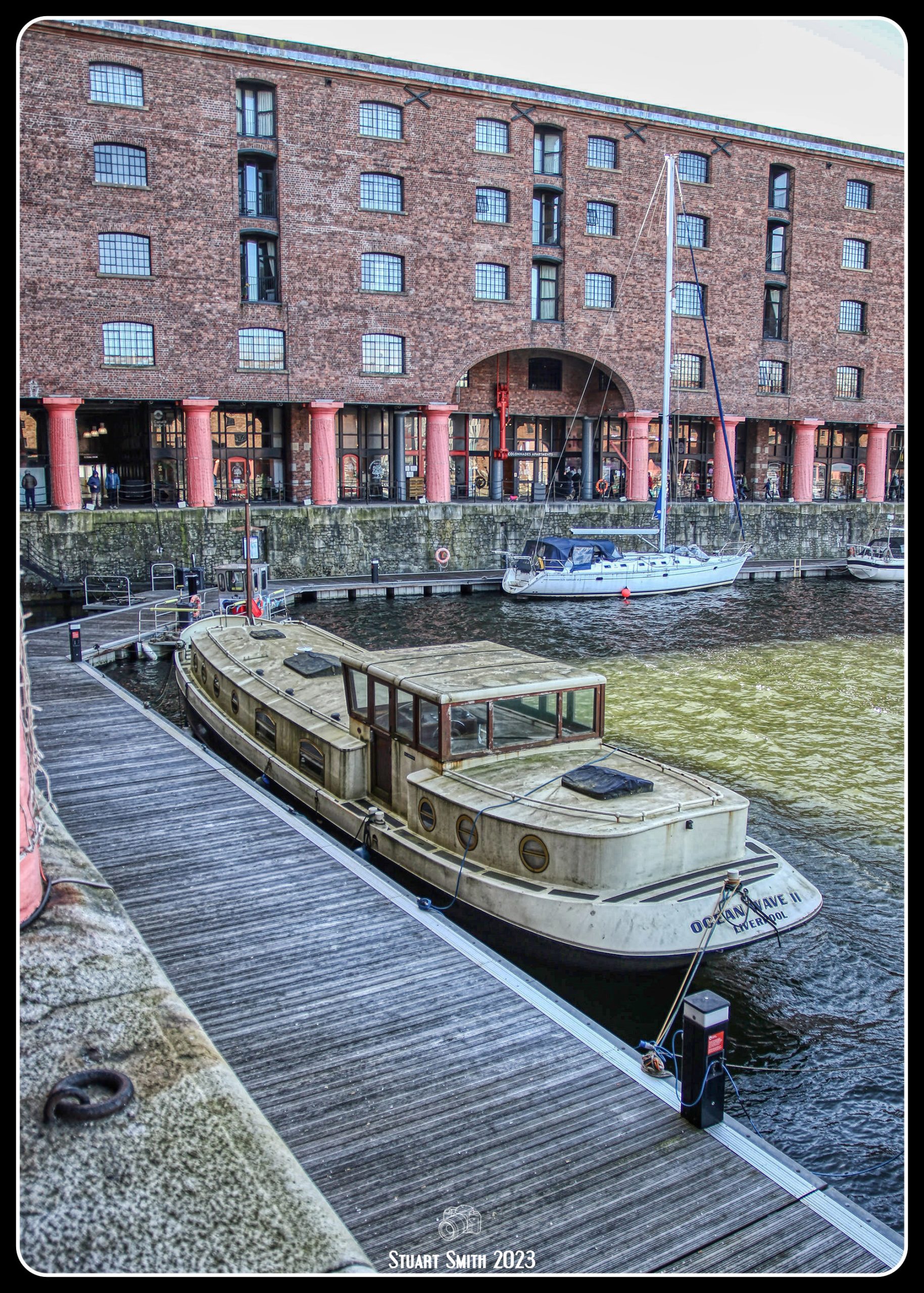
Narrow Boat Moored at Royal Albert Dock, Liverpool, Merseyside, England UK


Old Barge Moored in Royal Albert Dock, Liverpool. Merseyside, England UK


Smugglers Cove Bar, Britannia Pavilion, Royal Albert Dock, Liverpool, Merseyside, England UK


Old Warehouse Machinery, Courtyard Britannia Vaults, Royal Albert Dock, Liverpool, Merseyside, England UK


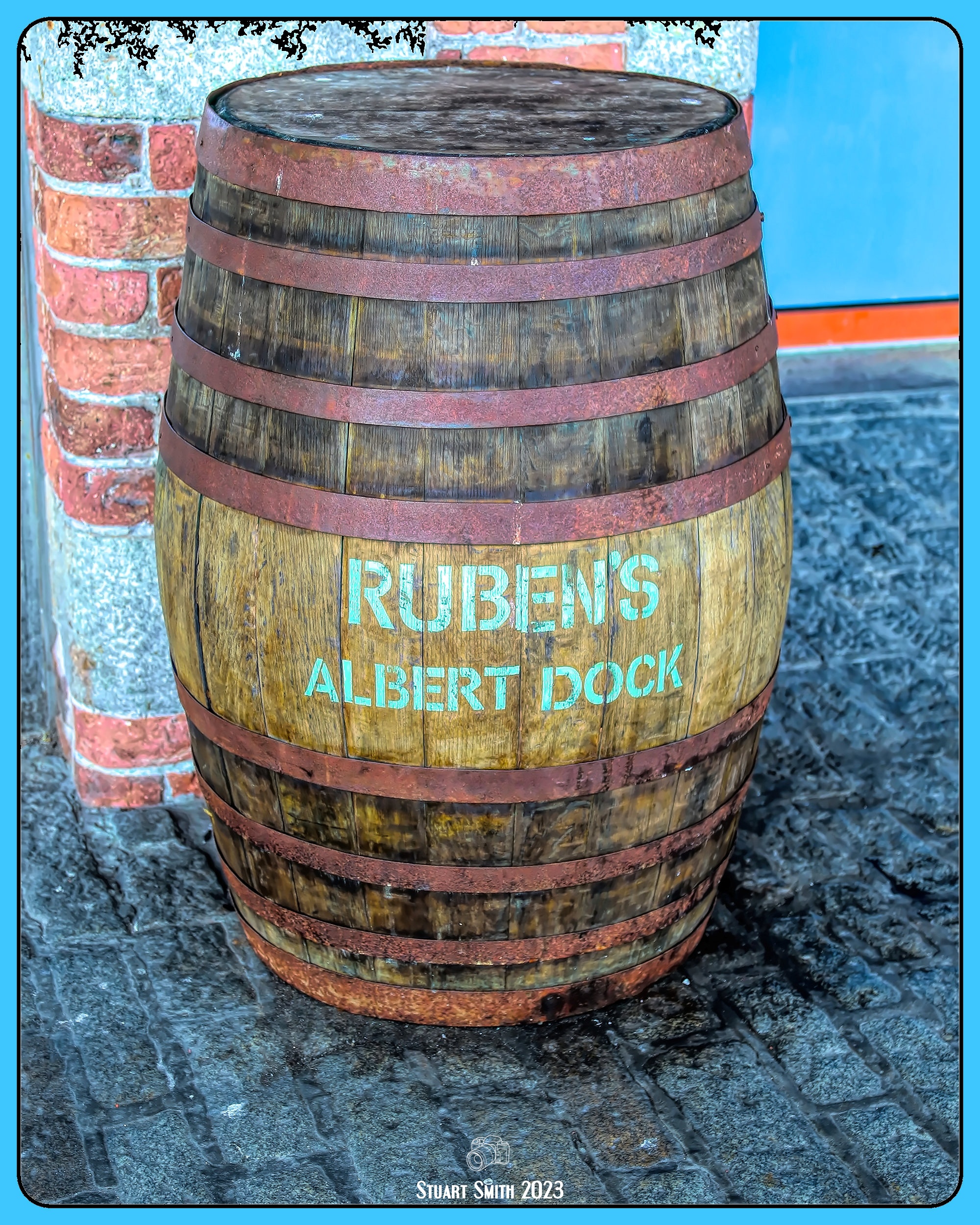
Ruben’s, The Colonnades, Britannia Pavilion, Royal Albert Dock, Liverpool, Merseyside, England UK


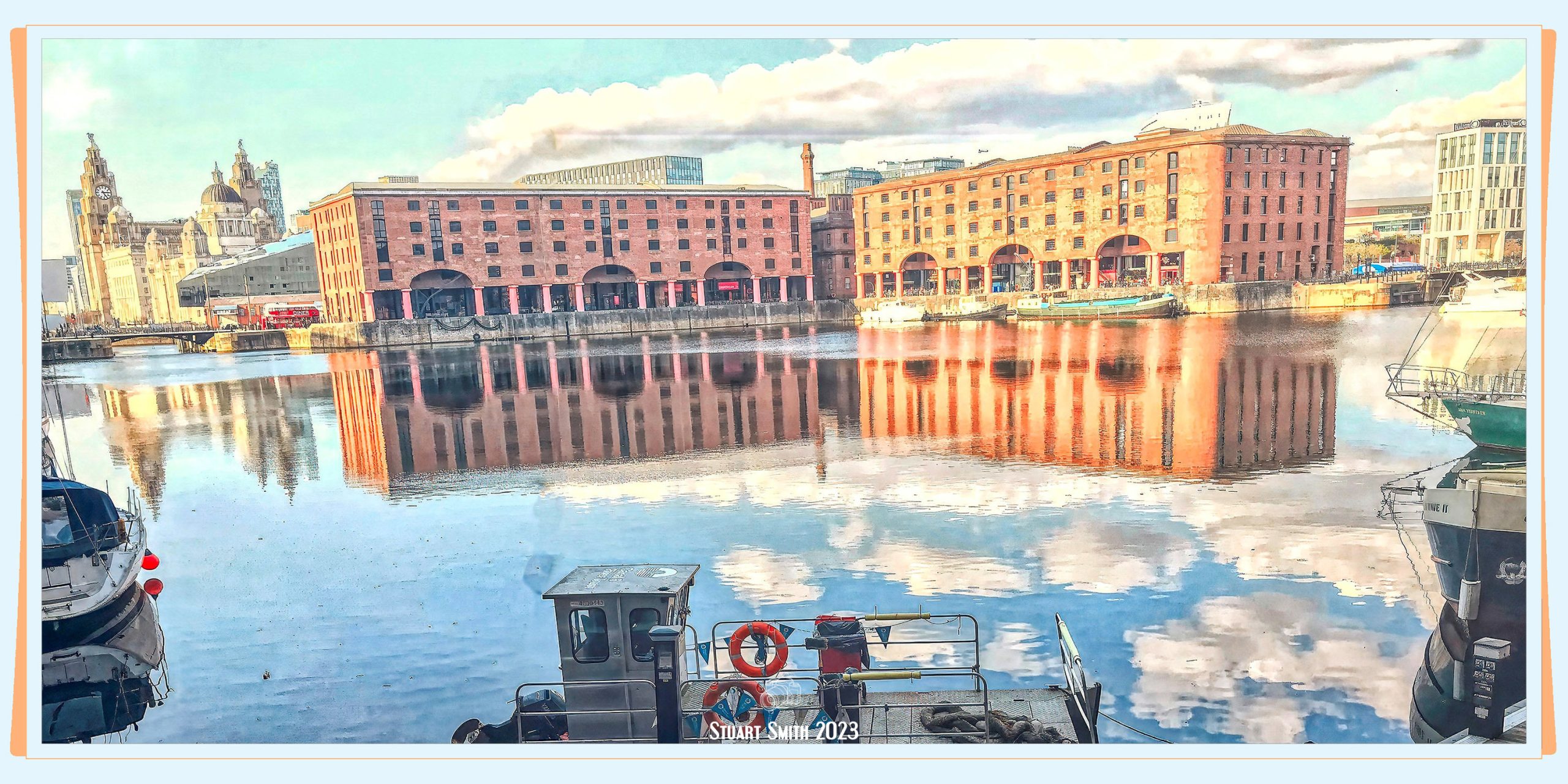
Royal Albert Dock, Liverpool, Merseyside, England UK

The Royal Albert Dock is a complex of dock buildings and warehouses in Liverpool, England. Designed by Jesse Hartley and Philip Hardwick, it was officially opened on 30 July 1846 by Prince Albert., and was the first structure in Britain to be built from cast iron, brick and stone, with no structural wood. As a result, it was the first non-combustible warehouse system in the world.

Today the Royal Albert Dock is a major tourist attraction in the city and the most visited multi-use attraction in the United Kingdom, outside London. The docking complex and warehouses also comprise the largest single collection of Grade I listed buildings anywhere in the UK.

The Premier Inn was the last undeveloped space on the dock opening in 2003.


The One O’Clock Gun, Britannia Pavilion, Royal Albert Dock, Liverpool, Merseyside, England UK


The Beatles Story Exhibition, Britannia Vaults, Royal Albert Dock, Liverpool, Merseyside, England UK


Old Anchor, Courtyard Brittania Vaults, Royal Albert Dock, Liverpool, Merseyside, England UK


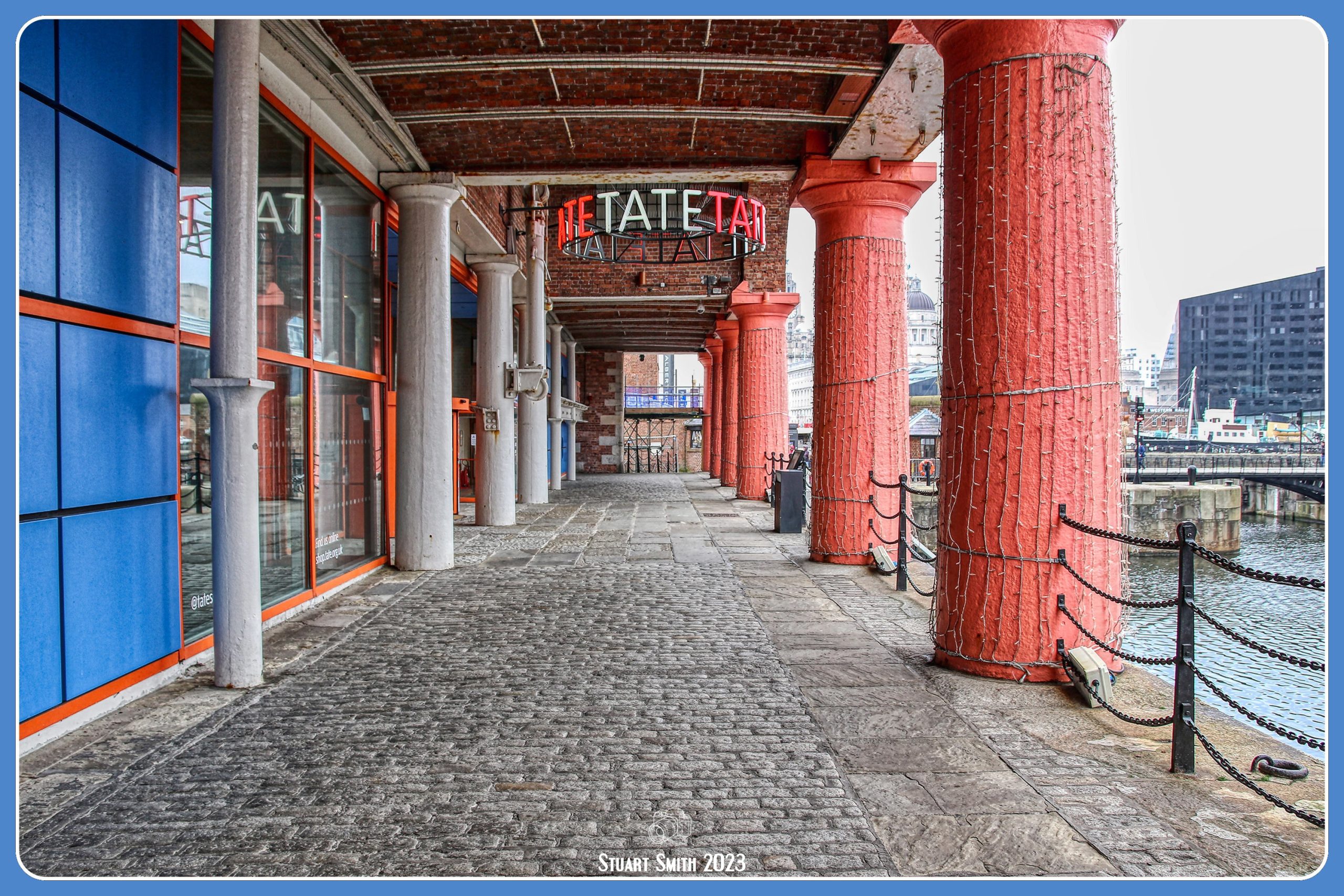
Colonnade to The Tate, Royal Albert Dock, Liverpool, Merseyside, England UK


Sculpture, The Tate, Royal Albert Dock, Liverpool, Merseyside, England UK


Hartley Quay Bridge, The Pier Head, Royal Albert Dock, Liverpool, Merseyside, England UK


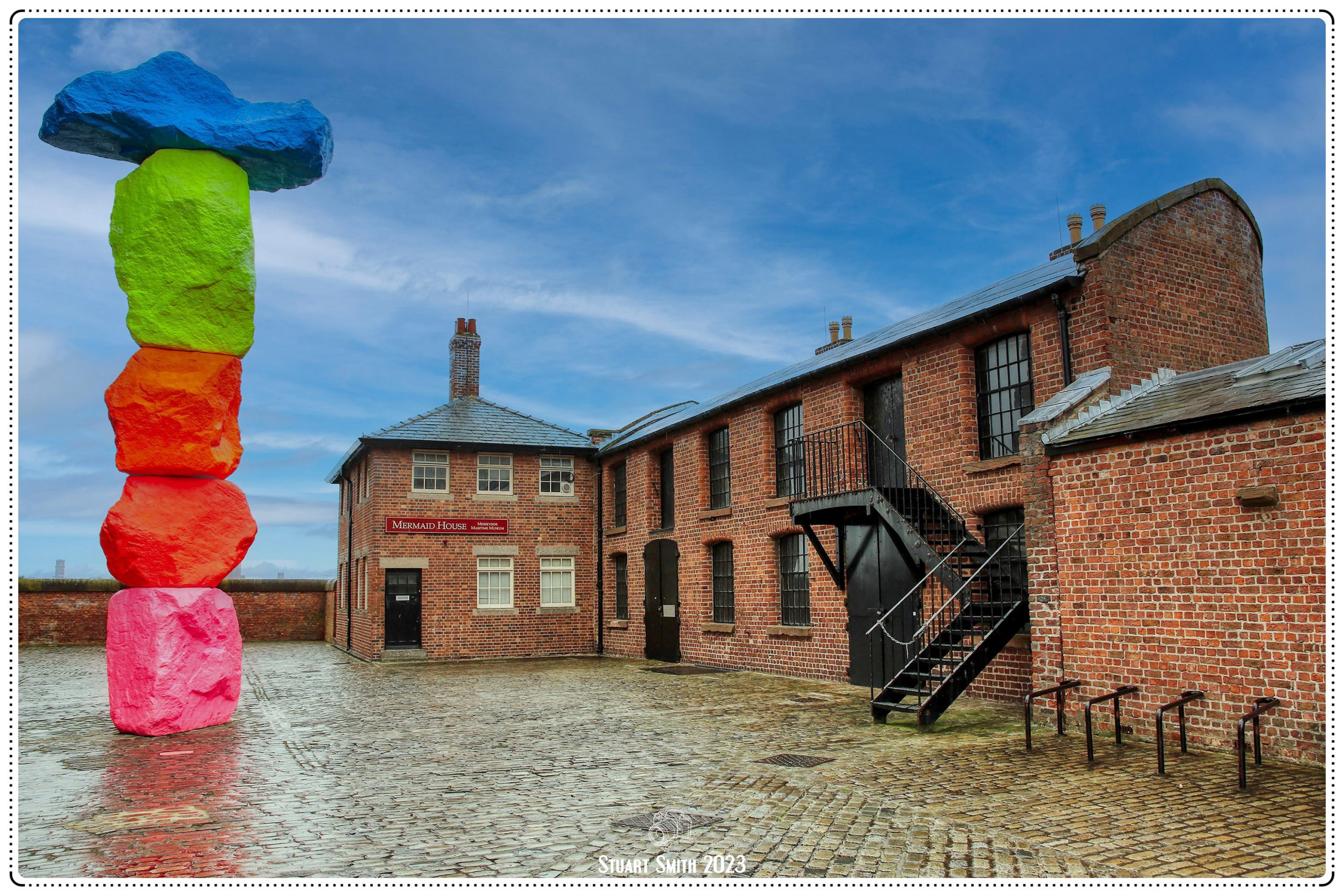
‘Liverpool Mountain’, Mermaid’s Corner, Royal Albert Dock, Liverpool. Merseyside, England UK


Piermaster’s House, Albert Dock, Kings Parade, Pier Head – Seacombe, Hartley’s Quay, Liverpool. Merseyside, England UK

A Grade II Listed Building constructed for the Piermaster & his family in 1852


Canning Half Tide Dock, Hartley’s Bridge, Liverpool, Merseyside, England UK


Rail Buffers, Hartley’s Quay, Royal Albert Dock, Liverpool, Merseyside, England UK


Merseyside Maritime Museum, Hartley’s Quay, Royal Albert Dock, Liverpool, Merseyside, England UK


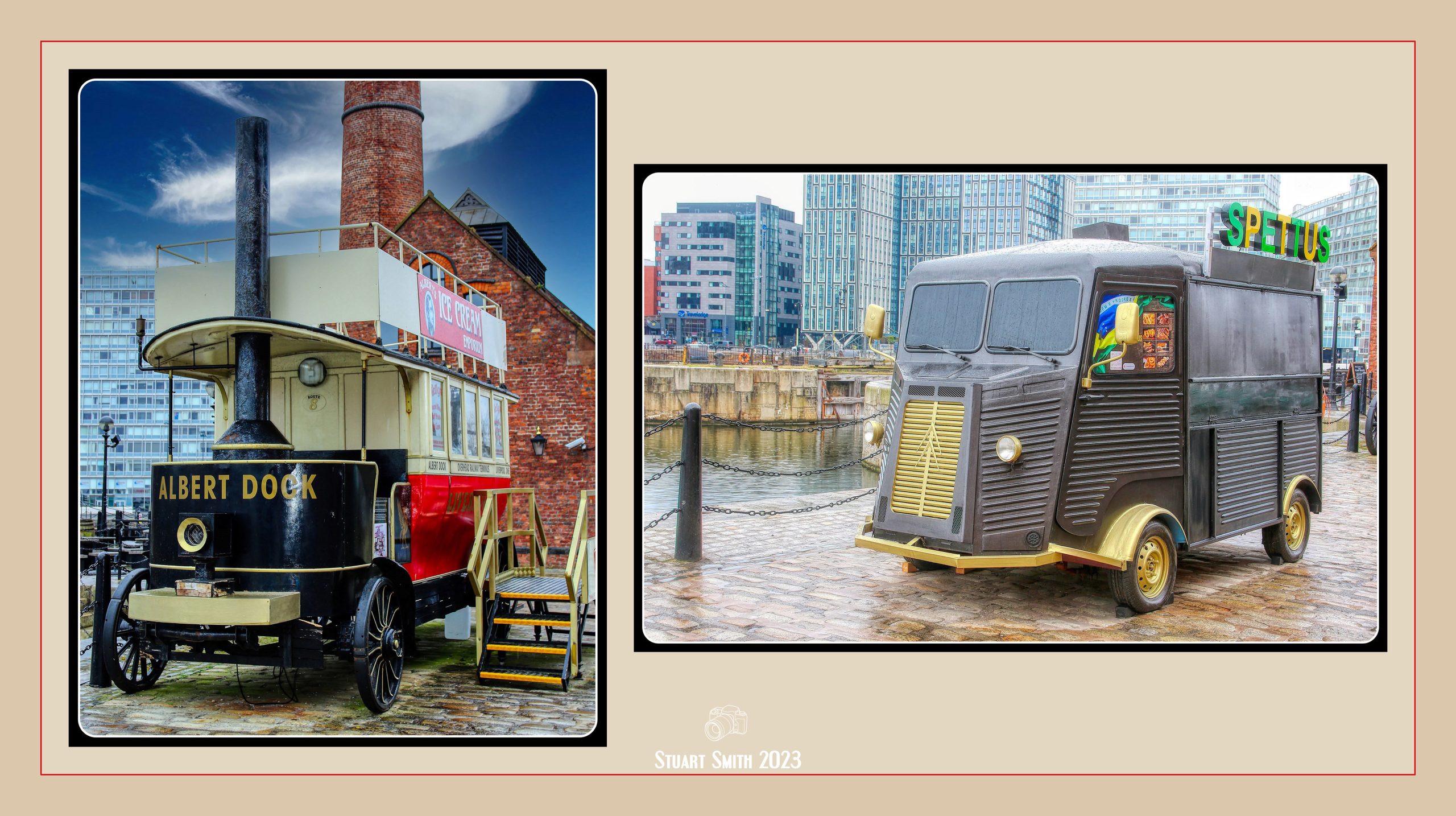
Catering Vehicles, Hartley’s Quay, Royal Albert Dock, Liverpool, Merseyside, England UK

See each image individually:-

Vehicle 1:     Vehicle 2:


The Pump House, Hartley’s Quay, Royal Albert Dock, Liverpool, Merseyside, England UK

A Grade II Listed building dates from 1870s. Now an upmarket pub.


HMS Conway Anchor, Hartley’s Quay, Royal Albert Dock, Liverpool, Merseyside, England UK

Conway Anchor at Caernarfon, Wales

First launched as the HMS Nile in 1839, it was renamed HMS Conway in 1875. The ship was brought to Bangor in 1941 and then to Plas Newydd, just north of Caernarfon, in 1949. The ship was wrecked in the Menai Strait in 1953, and this, one of 2 anchors, with the other to be seen at the above link at Victoria Dock in Caernarfon.


Internal Passageway, Premier Inn, Britannia Pavilion, Royal Albert Dock, Liverpool, Merseyside, England UK


Our Room, Premier Inn, Royal Albert Dock, Liverpool, Merseyside, England UK

The view from the window is directly down into the dock.


WALES 2023 – III

Still in Caernarfon and wandering around the town and castle walls.

[Remember – clicking on an image will open it to a new window/tab.]


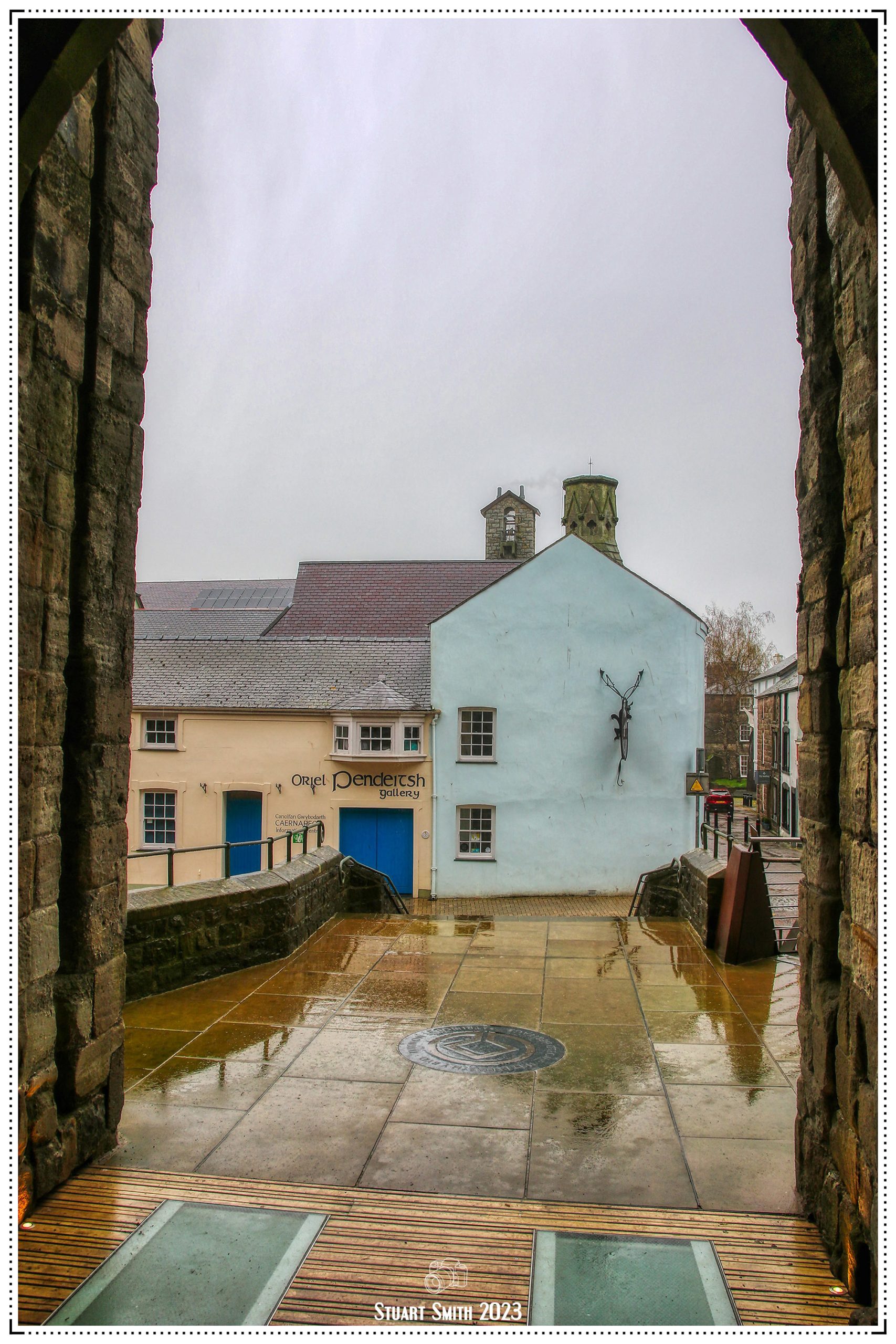
Through a Rain Spattered Window, Caernarfon Castle, Pen Deitsh, Caernarfon, Gwynedd, Wales UK

Pen Deitsh – Castle Ditch


Harbour Offices, Cei Llechi, Caernarfon, Gwynedd, Wales UK

Cei Llechi – Slate Quay


Caernarfon from Black Tower, Caernarfon Castle, Caernarfon, Gwynedd, Wales UK


Castle Exit, Caernarfon Castle, Pen Deitsh, Carnarfon, Gwynedd, Wales UK


Drinks in Bar Bach, Tyn y Bont, Caernarfon, Gwynedd, Wales UK

The Bar, Bar Bach, Tan y Bont, Caernarfon, Gwynedd, Wales UK

Bar Bach, Tafarn Lleiaf Cymru, Tan y Bont, Caernarfon, Gwynedd, Wales UK

Tafarn Lleiaf Cymru – The Smallest Pub in Wales


Historic Plaques, Porth Mawr, Stry y Porth Mawr, Caernarfon, Gwynedd, Wales UK

See Location Here! – plaques can be seen on the left in the tunnel.

Top:

Site of The Exchequer and Chancery of the Principality of North Wales Founded 1284.

Bottom:

This tower was raised twenty eight feet and a half and the clock was improved and filled up with transparent dials in the year of our Lord 1833.
The most Honourable the MARQUESS OF ANGLESEA, MAYOR
WILLIAM ROBERTS ESQ. Deputy Mayor.
DAVID ROWLANDS, GRIFFITH CAVIES – Bailiffs


Former Lloyds Bank Building, Stryd y Porth Mawr, Caernarfon, Gwynedd, Wales UK

A Grade II Listed Building


11 Stryd y Bont, Caernarfon, Gwynedd, Wales UK

A Grade II Listed Building


Rhydalun House, Stryd y Porth Mawr, Caernarfon, Gwynedd, Wales UK

A Grade II Listed Building


Street Sign, Stryd Twll yn y Wal, Caernarfon, Gwynedd, Wales UK

Stryd Twll yn y Wal – Hole in the Wall Street


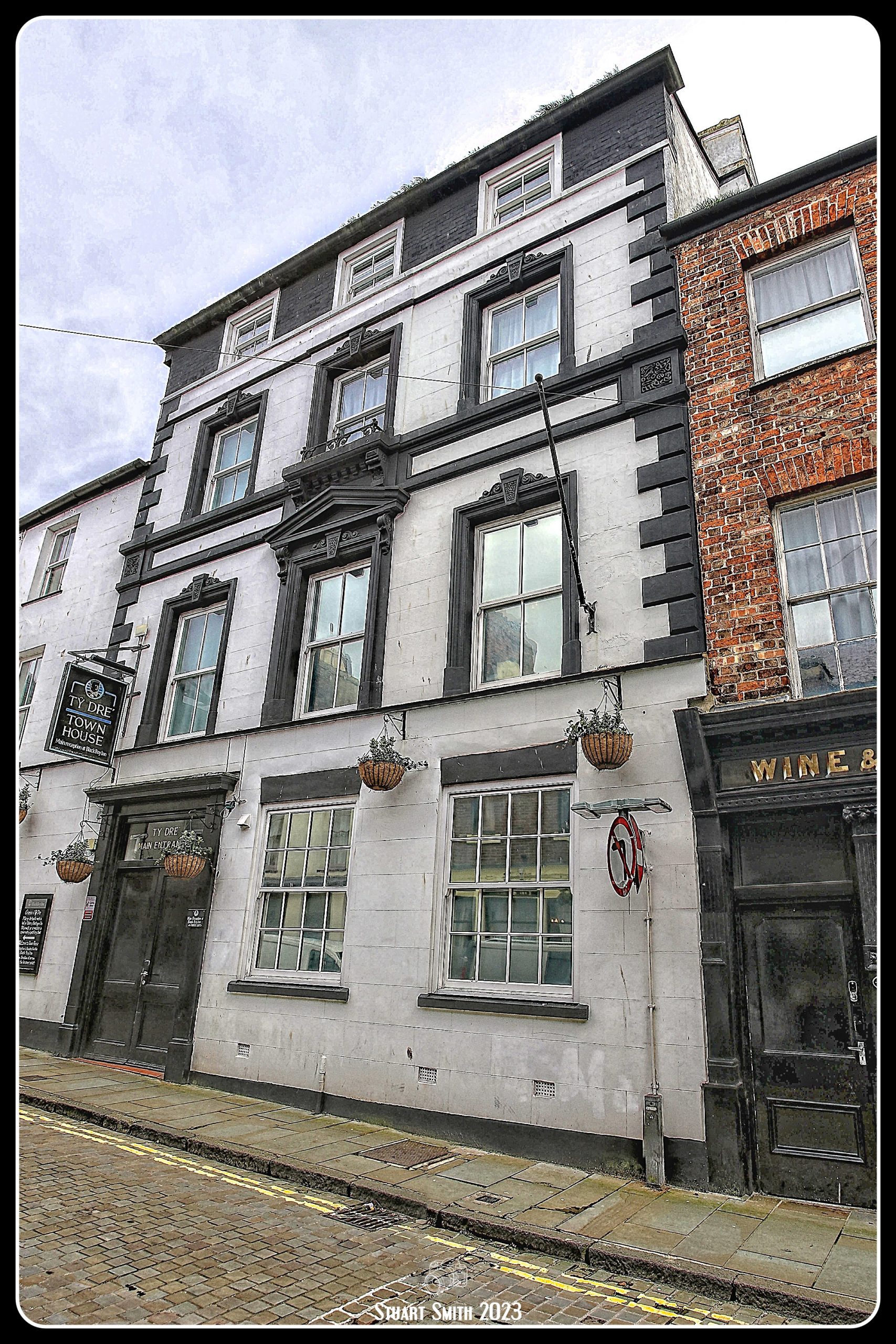
Tŷ Dre Town House, Stryd Fawr, Caernarfon, Gwynedd, Wales UK

Our room on the top floor!


Cofeb Llywelyn Ein Llyw Olaf, Stryd y Castell, Caernarfon, Gwynedd, Wales UK

Llywelyn Ein Llyw Olaf (Llywelyn Our Last Leader) was killed in battle in 1282. His death led directly to the establishment of the bastide town of Caernarfon. Commissioned by Gwynedd County Council to commemorate 700th anniversary of Llywelyn’s death in 1282.

Cofeb Llywelyn Ein Llyw Olaf – in Memory of Llywelyn Our Last Leader


Stryd Y Jel, Caernarfon, Gwynedd, Wales UK

Shirehall Street


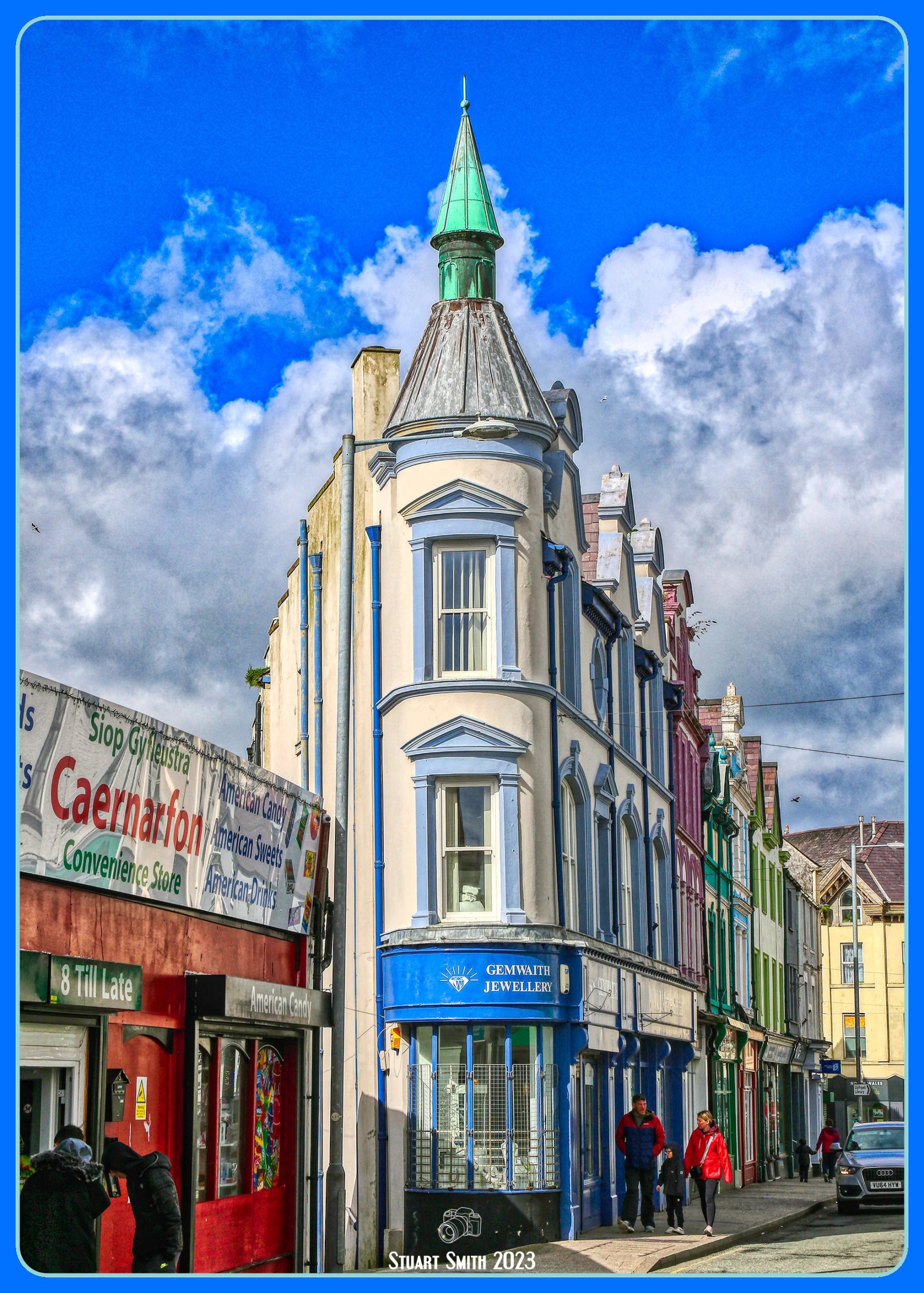
Morgan Lloyd, Sgwâr y Castell, Caernarfon, Gwynedd, Wales UK

Sgwâr y Castell – Castle Square

A Grade II Listed Building


Sir Hugh Owen, Sgwâr y Castell, Caernarfon, Gwynedd, Wales UK


Statue, David Lloyd George, Sgwâr y Castell, Caernarfon, Gwynedd, Wales UK

In 1890 Lloyd George narrowly won a Parliamentary by-election for Caernarvon Boroughs, the boroughs of Caernarfon, Bangor, Conwy, Criccieth, Nefyn and Pwllheli. He held the seat as a Liberal until two months before his death in 1945. The town’s former Liberal Club is a short distance north of here.

He held key Government posts: President of the Board of Trade (1905-1908); Chancellor of the Exchequer (1908-1915); Minister of Munitions (1915-1916); and Prime Minister (1916-1922).

He was a controversial figure, particularly for his stances on the Boer War, Palestine and Irish independence. Although mostly supporting votes for women, his fluctuating stance made him an enemy of the suffragette movement and his meetings were often disrupted. His personal life was sometimes a source of gossip but he is primarily remembered as the initiator of the welfare state and as Britain’s leader in the First World War.

He died at Llanystumdwy on 26 March 1945 and is buried beside the River Dwyfor. His daughter Megan was Wales’ first female MP. His son Gwilym was Minister for Food and Power in the Second World War and later Home Secretary.


Dedication Plaque, Sgwâr y Castell, Caernarfon, Wynedd, Wales UK

This stone records the generous deed of a local subject Sir Charles Garden Assheton-Smith Baronet of Vaynol who gave three houses to be demolished in order that some thousands of his countrymen might witness the investiture of The Prince of Wales 13th July 1911. He also gave the ground whereon they stood to The Crown to be forever open to the public and free from building.

See image further down showing the location of the plaque.


Boats on Afon Seiont, Caernarfon, Gwynedd, Wales UK

Afon Seiont – Zion River


Pont yr Aber, Afon Seiont, Caernarfon, Gwynedd, Wales UK


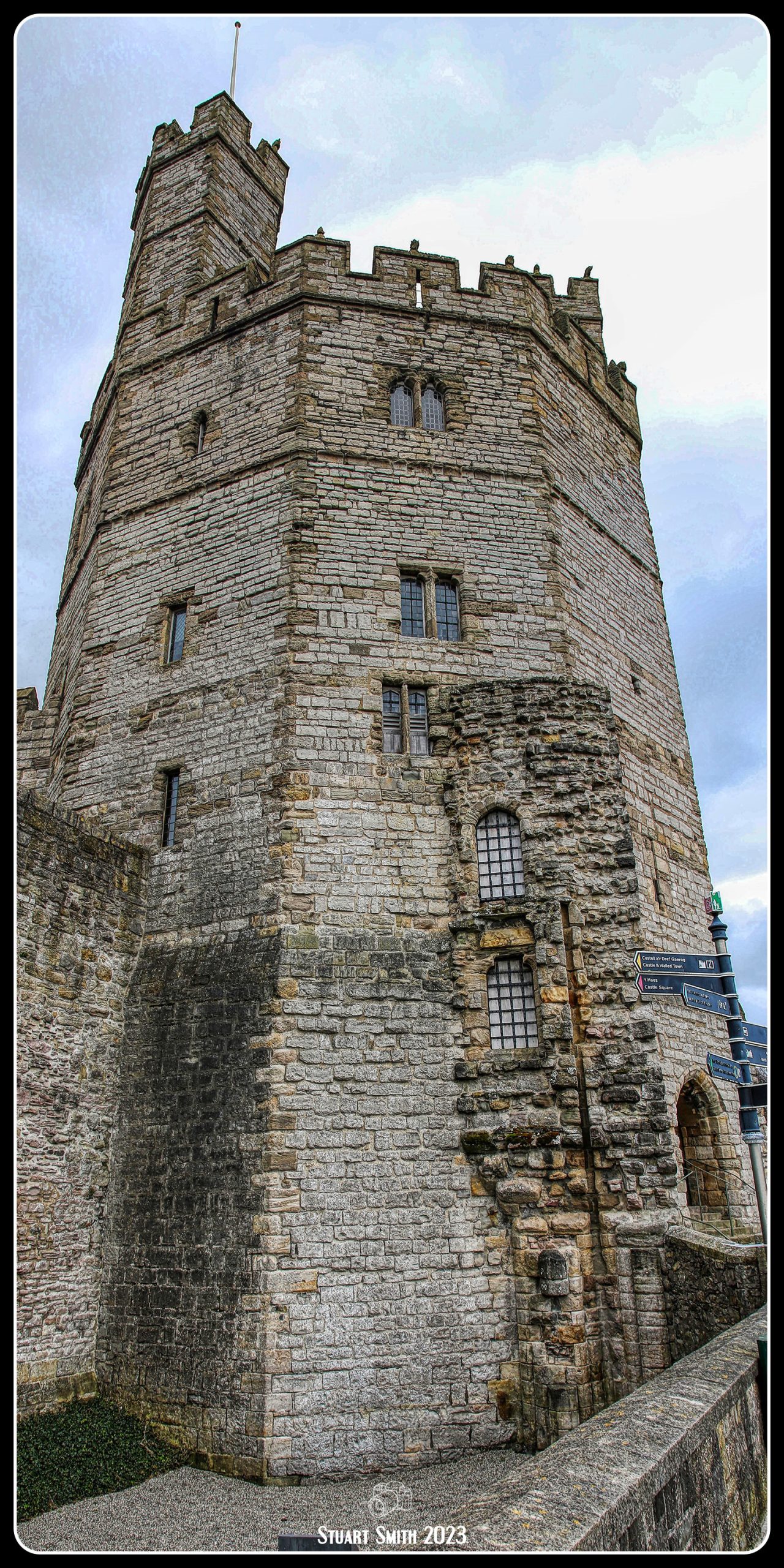
Windows, Eagle Tower, Castle Walls, Caernarfon Castle, Bryn y Castelll, Caernarfon, Gwynedd, Wales UK


Grade II Listed Building, Sgwâr y Castell, Caernarfon, Gwynedd, Wales UK

This building is on the edge of the square where the David Lloyd George Statue is located


Eagle Tower to Queen’s Tower, Caernarfon Castle, Bryn y Castell, Caernarfon, Gwynedd, Wales UK


Queen’s Gate, Caernarfon Castle, Sgwâr y Castell, Caernarfon, Gwynedd, Wales UK


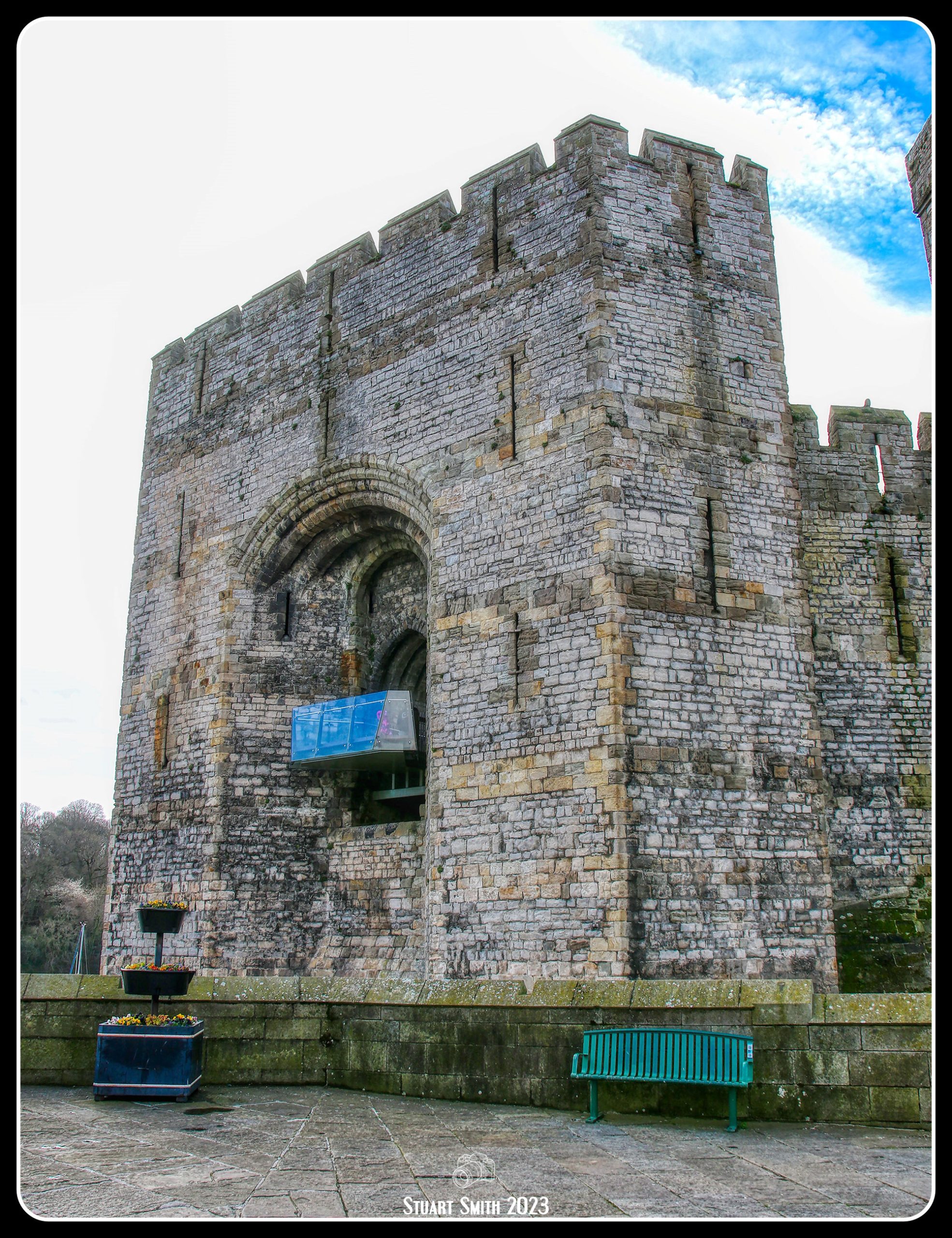
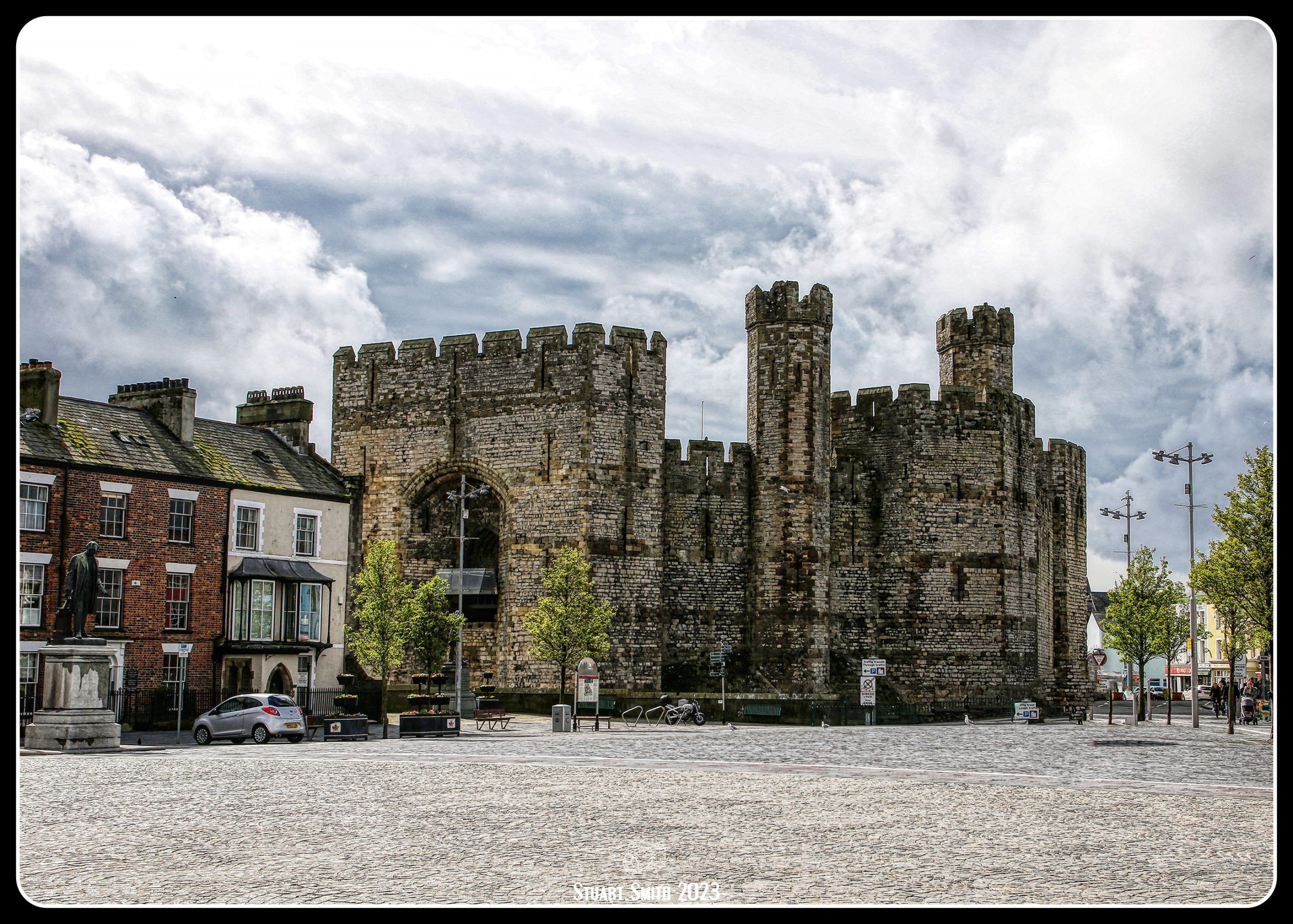
Caernarfon Castle, Tan y Bont, Caernarfon, Gwynedd, Wales UK


Caernarfon Castle, Sgwâr y Castell, Caernarfon, Gwynedd, Wales UK


Doorway, Maes Glas, Sgwâr y Castell, Caernarfon, Gwynedd, Wales UK

A Grade II Listed Building


y Castell, Sgwâr y Castell, Caernarfon, Gwynedd, Wales UK

The Castle Hotel


Building Façade, Paternoster Buildings, Sgwâr y Castell, Caernarfon, Gwynedd, Wales UK

Grade II Listed Building


Castle Square Presbyterian Church, Sgwâr y Castell, Caernarfon, Gwynedd, Wales UK

Grade II Listed Building built in 1883


Blind Justice, Old Courthouse, Pen Deitsh, Caernarfon, Gwynedd, Wales UK


Old Town Walls Entrance, Pen Deitsh, Caernarfon, Gwynedd, Wales UK


Bridge to Castle Entrance, Caernarfon Castle, Pen Deitsh, Caernarfon,Gwynedd, Wales UK


Castle Doorway, Caernarfon Castle, Pen Deitsh, Caernarfon, Gwynedd, Wales UK


Eagle Tower, Castle Walls, Caernarfon Castle, Bryn y Castelll, Caernarfon, Gwynedd, Wales UK


Town Walls, Tan y Bont, Caernarfon, Gwynedd, Wales UK


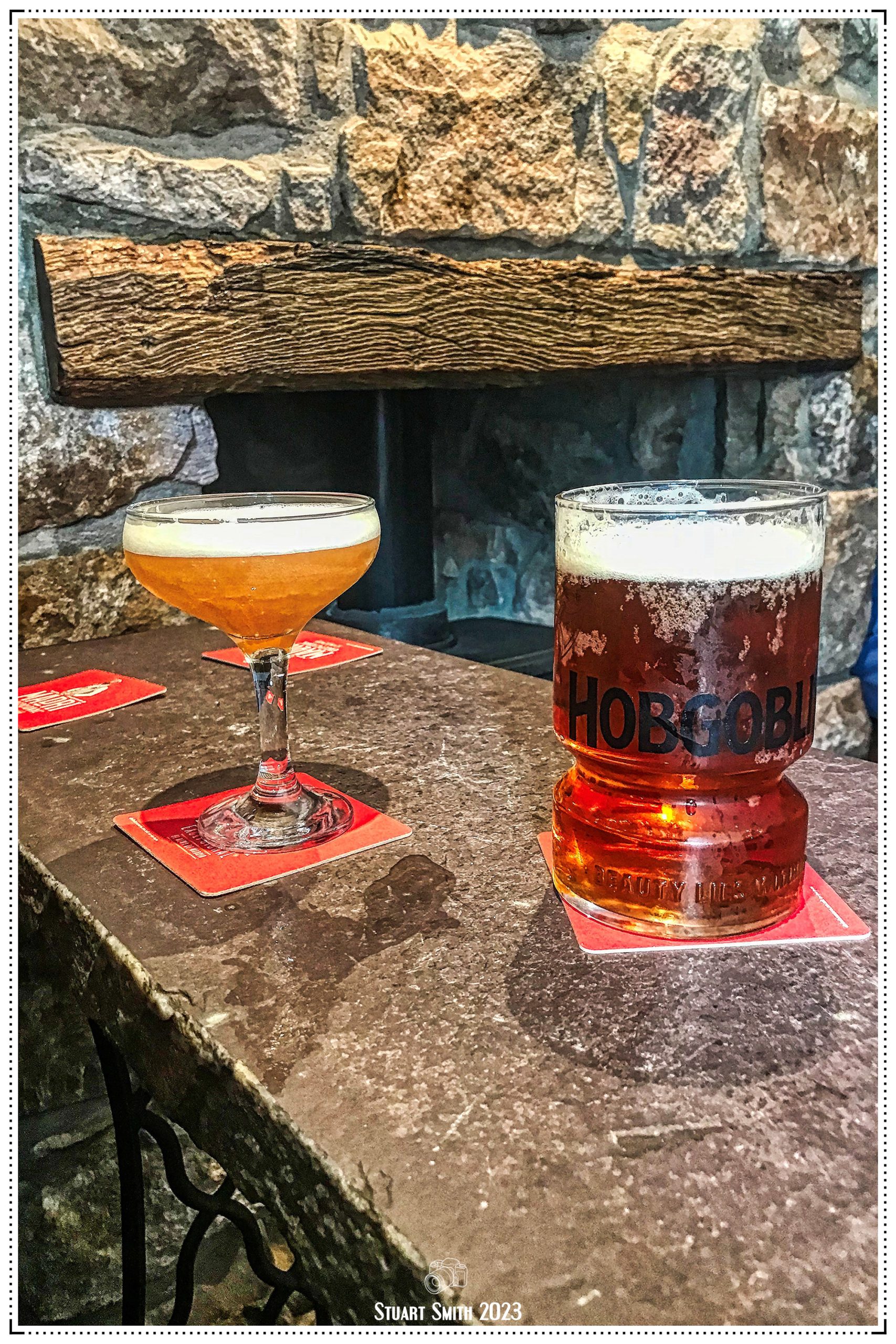
Drinks at Dinner Time, Y Goran (The Crown), Cnr Stryd Fawr & Stryd Y Castell, Caernarfon, Gwynedd, Wales UK


ENGLAND 2023 – VII – The Cotswolds (III)

Still in the Cotswolds just driving around.


Entrance Gates, Westonbirt School, Bath Road, Tetbury, Gloucestershire, England UK

Built in 1853 it became a school in 1928.


“The Street”, Westonbirt, Tetbury, Gloucestershire, England UK

Residence, “The Street”, Westonbirt, Tetbury, Gloucestershire, England UK

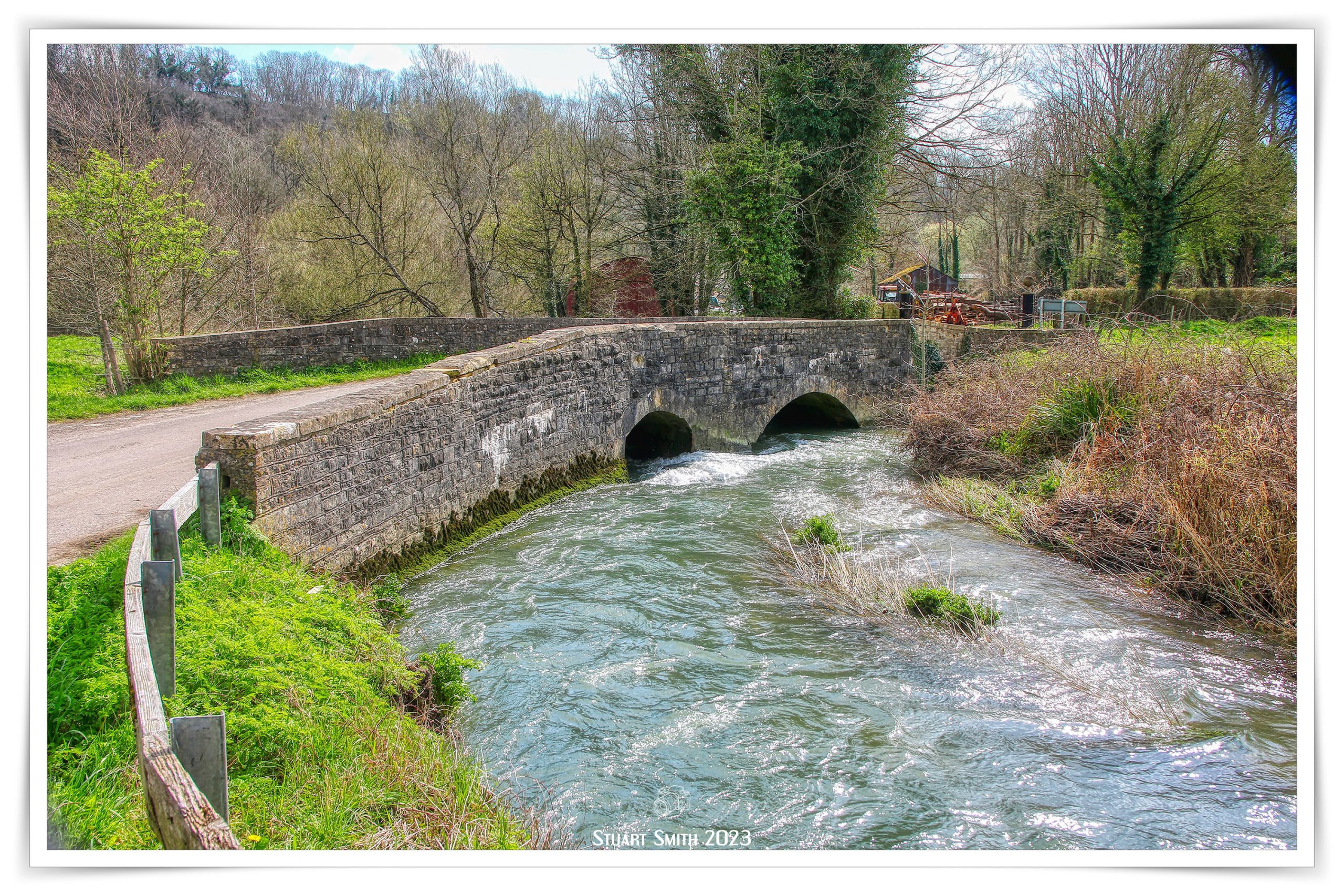
Bridge at By Brook, Germaine’s Lane, Colerne, Chippenham, Wiltshire, England UK

By Brook also known as Bybrook River Is 12 mile long tributary of the Bristol Avon.


While driving around by myself, I stumbled into an absolutely stunning little village. The village boast 91 Listed buildings with several valued in the millions of pounds.


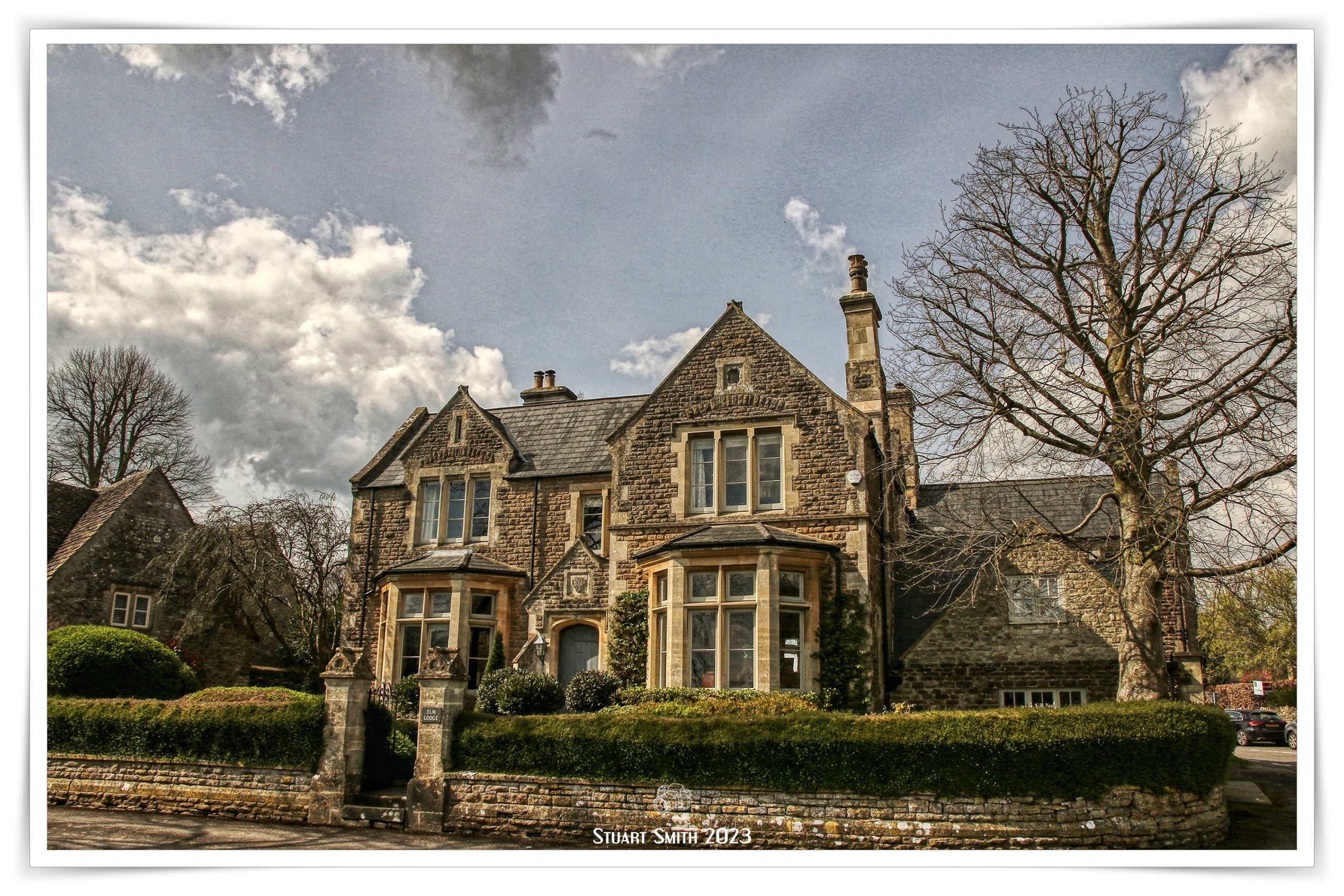
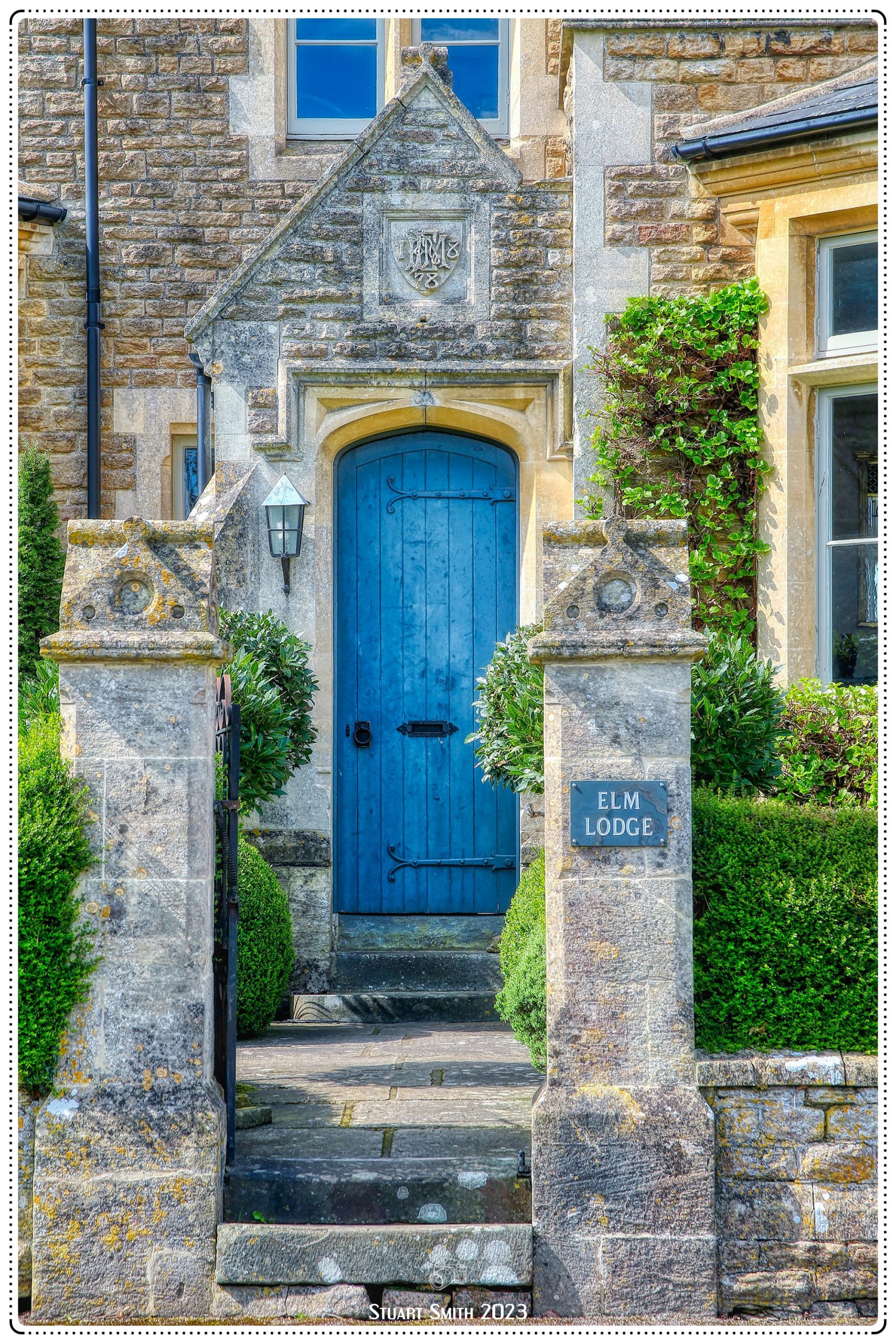
Elm Lodge, The Green, Biddestone, Chippenham, Wiltshire, England UK

Elm Lodge, The Green is a 5 bedroom freehold detached house – it is ranked as the 2nd most expensive property in the village, with a valuation of £2,439,000.


Duck Pond, Cross Keys Road, Biddestone, Wiltshire, England UK


The White Horse, The Green, Biddestone, Chippenham, Wiltshire, England UK

The pub is a Grade II listed building dating from the 1700s


Willow House, The Green, Biddestone, Chippenham, Wiltshire, England UK

A grade II listed building dated 1730.


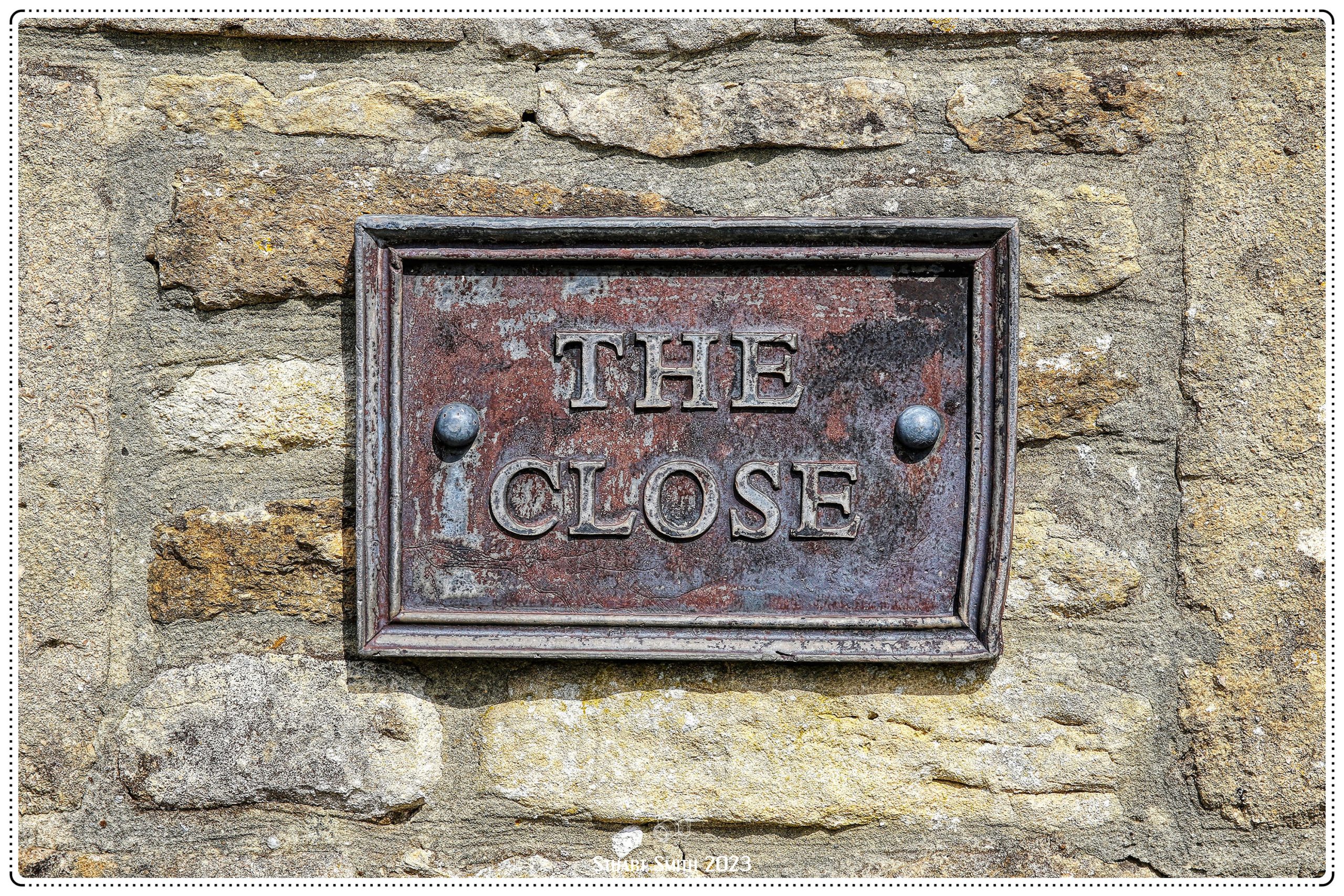
The Close, The Green, Biddestone, Chippenham, Wiltshire, England UK

A Grade II Listed Building dating from the 1700s and largely reconstructed in 1924.


Elm Farm House, The Green, Biddestone, Chippenham, Wiltshire, England UK

A Grade II listed building – Farmhouse, now two houses, late C17 and early C18, much rebuilt c1975.


Street Sign, Church Road, Biddestone, Chippenham, Wiltshire, England UK


Village Water Pump, Church Road, Biddestone, Chippenham, Wiltshire, England UK


Church of St Nicholas, St Nicholas Circle, Biddestone, Chippenham, Wiltshire, England UK

Church. c880 AD, possibly then cathedral, reputed to be on site of a Roman temple, and incorporating much Roman masonry and brickwork. C11, C12, C16, altered 1829-30,1875-6 and 1888-9, restored 1904-5.


Roadside Stone Wall, The Butts, Biddestone, Chippenham, Wiltshire, England UK

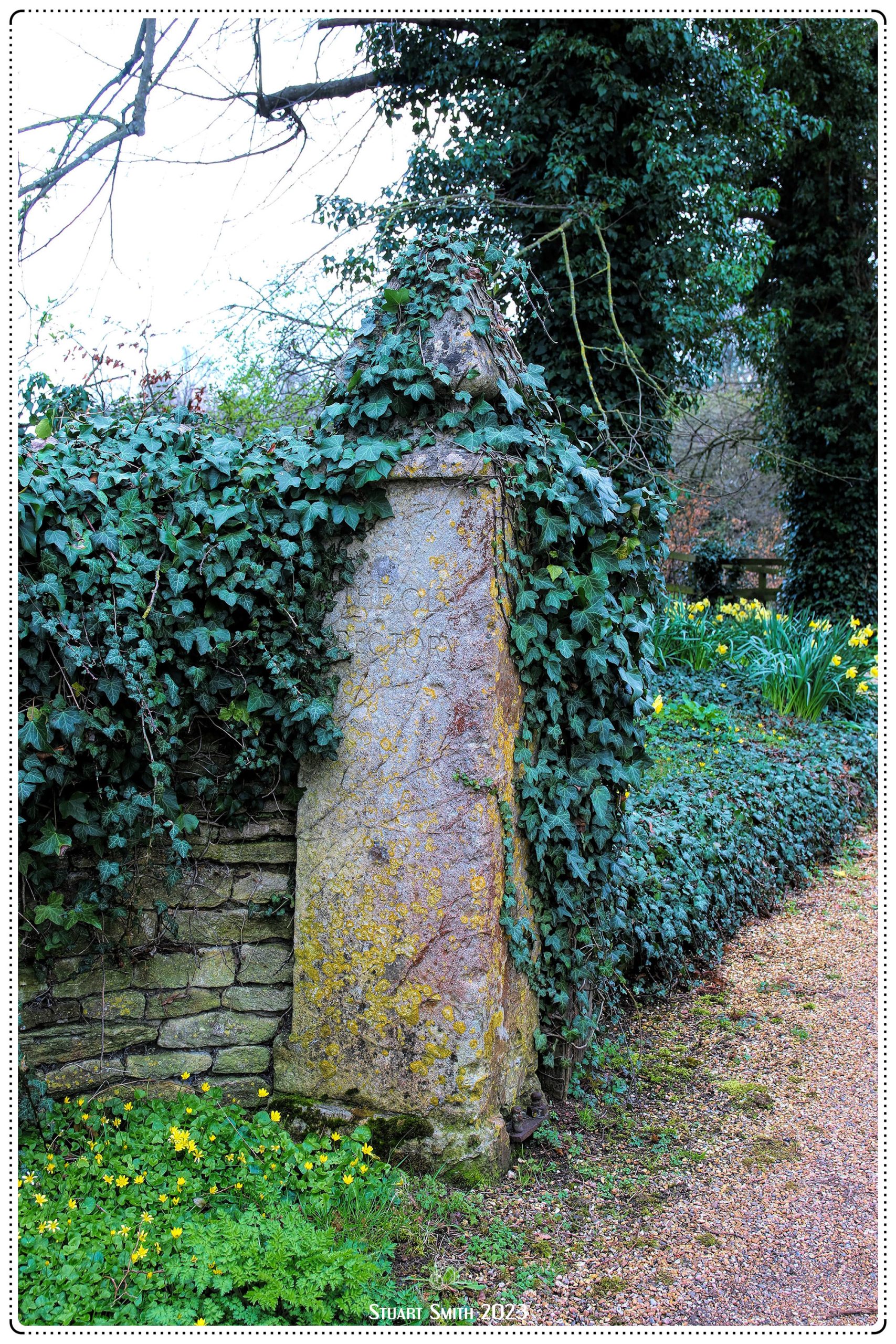
Gatepost, The Old Rectory, The Butts, Biddestone, Chippenham, Wiltshire, England UK

The carving of the name is still visible in the stonework


Driveway, The Old Rectory, The Butts, Biddestone, Chippenham, Wiltshire, England UK


Bricked Up Doorways, Biddestone, Chippenham, Wiltshire, England UK


Cuttle Lane, Biddestone, Chippenham, Wiltshire, England UK


A Private Lane, Biddestone, Chippenham, Wiltshire, England UK

Access to:-
The Little House
Paddock House
Meadowside
Greenacre
Stable Cottage
Newstone House

See Street View Here!


Willowbrook, Cnr Harts Lane & The Green, Biddestone, Chippenham, Wiltshire, England UK


Gable Cottage (L) & Hawthorne Cottage (R), The Green, Biddestone, Chippenham, Wiltshire, England UK
Both are Grade II Listed Buildings


Twitten Bend, Cross Keys Road, Biddestone, Chippenham, Wiltshire, England UK

Grade II Listed Building from late 17th / early 18th century.


Laneway, Cross Keys Road, Biddestone, Chippenham, WIltshire, England UK


Heritage Residence, Cross Keys Road, Biddestone, Chippenham, Wiltshire, England UK


Door, Wickham Cottage, Cross Keys Road, Biddestone, Chippenham, Wilstshire, England UK

A Grade II Listed Building early 18th century


Door, The Malthouse, Cross Keys Road, Biddestone, Chippenham, Wilstshire, England UK

A Grade II Listed Building early 18th century that was a malthouse in the 19th century


Local Resident, Lowebourne, Melksham, Wiltshire, England UK


ENGLAND 2023 – VI – The Cotswolds (II)

While in the magnificent Cotswolds, I paid a visit to the old Roman town of Cirencester.


“Llewelyn-Bowen” – Old Police Station & Courts, 2 Park Lane, Cirencester, Gloucestershire, England UK

Laurence Llewelyn-Bowen is a noted interior designer and British TV personality

Website

Wikipedia


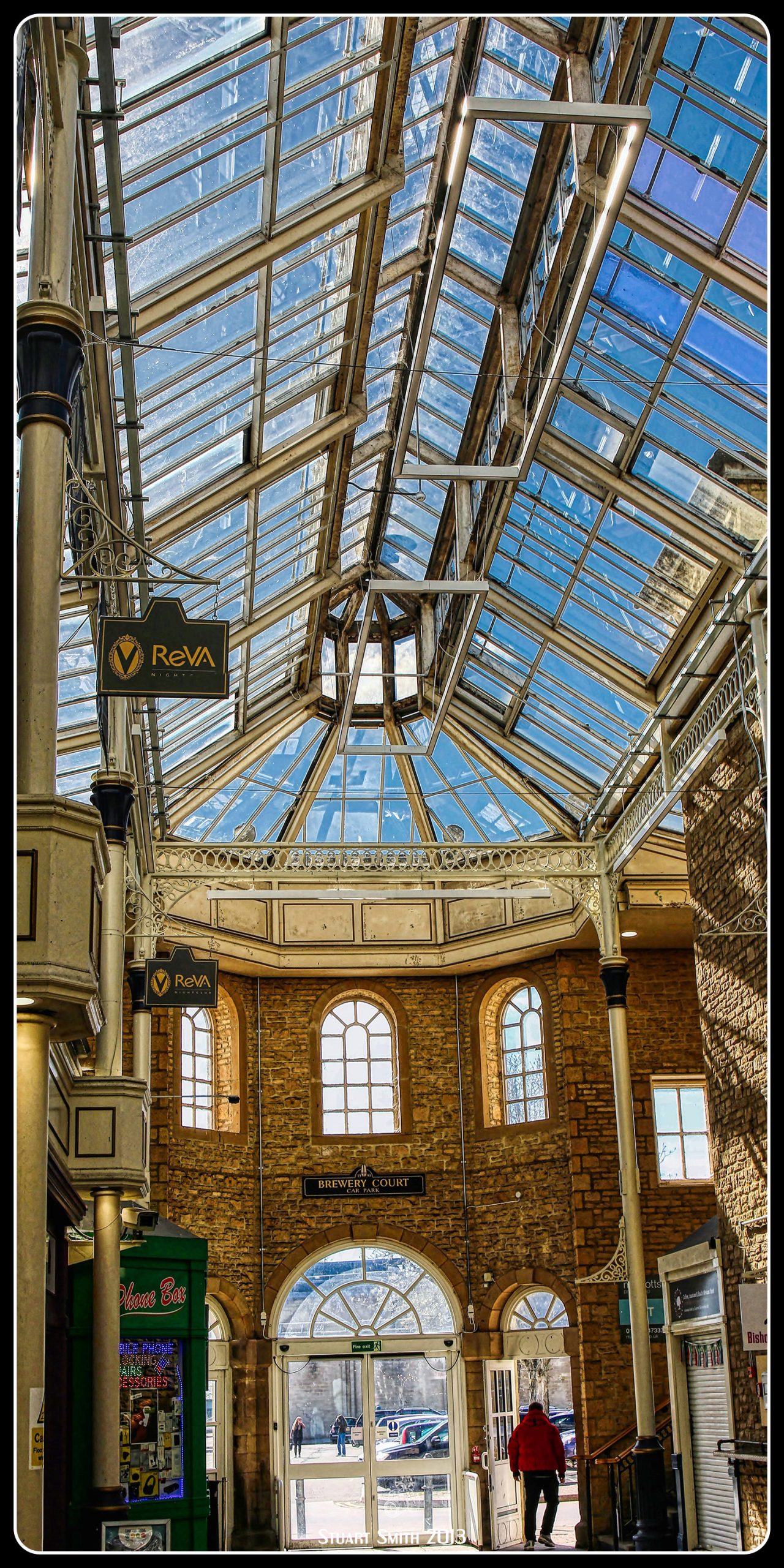
Bishops Walk Arcade, Cricklade Street, Cirencester, Gloucestershire, England UK


Church of St. John the Baptist, Market Place, Cirencester, Gloucestershire, England UK

The church is a Grade I Listed Building and originates from the 12th century


View to Church of St. John the Baptist, Cotswold Avenue, Cirencester, Gloucestershire, England UK


Toro Lounge, Cricklade Street, Cirencester, Gloucestershire, England UK


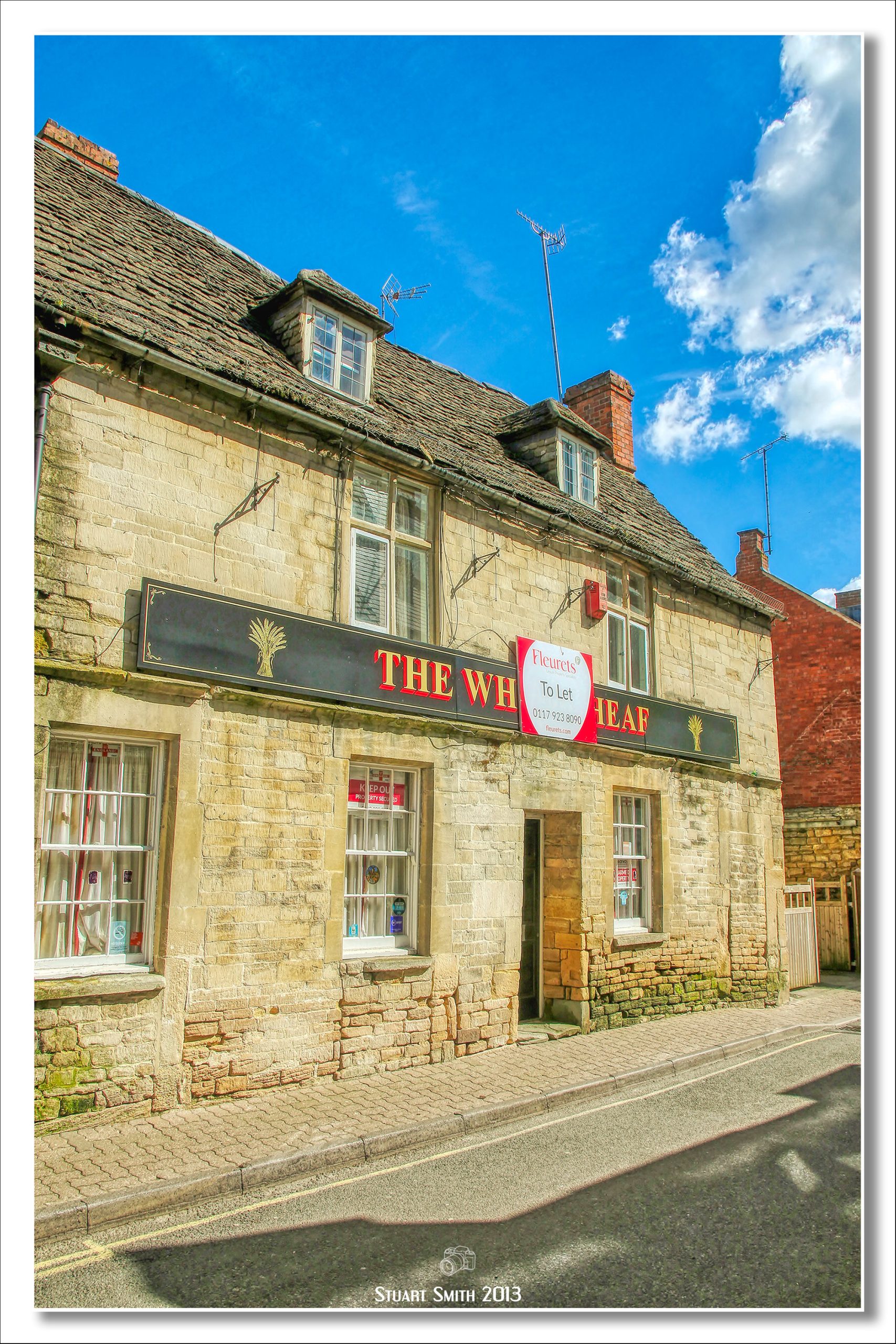
The Wheatsheaf, Cricklade Street, Cirencester, Gloucestershire, England UK

Just one of many, many pubs that has closed since COVID!


The Old Post Office, Castle Street, Cirencester, Gloucestshire, England UK


The Old Museum, Tetbury Road, Cirencester, Gloucestershire, England UK

Some interesting history of this building.


The Marlborough Arms, Sheep Street, Cirencester, Gloucestershire, England UK

This has been a pub since at least the 1850s and has stories of haunting.


The Mad Hatter Wine Bar, Castle Street, Cirencester, Gloucestershire, England UK


The Crown, West Market Place, Cirencester, Gloucestershire, England UK


The Black Horse, Castle Street, Cirencester, Gloucestershire, England UK


Thai Emerald Restaurant, Castle Street, Cirencester, Gloucestershire, England UK


Somewhere Else Eating & Drinking House, Castle Street, Cirencester, Gloucestershire, England UK


Silver Street, Cirencester, Gloucestershire, England UK


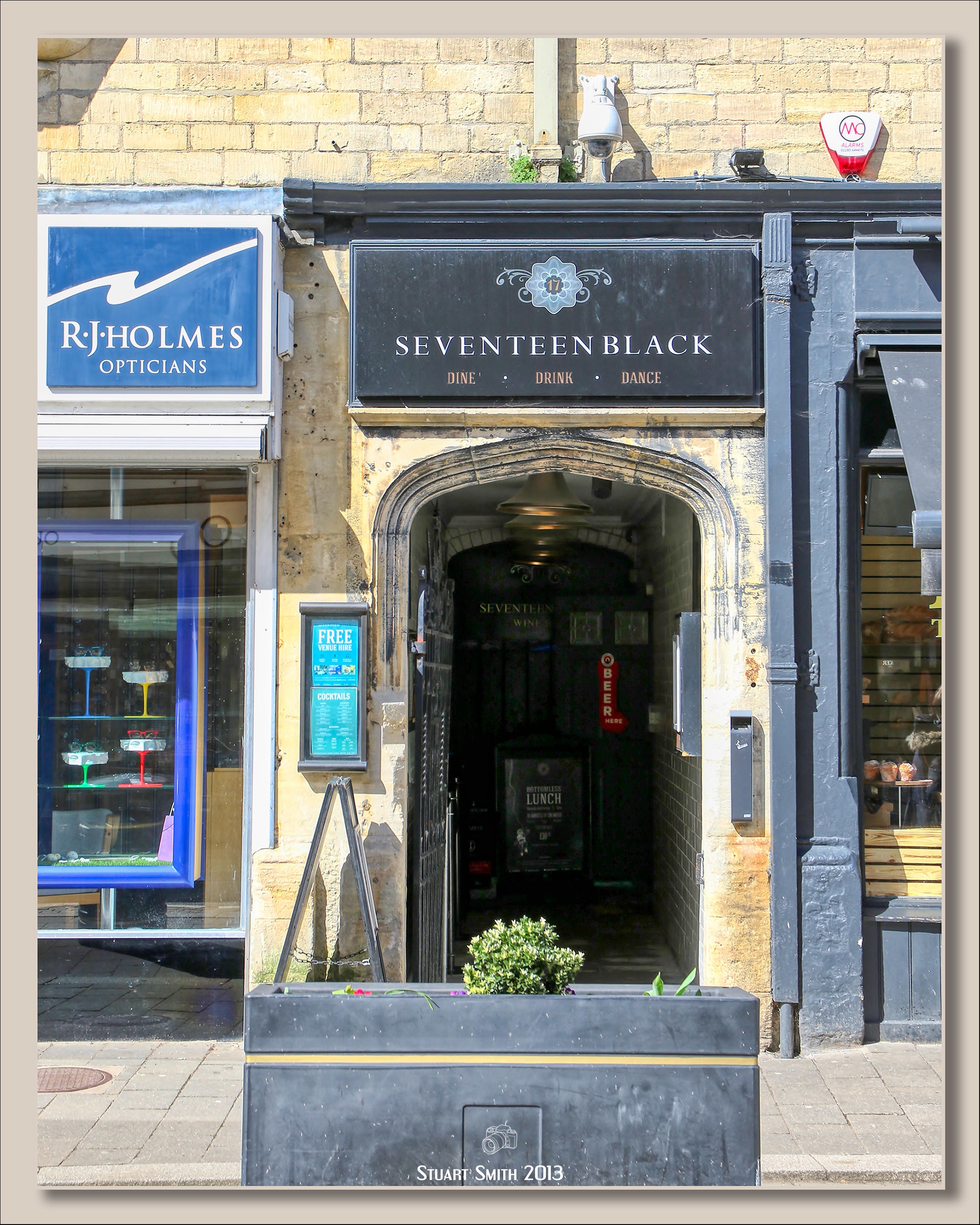
Seventeen Black Wine Bar, Castle Street, Cirencester, Gloucestershire, England UK


Residences, Ashcroft Road, Cirencester, Gloucestershire, England UK


Private Gate to Abbey House, Gosditch Street, Cirencester, Gloucestershire, England UK


Porters Pub & Kitchen, Castle Street, Cirencester, Gloucestershire, England UK


Osborne House, Cotswold Avenue, Cirencester, Gloucestershire, England UK


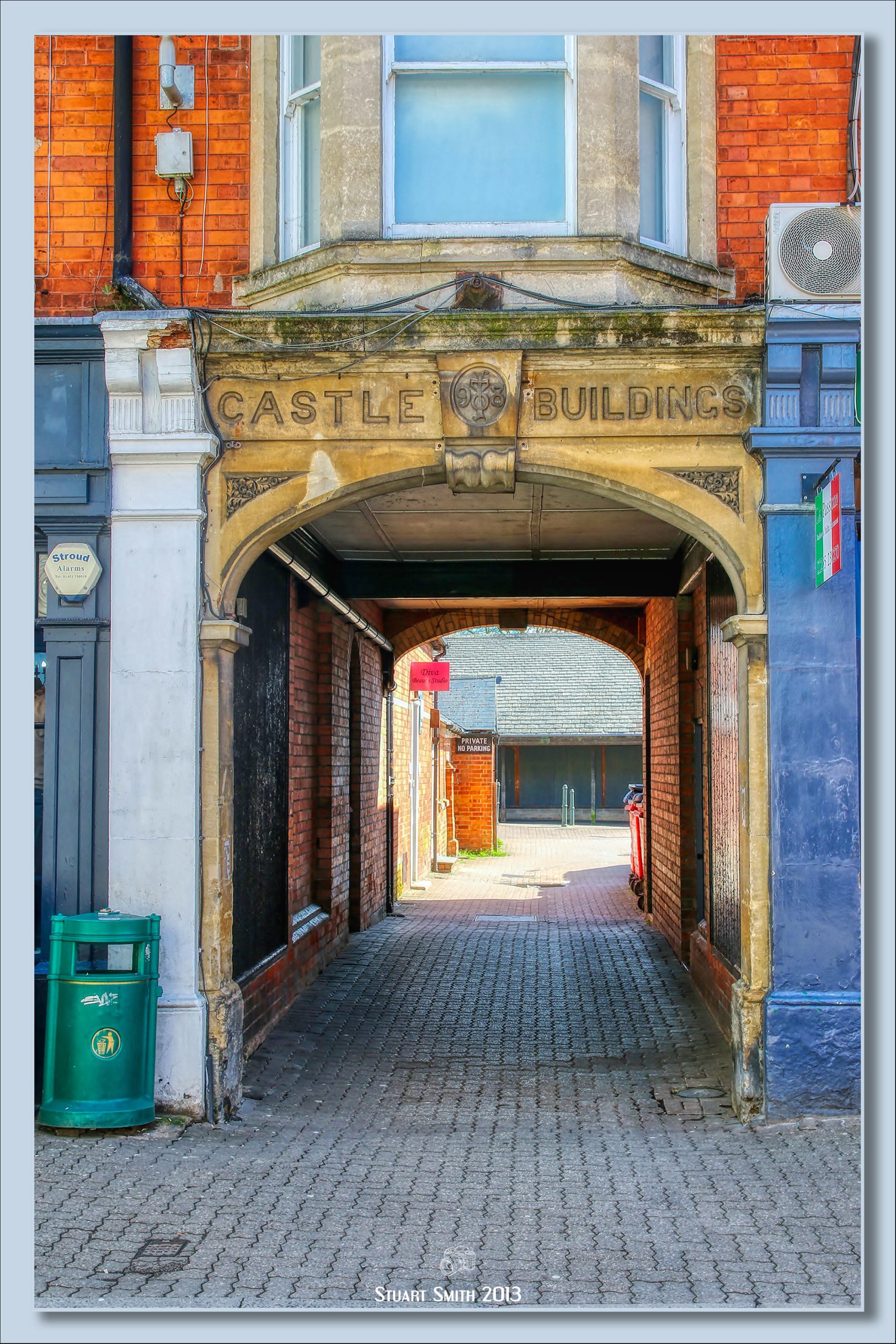
Old Pedestrian Accessway, Castle Buildings, Castle Street, Cirencester, Gloucestershire, England UK


Dollar Ward House” – Old Georgian Residence, Gosditch Street, Cirencester, Gloucestershire, England UK


Market Place, Cirencester, Gloucestshire, England UK


Laneway, Market Place, Cirencester, Gloucestershire, England UK


Heritage Building, 38 Castle Street, Cirencester, Gloucestershire, England UK


Halifax Bank, Cricklade Street, Cirencester, Gloucestershire, England UK


Guard Dogs, The Painted Furniture Company, Gosditch Street, Cirencester, Gloucestershire, England UK


Grade II Listed Building, 6 & 8 Gosditch Street, Cirencester, Gloucestershire, England UK


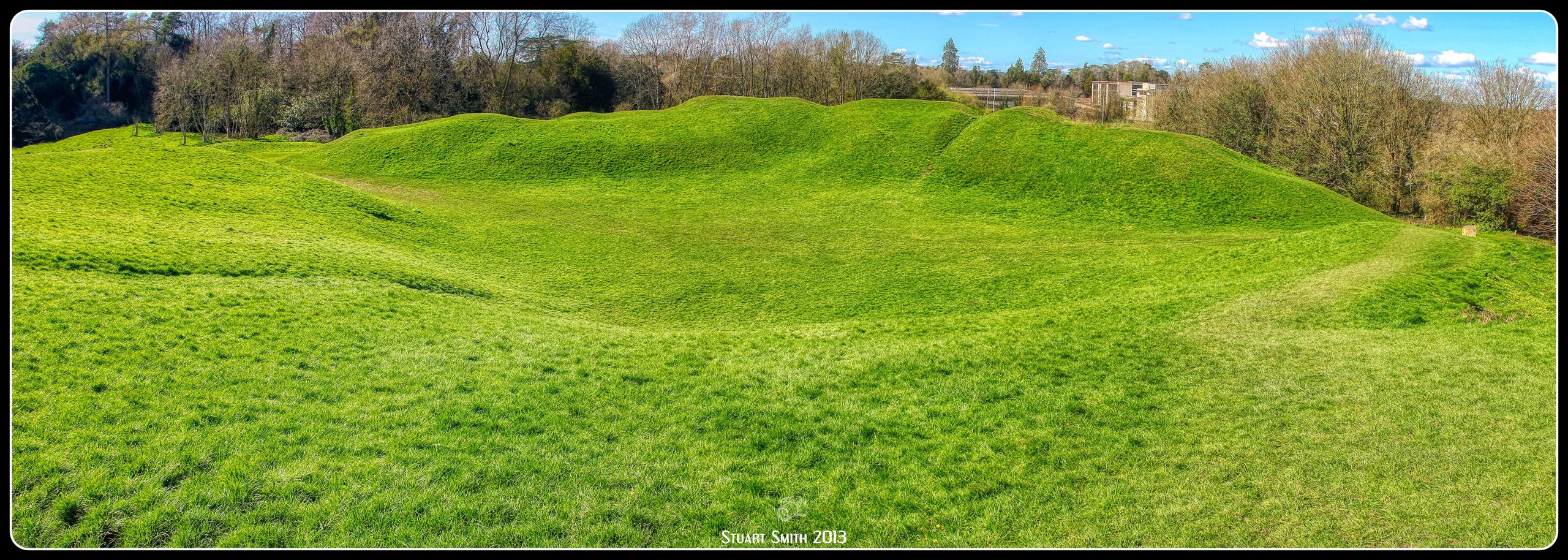
Earthwork Remains of Site of Roman Amphitheatre, Cotswold Avenue, Cirencester, Gloucestershire, England UK

Built in the early 2nd Century, was one of the largest Roman amphitheatres in Britain.


Doorway, Former Capital and Counties Bank, 15 Gosditch Street, Cirencester, Gloucestershire, England UK


Doorway, 8 & 10 Castle Street, Cirencester, Gloucestershire, England UK


WH Smith & Son, Castle Street, Cirencester, Gloucestershire, England UK


ENGLAND 2023 – V – The Cotswolds

From London we headed to The Cotswolds where we spend a few days.


Worcester Lodge, Didmarton, Gloucestershire, England UK


Hare & Hounds, Bath Road, Tetbury, Gloucestershire, England UK


Tetbury Market House (aka Tetbury Town Hall, Tetbury, Gloucestershire, England UK

Built in 1655 and is a Grade 1 Listed Building.


Chanrty Court, Gumstool Hill, Tetbury, Gloucestershire, England UK


Vintage Cars, Tetbury, Gloucestershire, England UK


The Snooty Fox, Market Place, Tetbury, Gloucestershire, England UK


St Mary the Virgin Church, Church Street, Tetbury, Gloucestershire, England UK


Old Brewery Lane, Church Street, Tetbury, Gloucestershire, England UK


Old Door, Henrietta’s House, Church Street, Tetbury, Gloucestershire, England UK


Bay Gallery, Church Street, Tetbury, Gloucestershire, England UK


The Close Hotel, Long Street, Tetbury, Gloucestershire, England UK

16th-century manor house, built for a gentleman farmer, became a hotel in the 1970s.


The Ormond, Long Street, Tetbury, Gloucestershire, England UK


Old Door, Cambridge House, Long Street, Tetbury, Gloucestershire, England UK

STREET VIEW -Google


Door, Oxford House, Long Street, Tetbury, Gloucestershire, England UK

STREET VIEW -Google


Former Police Station and Courts, Long Street, Tetbury, Gloucestershire, England UK

Now Tetbury Council Offices and Police Museum – built 1884-1885


Door, 7 London Road, Tetbury, Gloucestershire, England UK

STREET VIEW -Google


Emma Leschallas Antiques, 48 Long Street, Tetbury, Gloucestershire, England UK


Entrance, Josephine Ryan Antiques, 44 Long Street, Tetbury, Gloucestershire, England UK,


Crest Above Door, 25 Long Street, Tetbury, Gloucestershire, England UK

STREET VIEW -Google — George Wickes 1694


Entrance Hall, The Snooty Fox, Market Place, Tetbury, Gloucestershire, England UK


The Crown Inn, Old Coach Yard, Tetbury, Gloucestershire, England UK

Sadly this pub is now permanently closed.


The Old Coach Yard, Tetbury, Gloucestershire, England UK


Old Door, Gumstool Hill, Tetbury, Gloucestershire, England UK


Door Knocker, 18 Market Place, Tetbury, Gloucestershire, England UK


Doorway, Deron House, 20 Market Place, Tetbury, Gloucestershire, England UK


Street Sign, Chipping Street, Tetbury, Gloucestershire, England UK


ENGLAND 2023 – IV

Lunch at the wonderfully historic Waggon & Horses Pub in Marlborough then a visit to the Avebury Henge and Stone Circles (See previous post)


Waggon and Horses, Beckhampton, Marlborough, Wiltshire, England UK

Originally a 17th-century house, two storeys in stone with a thatched roof, is now the Waggon and Horses pub; additions in the late 19th century and early 20th are described as picturesque by Historic England.


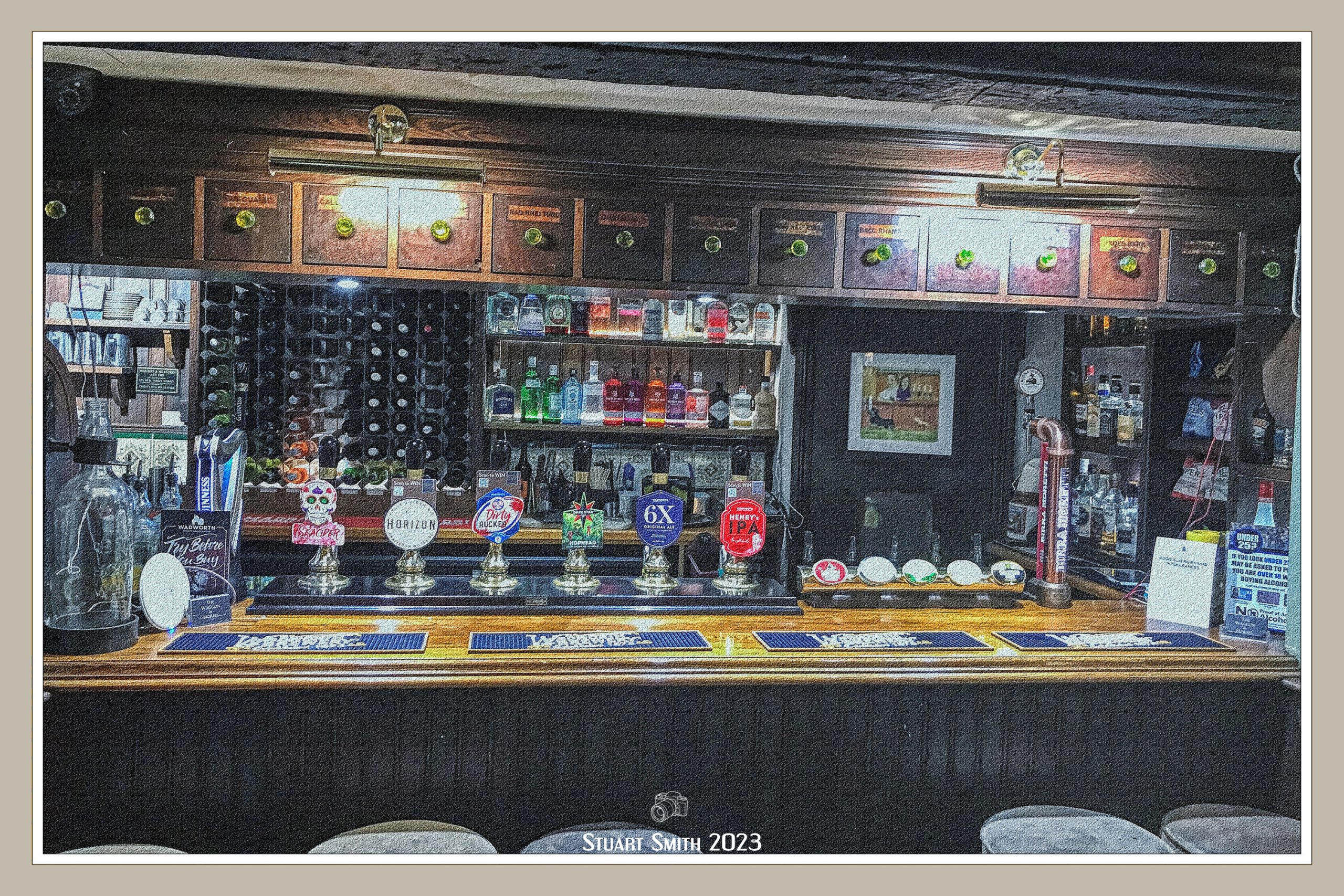
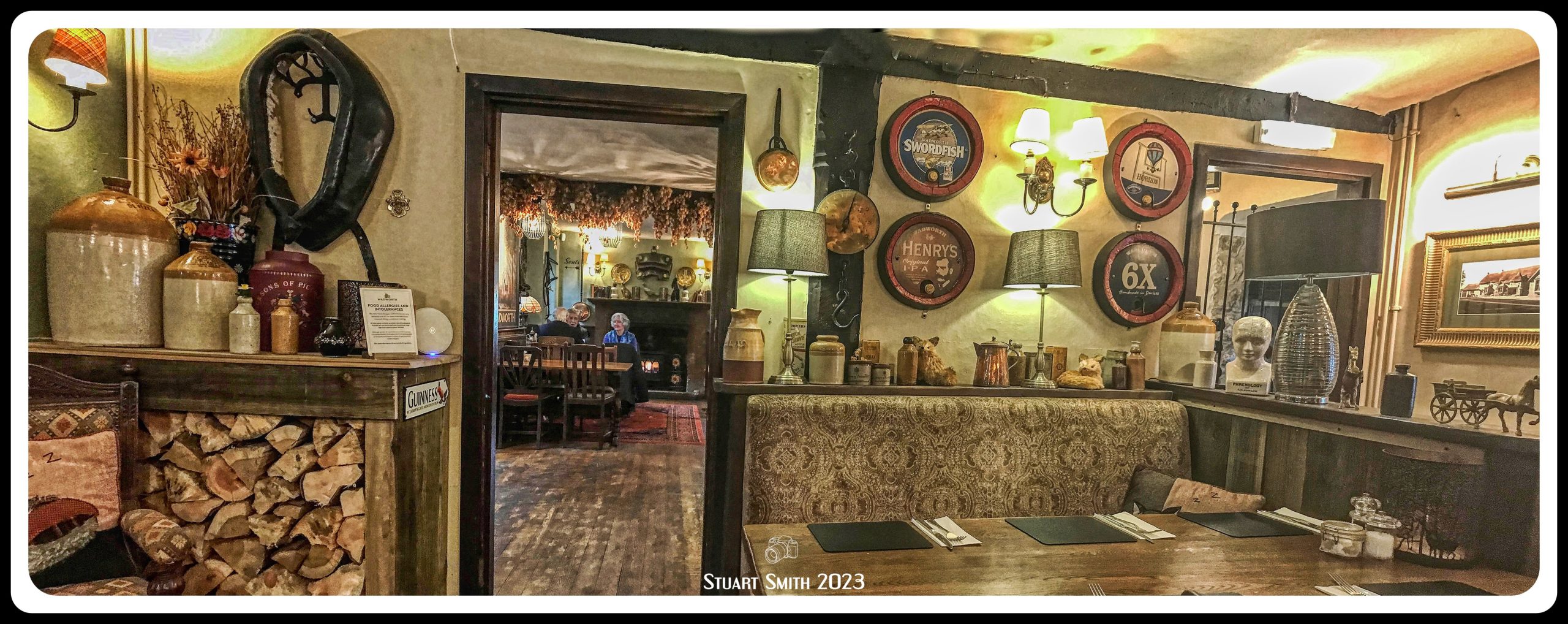
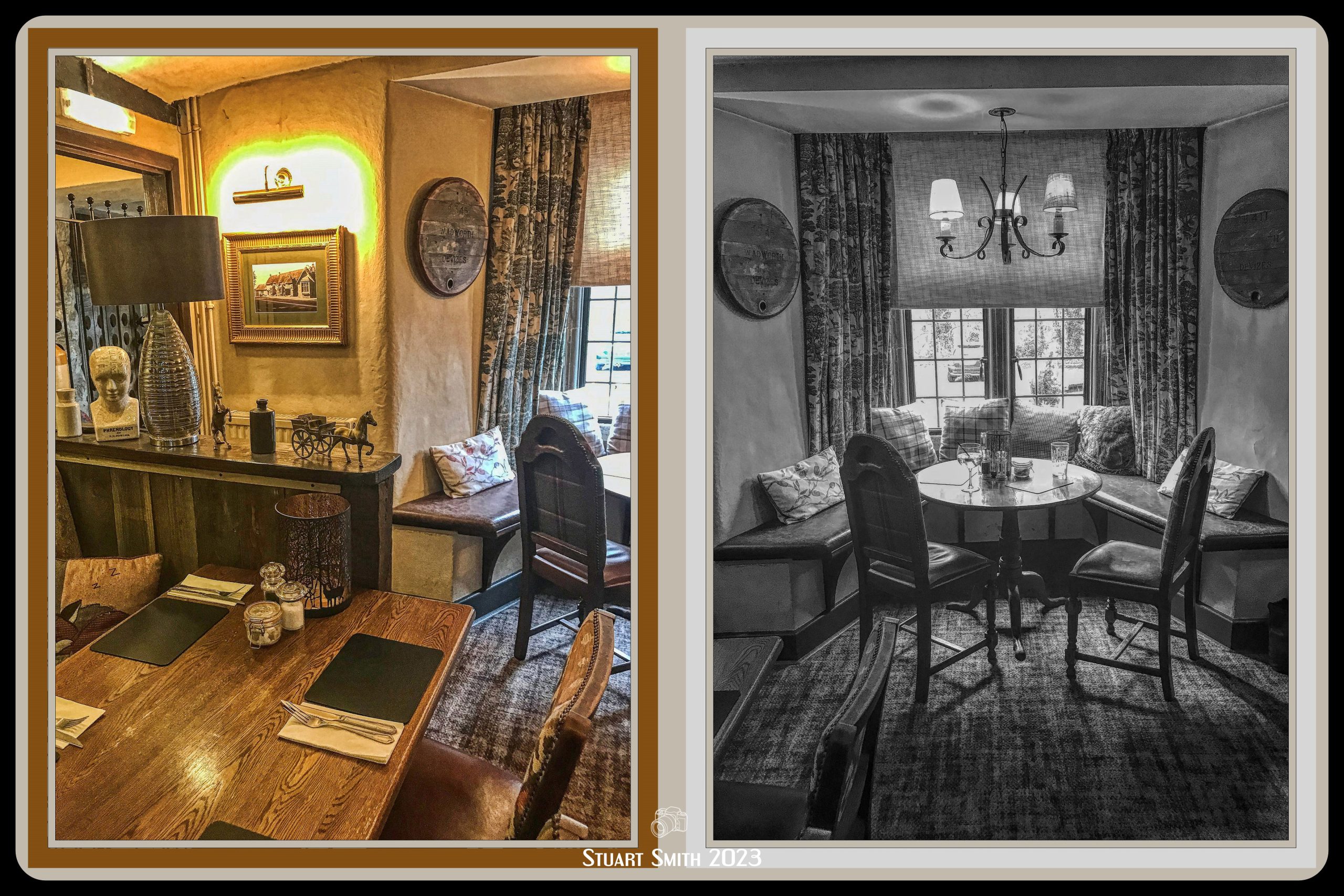
Inside the Waggon and Horses


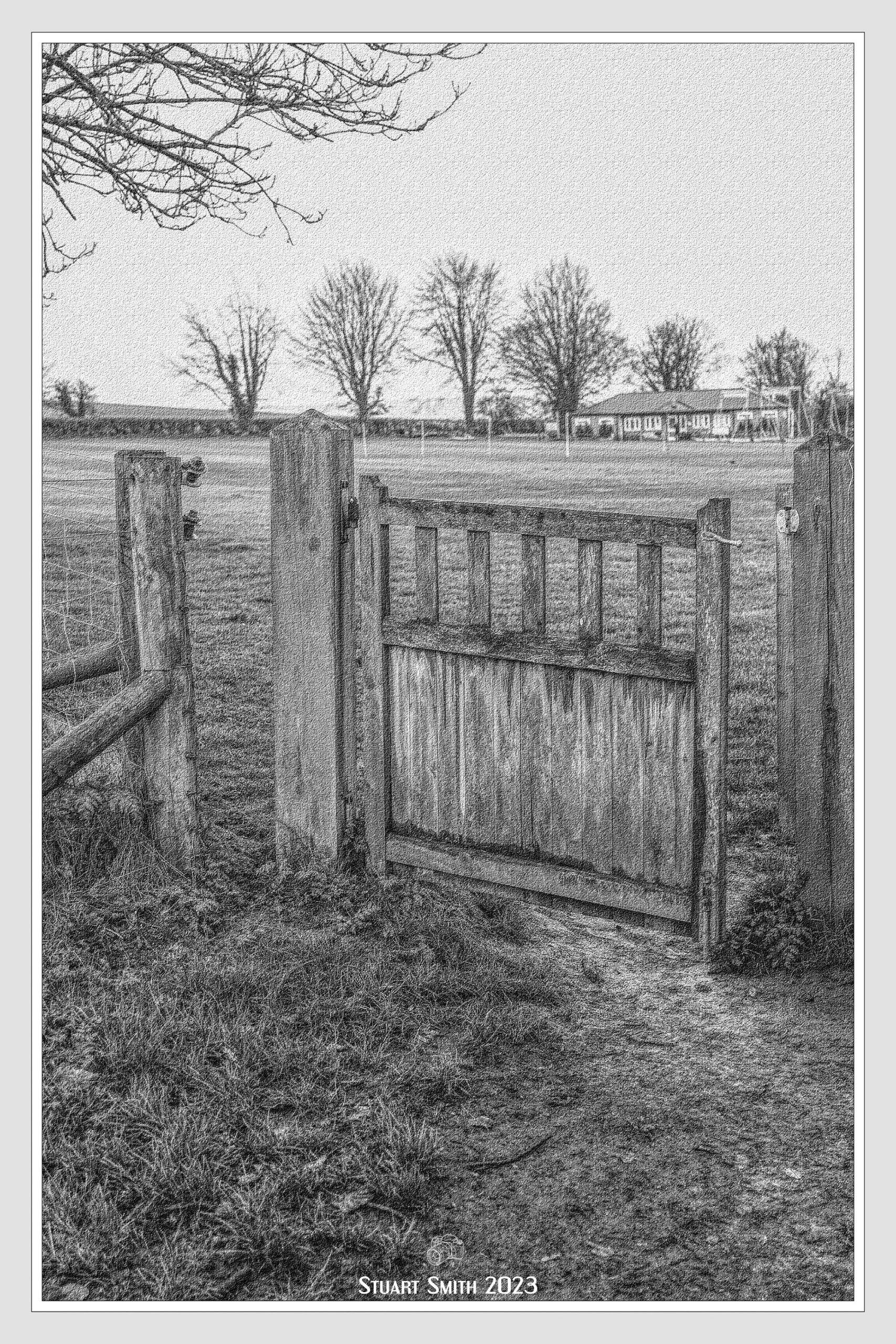
Field Gates on Pathway to Avebury Henge & Stone Circles, Avebury, Marlborough, Wiltshire, England UK


Pathway to Avebury Henge & Stone Circles, Avebury, Marlborough, Wiltshire, England UK


Old Shed, Pathway to Avebury Henge & Stone Circles, Avebury, Marlborough, Wiltshire, England UK


Raindrops, Avebury Henge & Stone Circles, Avebury, Marlborough, Wiltshire, England UK


Back Yard Garden GateYard Gate, Pathway to Avebury Henge & Stone Circles, Avebury, Marlborough, Wiltshire, England UK


ENGLAND 2023 – III

On our way to the Cotswolds, we passed the famous neolithic sites of Silbury Hill and the Avebury Henge and Stone Circles


Silbury Hill, A4, West Kennet, Marlborough, Wiltshire, England UK

Composed mainly of chalk and clay excavated from the surrounding area, the mound stands 40 metres (131 ft) high and covers about 2 hectares (5 acres). The hill was constructed in several stages between c.2400–2300 BC and displays immense technical skill and prolonged control over labour and resources. Archaeologists calculate that it took 18 million person-hours, equivalent to 500 people working for 15 years to deposit and shape 248,000 cubic metres (324,000 cu yd) of earth and fill. Euan Mackie, a British archaeologist and anthropologist, asserts that no simple late Neolithic tribal structure as usually imagined could have sustained this and similar projects, and envisages an authoritarian theocratic power elite with broad-ranging control across southern Britain.


Avebury Henge & Stone Circles, Avebury, Marlborough, Wiltshire, England UK

Built and much altered during the Neolithic period, roughly between 2850 BC and 2200 BC, the henge survives as a huge circular bank and ditch, encircling an area that includes part of Avebury village. Within the henge is the largest stone circle in Britain – originally of about 100 stones – which in turn encloses two smaller stone circles.

Avebury is part of an extraordinary set of Neolithic and Bronze Age ceremonial sites that seemingly formed a vast sacred landscape. They include West Kennet Avenue, West Kennet Long Barrow, The Sanctuary, Windmill Hill, and the mysterious Silbury Hill.