ENGLAND 2023 – II

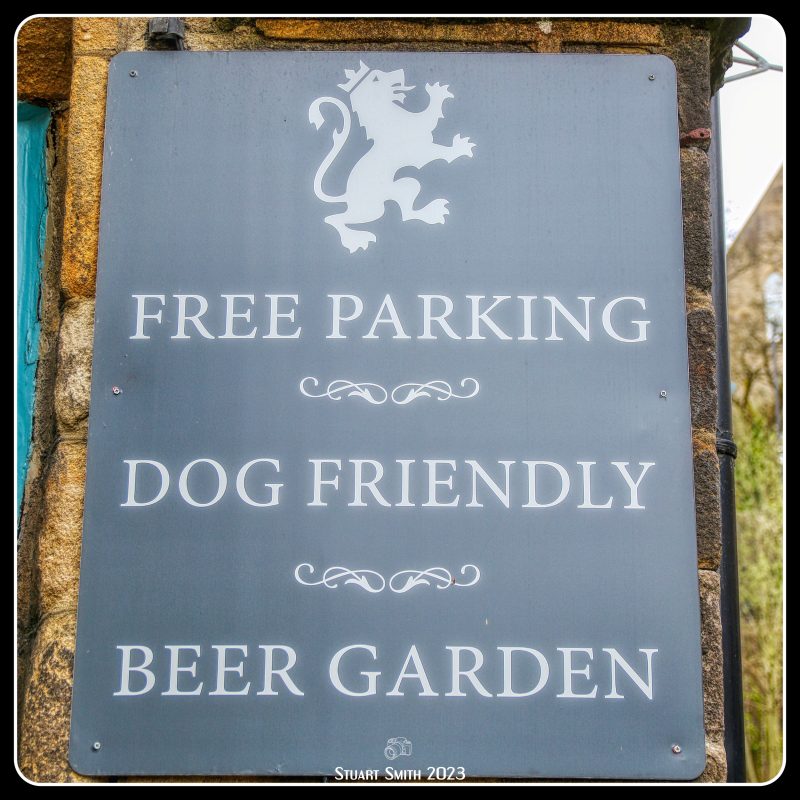
Signs and Posters of some of the many pubs and bars seen during the drive around UK. Sadly, I did not get experience the atmosphere in each and every one.


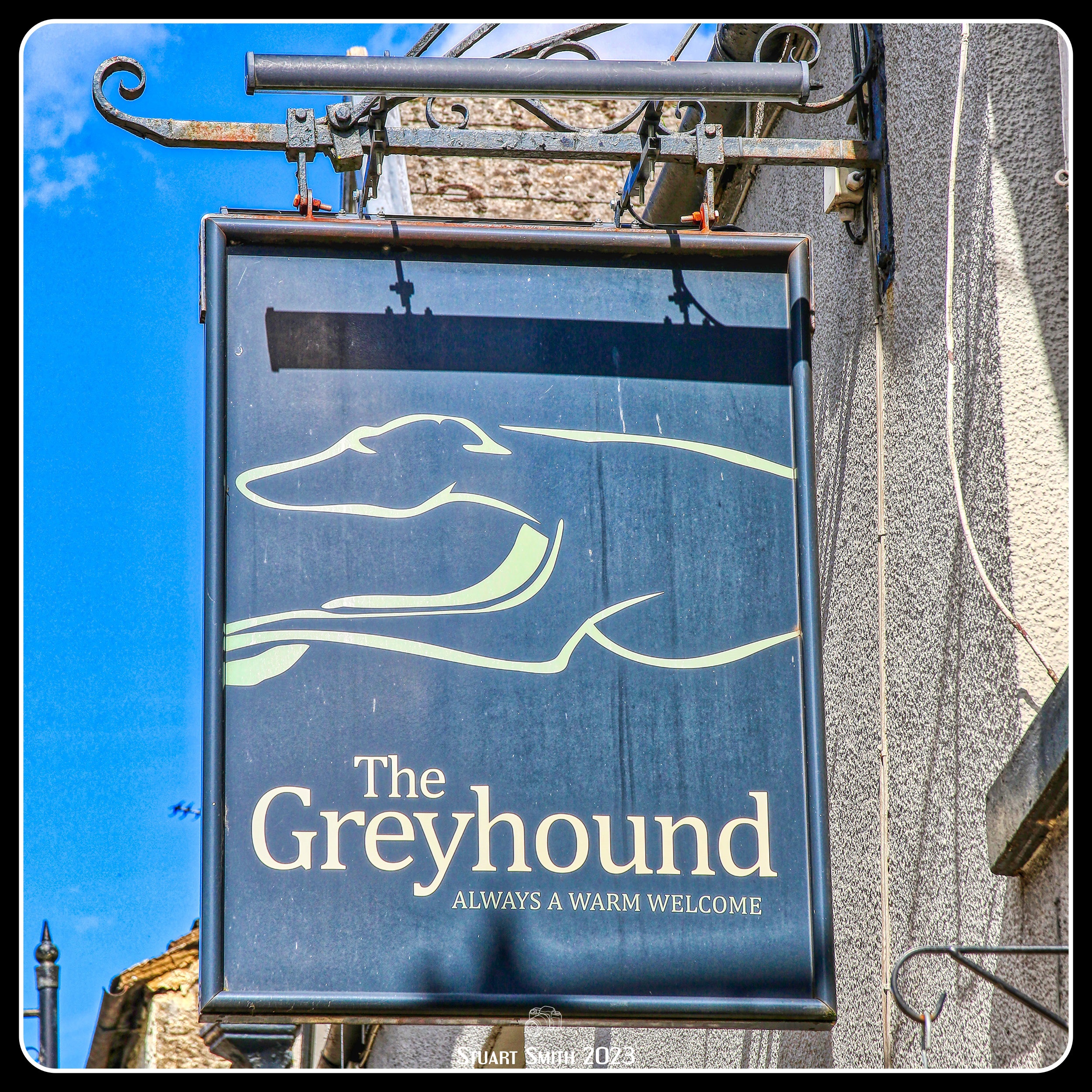
The Greyhound, Hampton Street, Tetbury, Gloucestershire, England UK


The Snooty Fox, Market Place, Tetbury, Gloucestershire, England UK


West Country Ales, The Crown, Gumstool Hill, Tetbury, Gloucestershire, England UK


The Crown, Gumstool Hill, Tetbury, Gloucestershire, England UK


WH Smith & Son, Castle Street, Cirencester, Gloucestershire, England UK

Not a pub but a great hanging sign…
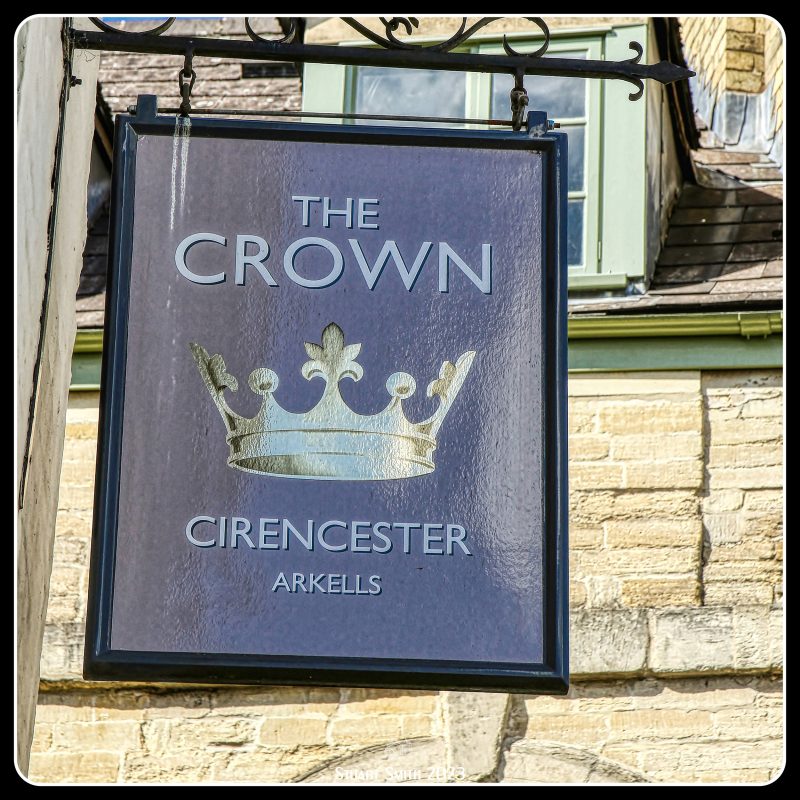

The Crown, West Market Place, Cirencester, Gloucestershire, England UK


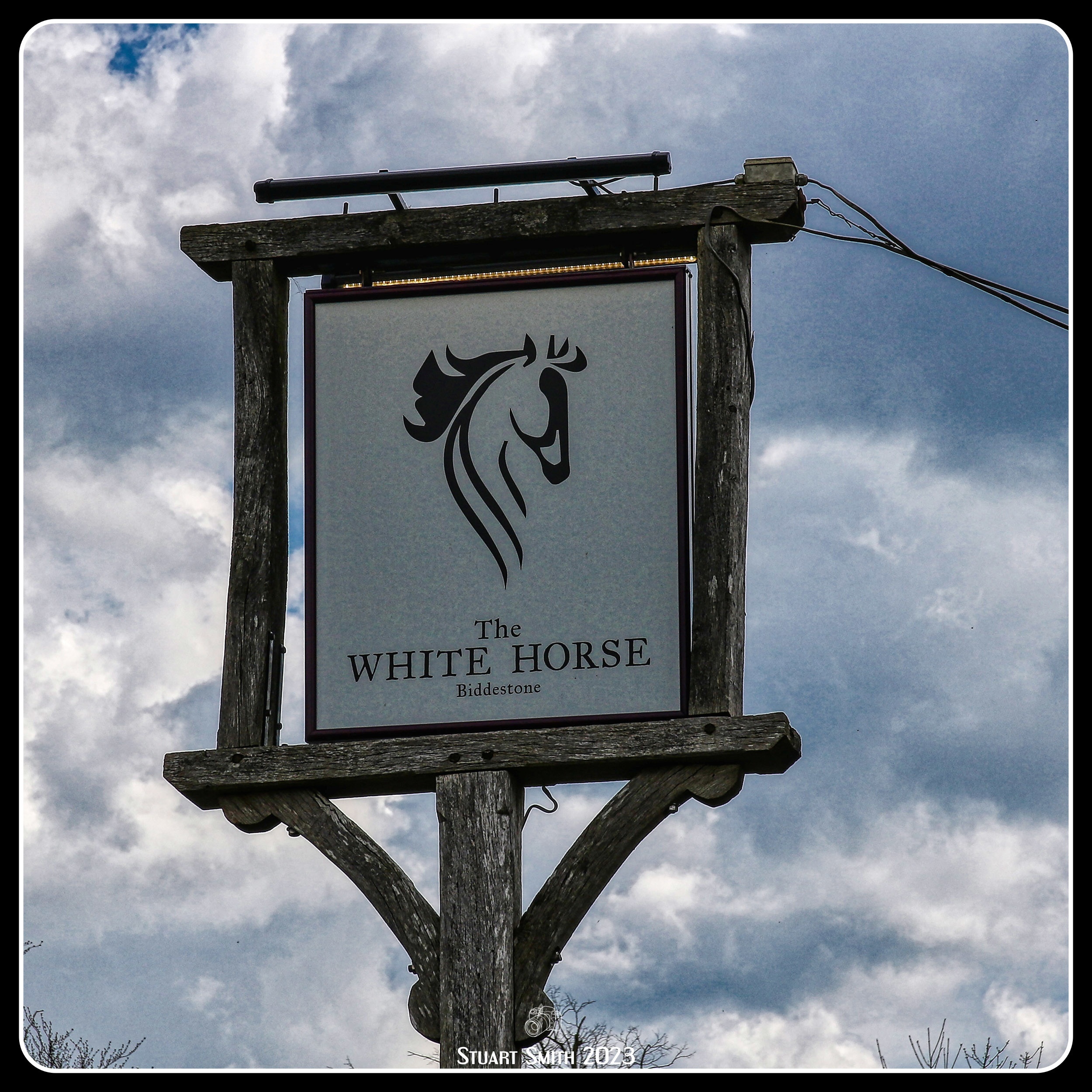
The White Horse, Cross Keys Road, Biddestone, Gloucestershire, England UK


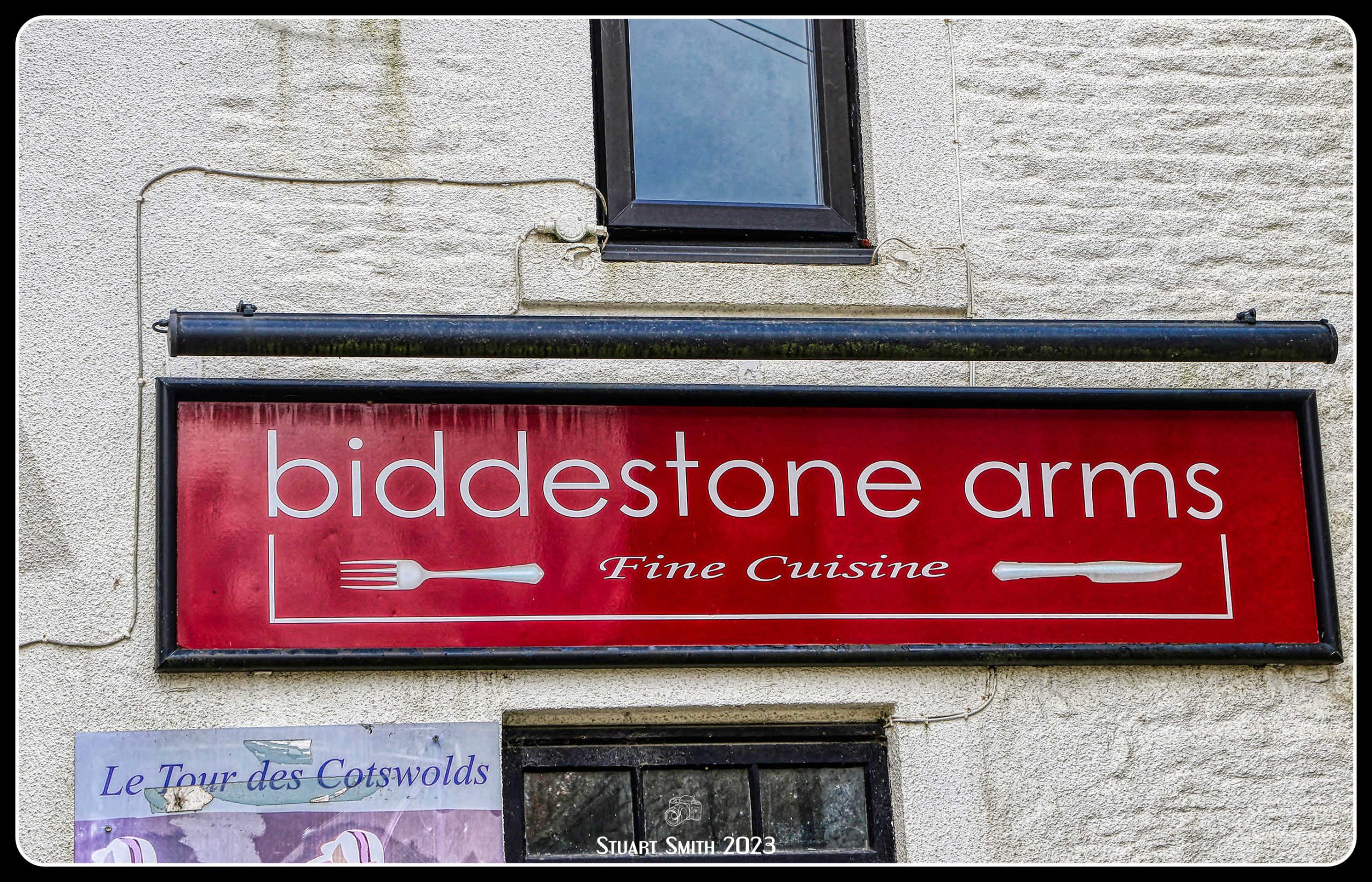
Biddestone Arms, Cross Keys Road, Biddestone, Gloucestershire, England UK


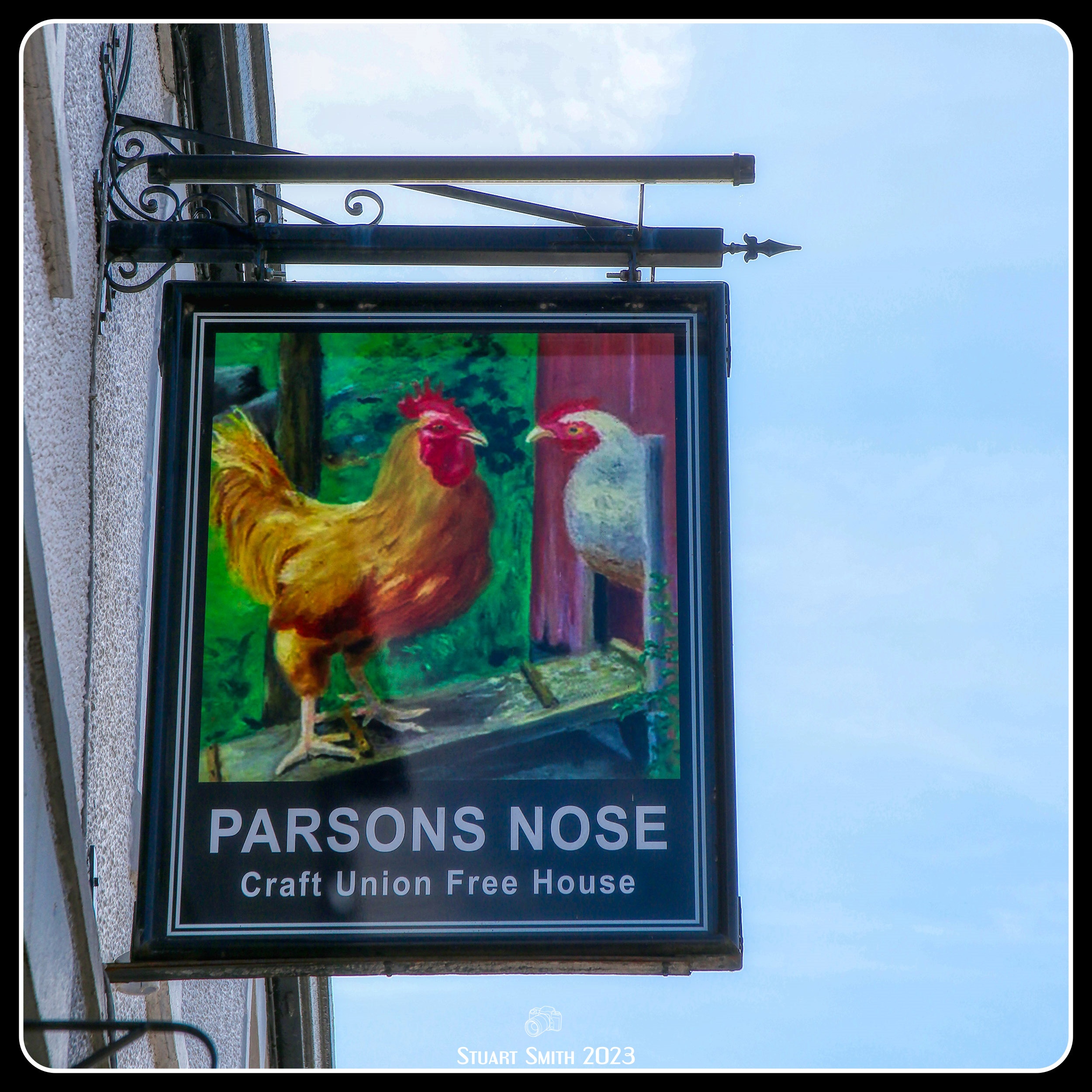
Parsons Nose, High Street, Melksham, Gloucestershire, England UK


The Old Bell Hotel, Abbey Row, Malmesbury, Wiltshire, England UK


The Kings Arms, High Street, Malmesbury, Wiltshire, England UK


The Smoking Dog, High Street, Malmesbury, Wiltshire, England UK
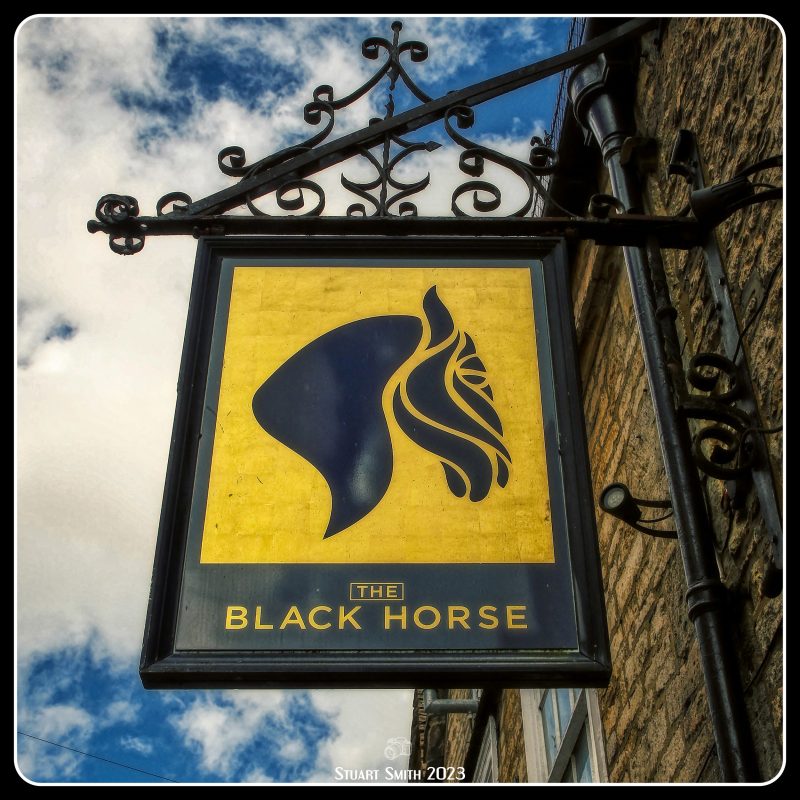

The Black Horse, Castle Street, Cirencester, Gloucestershire, England UK


The Crown, Black Jack Street, Cirencester, Gloucestershire, England UK


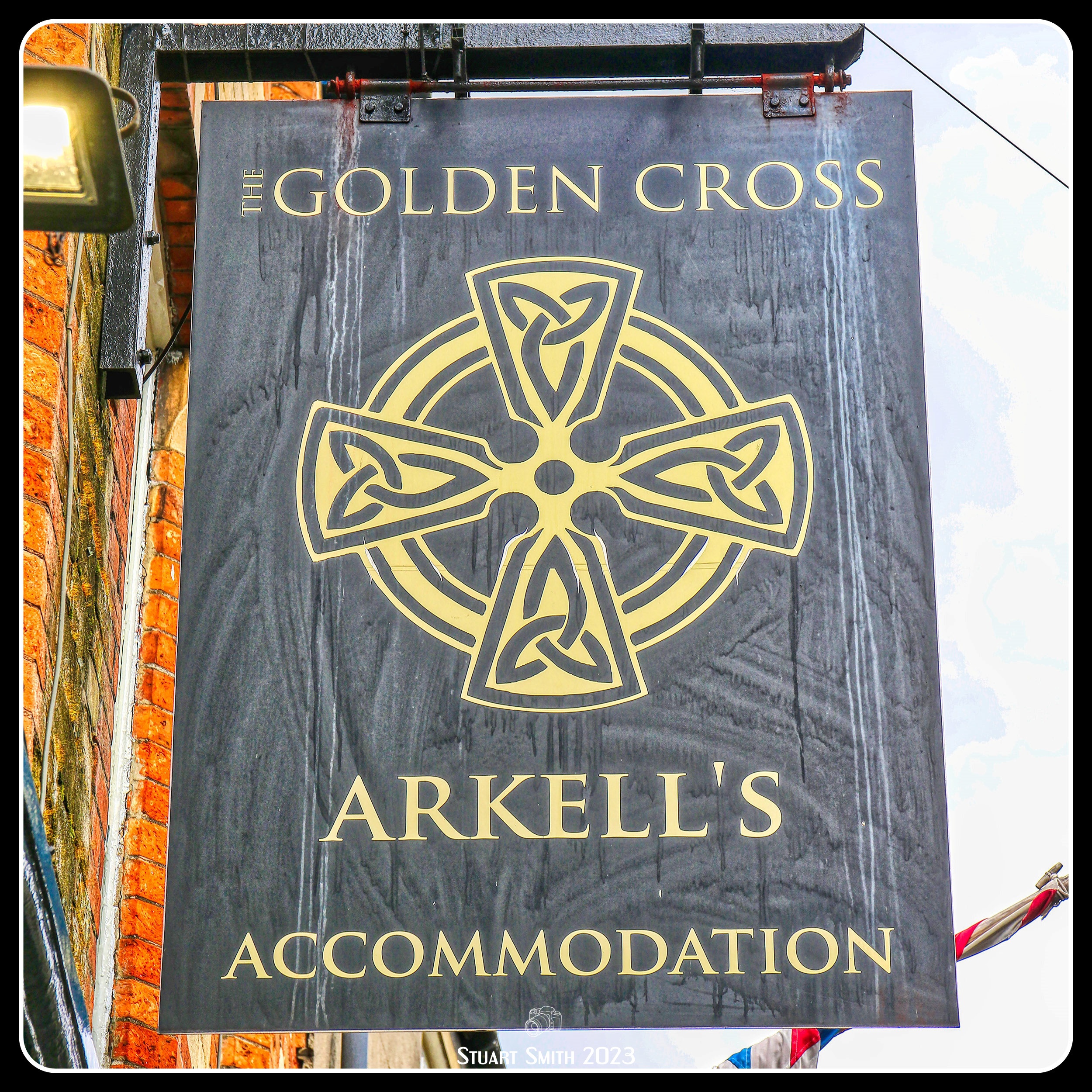
The Golden Cross, Black Jack Street, Cirencester, Gloucestershire, England UK


The Marlborough Arms, Sheep Street, Cirencester, Gloucestshire, England UK


The Royal British Legion, Market Street, Hay-on-Wye, Powys, Wales UK


The Black Boy (Buoy) Inn, Stryd Pedwar a Chwech, Caernarfon, Gwynedd, Wales UK

Prior to 1828, the pub was known as the ‘Black Boy’. Though still referred to by its traditional name, it was officially altered to the ‘King’s Arms’ and, later, the ‘Fleur de Lys’, until a change of ownership led to the restoration of the old name and the creation of the “Black Boy Inn” as it is today. The Inn signs each show a ‘black buoy’ on one side and a ‘black boy’ on the other.

The Inn’s name has caused controversy and there are at least three theories to explain its name. One is believed to come from a ‘black buoy’ which existed in the harbour in the early days of the Inn. Another refers to the nickname given to Charles II by his mother Henrietta Maria of France because of the darkness of his skin and eyes, as well as the fact that Royalists met at the Inn secretly at that time. Later, the place became the local fishermen’s favourite drinking place and the name of ‘black boy’ may come from this period.

In Caernarfon’s heyday as a port-town, Northgate Street – on which the Black Boy Inn is situated – was the heart of the red-light district. Northgate Street’s Welsh name Stryd Pedwar a Chwech translates to “Four [shillings] and Six [pence] Street”: what the sailors are reputed to have paid for a room, a bottle of gin, and the services of a woman for the night.

The ‘North Gate’ archway found at the end of Northgate Street was added in or about the 1820s. It was designed to help facilitate the flow of traffic in and out of the old town, and is not part of the original town wall design. Prior to the ‘North Gate’ archway, a census carried out in 1794 revealed this street was commonly referred to as ‘Black Boy’ street. The earliest reference to the “Black Boy” can be found in Caernarfon’s archives dated 1717, a Deed of Sale of a house in “Street Y Black Boy” between Thomas Wynne, Glynllifon and a Henry Robyns.

The ghost of a nun is said to pass through the inn on her way to a nunnery that was once situated at the rear.

The pub is a listed building.


The Palace Vaults, Stryd Pedwar a Chwech, Caernarfon, Gwynedd, Wales UK

Stryd Pedwar a Chwech is Welsh for Fourth & Sixth Street
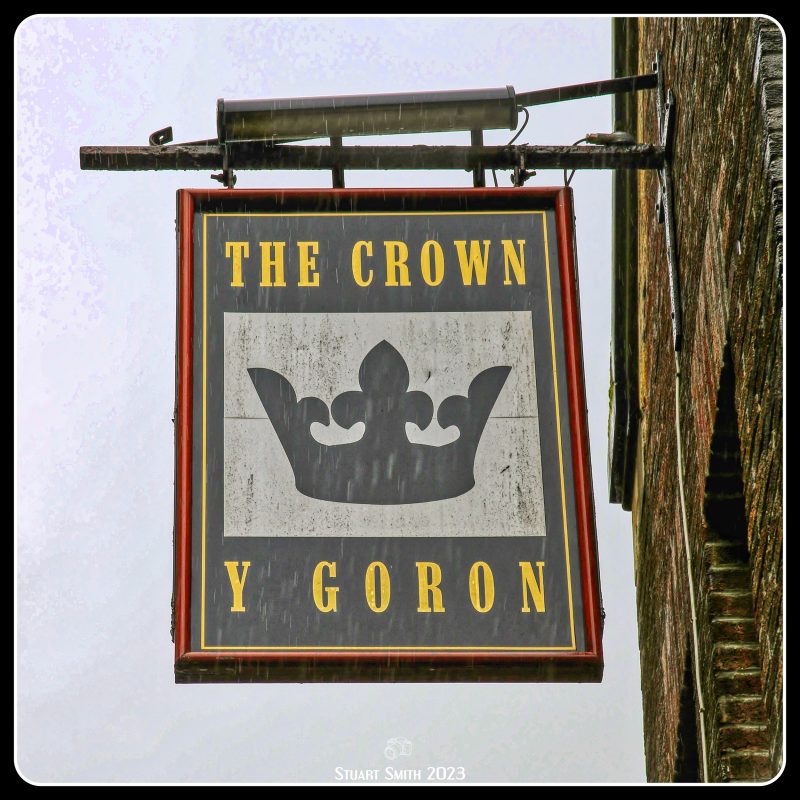

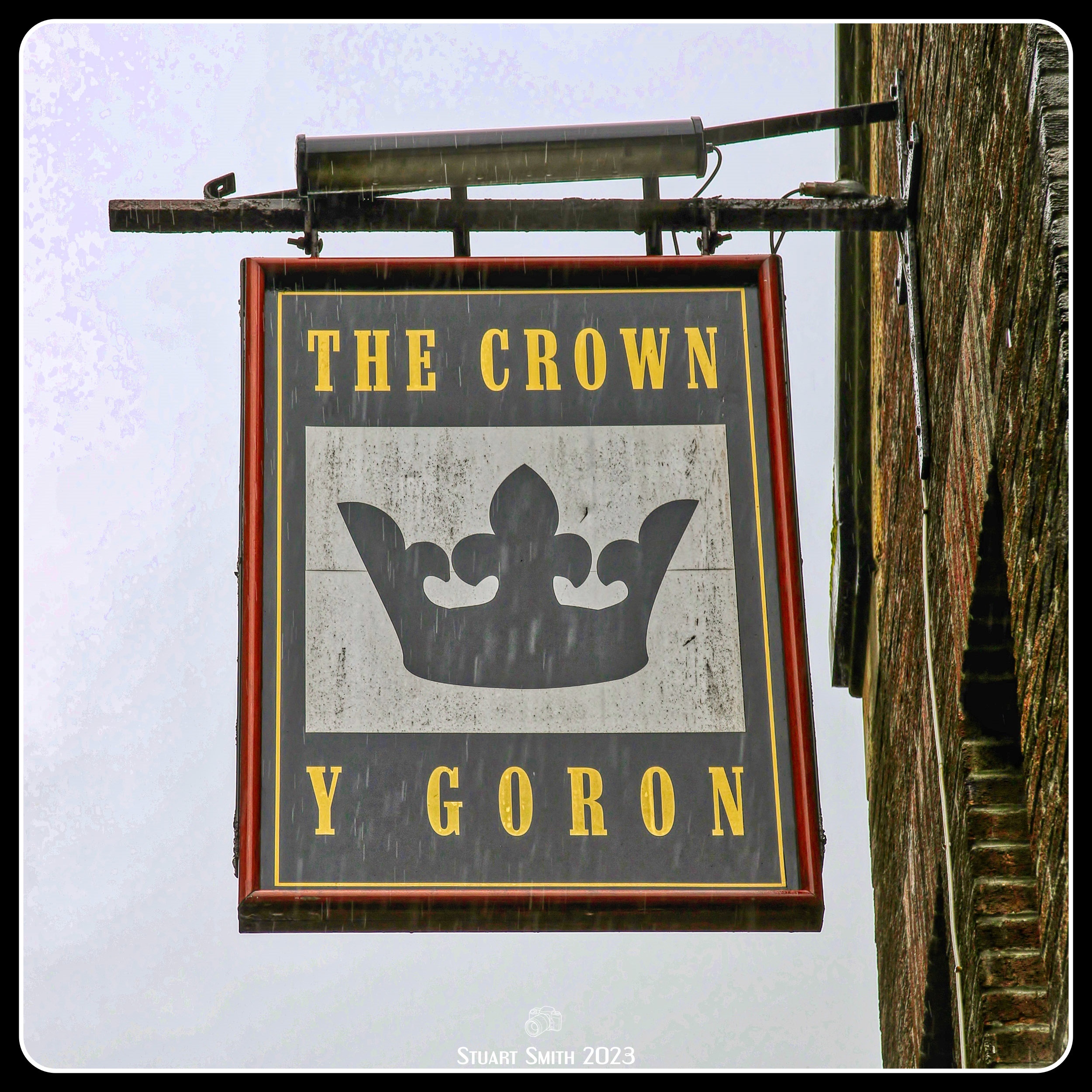
The Crown, High Street, Caernarfon, Gwynedd, Wales UK

Y Goron is Welsh for The Crown


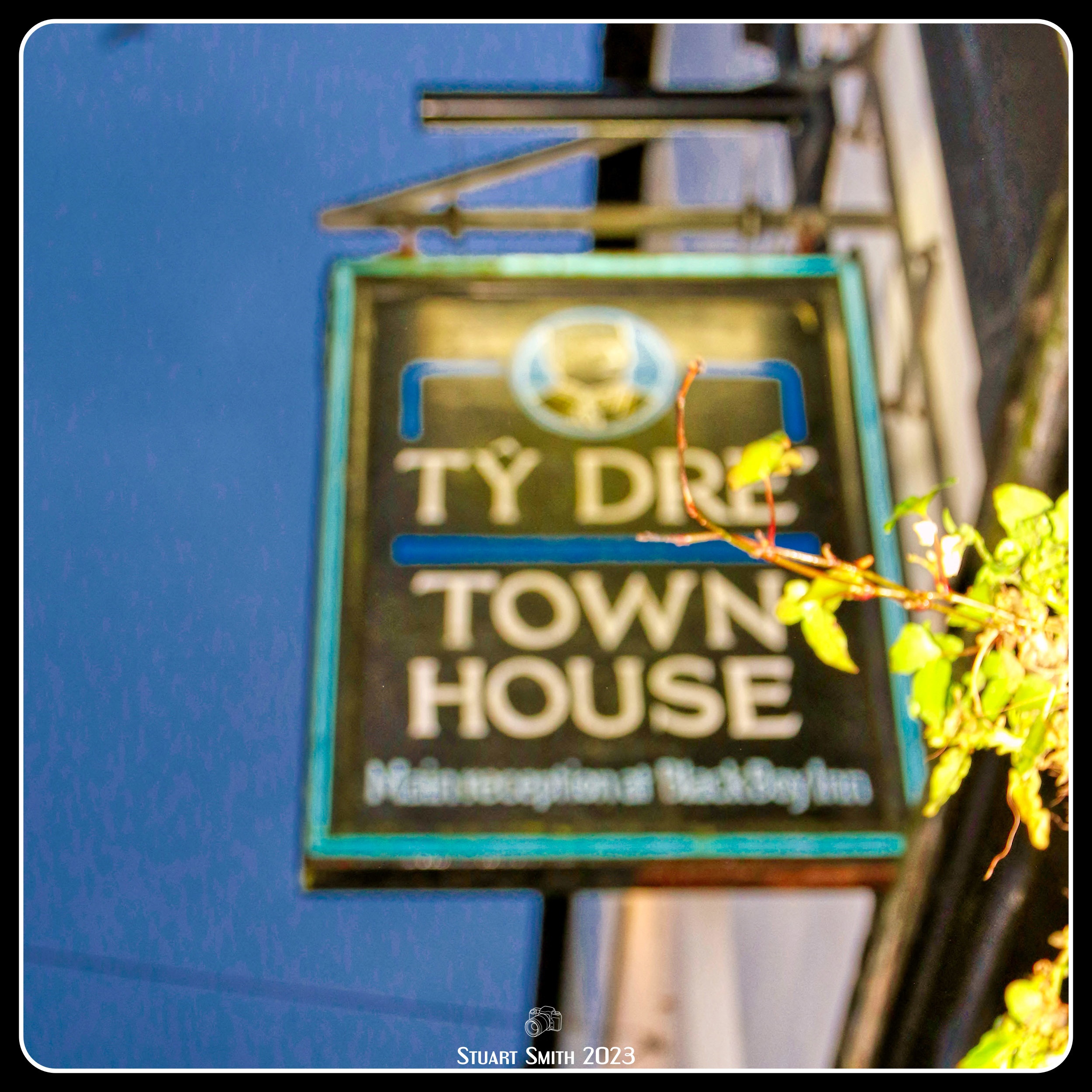
Tŷ Dre, High Street, Caernarfon, Gwynedd, Wales UK

Tŷ Dre is Welsh for Town House – Our accommodation for a couple of days in Caernarfon


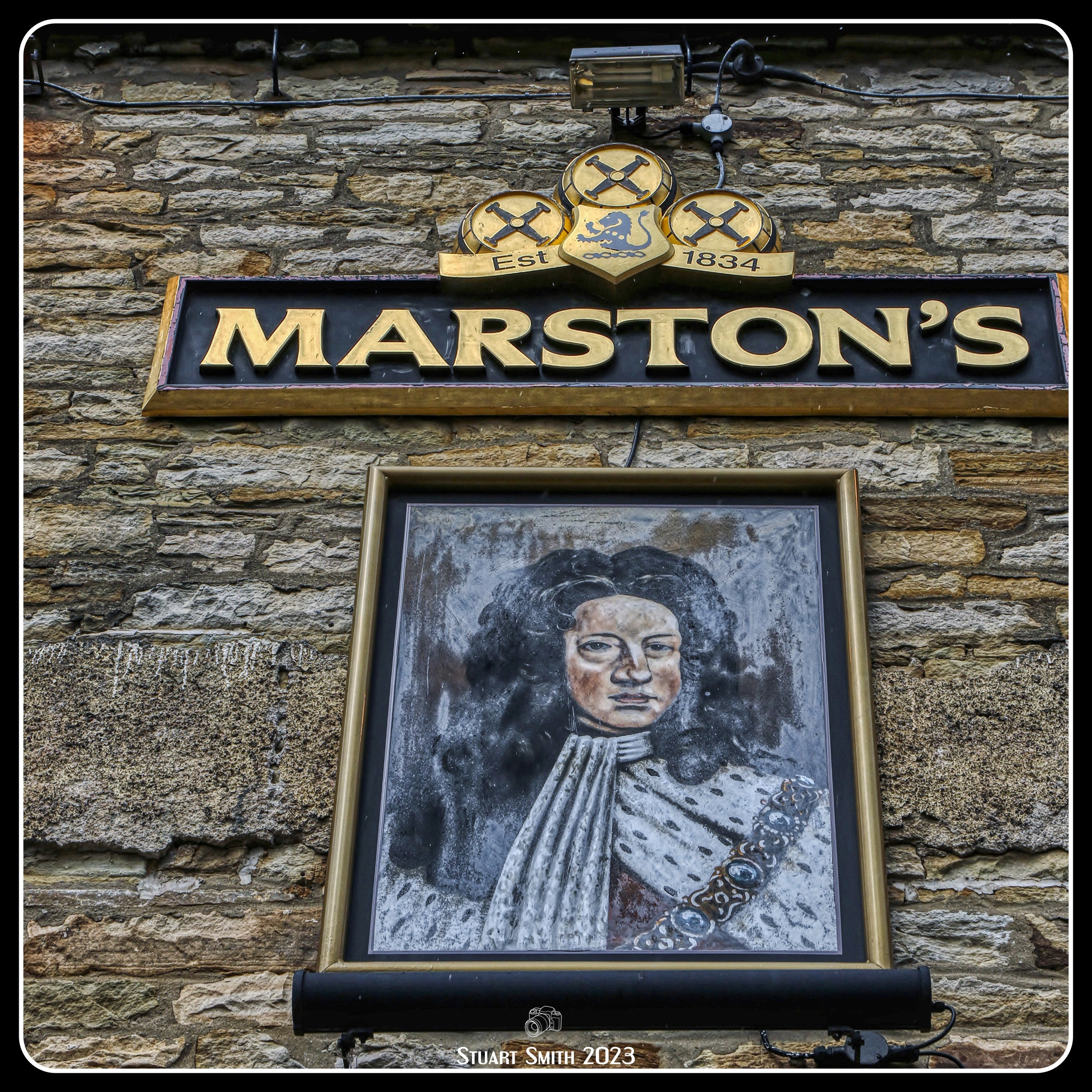
Welsh Brewers The Black Boy, Tŷ Dre, High Street, Caernarfon, Gwynedd, Wales UK


Y Twll yn y Wal, Hole in the Wall Street, Caernarfon, Gwynedd, Wales UK

Y Twll yn y Wal is Welsh for The Hole in The Wall
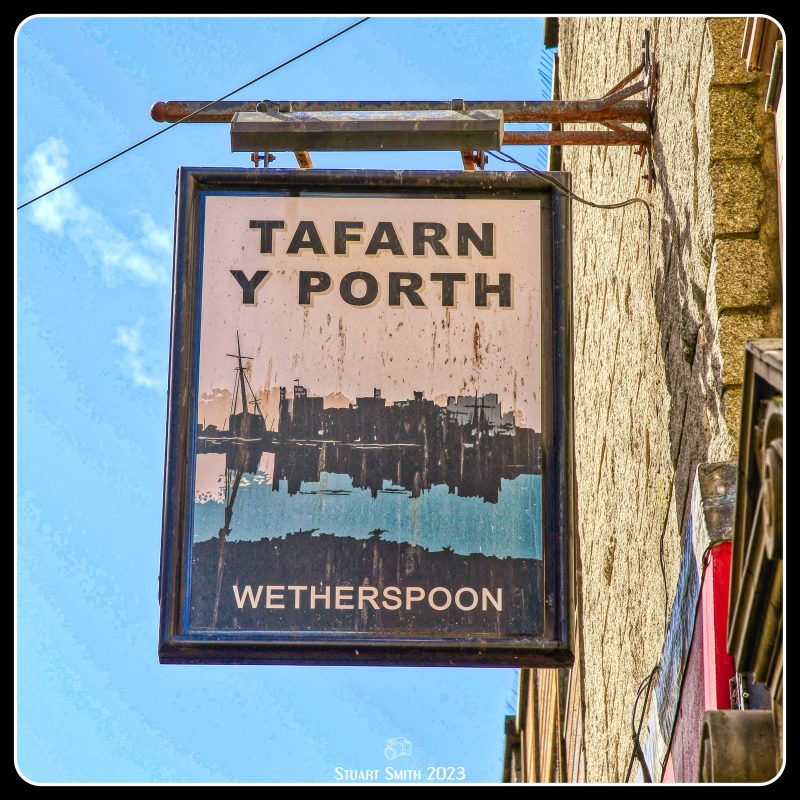

Tafarn Y Porth, Greengate Street, Caernarfon, Gwynedd, Wales UK

Tafarn Y Porth  is Welsh for Porth Pub
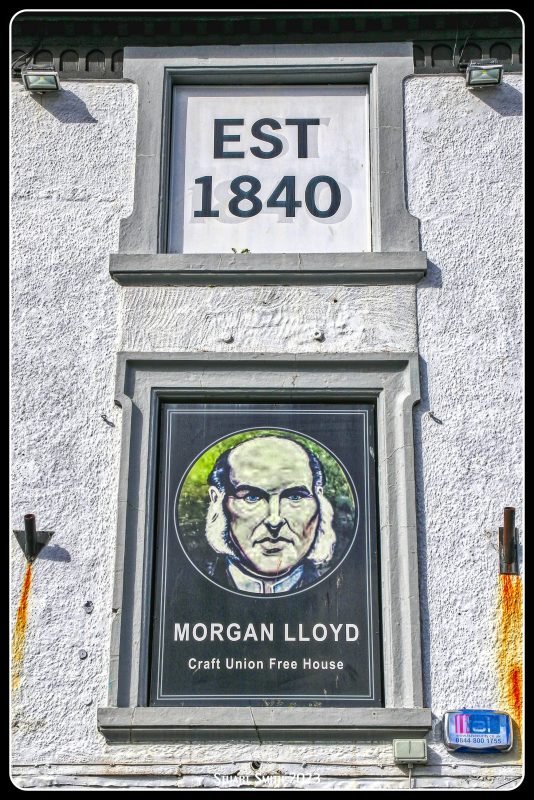

Morgan Lloyd, Castle Square, Caernarfon, Gwynedd, Wales UK


Guinness Sign, Bar Bach, Tan y Bont, Caernarfon, Gwynned, Wales UK
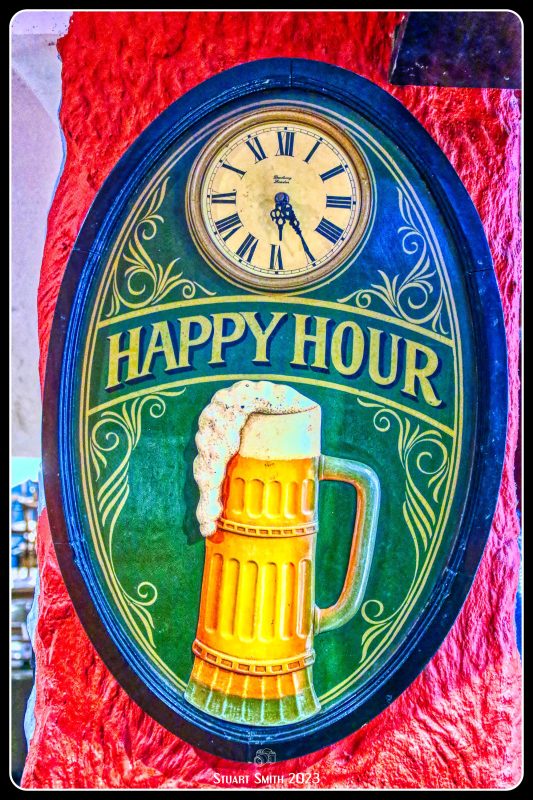

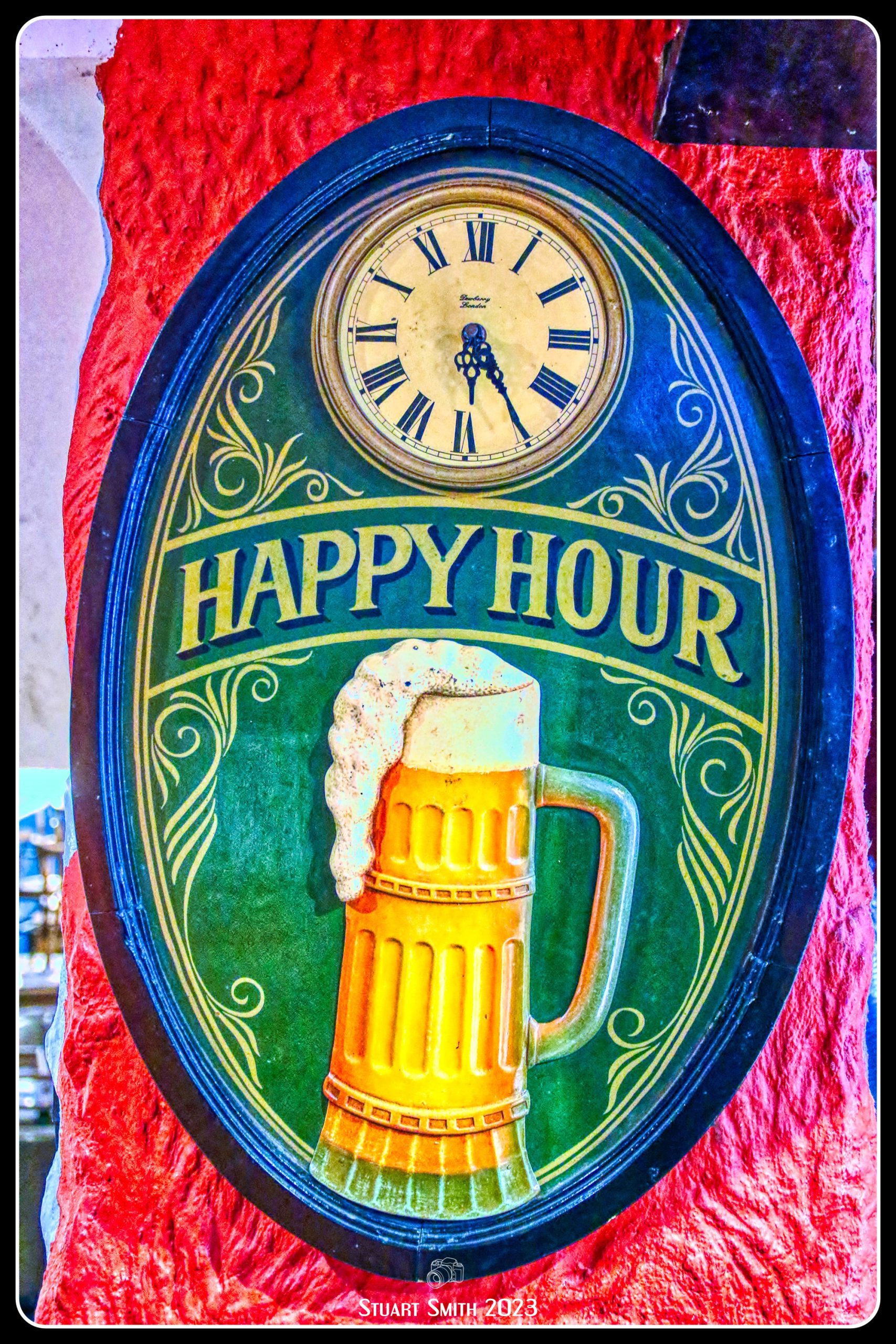
Happy Hour Sign, Bar Bach, Tan y Bont, Caernarfon, Gwynned, Wales UK

Tafarn Lleiaf Cymru – The Smallest Pub in Wales


The Smugglers Cove, Royal Albert Dock, Gower Street, Liverpool, Merseyside, England UK


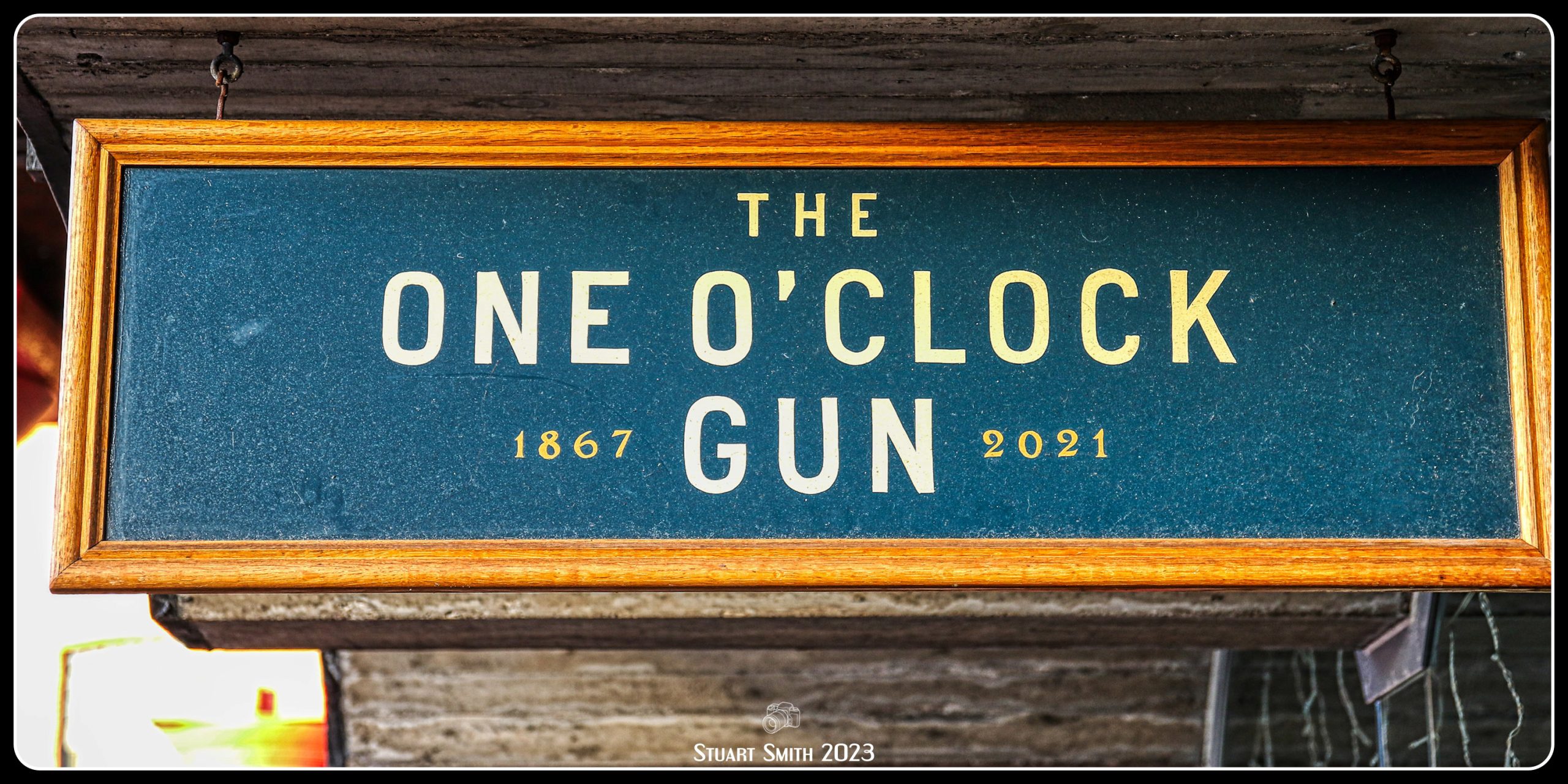
The One O’Clock Gun, Britannia Pavilion, Royal Albert Dock, Gower Street, Liverpool, Merseyside, England UK
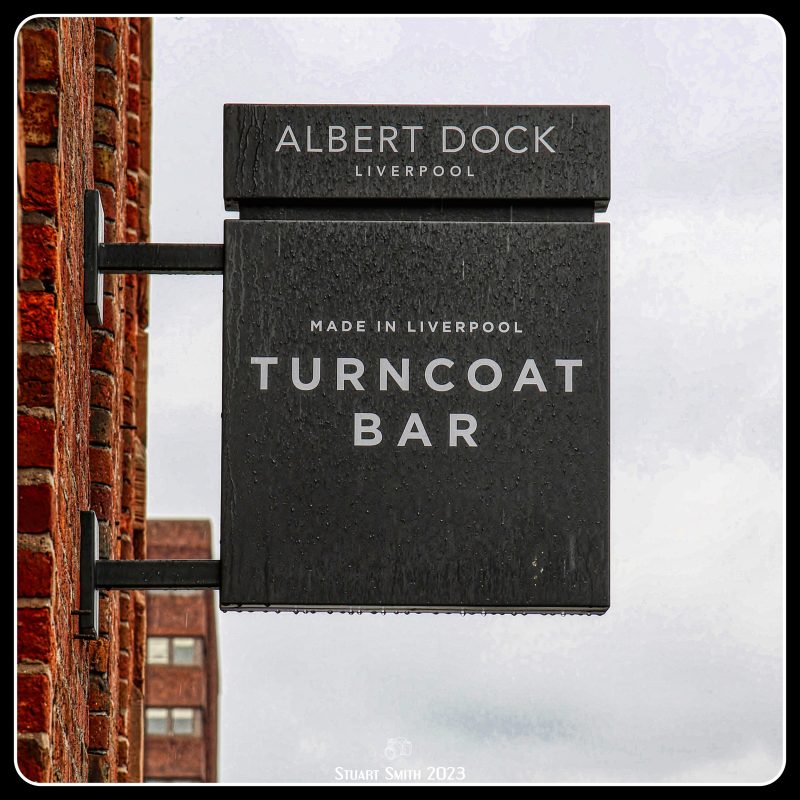

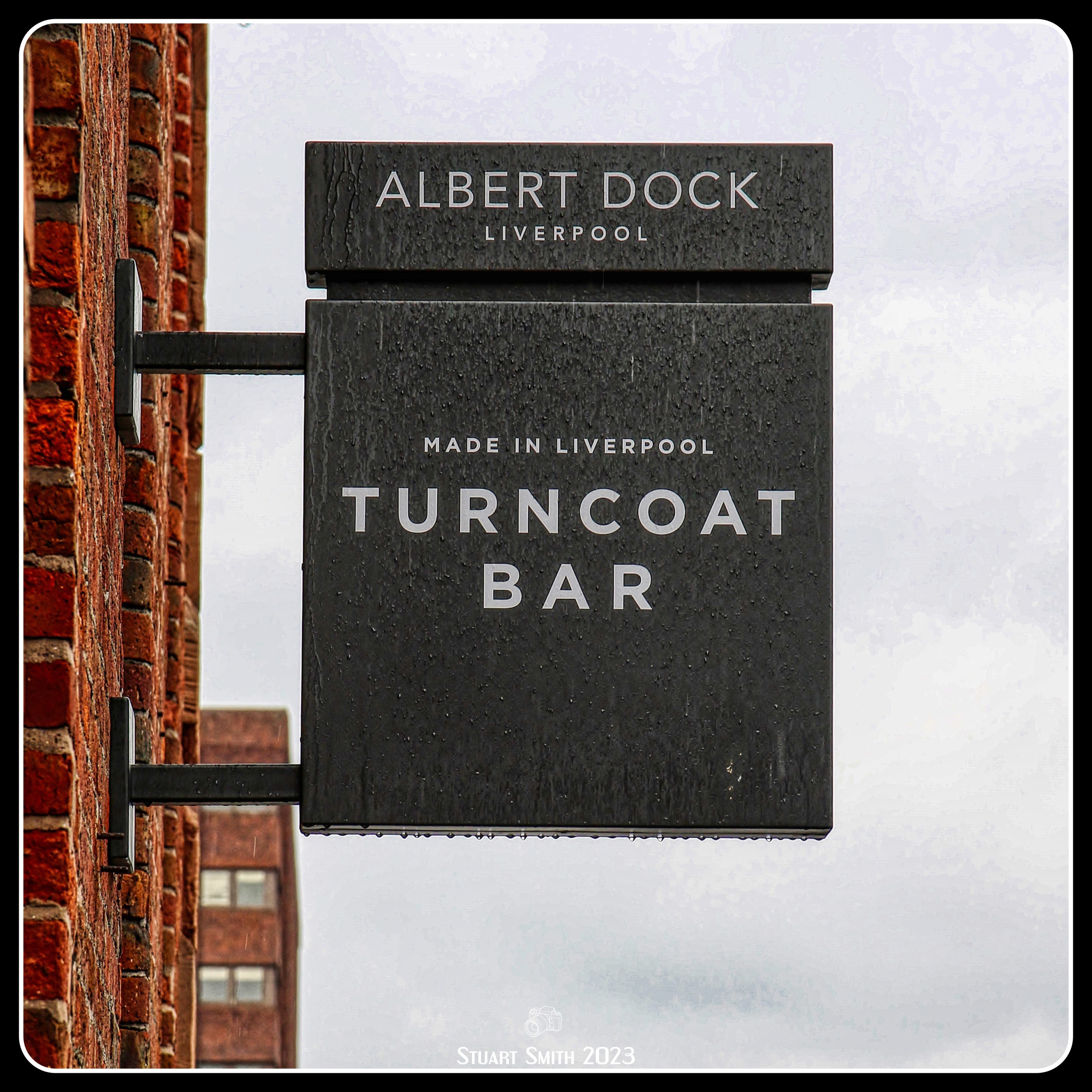
Turncoat Bar, Salthouse Quay, Royal Albert Dock, Liverpool, Merseyside, England UK
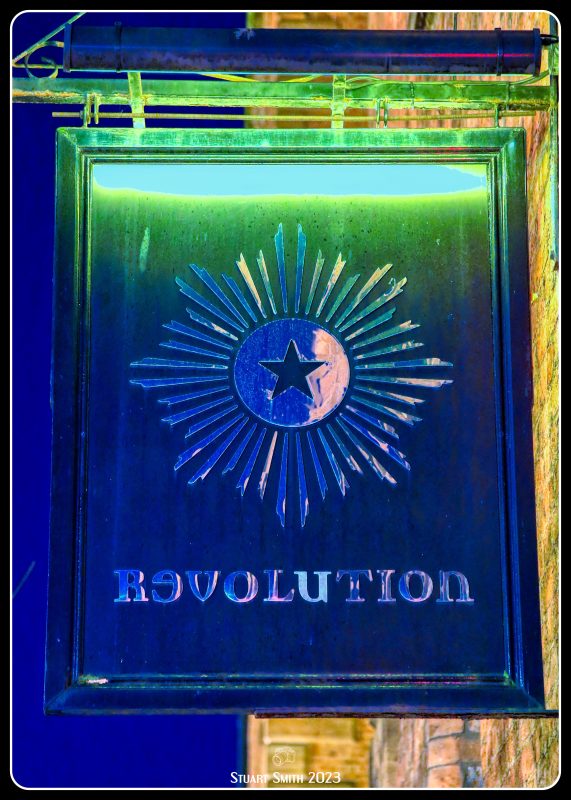

Revolution, Royal Albert Dock, Salthouse Quay, Liverpool, Merseyside, England UK
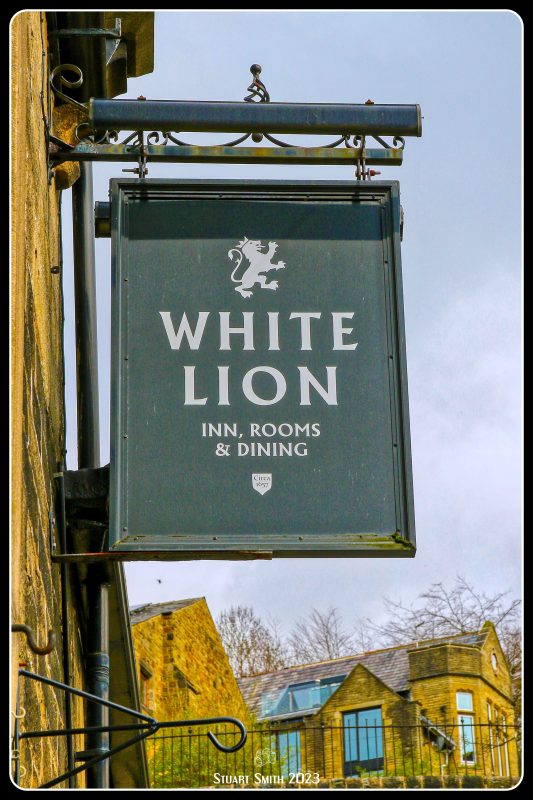

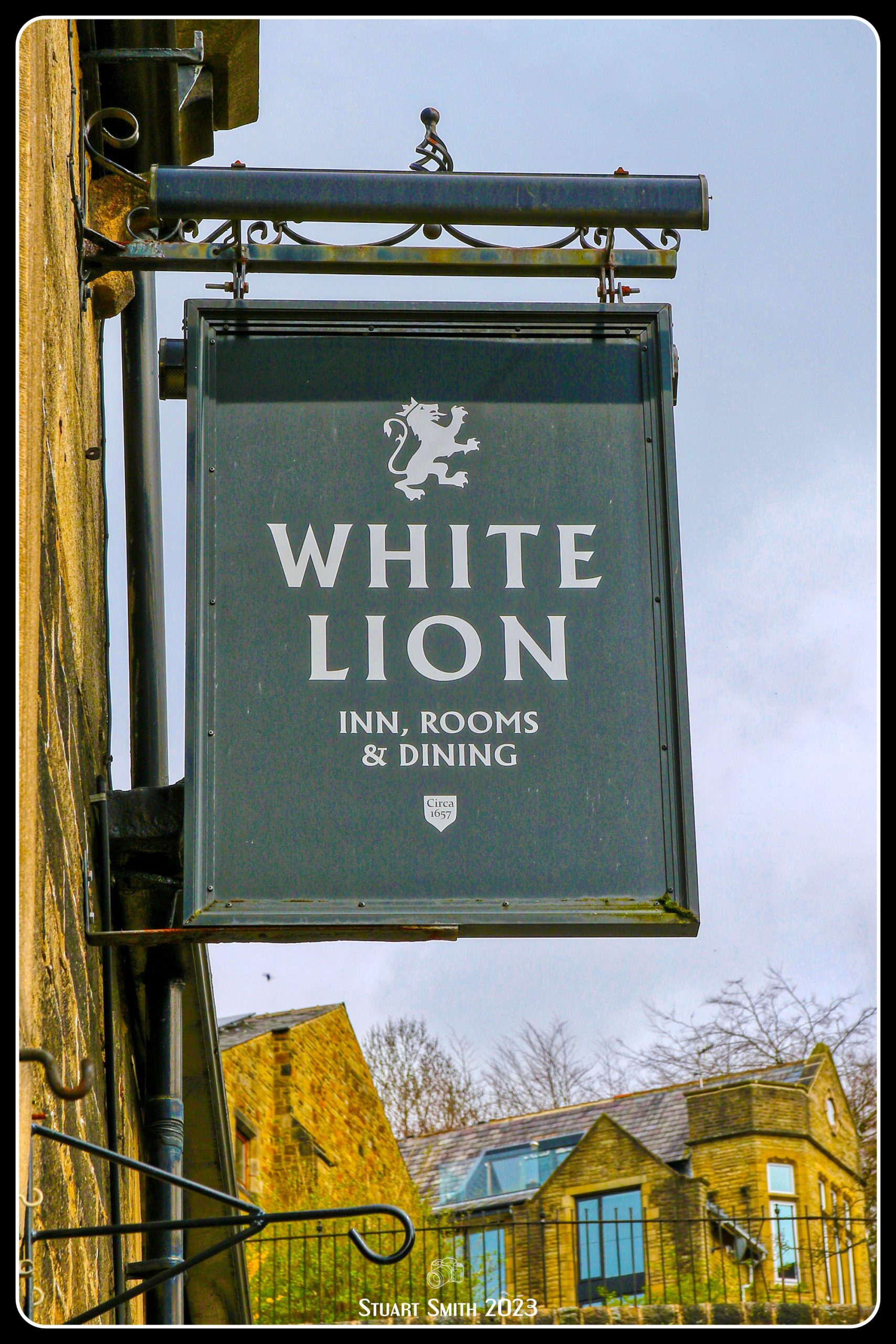
White Lion, Bridge Gate, Hebden Bridge, West Yorkshire, England UK

Built in 1657 the pub is reputed to be the oldest building in town. We spent a few days here.


The White Swan, Bridge Gate, Hebden Bridge, West Yorkshire, England UK


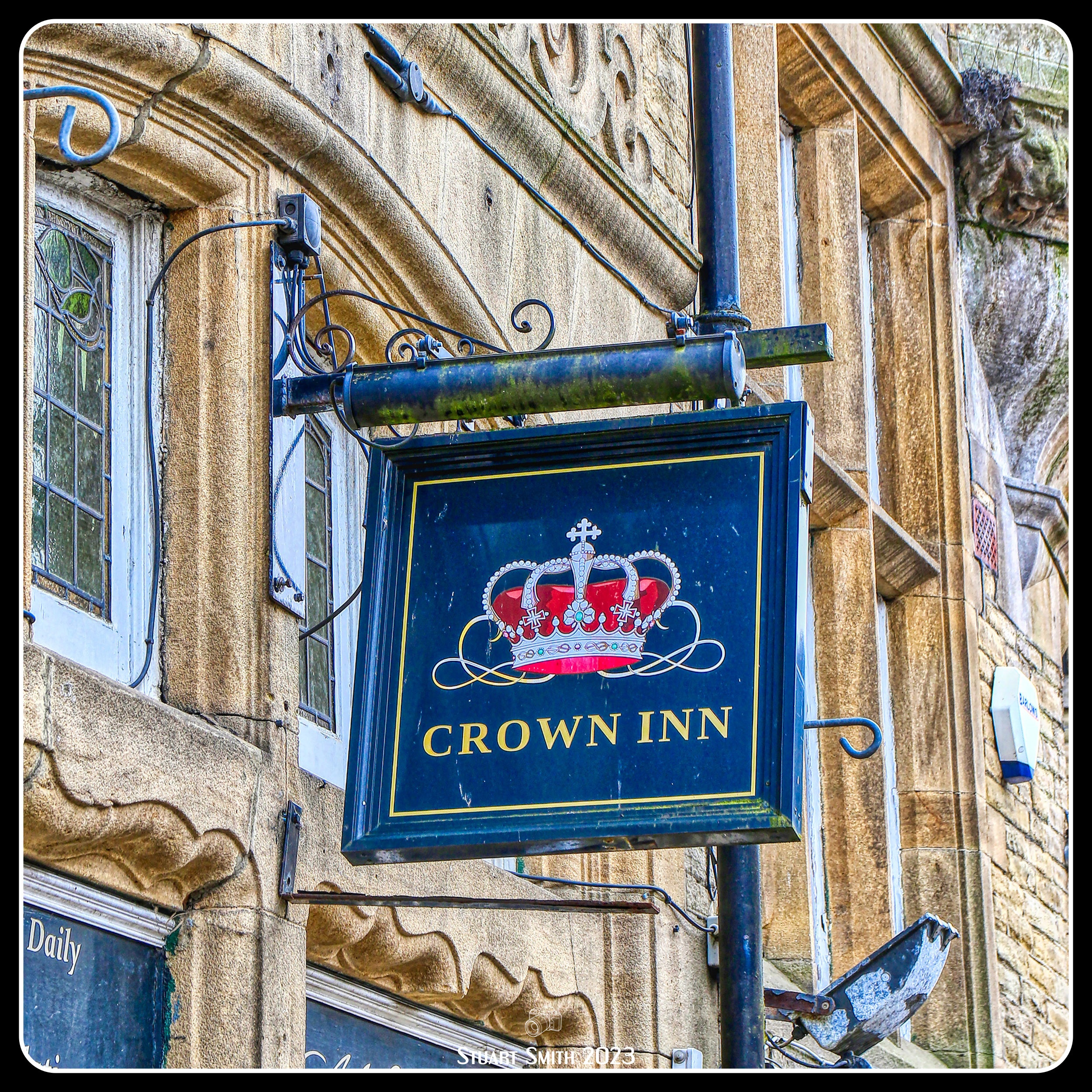
Crown Inn, Crown Street, Hebden Bridge, West Yorkshire, England UK


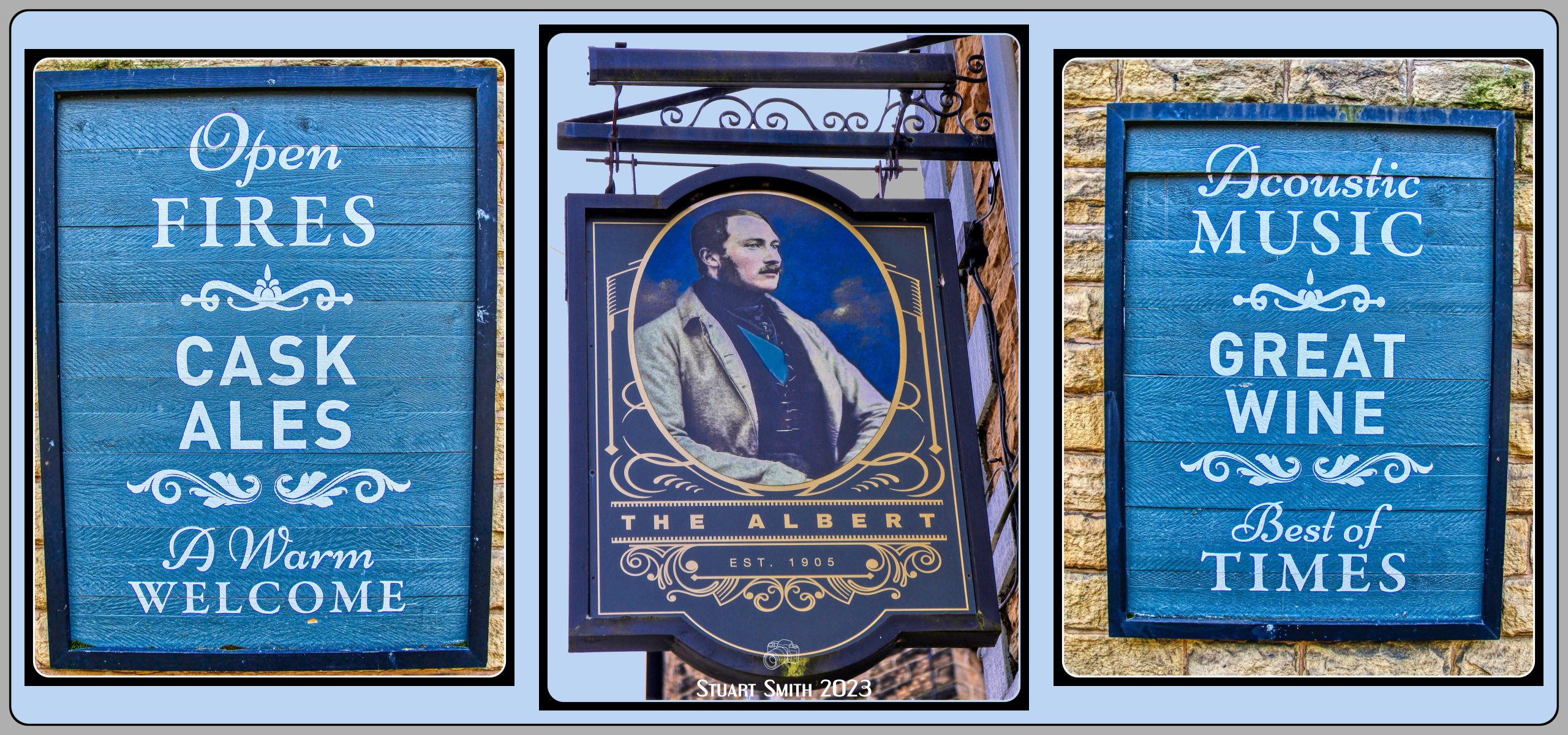
The Albert, Albert Street, Hebden Bridge, West Yorkshire, England UK
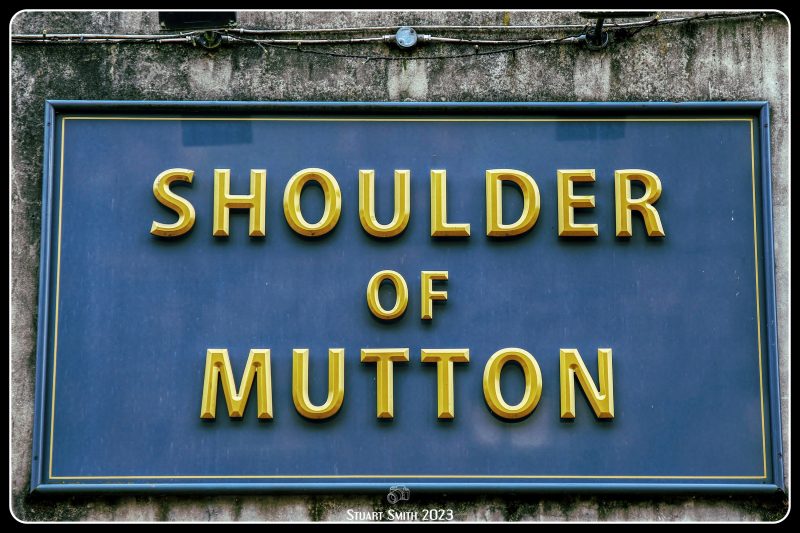

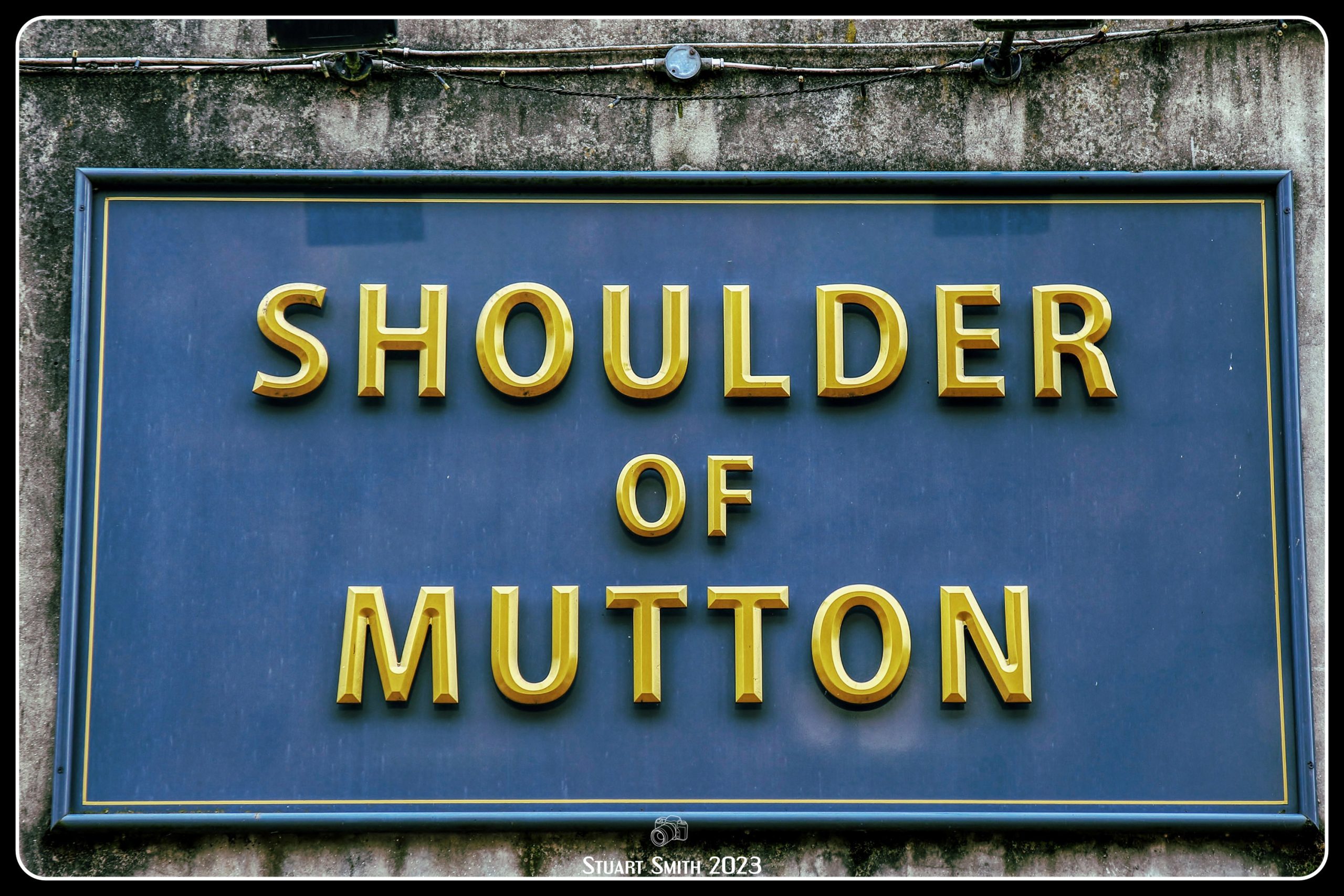
Shoulder of Mutton, Cnr St George’s Street & Bridge Gate, Hebden Bridge, West Yorkshire, England UK
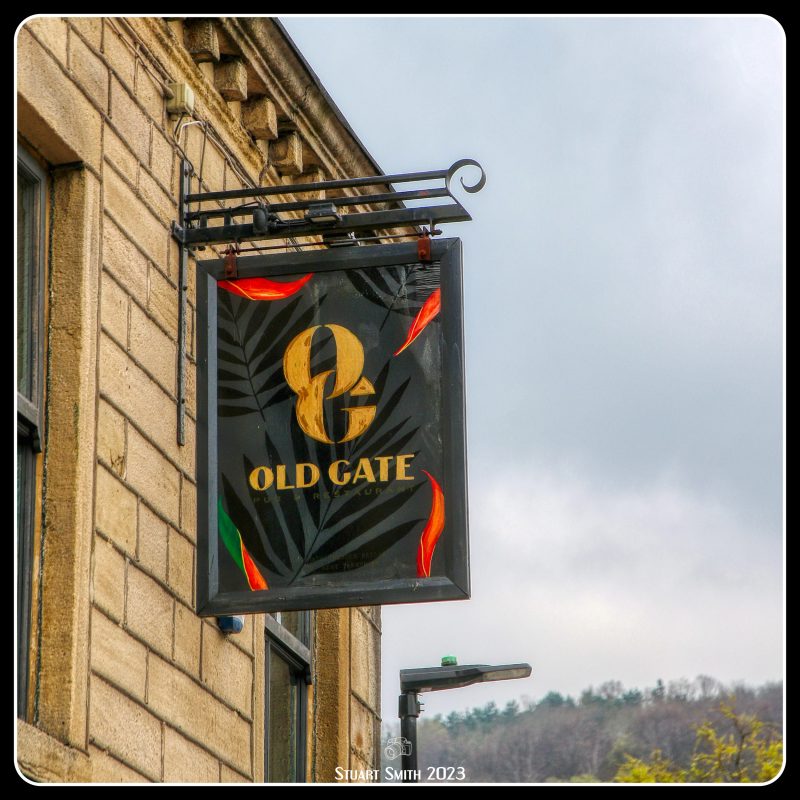

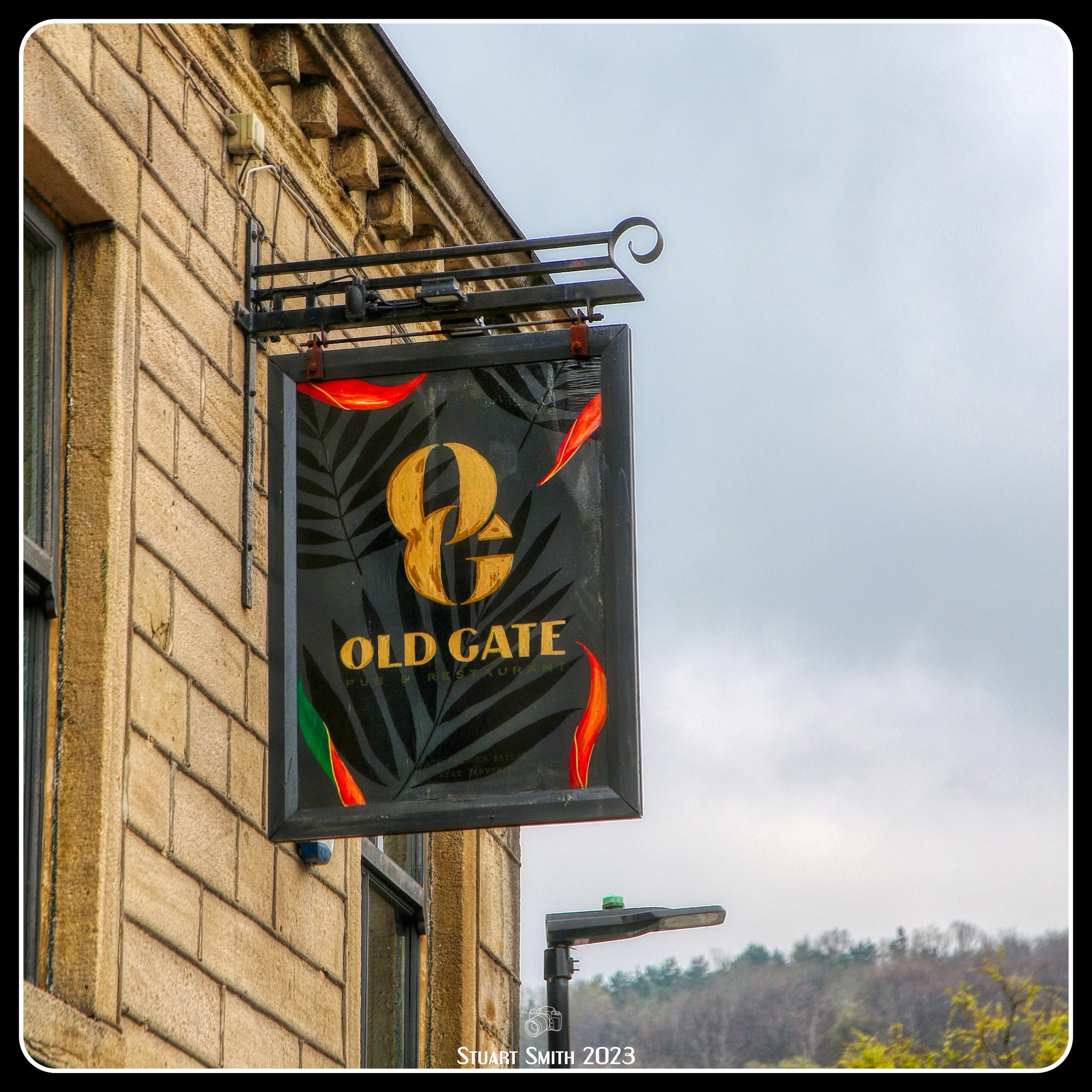
Old Gate, Old Gate, Hebden Bridge, West Yorkshire, England UK


The Railway, New Road, Hebden Bridge, West Yorkshire, England UK


Marshall’s Bar, Carlton Street, Hebden Bridge, West Yorkshire, England UK


Elephant & Castle, Hollowgate, Holmfirth, West Yorkshire, England UK


General Havelock Inn, Ratcliffe Road, Haydon Bridge, Northumberland, England UK
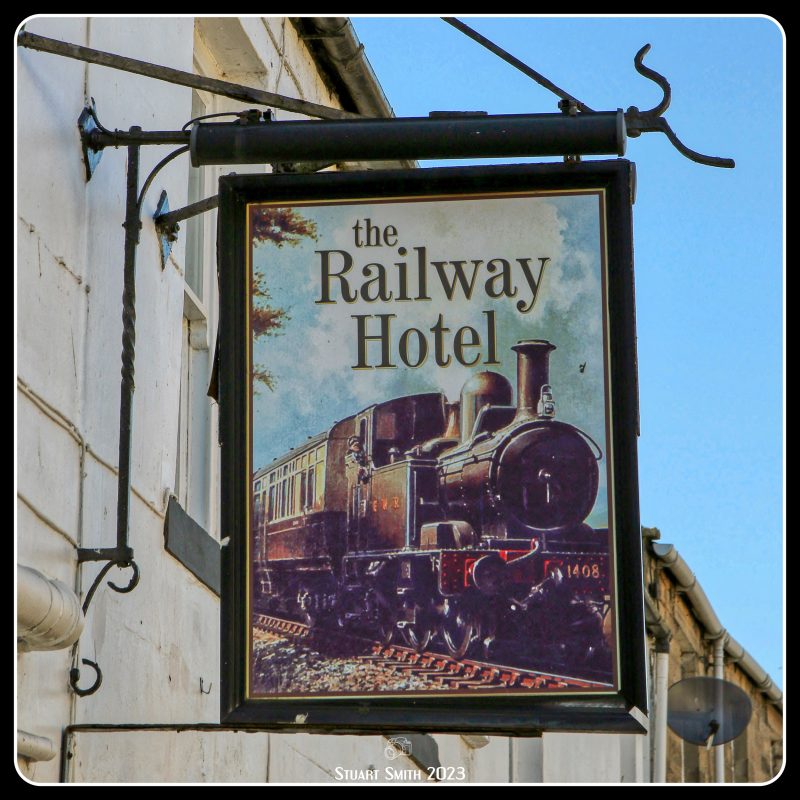

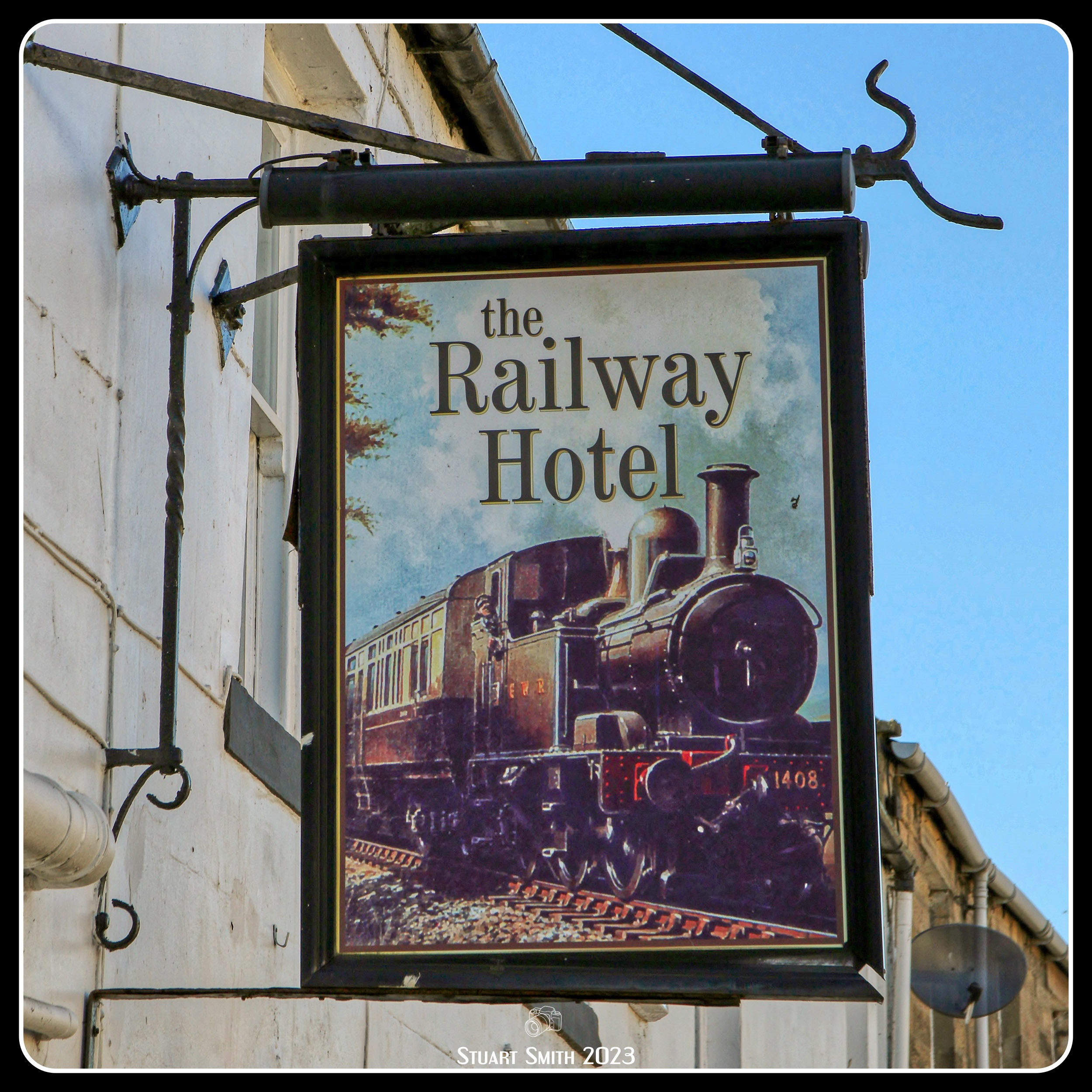
The Railway Hotel, Church Street, Haydon Bridge, Northumberland, England UK

We stayed here for a few days in Haydon Bridge


Anchor Hotel, John Martin Street, Haydon Bridge, Northumberland, England UK


The Kings Head, Market Place, Allendale Town, Hexham, Northumberland, England UK


The Hawes Inn, Newhalls Road, South Queensferry, West Lothian, Scotland UK

This is where we stayed for a few days in South Queensferry – right beneath the famous Firth of Forth Rail Bridge
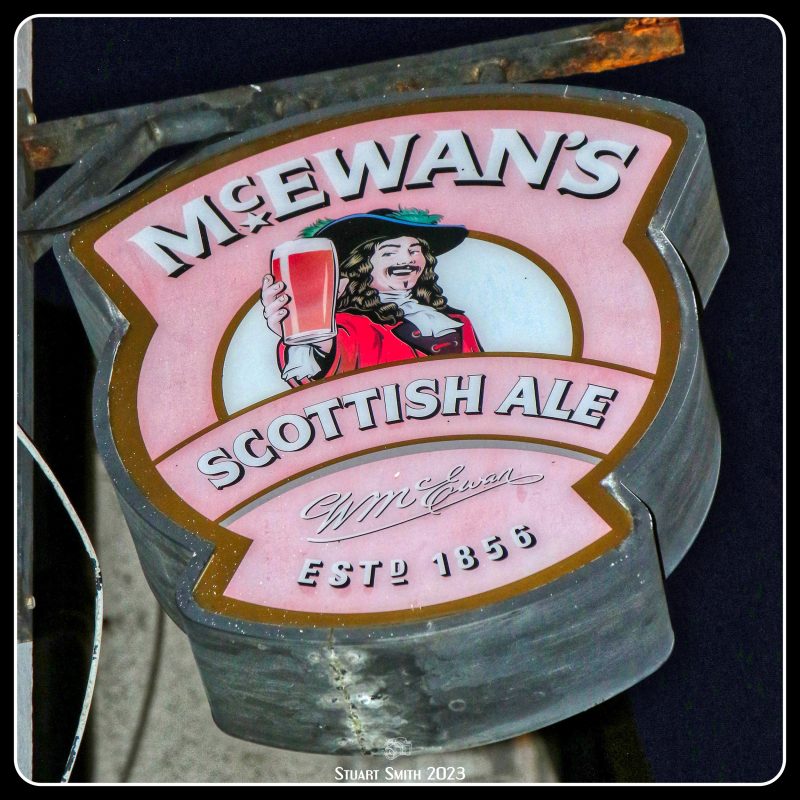

The Staghead Hotel, High Street, South Queensferry, West Lothian, Scotland UK


The Ferry Tap, High Street, South Queensferry, West Lothian, Scotland UK


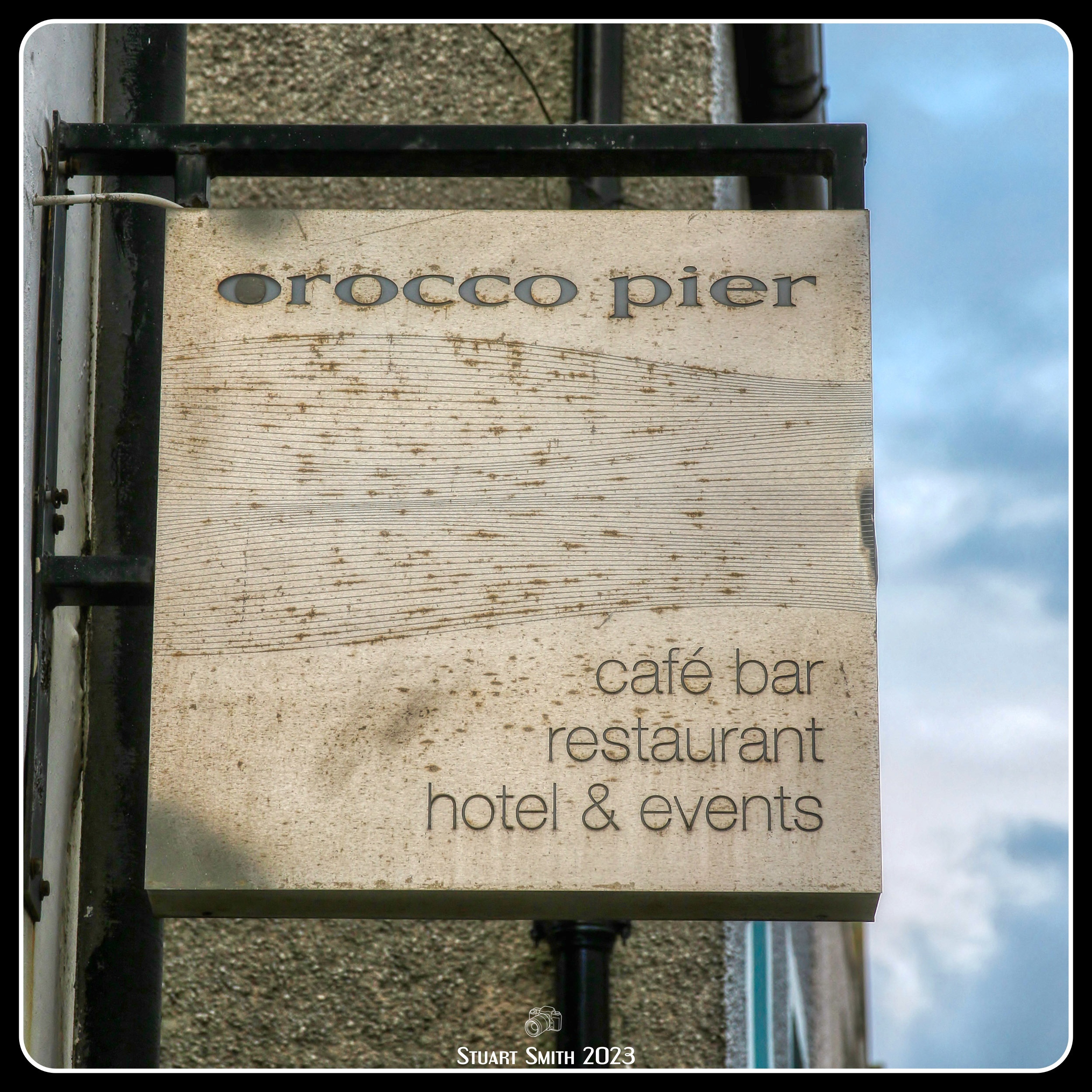
Orocco Pier, High Street, South Queensferry, West Lothian, Scotland UK


No. 12, Quality Street, North Berwick, East Lothian, Scotland UK
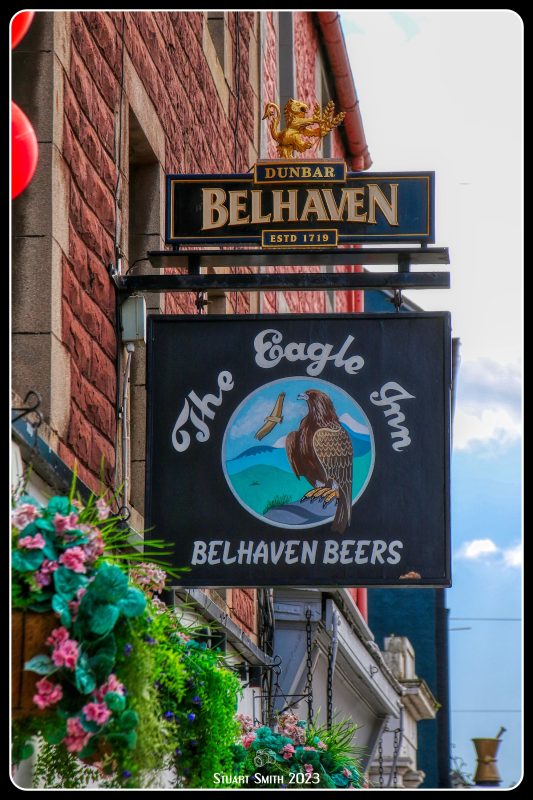

The Eagle Inn, High Street, Dunbar, East Lothian, Scotland UK


The Bear & Bull, High Street, Dunbar, East Lothian, Scotland UK


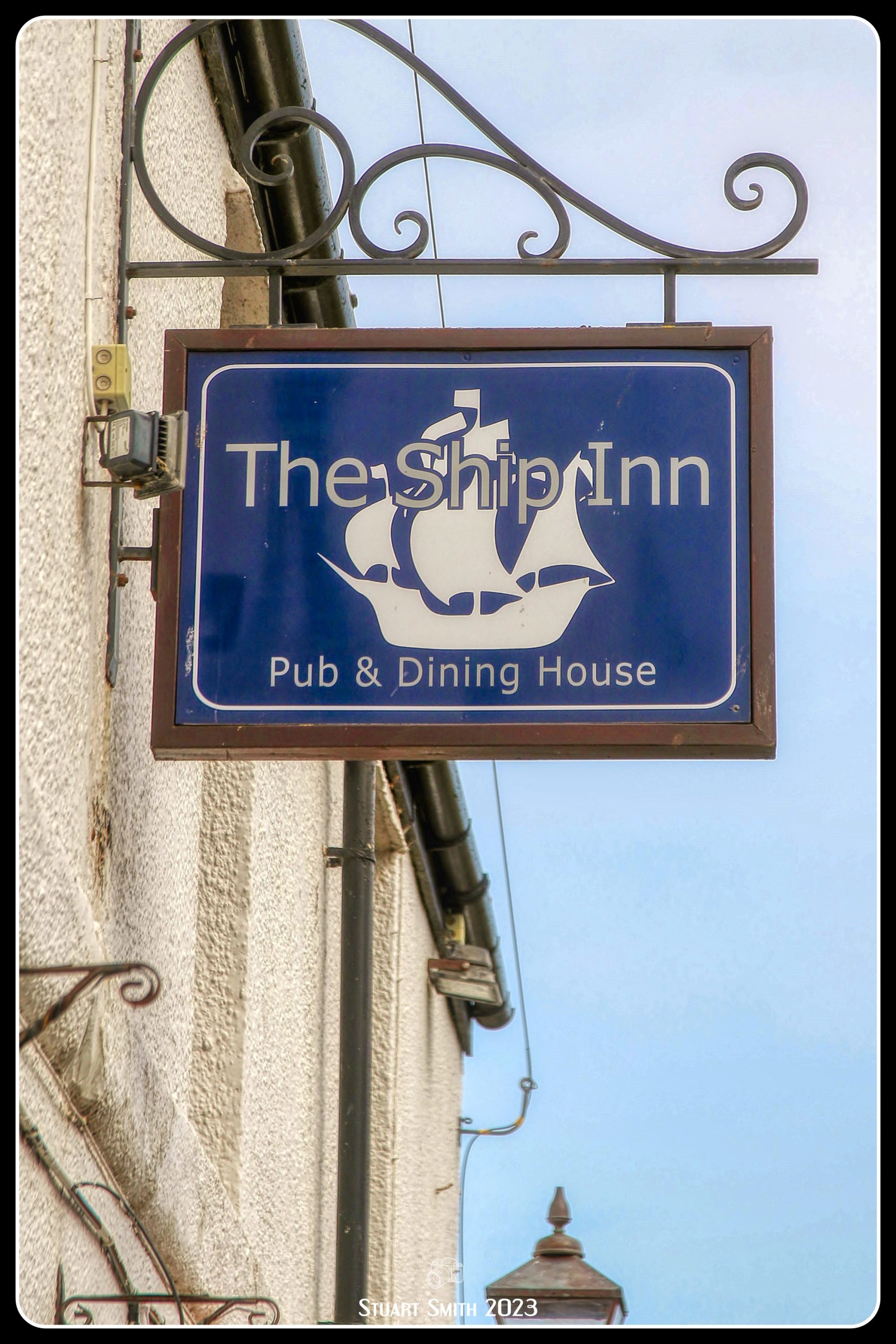
The Ship Inn, Front Street, Lindisfarne, Holy Island, Northumberland, England UK


The George, Bondgate Within, Alnwick, Northumberland, England UK
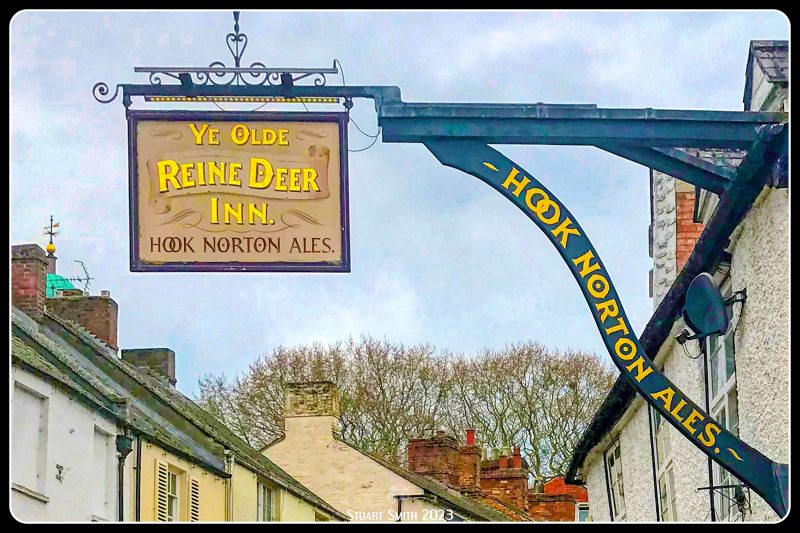

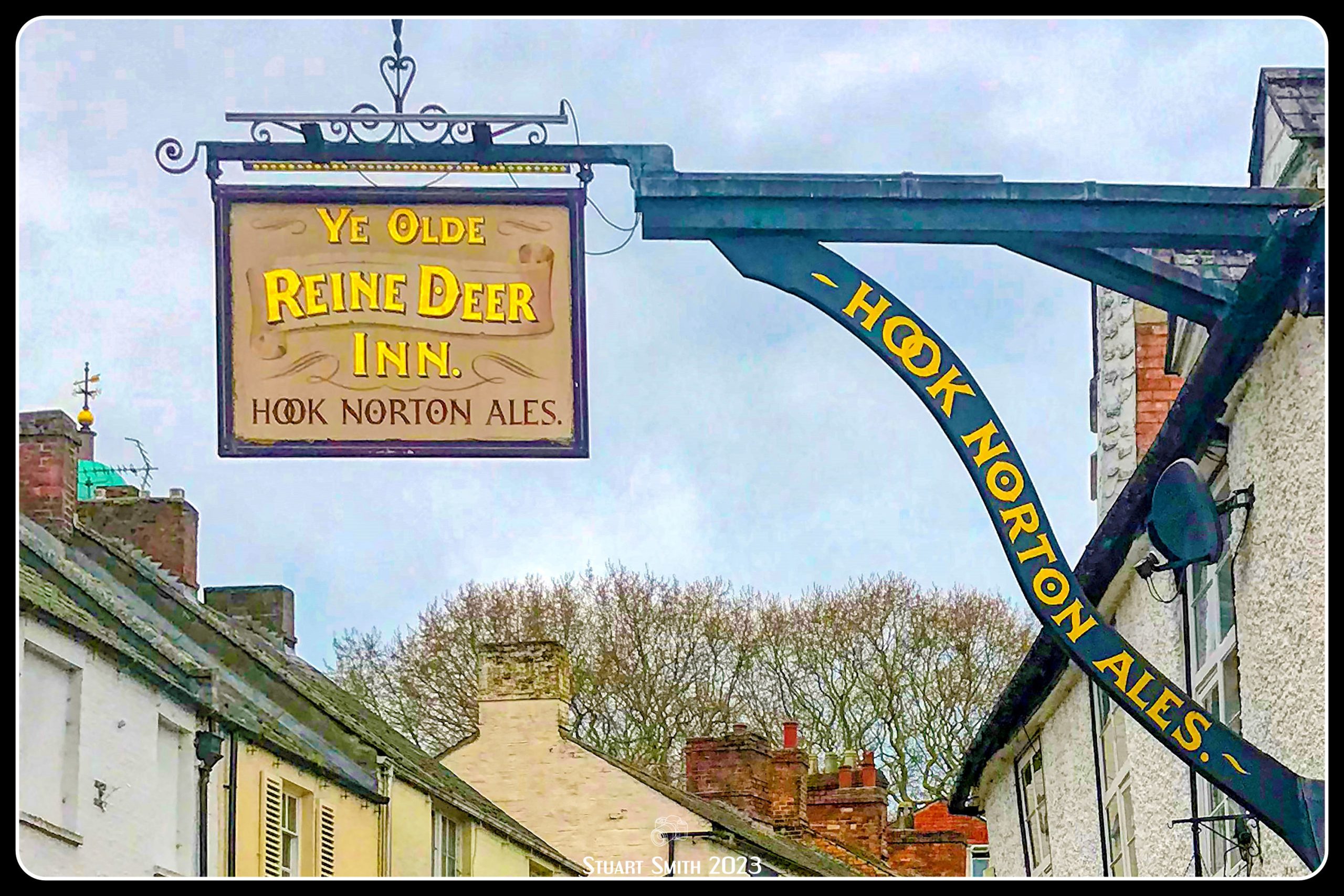
Ye Olde Reine Deer Inn, Parsons Street, Banbury, Oxfordshire, England UK


The Old Auctioneer, Parsons Street, Banbury, Oxfordshire, England UK


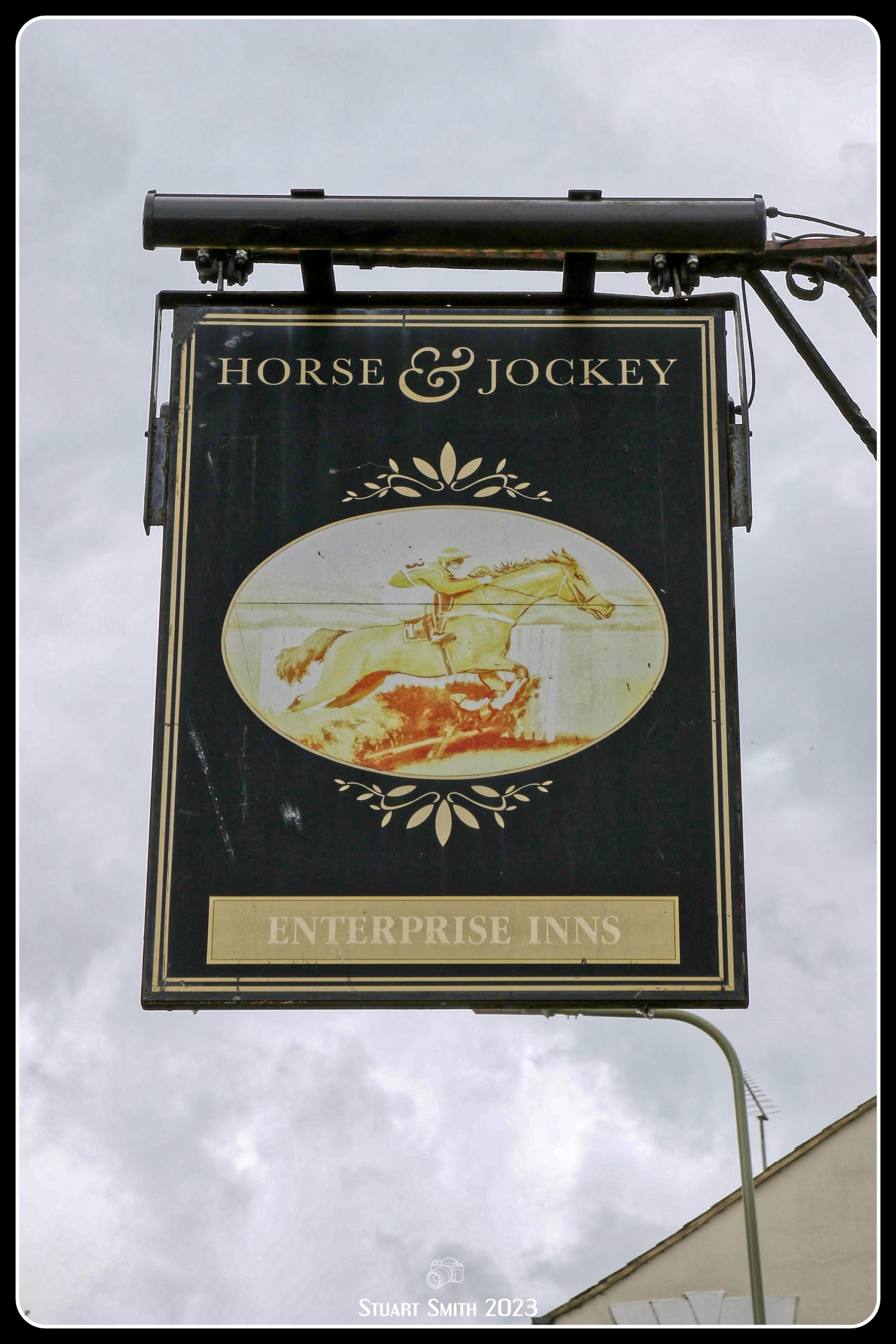
Horse & Jockey, West Bar Street, Banbury, Oxfordshire, England UK


The Cromwell Lodge, North Bar Street, Banbury, Oxfordshire, England UK


Dog & Gun, North Bar Street, Banbury, Oxfordshire, England UK


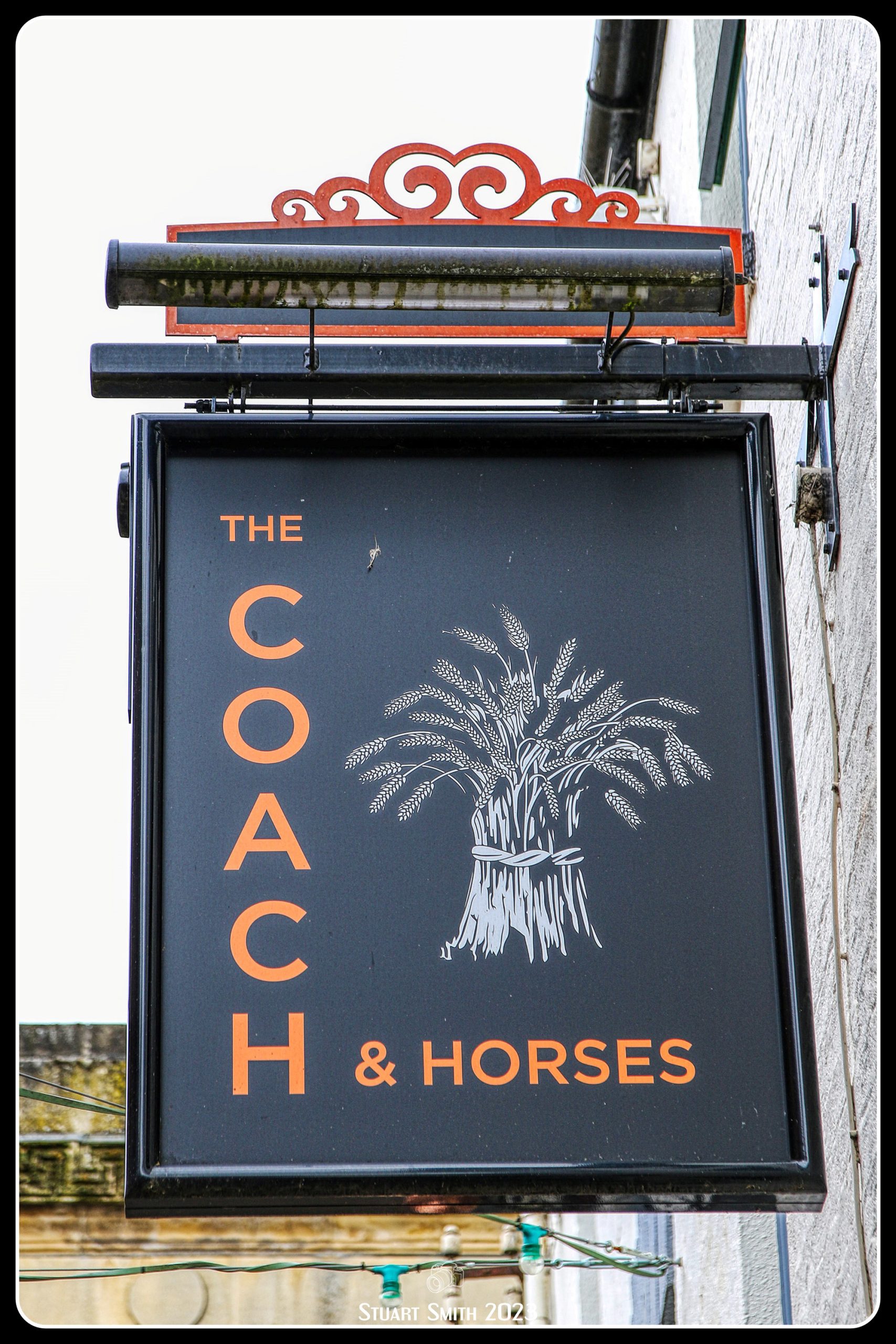
The Coach & Horses, Butcher’s Row, Banbury, Oxfordshire, England UK


Banbury Cross, Butcher’s Row, Banbury, Oxfordshire, England UK
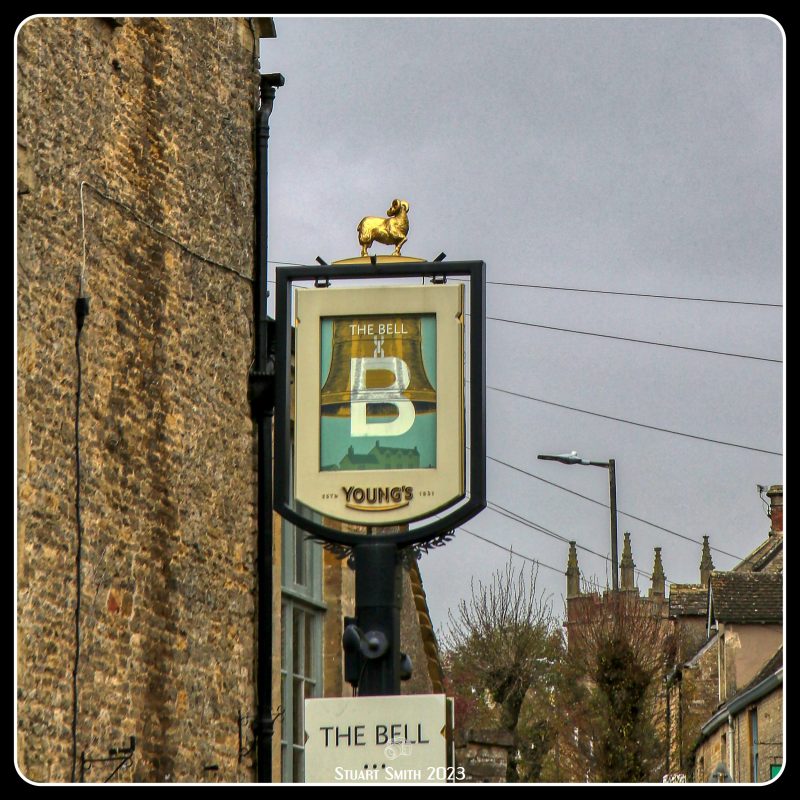

The Bell, Junction Oddington Road, Lower Park Street, Park Street, Maugersbury Road, Stow-on-the-Wold, Gloucestershire, England UK


The Lamb & Lion, Lower Borough Walls, Bath, Somerset, England UK
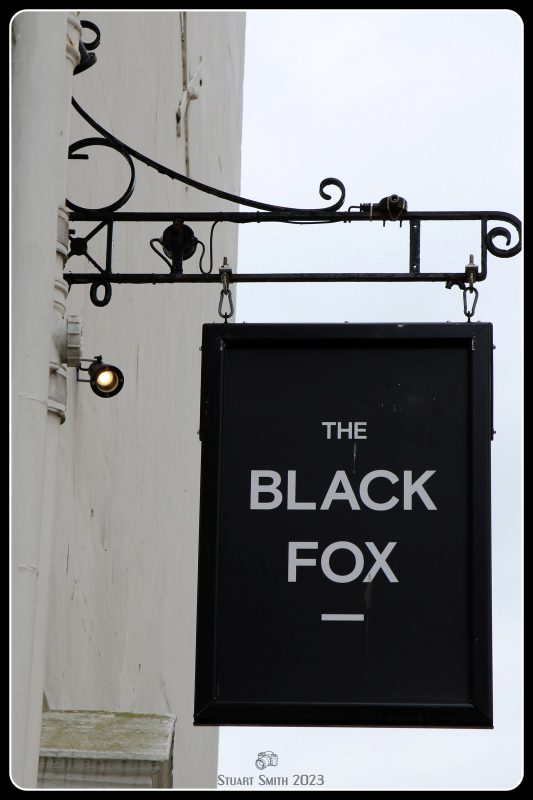

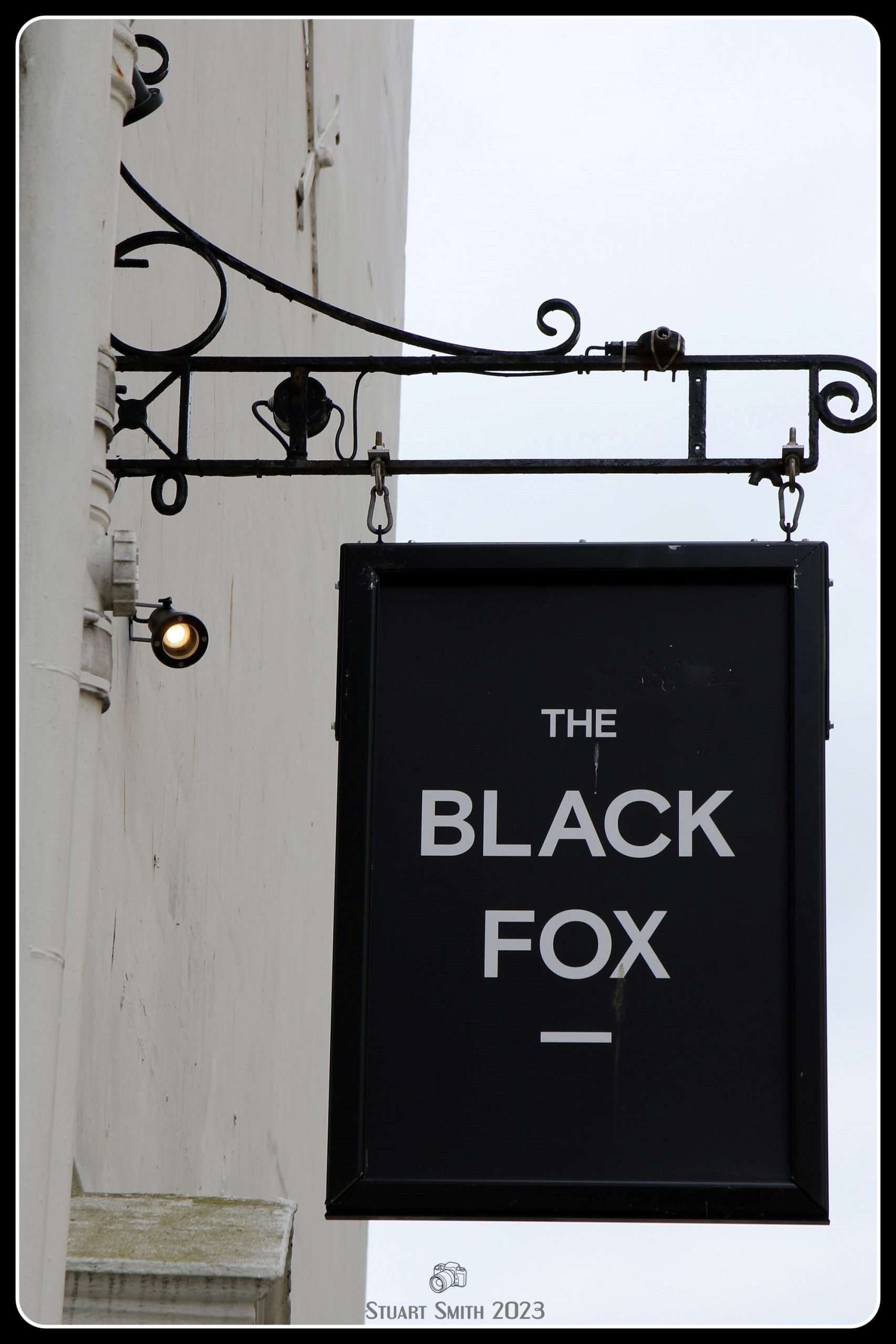
The Black Fox, Junction of Lower Borough Walls, Saint James’s Parade & Hot Bath Street, Bath, Somerset, England UK

Our pub stay while in Bath


ENGLAND 2023 – I


HAMPTON COURT PALACE


Our first day in England and we re-visited Hampton Court Palace having previously done so on our first UK visit in 2013.

Hampton Court Palace is a Grade I listed royal palace in the London Borough of Richmond upon Thames, 12 miles (19 kilometres) south-west and upstream of central London on the River Thames.

The building of the palace began in 1514 for Cardinal Thomas Wolsey, the chief minister of Henry VIII. In 1529, as Wolsey fell from favour, the cardinal gave the palace to the king to check his disgrace. The palace went on to become one of Henry’s most favoured residences; soon after acquiring the property, he arranged for it to be enlarged so it could accommodate his sizeable retinue of courtiers. The palace is in the possession of King Charles III and the Crown.


Hampton Court Palace Across The Thames, Hampton Court Bridge, Molesey, London, England UK


River Thames & Hampton Court Palace, Hampton Court Bridge, Molesey, London, England UK


Hampton Court Palace, Molesey, London, England UK


Light Standards, Hampton Court Bridge, Molesey, London, England UK


Palace Entrance, Hampton Court Palace, Hampton Court Way, Molesey, London, England UK

Moat, Hampton Court Palace, Molesey, London, England UK

A decorative feature but it has flooded in years gone by depending on weather.


A Side Gate, Hampton Court Palace, Molesey, London, England UK


Base Court Entry, Hampton Court Palace, Molesey, London, England UK


Sculpture at Base Court Entry, Hampton Court Palace, Molesey, London, England UK


Inside of Base Court Entry, Hampton Court Palace, Molesey, London, England UK


Lead Lined Window, Base Court, Hampton Court Palace, Molesey, London, England UK

Decorative Ceiling, Anne Boelyn’s Gateway, Hampton Court Palace, Molesey, London, England UK


Hammerbeam Ceiling, The Great Hall, Hampton Court Palace, Molesey, London, England UK


Interior Staircase, Hampton Court Palace, Molesey, London, England UK


Fountain Court, Hampton Court Palace, Molesey, London, England UK


Light Standard, Fountain Court, Hampton Court Palace, Molesey, London, England UK


Cloister off Chapel Court Garden, Hampton Court Palace, Molesey, London, England UK


Passageway Staircase, Hampton Court Palace, Molesey, London, England UK


Royal Crest, Chapel Royal, Hampton Court Palace, Molesey, London, England UK


Chapel Court Garden, Hampton Court Palace, Molesey, London, England UK


Wine Cellar, Hampton Court Palace, Molesey, London, England UK


Astronomical Clock, Anne Boleyn’s Gatehouse, Hampton Court Palace, Molesey, London, England UK

The clock was installed in 1540 on the gatehouse to the inner court at Hampton Court Palace. This pre-Copernican and pre-Galilean astronomical clock is still functioning.


Alley, Hampton Court Palace, Molesey, London, England UK


The Great Vine, Wilderness Cottage, Hampton Court Palace, Molesey, London, England UK

The Great Vine, Vitis vinifera ‘Schiava Grossa’ (synonym: Black Hamburg), is now 250 years old and is the largest grape vine in the world. It was planted in 1768 while Lancelot ‘Capability’ Brown was in charge of the gardens at Hampton Court.


Garden Avenue, Hampton Court Palace, Molesey, London, England UK


The Pond Gardens, Hampton Court Palace, Molesey, London, England UK


Misshapen Tree, The Pond Garden, Hampton Court Palace, Molesey, London, England UK


Arbor, The Privy Garden, Hampton Court Palace, Molesey, London, England UK


Roman Soldier Statue, The Privy Garden, Hampton Court Palace, Molesey, London, England UK


Sundials, The Privy Garden, Hampton Court Palace, Molesey, London, England UK


Brick Alcove, The Privy Garden, Hampton Court Palace, Molesey, London, England UK


Entrance/Exit Gates, The Privy Garden, Hampton Court Palace, Molesey, London, England UK


Gate Handle, The Privy Garden, Hampton Court Palace, Molesey, London, England UK


Shire Horse Drawn Tourist Ride, The Board Walk, Hampton Court Palace, Molesey, London, England UK


The Great Fountain Garden, Hampton Court Palace, Molesey, London, England UK


Long Water, Hampton Court Park, Hampton Court Palace, Molesey, London, England UK


The Three Graces, The Great Fountain Garden, Hampton Court Palace, Molesey, London, England UK


Drinking Fountain, Tilt Yard, Hampton Court Palace, Molesey, London, England UK


Jousting Knights Sculptures, Tilt Yard, Hampton Court Palace, Molesey, London, England UK


Garden Hedges, Tilt Yard, Hampton Court Palace, Molesey, London, England UK


Daffodils, The Tilt Yard, Hampton Court Palace, Molesey, London, England UK


Gnarley Tree, The Wilderness, Hampton Court Palace, Molesey, London, England UK


Gateway, Tennis Court Lane, Hampton Court Palace, Molesey, London, England UK


SPAIN 2023 – XV

The final images from Tarragona and the last of our stay in Spain. Next stop – UK!


Entrance, Marriott Hotel, Avinguda de Roma, Tarragona, Catalonia, Spain


Street View, Avinguda de Roma, Tarragona, Catalonia, Spain


Torre de les Monges, Rambla Vella, Tarragona, Catalonia, Spain

a.k.a. Tower of The Monks


Steps below Torre de les Monges, Rambla Vella, Tarragona, Catalonia, Spain


Mural, Circ Romà, Rambla Vella, Tarragona, Catalonia, Spain

The Circ Romà  is where horse and chariot races were held. It had capacity for 20,000 people. It was built during the reign of Emperor Domitian (81–96 AD) and remained in operation until the 9th century AD.  Today it is classified as a World Heritge Site.


Ruins, Circ Romà, Rambla Vella, Tarragona, Catalonia, Spain


Sculpture in the Wall, Circ Romà, Rambla Vella, Tarragona, Catalonia, Spain


Tunnels, Circ Romà, Rambla Vella, Tarragona, Catalonia, Spain


Torre del Pretori, Castell del Rei, Tarragona, Catalonia, Spain

a.k.a. – Castle of The King. The Romanesque castle was largely the result of the rehabilitation of a large Roman building that had been part of the provincial forum in the 12th century.


Bricked In, Parròquia de la Santíssima Trinitat, Carrer de Santa Anna, Tarragona, Catalonia, Spain


Doorway, Museu Nacional Arqueològic, Plaza del Rei, Tarragona, Catalonia, Spain


View to Plaza del Rei from Torre del Pretori o Castell del Rei, Tarragona, Catalonia, Spain


Catedral Basílica Metropolitana i Primada de Santa Tecla de Tarragona, Plaza de la Seu, Tarragona, Catalonia, Spain


View to Coast, Torre del Pretori, Passeig Saint Antoni, Tarragona, Catalonia, Spain


Amfiteatre de Tarragona, Carrer de William J Bryan, Tarragona, Catalonia, Spain

The 2nd image was photographed from the top of The King’s Castle, a building traditionally known as the Roman pretories of Augustus or Pilate Tower. The amphitheatre is a World Heritage site constructed in the 2nd century. It could hold up to 15,000 spectators for Roman events.


Plaque, Subdelegación de Defensa en Tarragona, Rambla Vella, Tarragona, Catalonia, Spain

Department of Defense


Monument a Jacint Verdaguer, Plaça de Mossèn Cinto Verdaguer, Tarragona, Catalonia, Spain


Casa de la Punxa, Rambla Nova, Tarragona, Catalonia, Spain   c.1940


Parc de la Ciutat, Avinguda de Roma, Tarragona, Catalonia, Spain


Parking is at a Premium, Carrer d’August, Tarragona, Catalonia, Spain


SPAIN 2023 – XIV

After the Alhambra, we travelled to Ronda to see its famous bridge over the gorge created by the Guadalevín River before heading back towards Barcelona.


Tourist Carriages, Paseo de Blas Infante, Ronda, Málaga, Andalusia, Spain


Tajo de Ronda, Paseo de Kazunori Yamahuchi, Ronda, Málaga, Andalusia, Spain


Monumento al Toro de lidia, Plaza Teniente Arce, Ronda, Málaga, Andalusia, Spain


Alfresco Dining, Calle José Aparicio, Ronda, Málaga, Andalusia, Spain


Monument to Antonio de los Rios Rosas, Plaza de España, Ronda, Málaga, Andalusia, Spain


Plaza de España, Ronda, Málaga, Andalusia, Spain


Hotel Parador de Ronda, Plaza de España, Ronda, Málaga, Andalusia, Spain


Puente Nuevo from Paseo de Kazunori Yamahuchi, Ronda, Málaga, Andalusia, Spain


Rio Guadalevin Gorge, Puente Nuevo, Ronda, Málaga, Andalusia, Spain


Stone Seat, Puente Nuevo, Ronda, Málaga, Aldalusia, Spain


Puento Nuevo Roadway, Ronda, Málaga, Andalusia, Spain


Tajo de Ronda, Puente Nuevo, Ronda, Málaga, Andalusia, Spain


De los Viajeros Romanticos (Of the Romantic Travelers), Information Board, Paseo de Kazunori Yamahuchi, Ronda, Málaga, Andalusia, Spain


Tajo de Ronda, Paseo de Kazunori Yamahuchi, Ronda, Málaga, Andalusia, Spain


Street Sign, Paseo de Kazunori Yamahuchi, Ronda, Málaga, Andalusia, Spain


Museo Lara, Calle Armiñán, Ronda, Málaga, Andalusia, Spain

The museum houses a private collection of historic weapons, clocks, scientific instruments & witchcraft-related items.


Calle González Campos, Ronda, Andalusia, Spain


Alminar de San Sebastián (Minaret of San Sebastian), Plaza Abul Beka, Ronda, Málaga, Andalusia, Spain


Callejón de los Tramposos (Cheats Alley), Calle Armiñán, Ronda, Málaga, Andalusia, Spain


Iglesia de Santa María la Mayor, Plaza Duquesa de Parcent, Ronda, Málaga, Andalusia, Spain

14th century mosque converted to a Catholic church in the 20th century.


Fuente de agua (Duquesa de Parcent), Water Fountain of the Parcent Duchess), Plaza duquesa de Parcent, Ronda, Málaga, Andalusia, Spain


Artwork, Avenida Primero de Julio, Valdepeñas, Ciudad Real, Castilla-La Mancha, Spain


Everything on Tap, Avenida Primero de Julio, Valdepeñas, Castilla-La Mancha, Spain

You just never know when you will need a sex toy at 3:00 AM. It’s good to know there’s an outlet open.


Statue “Don Quixote”, Avenida Primero de Julio, Valdepeñas, Ciudad Real, Castilla-La Mancha, Spain


Iglesia parroquial la Asunción de Nuestra Señora, Plaza de España, Valdepeñas, Ciudad Real, Castilla-La Mancha, Spain


Rooftops, Valdepeñas, Cuidad Real, Castilla-La Mancha, Spain


Vienna, Austria 2017 Part V

Still in Vienna and walked a couple of parks/gardens and then took a “Fiaker” ride around the old historic city.

[Remember that all images will open in a new tab and all are geotagged!]

“Fiaker”, Petersplats, Vienna, Austria

A fiacre is a form of hackney coach, a horse-drawn four-wheeled carriage for hire. In Vienna such cabs are called Fiaker. (not us)


Fürstentum Liechtenstein Botschaft, Löwelstraße 8, Vienna


Wüstenrot House, Kohlmarkt, Vienna


View down Kohlmarkt to The Hofburg, Michaelerkuppel, Vienna


Storefront, Graben, Vienna


St Michael Gate, The Hofburg, Michaelerkuppel, Vienna


Statue, Kaiser Franz I, Löwelstraße, The Hofburg, Vienna

Franz Joseph Karl from the House of Habsburg-Lorraine was from 1792 to 1806 as Franz II the last emperor of the Holy Roman Empire of the German Nation. In 1804 he founded the empire of Austria, which he reigned as Francis I until his death.


Water Hydrant, Löwelstraße, The Hofburg, Vienna


Statue, Swiss Gate, In der Burg, The Hofburg, Vienna


The Swiss Gate, The Hofburg, Michaelerkuppel, Vienna


The Hofburg, Vienna

The Hofburg is the official residence and workplace of the President of Austria and was formerly the principal imperial palace of the Habsburg dynasty. Located in the center of Vienna, it was built in the 13th century.


Müllverbrennungsanlage Spittelau (Waste Incineration Plant), Spittelauer Lände, Vienna

(Taken from a tram)


Citroen 2CV, Klosterneuburger Straße, Brigittenau, Vienna


Chevrolet Utility, Alserbachstraße, Vienna

Not the sort of vehicle I expected to see in this historic city!


Schubertbrunnen (Schubert Fountain), Alserbachstraße, Josefstadt, Vienna c.1928


Entry Gate, Liechtenstein Garden Palace, Fürstengasse, Vienna

Lichtenstein Park, Gardens and Palaces, Fürstengasse, Vienna

The Liechtenstein Palace is now a private art museum in Vienna, Austria. It contains much of the art collection of its owners, the Princely Family of Liechtenstein, rulers of the principality of Liechtenstein. It includes important European works of art, forming one of the world’s leading private art collections.


Bank Austria Building, Julius Tandler Platz, Vienna


Colourful Building, Lampigasse 19, Leopoldstadt, Vienna


“Big Brother”, Lampigasse, Vienna


Park Railing, Augarten, Lampigasse, Vienna


Tree-Lined Avenues, Augarten, Leopoldstadt, Vienna


Monument, Augarten, Leopoldstadt, Vienna


Flakturm VII G-Tower (Anti-Aircraft Tower), Augarten, Leopoldstadt, Vienna


Flakturm VII L-Tower (Anti-Aircraft Tower), Augarten, Leopoldstadt, Vienna

Flak towers (German: Flaktürme) were large, above-ground, anti-aircraft gun blockhouse towers constructed by Nazi Germany. There were 8 flak tower complexes in the cities of Berlin (3), Hamburg (2), and Vienna (3) from 1940 onwards. Other cities that used flak towers included Stuttgart and Frankfurt. Smaller single-purpose flak towers were built at key outlying German strongpoints, such as at Angers in France, Helgoland in Germany. The towers were operated by the Luftwaffe to defend against Allied strategic air raids against these cities during World War II. They also served as air-raid shelters for tens of thousands of local civilians.


Vienna, Austria 2017 Part IV

Gartenpalais Liechtenstein (Garden Palace), Fürstengasse, Vienna, Austria

The City Palace of the Princely family of Liechtenstein is the first major example of High Baroque architecture in Vienna and holds insights into artistocratic life. The Lichtenstenstein Garden Palace is home to an art collection once owned by Prince von und zu Liechtenstein. Known as The Princely Collections, they contain masterpieces from the early Renaissance to the Biedermeier era, including highlights from Peter Paul Rubens, Rembrandt Harmenszoon van Rijn, Anthony van Dyck, Lucas Cranach the Elder, Frans Hals and Raffaello Sanzio da Urbino. The collections also include unique and precious holdings of prints and engravings, Italian bronzes of the 16th and 17th century, pietra dura objects, furniture,porcelain, tapestries, ivories and arms that once graced the castles and palaces owned by the family.


Flakturm VII G-Tower (Anti-Aircraft Tower), Augarten, Leopoldstadt, Vienna

Flak towers (German: Flaktürme) were large, above-ground, anti-aircraft gun blockhouse towers constructed by Nazi Germany. There were 8 flak tower complexes in the cities of Berlin (3), Hamburg (2), and Vienna (3) from 1940 onwards. Other cities that used flak towers included Stuttgart and Frankfurt. Smaller single-purpose flak towers were built at key outlying German strongpoints, such as at Angers in France, Helgoland in Germany. The towers were operated by the Luftwaffe to defend against Allied strategic air raids against these cities during World War II. They also served as air-raid shelters for tens of thousands of local civilians.


Café Restaurant Augarten Wall, Obere Augartenstraße, Leopoldstadt, Vienna


Entry Gate, Augarten, Obere Augartenstraße, Leopoldstadt, Vienna


Wine Barrel, Café Restaurant Augarten, Obere Augartenstraße, Vienna


Das Porzellanmuseum Augarten, Obere Augartenstraße, Vienna


Old Building, Augarten, Obere Augartenstraße, Vienna


Entry Gate, Augarten, Obere Augartenstraße, Leopoldstadt, Vienna


Tech Gate, Donau-City-Straße, Vienna


Andromeda Tower, Donau-City-Straße, Vienna


Saturn Tower, Leonard Bernstein Straße, Dabube City, Vienna


Commercial Building, Bruno Kreisky Platz, Vienna


“Große Skulptur” (Fritz Wotruba, 1965), Bruno Kreisky Platz, Vienna


Donauturm Aussichtsturm (Danube Obersavtion Tower), Mispelweg, Vienna

The Donauturm (English: Danube Tower) is a tower in Vienna, the tallest structure in Austria at 252 metres (827 ft), and is the 59th tallest tower in the world. Opening in April 1964, the tower is located near the north bank of the Danube River in the district of Donaustadt. Travel to the top and there is a revolving restaurant.


Views from Donauturm Revolving Restaurant, Donauturm Aussichtsturm (Danube Obersavtion Tower), Mispelweg, Vienna


Memorial to Salvador Allende, Donaupark, Vienna

Salvador Guillermo Allende Gossens 26 June 1908 – 11 September 1973) was a Chilean physician and politician, known as the first Marxist to become president of a Latin American country through open elections.

Allende’s involvement in Chilean political life spanned a period of nearly forty years. As a member of the Socialist Party, he was a senator, deputy and cabinet minister. He unsuccessfully ran for the presidency in the 1952, 1958, and 1964 elections. In 1970, he won the presidency in a close three-way race. He was elected in a run-off by Congress as no candidate had gained a majority.


Miniature Railway Track, Donaupark, Vienna


“Golf Kills”, Papstwiese Donau Park, Donauturmstraße, Vienna


Stone Sculpture, Donaupark, Vienna


View to Millenium Tower from Danube Park, Handelskai, Vienna


Business District, Austria Centre, Bruno Kreisky Platz, Vienna


Graffitied Lamp, Platz der Vereinten Nationen, Vienna


Mondial Apartments, Alserbachstraße, Josefstadt, Vienna

Our accommodation for Vienna stay.


Vienna, Austria 2017 Part III

Sculptures, Hofburg Palace, Vienna, Austria


Fiaker Driver, Michaelerplatz, Vienna

A fiacre is a form of hackney coach, a horse-drawn four-wheeled carriage for hire. In Vienna such cabs are called Fiaker.


Emperor Joseph II Statue, Josefplatz, Hofburg Palace, Vienna

Josefsplatz is centred on a full-sized equestrian statue and monument of Emperor Joseph II, erected by sculptor Franz Anton von Zauner between 1795 and 1807. Modelled on the statue of Marcus Aurelius on Capitoline Hill in Rome, the statue was commissioned by Emperor Francis II who, from the age of 16, had been raised under the supervision of his uncle, Joseph II. The depiction of Joseph II as a Roman conqueror, dressed in a toga and a laurel wreath, reflects the Habsburg belief that they were descendants of the ancient Roman emperors.


Palais Pallavicini, Josefplatz, Vienna, Austria


Josefsbrunnen (Joseph’s Fountain), Graben, Vienna

There are written records that in the middle of the 15th century, a fountain was built on the ditch, whose water was derived from the garden of the Hofburg in tubes and because of the four lion heads, which probably served as gargoyles, was referred to as “Löwenbrunn”. As of 1651, in the center of the fountain was a statue of Jupiter , designed by the sculptor Johann Jakob Pock . In the middle of the 16th century, another well was built east of the ditch. Among the wells also worked the court stonemason and sculptor Antonius Bregno (also called Premb ) and the court painter Stephan Simpeckh . After the erection of the plague column(1679), Emperor Leopold I wished that the two fountains, on either side of the column , be rebuilt, and that the fountains should be equipped with portraits of “St. Joseph” and “St. Leopold” . The reorganization took place 1680-1681. Around 1730-1740, the fountains were significantly changed. In 1804, the saints sculptures designed by the sculptor Joseph Frühwirth were replaced by lead figures by Johann Martin Fischer and the fountains were restored or redesigned. [1]

Below the Josefsbrunnen, in 1904/05, Vienna’s oldest underground public utility , the public public utility on the Graben , was built. For this purpose, first the Josefsbrunnen had to be removed and later re-erected. In the course of a renovation of the public institution of need around 1987/88 also over it Josefsbrunnen was redeveloped.


Cartier, Kohlmarkt, Vienna


Chanel Building, Tuchlauben, Vienna


Rozet & Fischmeister, Kohlmarkt 11, Vienna

Rozet & Fischmeister jewellery business was established in 1770, has been among Vienna’s most famous gold and silversmiths.


Hofburg Palace, Michaelerplatz, Vienna


Café Griensteidl, Michaelerplatz, Vienna


Michaelskirche (Catholic Church of St Michael), Michaelerplatz, Vienna


Roman Ruins, Michaelerplatz, (Historic Centre of Vienna), Vienna

The ruins on the Michaeler Platz in the city centre were uncovered between 1989 and 1991. 

Under the remains from the Renaissance-period, the foundation walls of the old Hofburg Theatre (built in 1776) and rented houses of the 18th century (demolished in 1889) there are structural remains of the canabae legionis, the settlement outside the Roman legionary fortress Vindobona. In the settlement lived the families (i.e. concubines and children) of the legionaries, there were also some inns, shops and brothels. The settlement was probably destroyed between 168 and 180 by Marcomans.

There has been a crossroads of two main streets – the “Amber street” from the Aquae region (today Baden south from Vienna) and the street along the limes – since the 1st century.


Coat of Arms, Ferdinand I, In der Burg, The Hofburg, Vienna


Statue, Kaiser Franz I, Löwelstraße, The Hofburg, Vienna

Franz Joseph Karl from the House of Habsburg-Lorraine was from 1792 to 1806 as Franz II the last emperor of the Holy Roman Empire of the German Nation. In 1804 he founded the empire of Austria, which he reigned as Francis I until his death.


Sentry Box, Löwelstraße, The Hofburg, Vienna


The Emperor’s Gate (Kaisertor), The Hofburg, Vienna


Lamp, The Hofburg, Vienna


Dome, The Hofburg, Vienna


Statuary, The Hofburg, Vienna


Heraldry, Michaelertor Entrance To Michaelerplatz Hofburg Imperial Palace Complex Vienna


Memorial Plate, St Michael’s Church, Michaelerplatz, Vienna

Honor and thanks the Women of Austria for their heroic work in the world wars 1914-1918


Laneway, Habsburgergasse, Vienna


Friedensbrücke (Peace Bridge), Danube Canal, Alserbachstraße, Vienna


Vienna, Austria 2017 Part II

Tramlines, Alserbachstraße, Vienna, Austria


Westbanhof Tram, Alserbachstraße, Vienna, Austria


Old Building, Alserbachstraße, Vienna, Austria


Railway Map, Friedensbrücke Station, Vienna, Austria


St. Stephen’s Cathedral, Domkirche Street, Stephansplatz, Vienna, Austria


St Peter’s Catholic Church, Petersplatz, Vienna, Austria


Eisgrübel, Goldschmiedgasse 10, Vienna


Fiaker Horse Team, Jungferngasse, Vienna


Mozart Plaque, Am Hof 13, Palais Collalto, Vienna


Former Civic Armoury, Am Hof, Vienna


Mariensäule (Marian Column), Am Hof, Vienna


Window Advertisement, Heldinnen & Helden, Heidenschuß, Vienna


Street Lamp, Herrengasse, Vienna


Street Sign, Josef-Meinrad-Platz, Vienna


Rathaus (Town Hall), Friedrich Schmidt Platz, Vienna


Burgtheater, Josef Meinrad Platz, Vienna


Street Lamp, Löwelstraße, Vienna


Metastasiogasse (off Löwelstraße), Vienna


President’s Office, Löwelstraße, Vienna


Fiaker Horse Team, Michaelerplatz, Vienna


Neue Burg, Heldenplatz, Vienna


Erzherzog Karl (Archduke Charles, Duke of Teschen), Heldenplatz, Vienna


Dome of The Kunsthistorisches Museum, Ringstraße, Vienna


The Hofburg, Michaelerkuppel, Vienna


Vienna 2017 Part I – Doors & Windows

A trip backwards to repost what was lost when changing hosts last year – Our holiday from 2017


(Remember – all photos will open in a separate window and all photos are geotagged)


Mondial Apartments Entrance, Pfluggasse, Vienna, Austria

This was where we stayed


Inside St. Stephen’s Cathedral, Domkirche Street, Stephansplatz, Vienna, Austria


Doorway, Goldschmiedgasse 4, Vienna, Austria


Neuwallsches Haus, Schulhof, Vienna, Austria c.1728


Grand Entrance, Josef Meinrad Platz, Vienna, Austria


Door, Burgtheater (Austrian National Theatre), Josef Meinrad Platz, Vienna, Austria


Doorway, Burgtheater, Universitätsring, Vienna, Austria


Window, Prasindentenkonferenz der Landwirtschaftskammer, Löwelstraße, Vienna, Austria


Haus-Löwelstraße, Löwelstraße 6, Vienna, Austria c.1566


Doorway, Police Inspectorate, Ballhausplatz, Vienna, Austria


Archway, Courtyard of Hofburg Palace, Vienna, Austria


Entrance to Palais Pallavicini, Josefplatz, Vienna, Austria


Door, Evangelischer Oberkirchenrat HB, Dorotheergasse, Viena, Austria


Door, Salvatorianer Kolleg St Michael Provinzialat, Habsburgergasse 12, Vienna, Austria


Habsburgergasse 12, Vienna, Austria


Entrance, Kohlmarkt 4, Vienna, Austria


Entrance, Kohlmarkt 16, Vienna, Austria


Doorway, Hofburg Palace, Vienna, Austria


Window, Hofburg Palace, Vienna, Austria


Palace Gate to Heldenplatz, In der Burg, The Hofburg, Vienna, Austria


Door, The Hofburg, Vienna, Austria


Antique Shop Window, Laneway, Habsburgergasse, Vienna, Austria


Doorway to Palais Equitable, Kärntner Straße, Vienna, Austria


Mondial Apartments Entrance, Pfluggasse, Vienna, Austria


Doorway, Schloß Schönbrunn, Schönbrunner Schloßstraße, Vienna, Austria


Doorway, Schloß Schönbrunn, Schönbrunner Schloßstraße, Vienna, Austria


Window, Schloß Schönbrunn, Schönbrunner Schloßstraße, Vienna, Austria


Kaiserliche Wagenburg, Schloß Schönbrunn, Schönbrunner Schloßstraße, Vienna, Austria

“Imperial Carriage Museum”


Doorway, Schloß Schönbrunn, Schönbrunner Schloßstraße, Vienna, Austria


External Gate, Schönbrunn Palace, Schönbrunner Schloßstraße 47, Vienna, Austria


Doorway, Julius Tandler Platz 9, Vienna, Austria


Colourful Doorway, Lampigasse 19, Leopoldstadt, Vienna, Austria


Café Restaurant Augarten Wall, Obere Augartenstraße, Leopoldstadt, Vienna, Austria