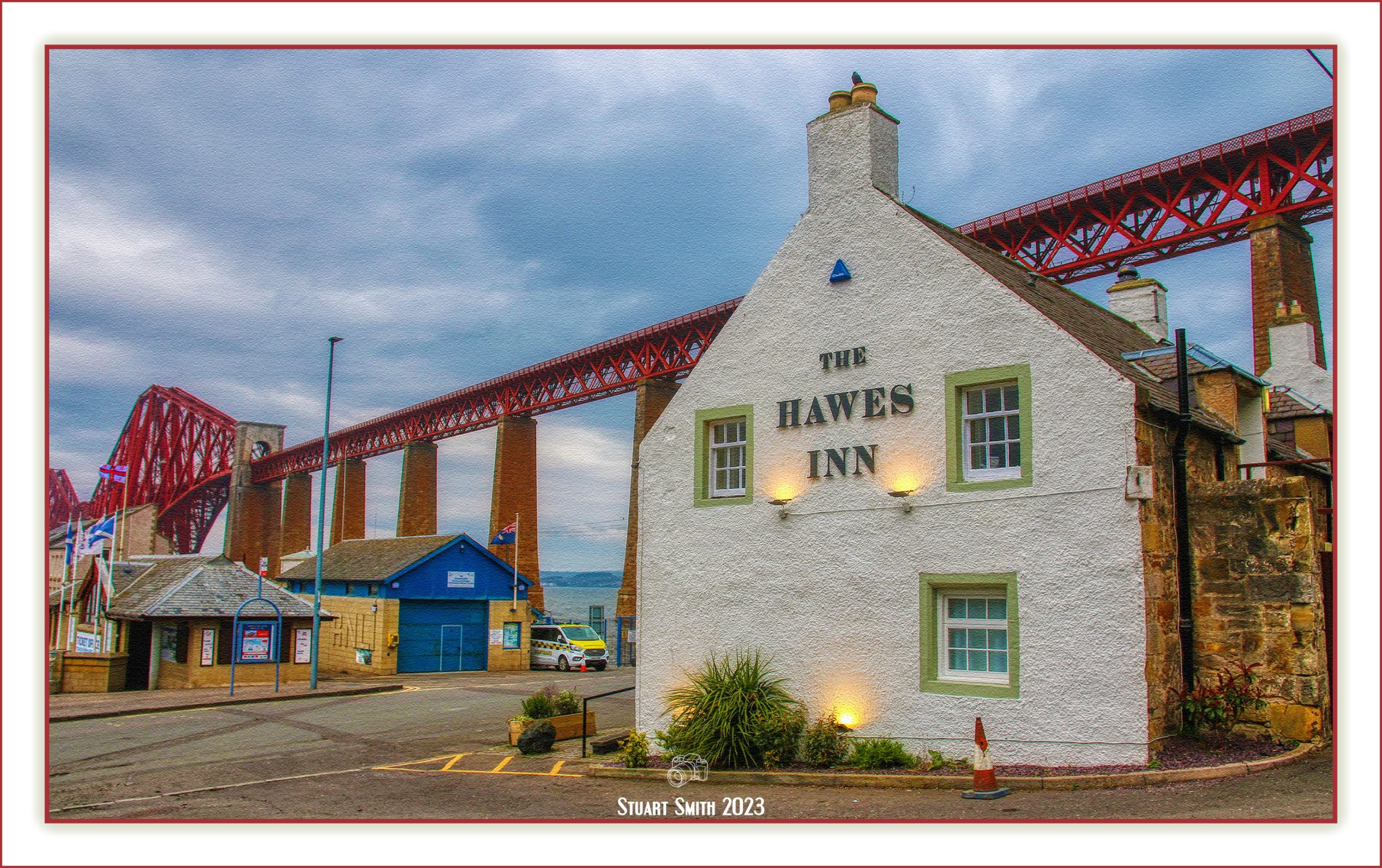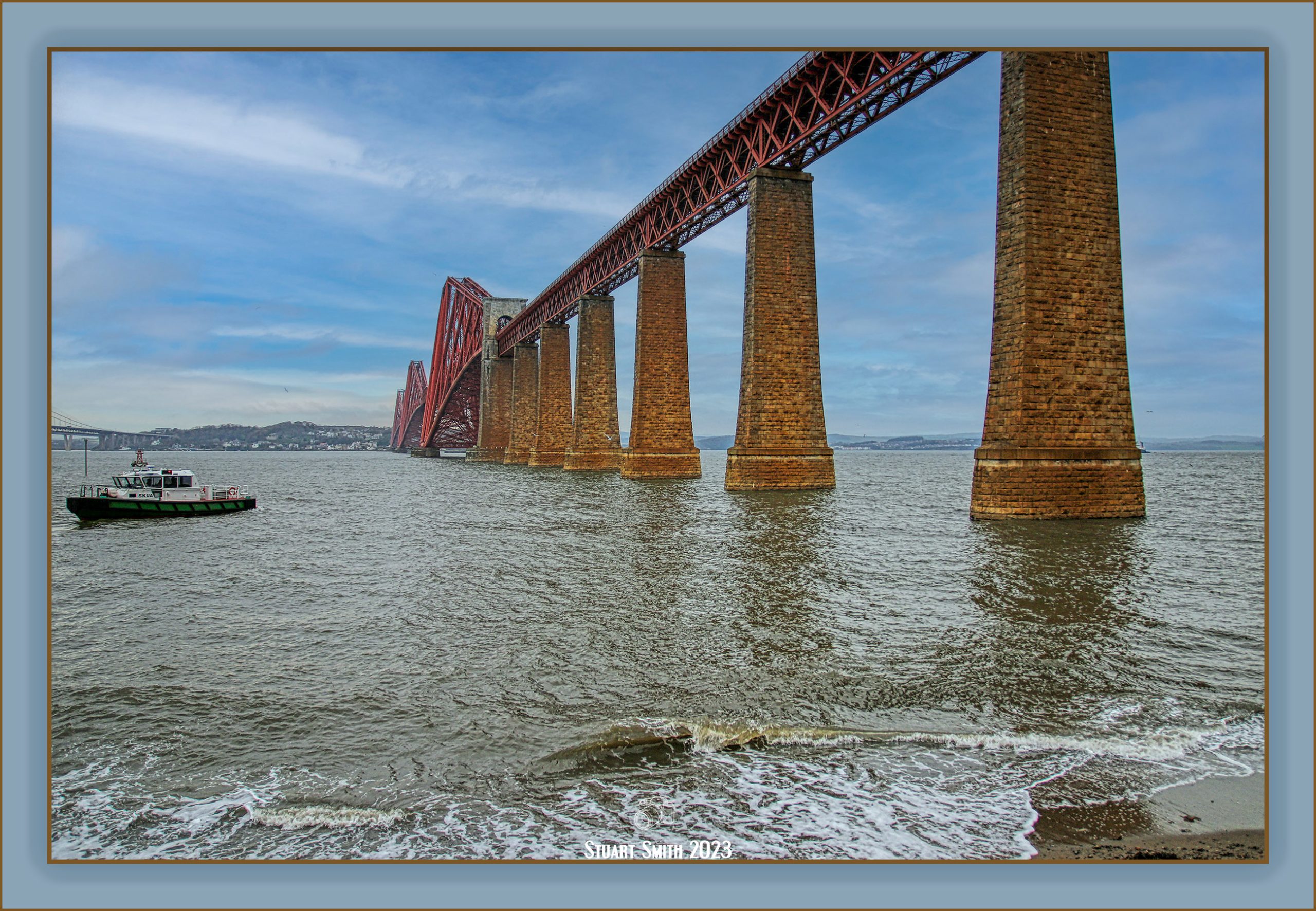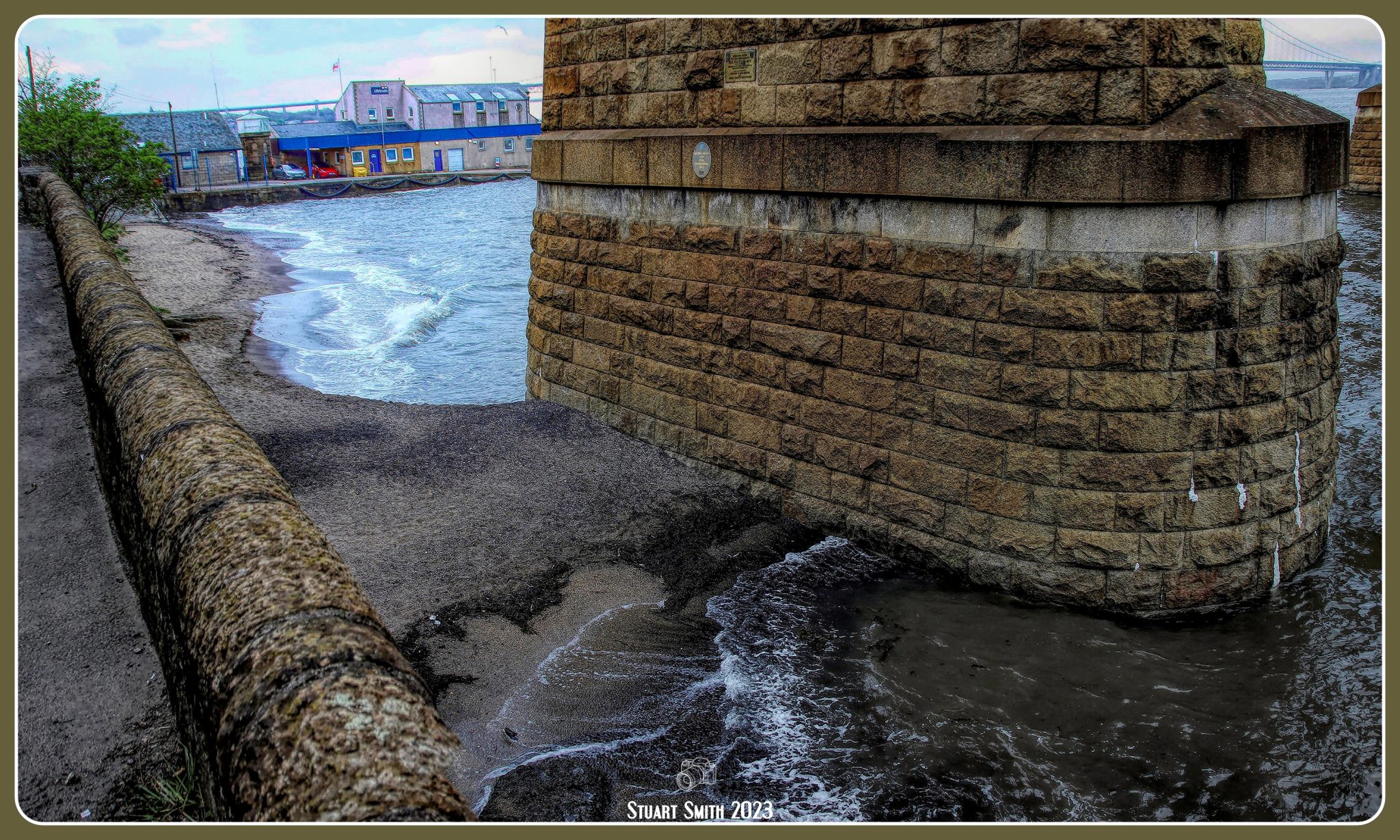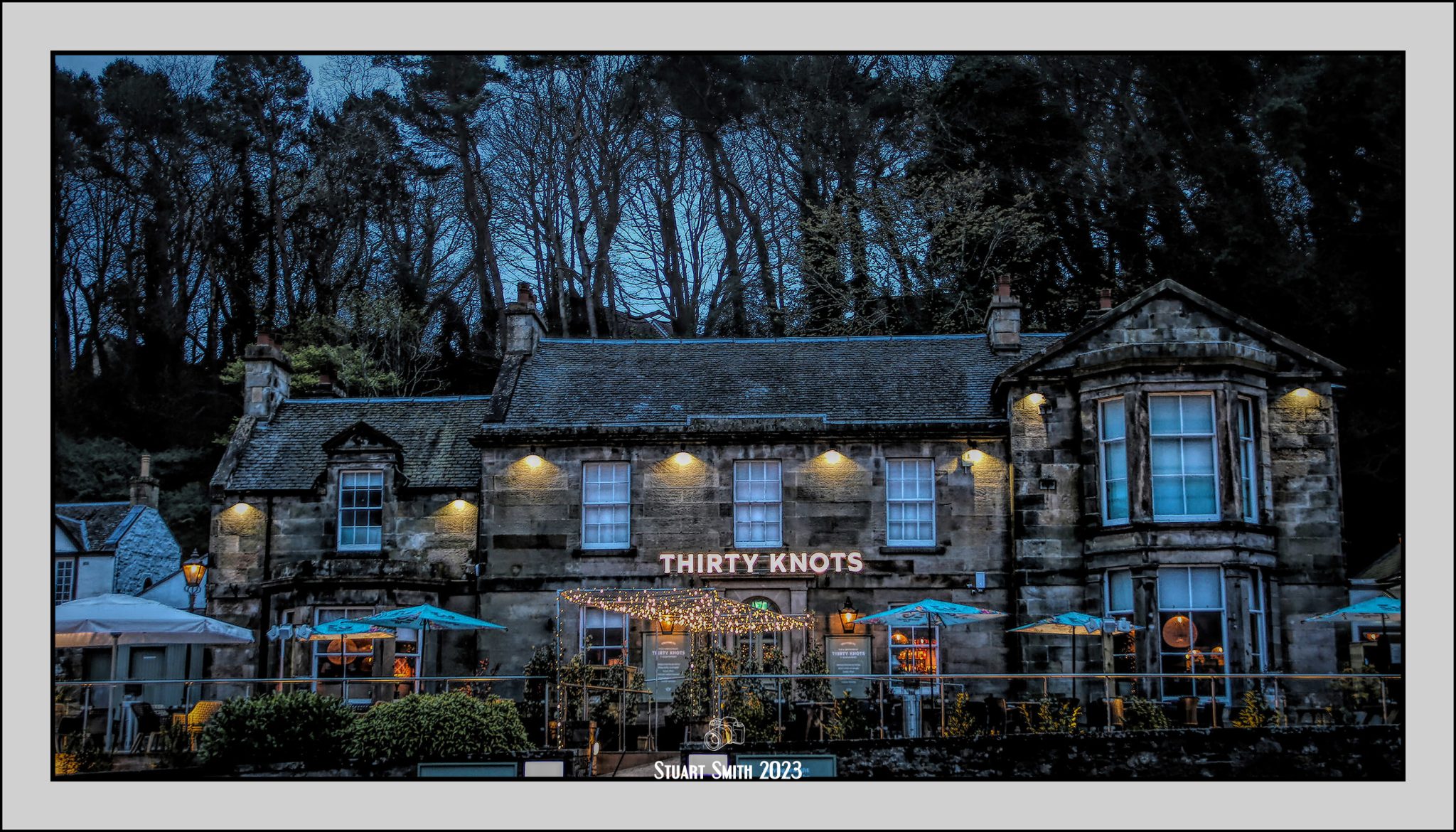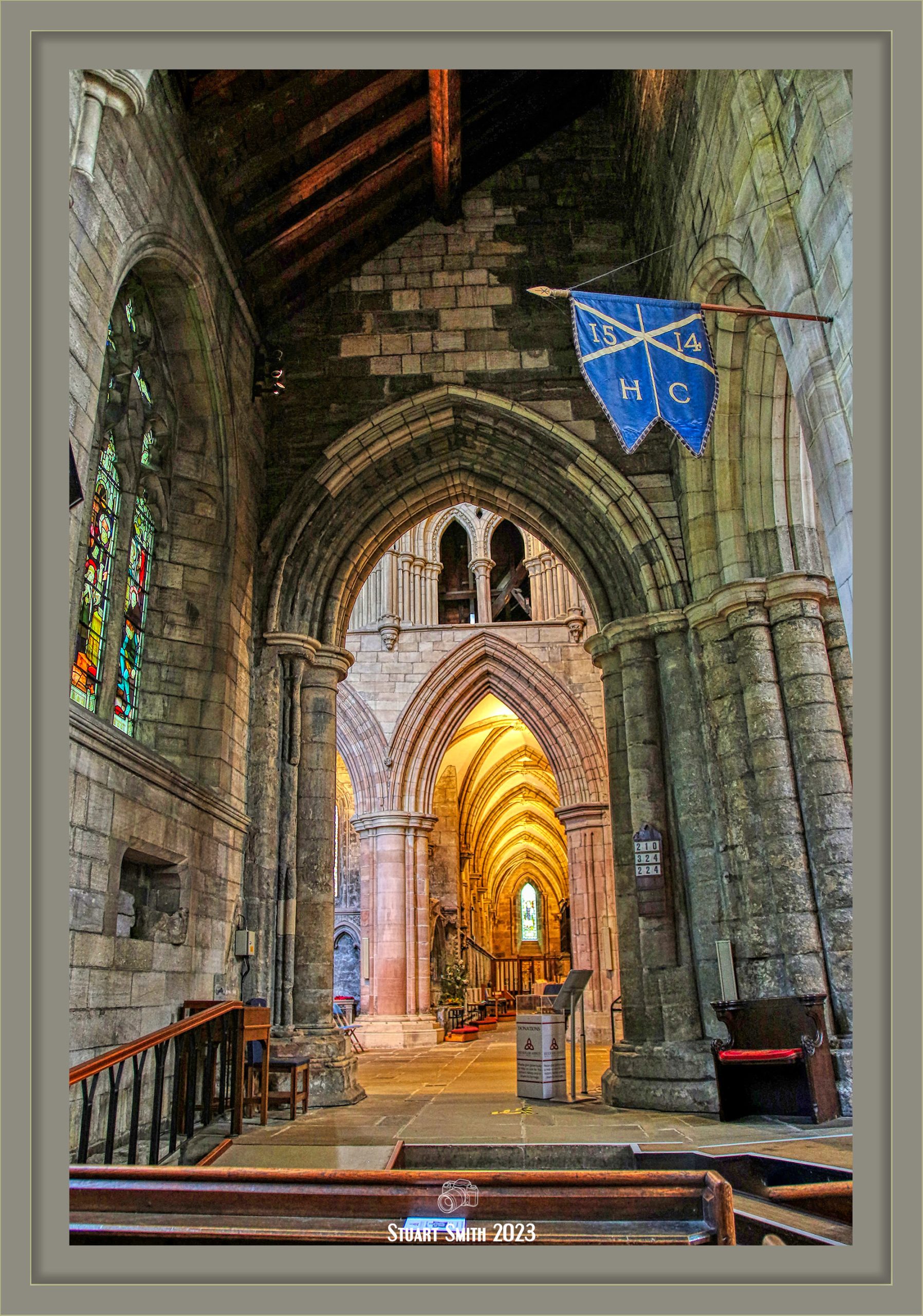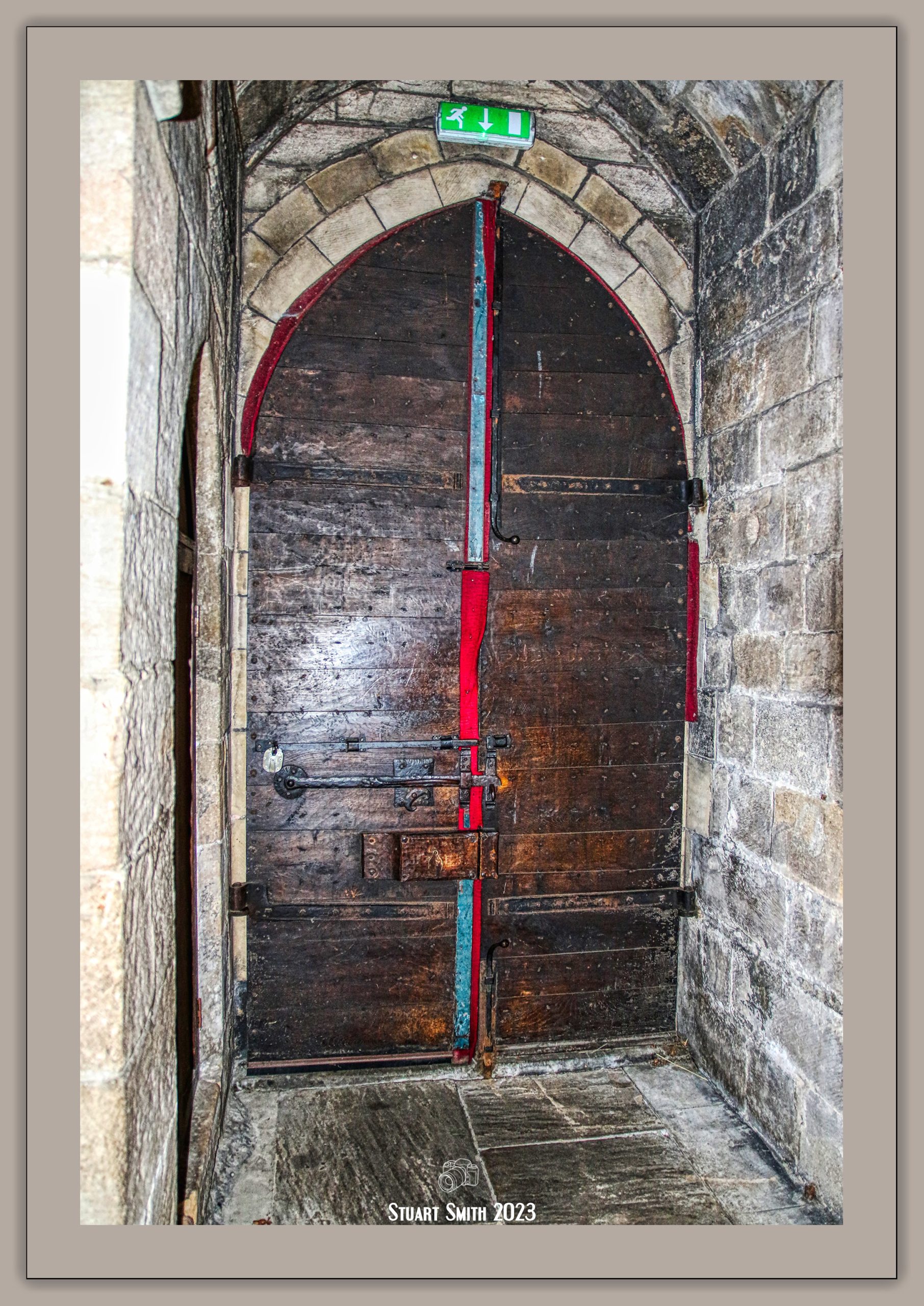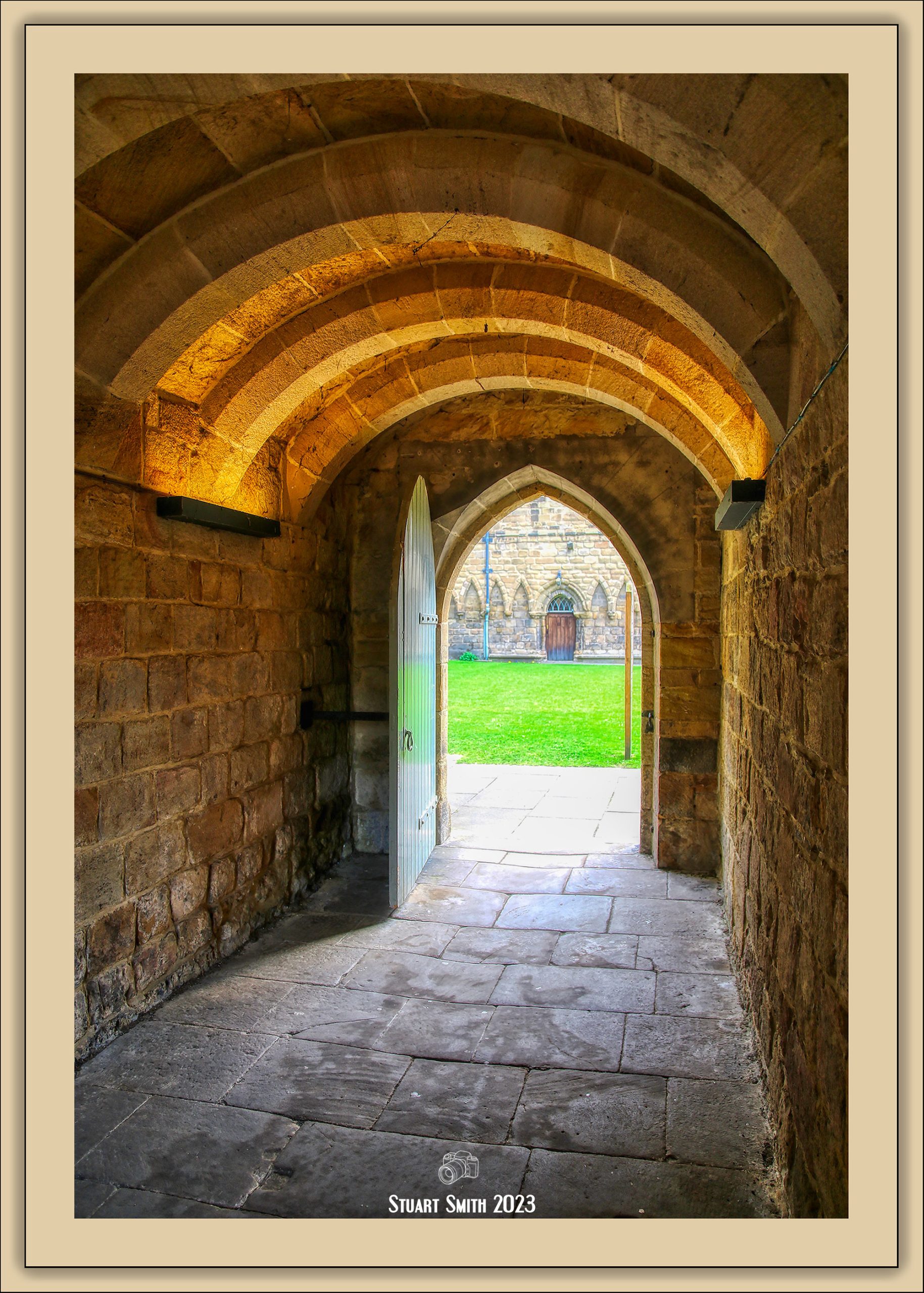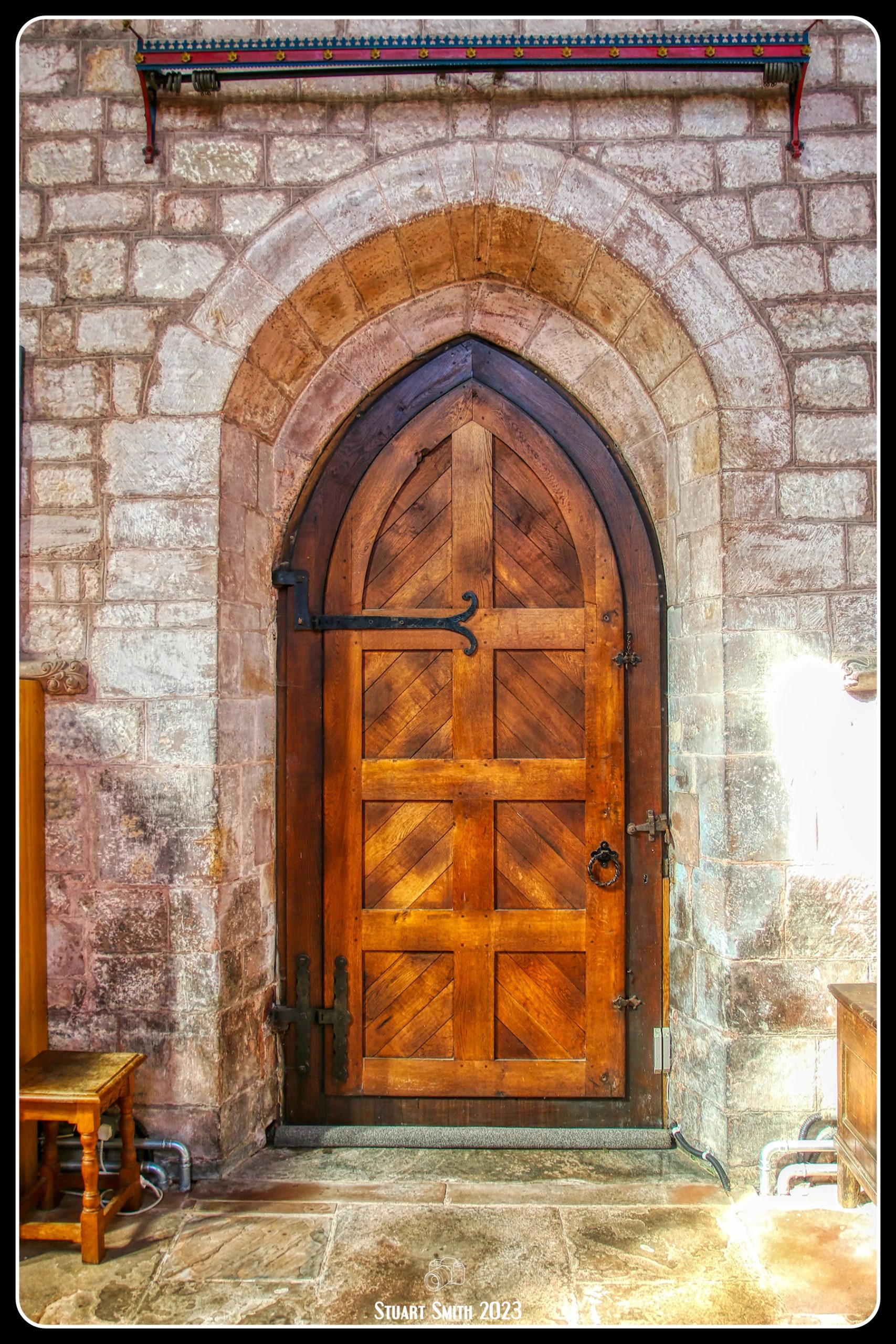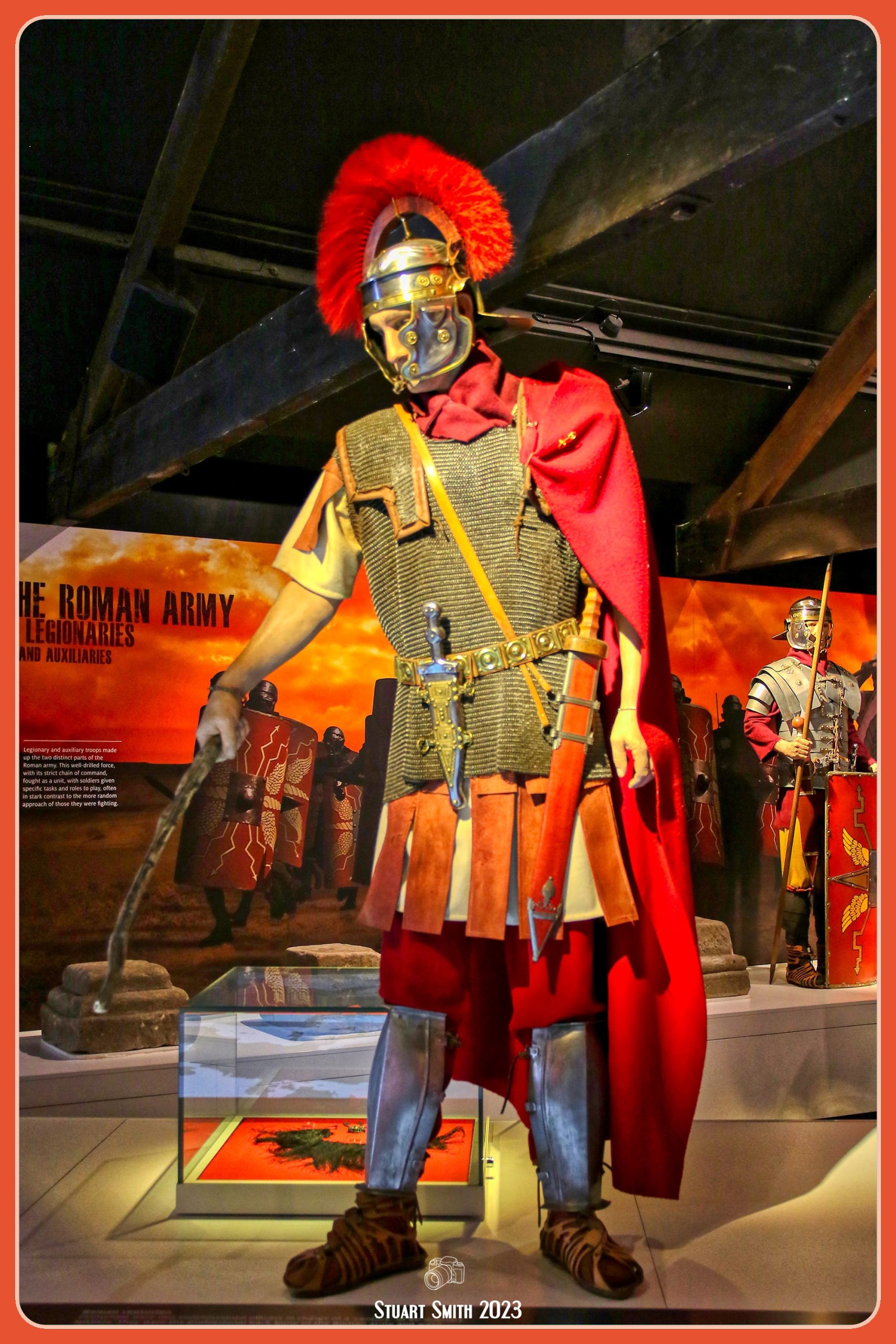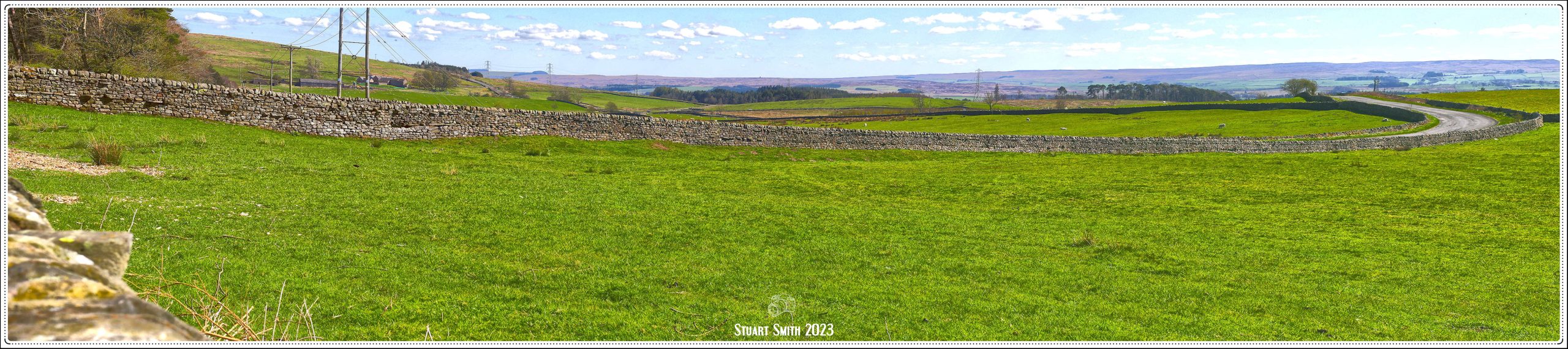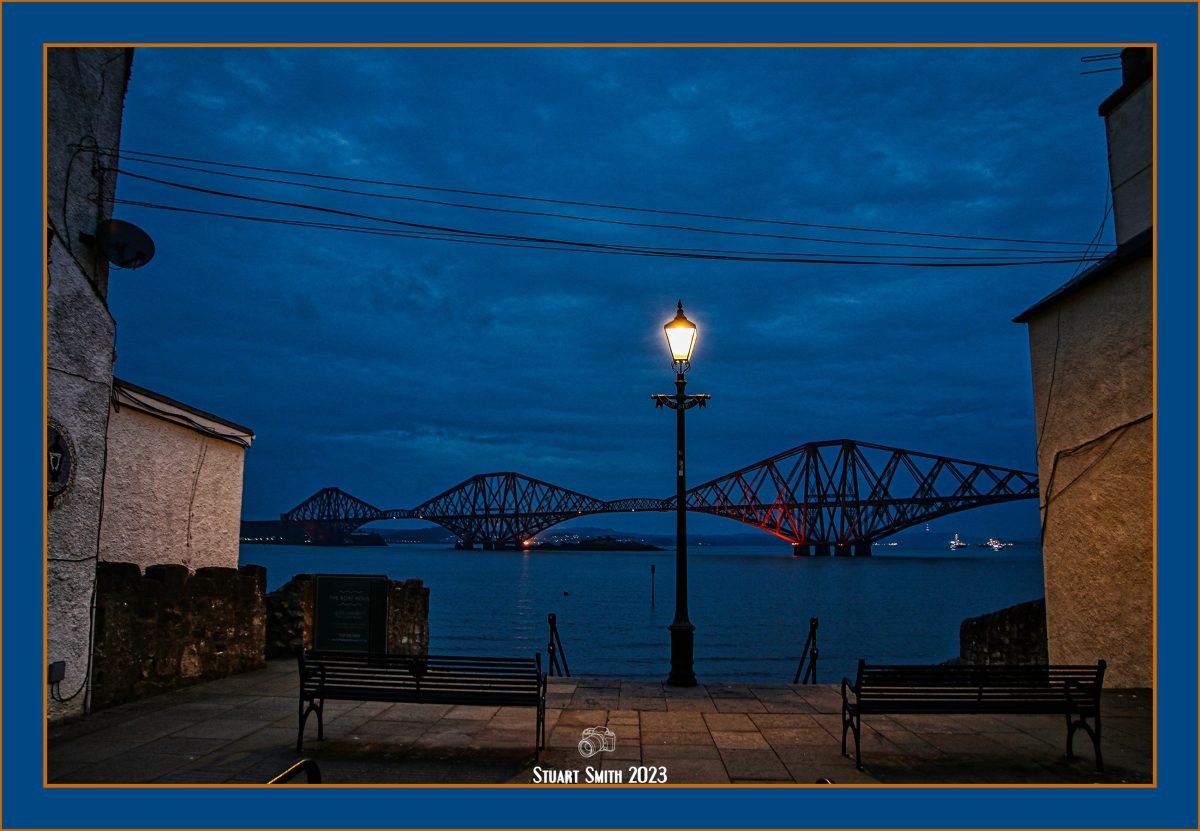
HAYDON BRIDGE to SOUTH QUEENSFERRY (Scotland)

We proceed further on our trip leaving Haydon Bridge and heading across the border and into Scotland with our destination and stay for the next few days being South Queensferry

Google Maps View of Locations

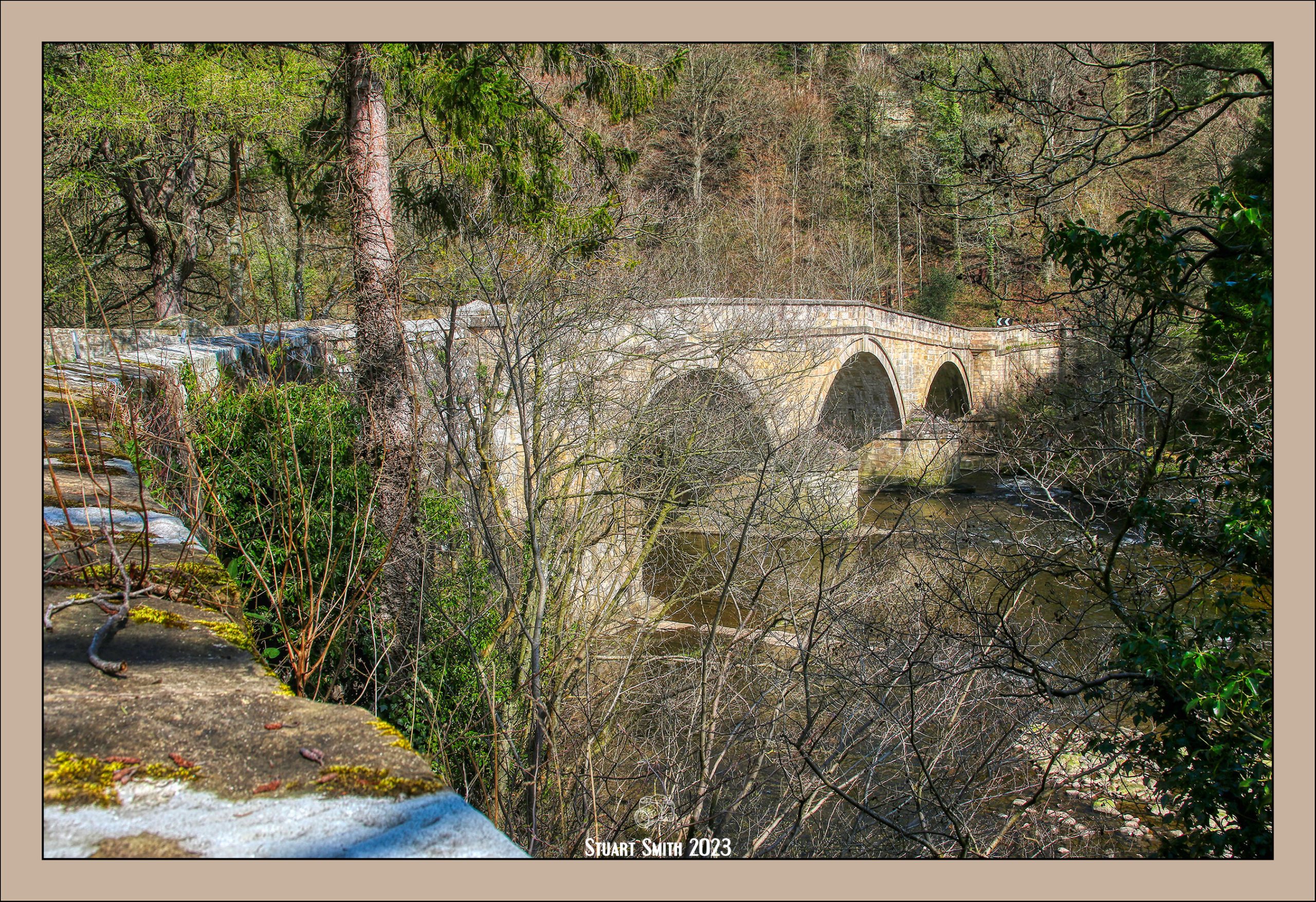
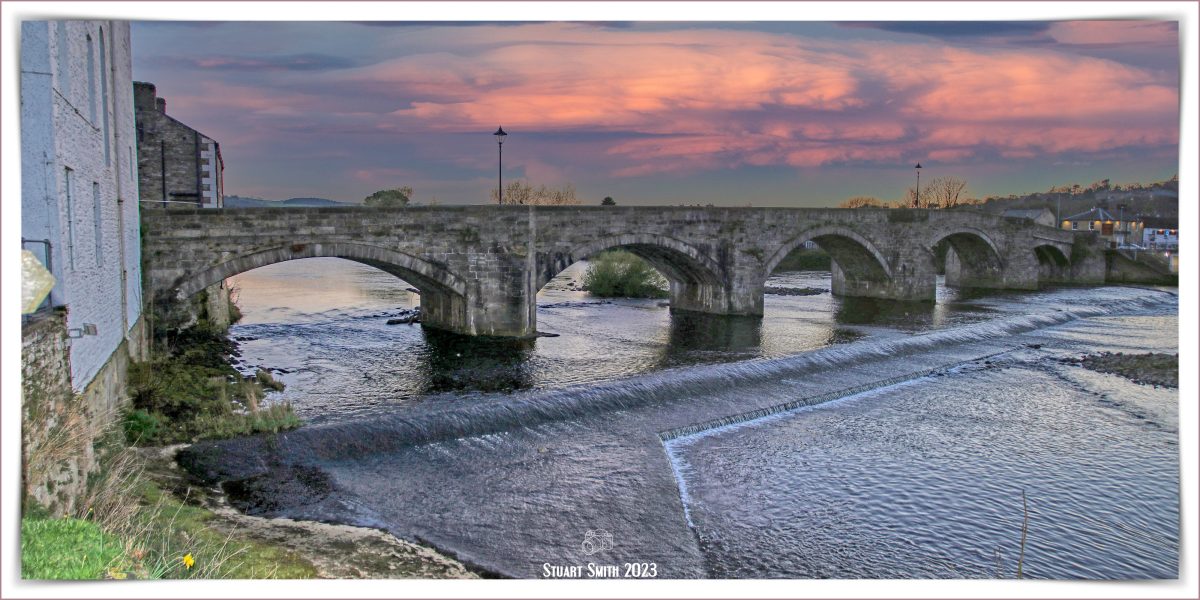
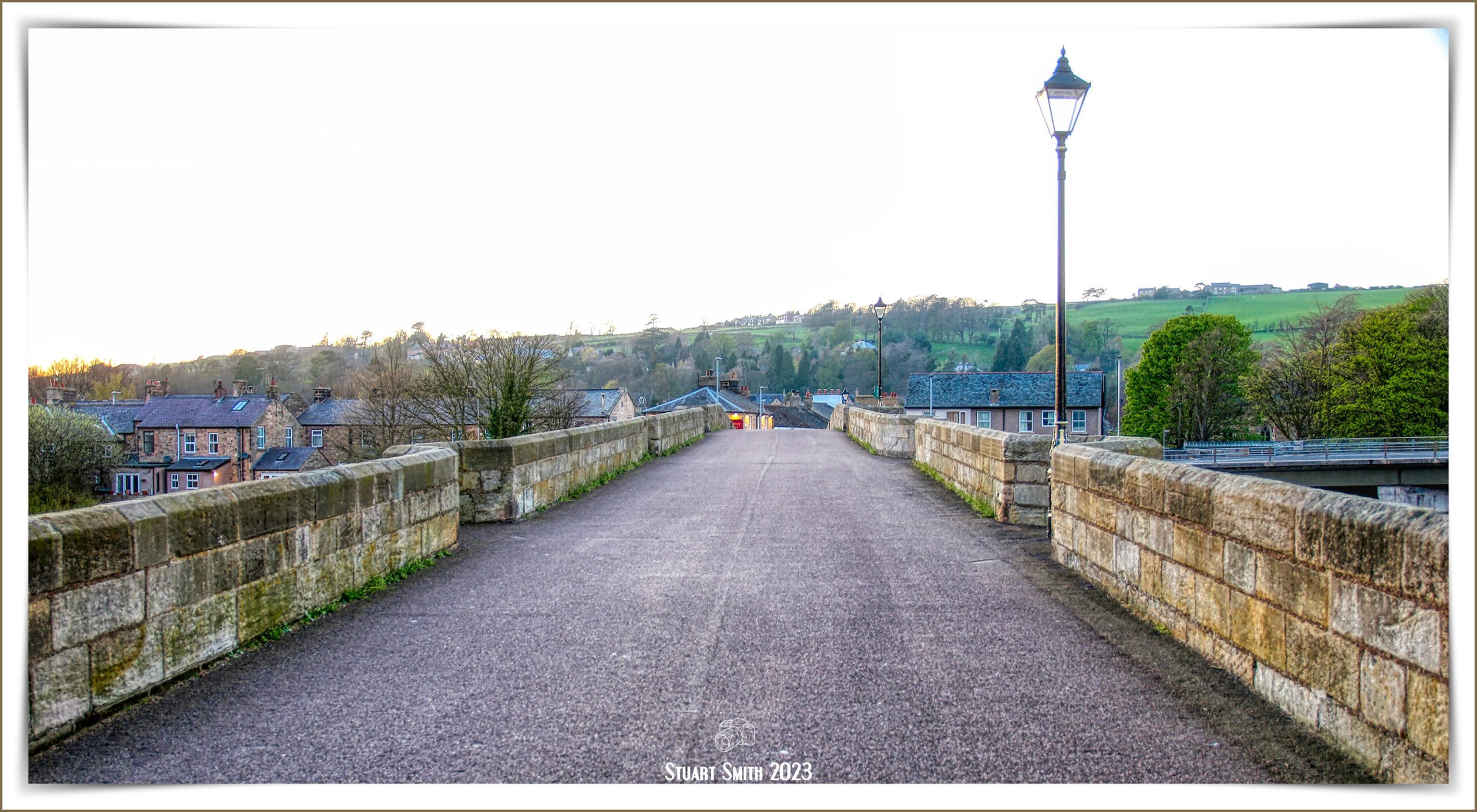
Old Bridge, Haydon Bridge, Northumberland, England UK

The old bridge built in 1680 is now a pedestrian bridge only. It is a Grade II Listed Building

England-Scotland Border Stone, Carter Bar, Jedburgh, Scottish Borders, Scotland UK

Jedburgh Abbey, Abbey Bridge End, Jedburgh, Roxburghshire, Scotland, UK

Jedburgh Abbey & Canongate Bridge, Abbey Bridge End, Jedburgh, Roxburghshire, Scotland, UK

Jedburgh is one of the four great abbeys established in the Scottish Borders in the 1100s. David I founded a priory here in 1138 and raised it to abbey status in 1154. The brethren may have come here from St Quentin Abbey, near Beauvais, France.  Monastic life was largely routine. But the abbey’s border location meant it was caught up in the conflict between Scotland and England in the later Middle Ages. The canons had to evacuate the premises during the Wars of Independence in the 1300s. The demise of Jedburgh’s monastic life was sealed by further attacks in the 1400s, major raids in the 1500s & the Protestant Reformation of 1560.

We did not visit the ruins as we had done so on a previous visit.

Trinity Church, Cnr Newcastle & Oxnam Roads, Jedburgh, Roxburghshire, Scotland UK

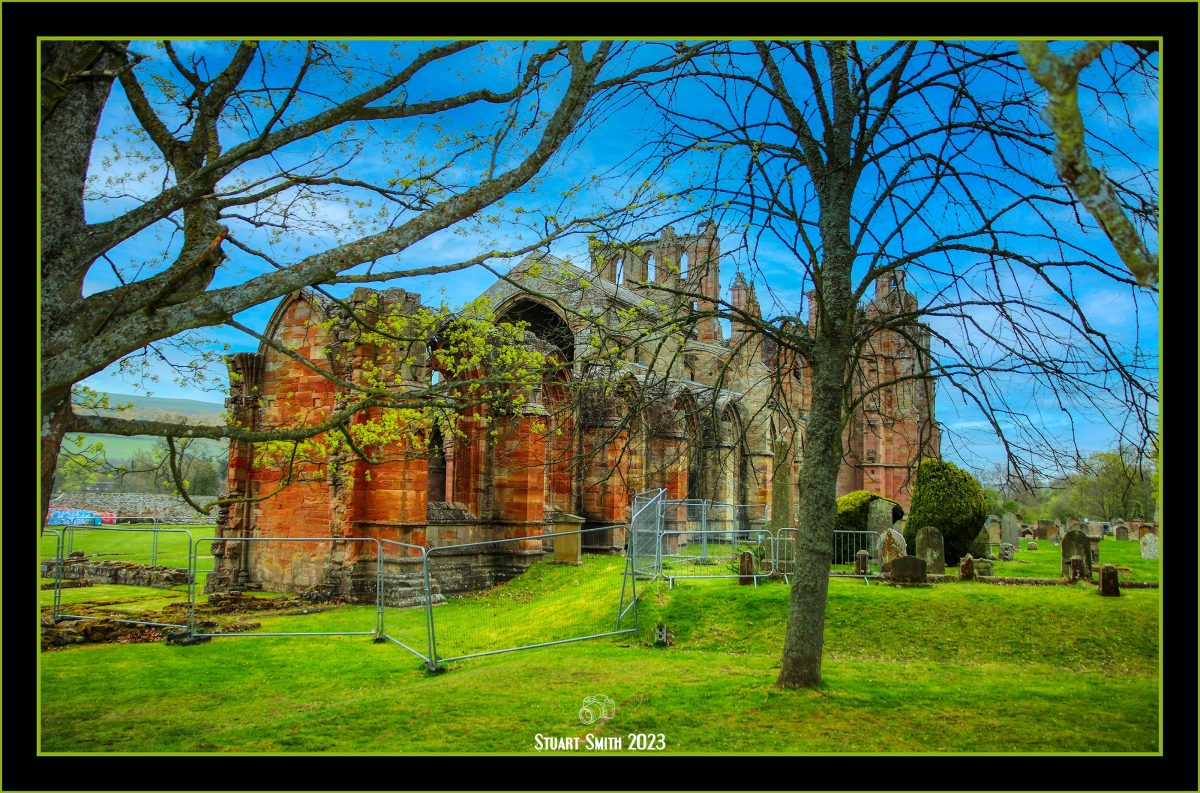
Melrose Abbey Ruins, Abbey Street, Melrose, Roxburghshire, Scottish Borders, Scotland UK

Unfortunately I could only walk around the outside of the building itself as it was undergoing preservation work and was considered dangerous within the ruin.

The abbey was founded in 1136 by King David I of Scotland. It was established by the Cistercian monks. It was attacked several times and following a foray by Richard II in 1385 it was completely rebuilt.

Only a very small part of the first abbey church survives. The present building of rose-coloured stone dates almost entirely to the post-1385 rebuilding. Yet Melrose is still considered one of the most magnificent examples of medieval church architecture anywhere in the British Isles.

It is the place where the heart of Robert the Bruce was interred.

Commendator’s House Museum, Cloisters Road, Melrose, Roxburghshire, Scottish Borders, Scotland UK

The Commendator’s House Museum lays claim to having the largest collection of medieval artefacts on display anywhere in Scotland. It forms part of Melrose Abbey.

A commendator is a person who is responsible for overseeing a benefice, which is a type of church property. They are called “commendators” because the property is entrusted to their care. In history, a “commendatus” was someone who swore loyalty to a lord and was placed under their protection.

Doors of the Commendator’s House, Cloisters Road, Melrose, Roxburghshire, Scottish Borders, Scotland UK
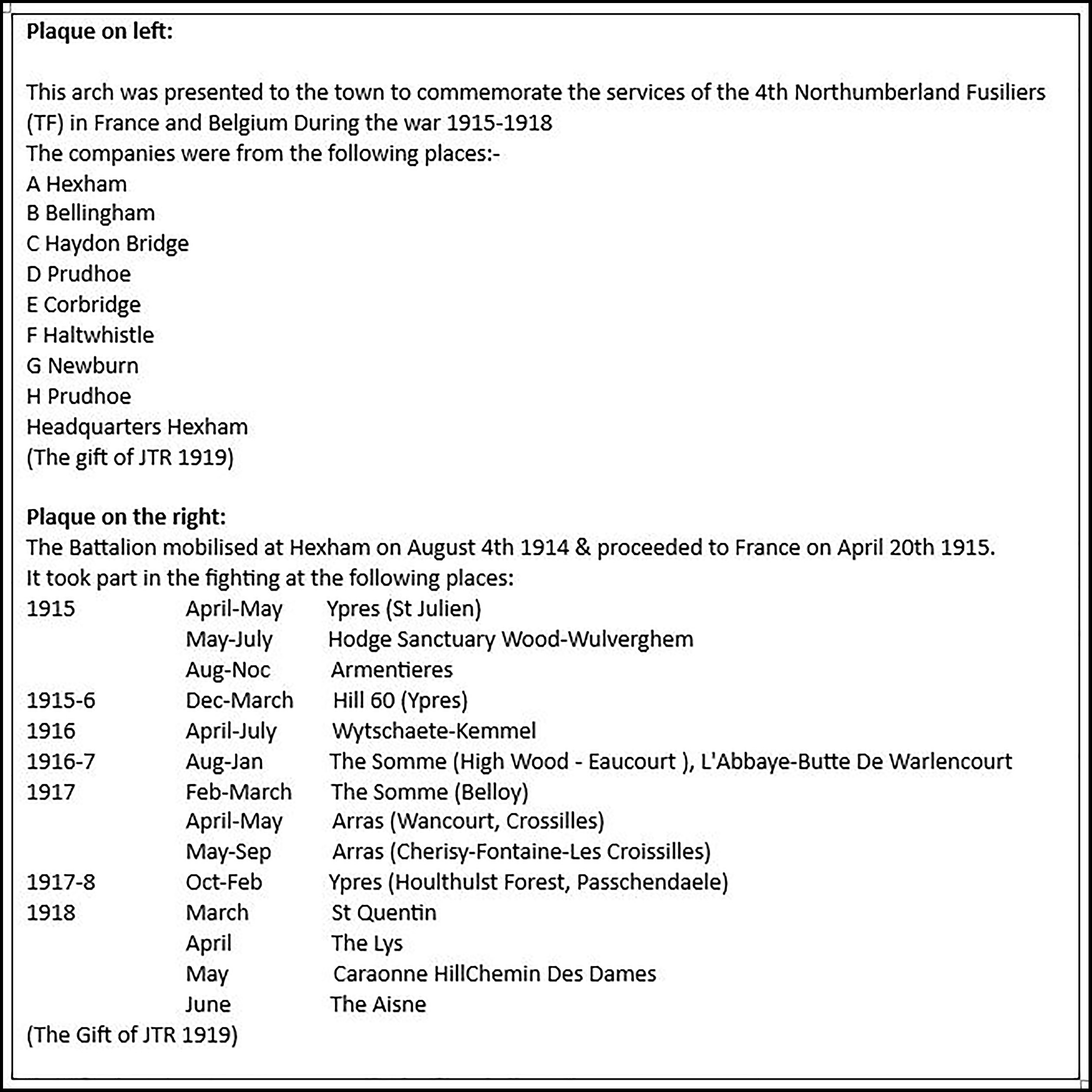
Image 1     *****     Image 2     ***** Image 3

The centre image is a door with a “Marriage Lintel”.  The initials of James Douglas, the Commendator of Melrose Abbey & those of his wife Mary Kerr of Ferniehirst (whom he married in 1587), appear with the date 1590 on a recut lintel over the main entrance. This was a common practice of the times but died out by the end of the 19th century.

The lintels serve as a record of a marriage and the joining together of two families, who were often aristocratic or monied. Lintels could be added to a building which was built specifically for the married couple, or were carved into a pre-existing lintel. They were always set over the main entrance and some also appear inside houses, above the most visible fireplace. Wherever they were placed, they were meant to be seen. They are a feature of the east coast of Scotland and date primarily from the sixteenth to the eighteenth centuries.

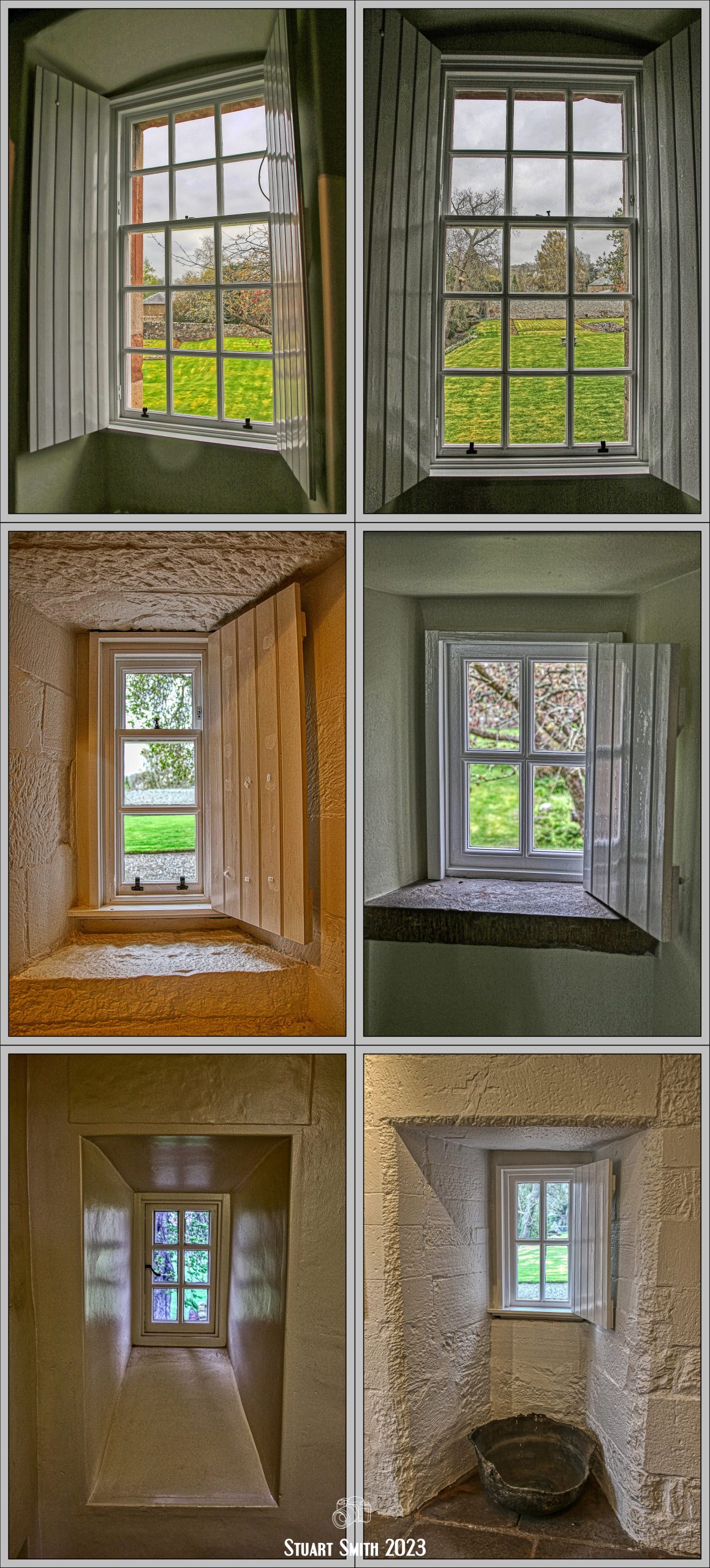
Windows, Commendator’s House, Melrose Abbey, Cloisters Road, Melrose, Roxburghshire, Scottish Borders, Scotland UK

Window 1 Window 2
Window 3 Window 4
Window 5 Window 6

Corbels, Commendator’s House Museum, Cloisters Road, Melrose, Roxburghshire, Scottish Borders, Scotland UK

Corbel 1 Corbel 2

Corbels were supports for the beams set into walls. These came from domestic buildings associated with the abbey. c1200s

Road Sign, Cloisters Road, Melrose, Roxburghshire, Scottish Borders, Scotland UK

Old Stone Gate Posts, Harmony Cottage, Abbey Street, Melrose, Roxburghshire, Scottish Borders, Scotland UK

Image 1 Image 2

Turret Clock Works, Commendator’s House, Cloisters Road, Melrose, Roxburghshire, Scottish Borders, Scotland UK

This was erected on the end of the abbey church in 1762.

Old Tweed Bridge, River Tweed, Galashiels, Roxburghshire, Scottish Borders, Scotland UK
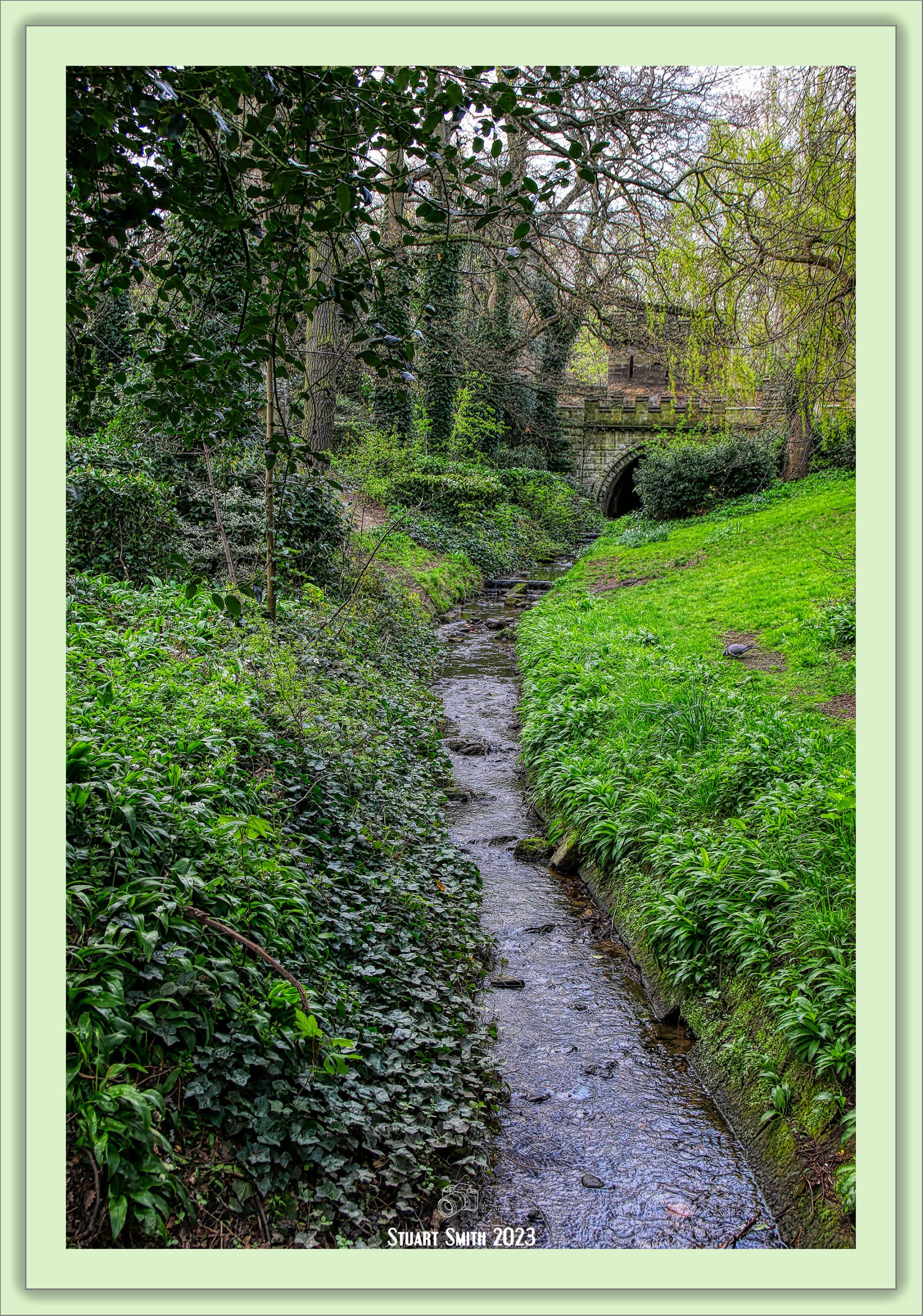
Image 1 Image 2 Image 3

The Old Tweed Bridge was opened by Sir Walter Scott in 1832. Having operating as the main link between Selkirk and Galashiels for 140 years. It is now a dedicated pedestrian bridge.

HEXHAM & ALLENDALE TOWN, NORTHUMBERLAND

Google Maps View of Locations

Benson of Allerwash Memorial Gates, Hexham Park, Cnr Hencotes & Beaumont Street, Hexham, Northumberland, England UK

Erected in 1912 in memory of Lieut. Col. G. E. Benson of Allerwash, [died 1901], by his brother. It is a Grade II Listed Building.

Queen’s Hall, Beaumont Street, Hexham, Northumberland, England UK

“Completed in 1866 as the Town Hall and Corn Exchange, by the 1920s it contained a dance hall and the Queen’s Hall cinema. It was saved from demolition in 1975 and re-opened as the Queen’s Hall Arts centre with a library, art rooms, theatre and gallery. It is a Grade II Listed Building.

Arched Memorial Gateway, Seles Park, Beaumont Street, Hexham, Northumberland, England UK
Descriptions on the dedication plaques.

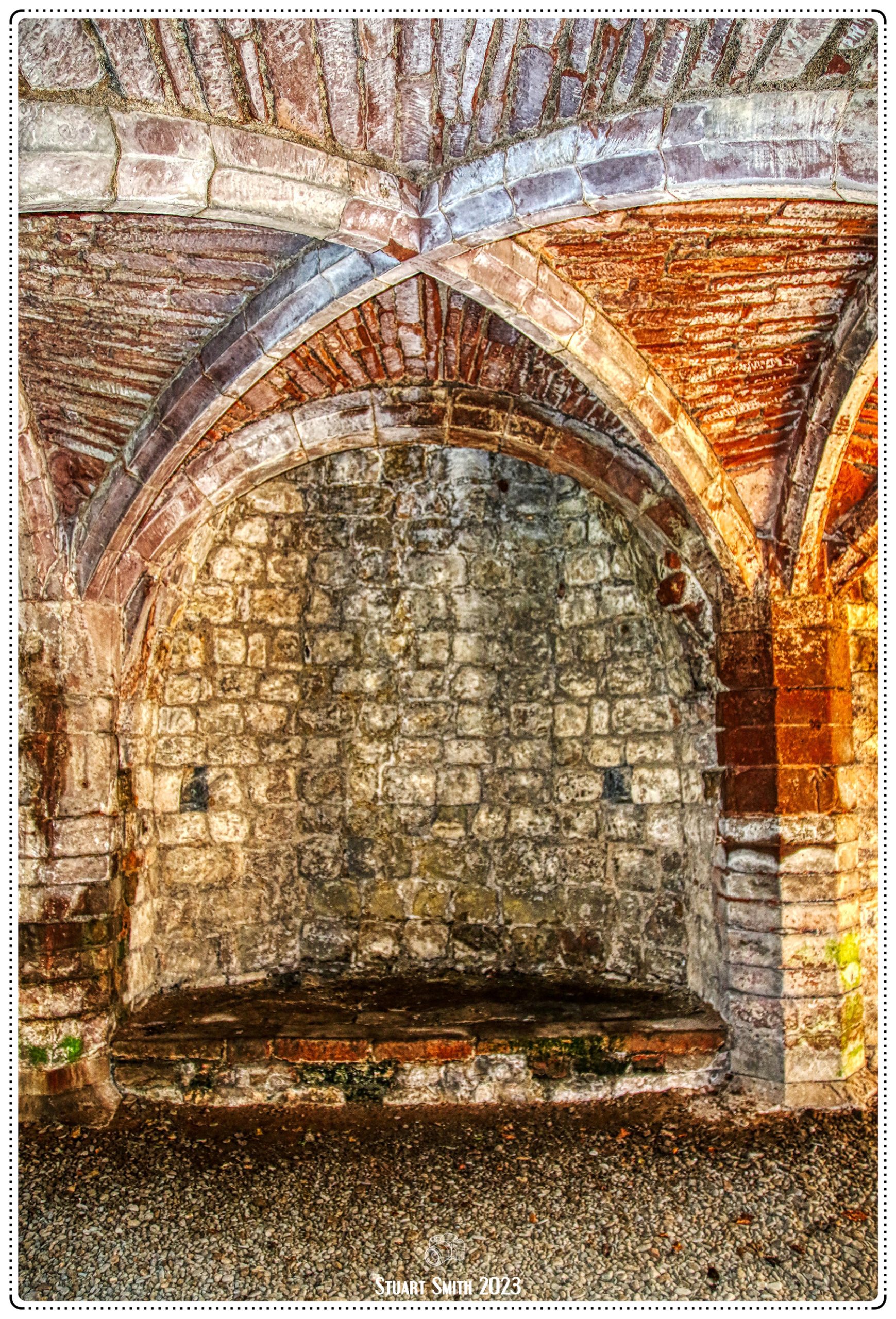
Unusual Recess in Wall, Hexham Abbey Museum, Beaumont Street, Hexham, Northumberland, England UK

Stone Arch, Cowgarth, Hexham, Northumberland, England UK

Park Entrance, Cowgarth, Hexham, Northumberland, England UK

Bridge Structure over Halgut Burn, Cowgarth, Hexham, Northumberland, England UK

Halgut Burn, Hexham Park, Cowgarth, Hexham, Northumberland, England UK
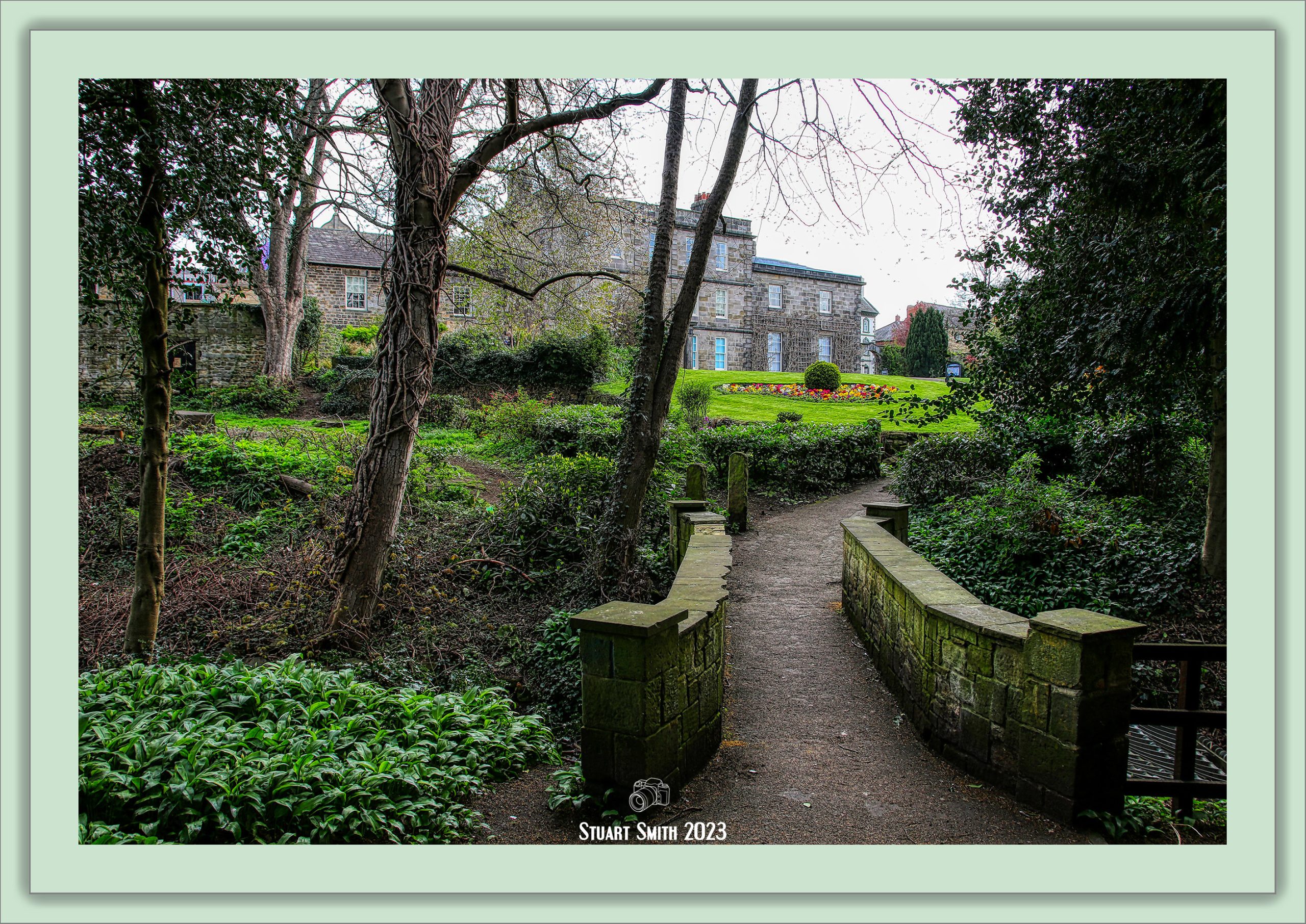
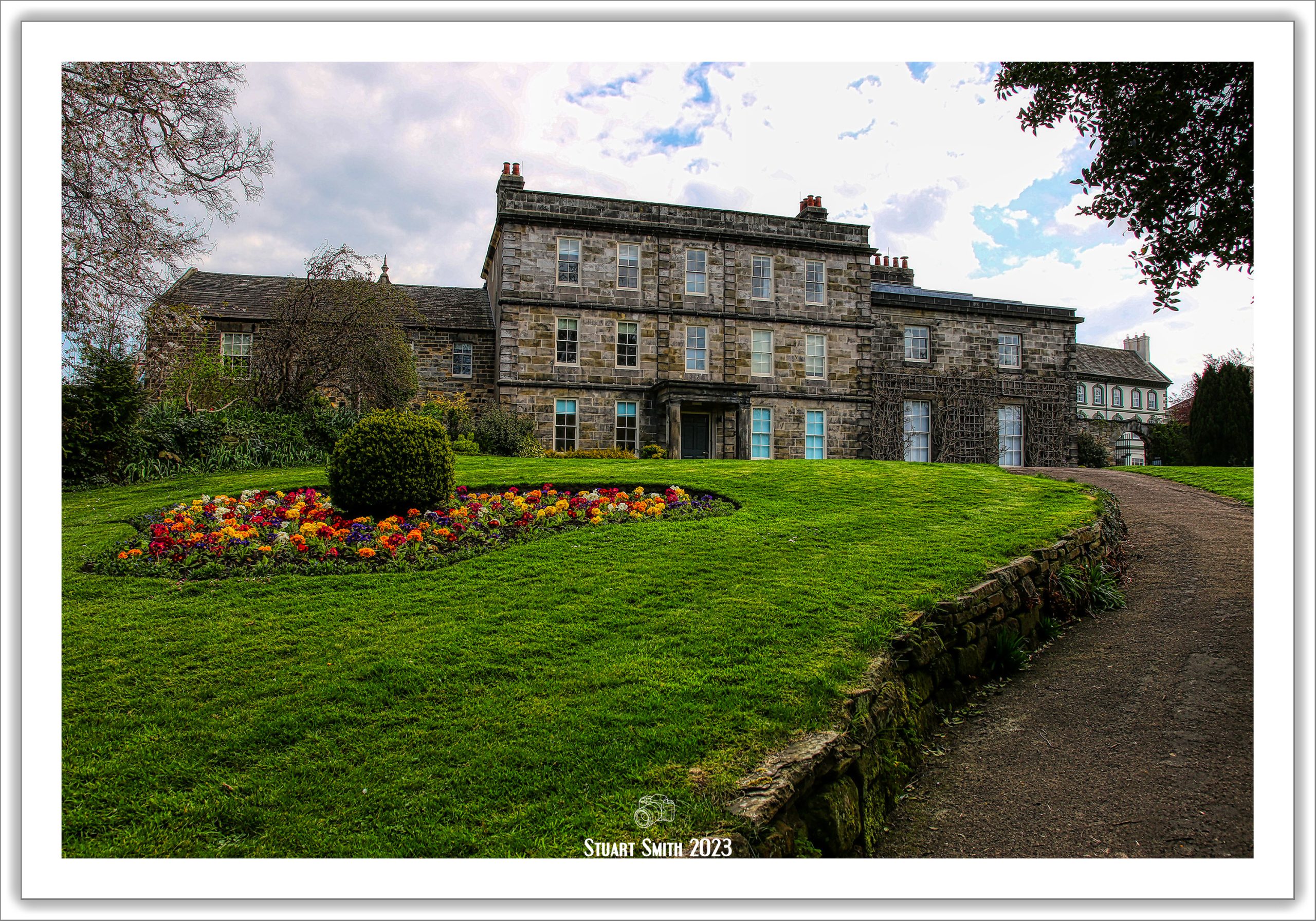
Hexham House is a Grade II Listed Building

Hexham House & Garden, Gilesgate, Hexham, Northumberland, England UK
Park Bench, Hexham Park, Cowgarth, Hexham, Northumberland, England UK

Hexham Bandstand, The Sele, Beaumont Street, Hexham, Northumberland, England UK

The bandstand built in 1912, is a Grade II Listed Building

Happy Dogs, Cowgarth, Hexham, Northumberland, England UK

Image 1 ****** Image 2

We came upon these two dogs bounding around the park and leaping onto and completely over this wall.

Garden, The Parish Centre, Cowgarth, Hexham, Northumberland, England UK

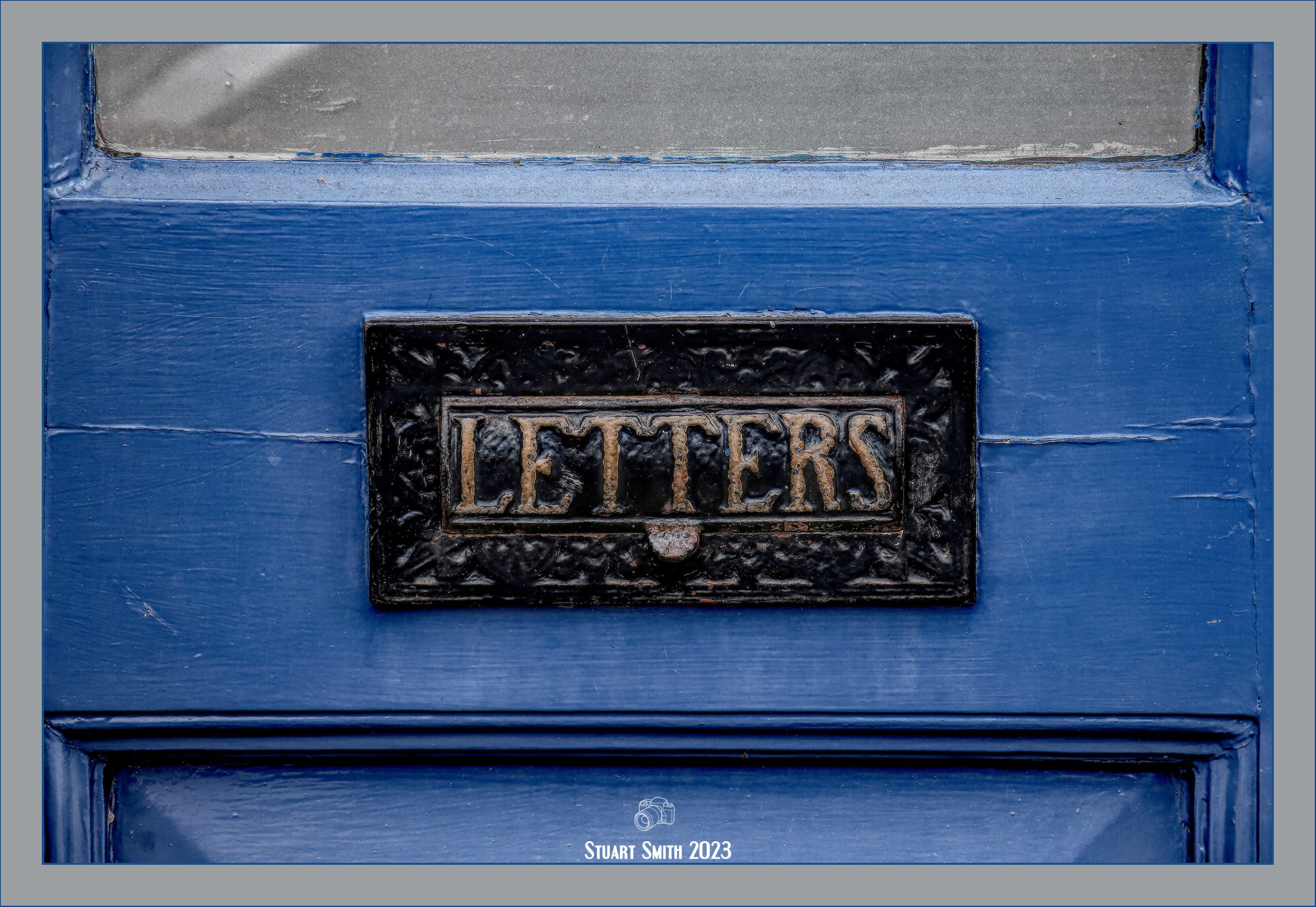
Letters, 9 Beaumont Street, Hexham, Northumberland, England UK

Planter, Beaumont Street, Hexham, Northumberland, England UK

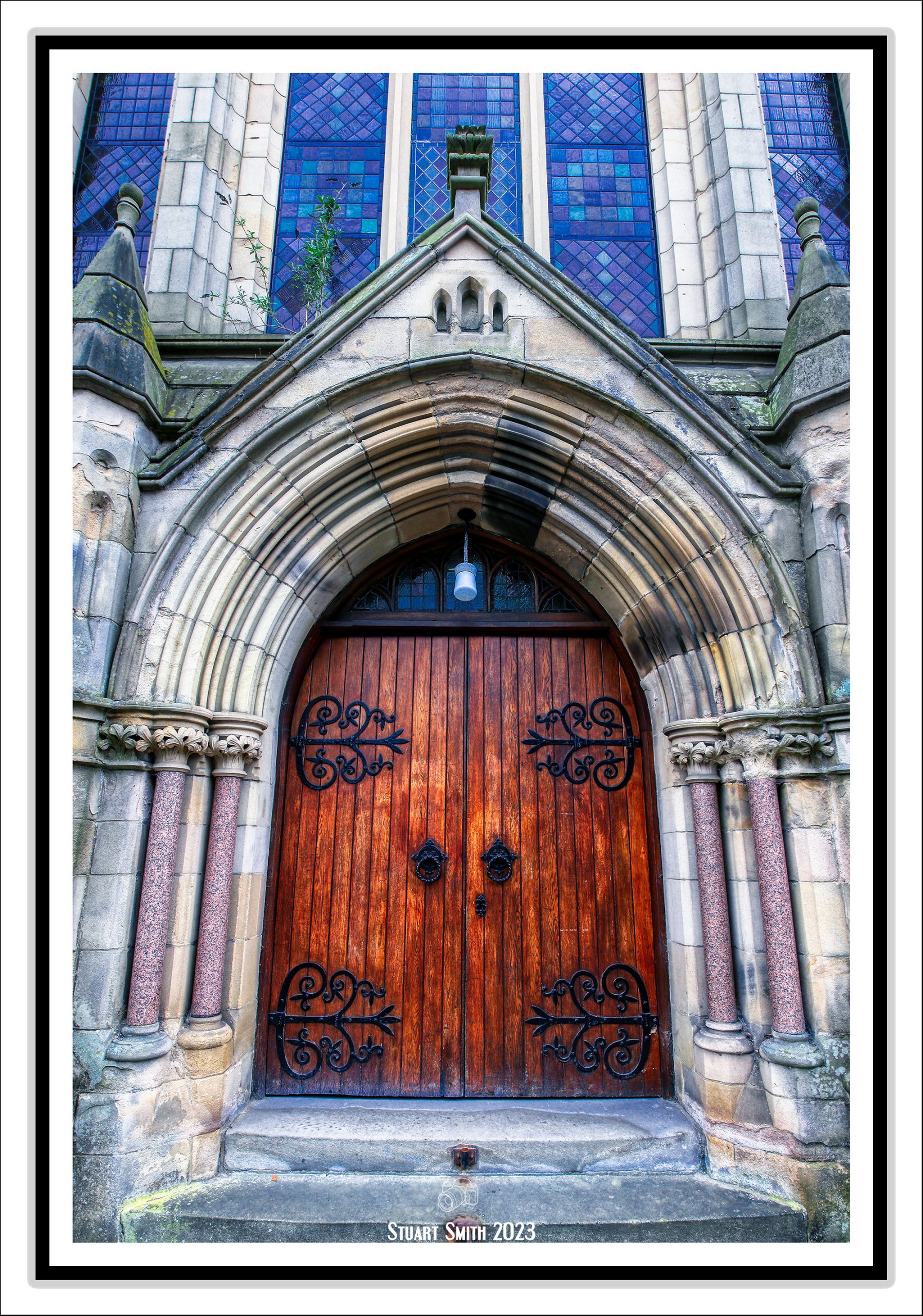
Doorway, Trinity Methodist Church, Beaumont Street, Hexham, Northumberland, England UK

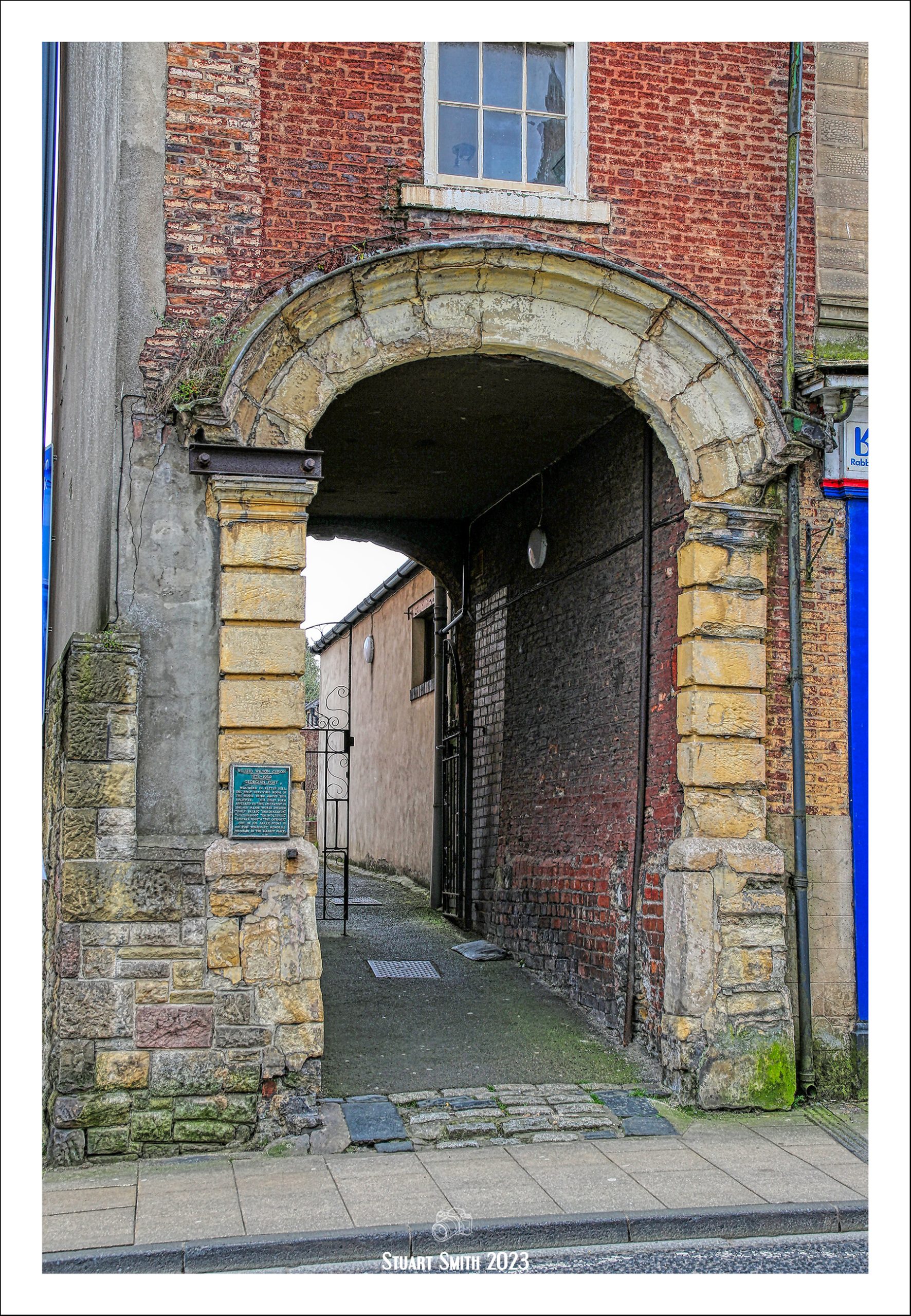
Archway, Hencotes, Hexham, Northumberland, England UK

The Historical Plaque on the Left Side of the Arch

Excelsior Buildings, Battle Hill, Hexham, Northumberland, England UK

The Globe Inn, Battle Hill, Hexham, Northumberland, England UK

Street Sign, St Marys Chare, Hexham, Northumberland, England UK

Chare:-
Noun. chare (plural chares) Alternative form of char (“turn, task, chore, worker”). (Northern England) A narrow lane or passage between houses in a town.

Door, St Marys Chare, Hexham, Northumberland, England UK

The Grapes, 1 St Marys Chare, Hexham, Northumberland, England UK

Old Pharmacy Sign, Fore Street, Hexham, Northumberland, England UK

The intricate carvings above Gibson’s Pharmacy in Hexham were produced in 1916 by a Belgian refugee. The contents of the pharmacy are now held in the Science Museum, London, while the shop has found another use.

“Shambles” Old Town Market, Market Place, Hexham, Northumberland, England UK

A Grade II Listed Building.

Old Door, Fore Street, Hexham, Northumberland, England UK

Anglo-Saxon Crypt, Hexham Abbey, Hexham, Northumberland, England UK

Queen Etheldreda of Northumbria gave Wilfrid land on which he built the Benedictine monastery dedicated to St Andrew which became Hexham Abbey and Cathedral. Only the crypt survives, but that shows how St Wilfrid’s great church was built from stone quarried by the Romans four or five centuries before. The crypt is over 1300 years old.

St Aidan’s Church, Hencote, Hexham, Northumberland, England UK

Memorial to George Elliott Benson, Cnr Hencotes & Beaumont Street, Hexham, Northumberland, England UK

Image 1 ****** Image 2

Hexham Community Church, Cnr Hencotes & Beaumont Street, Hexham, Northumberland, England UK

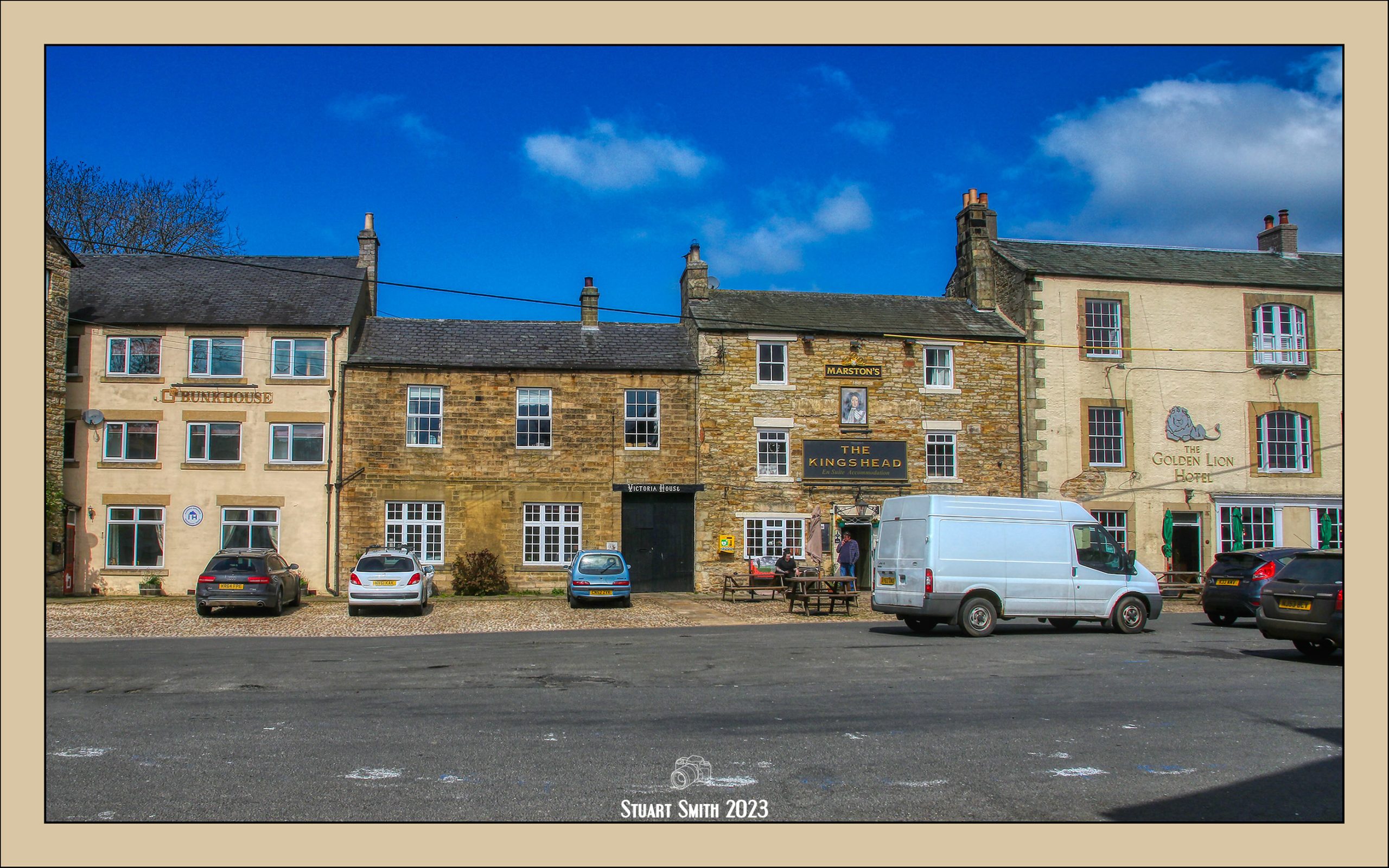
Pubs, Market Place, Allendale Town, Northumberland, England UK

The King’s Head & The Golden Lion

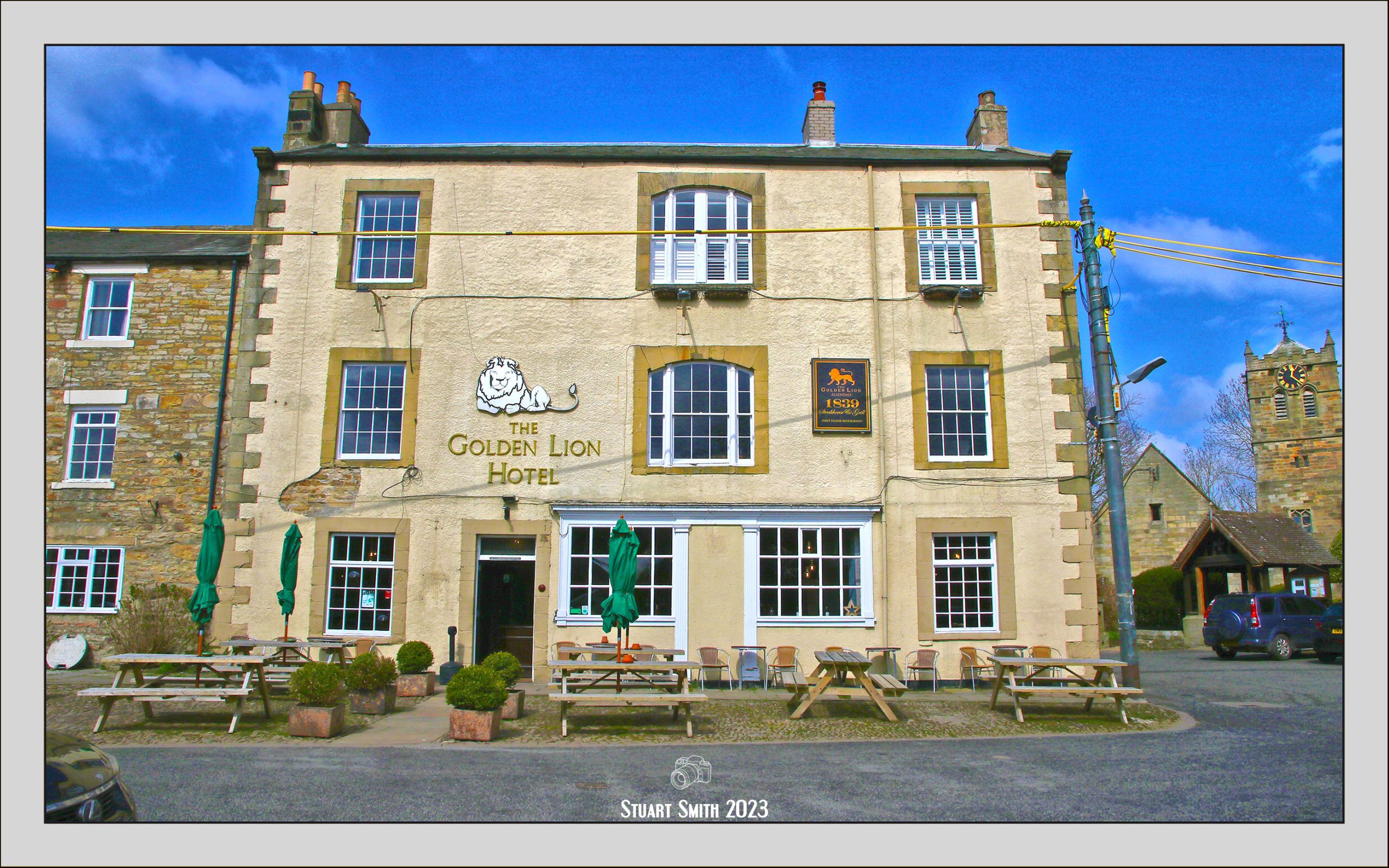
The Golden Lion Hotel, Market Place, Allendale Town, Northumberland, England UK

A Grade II Listed Building

Doorway, Victoria House, Market Place, Allendale Town, Northumberland, England UK

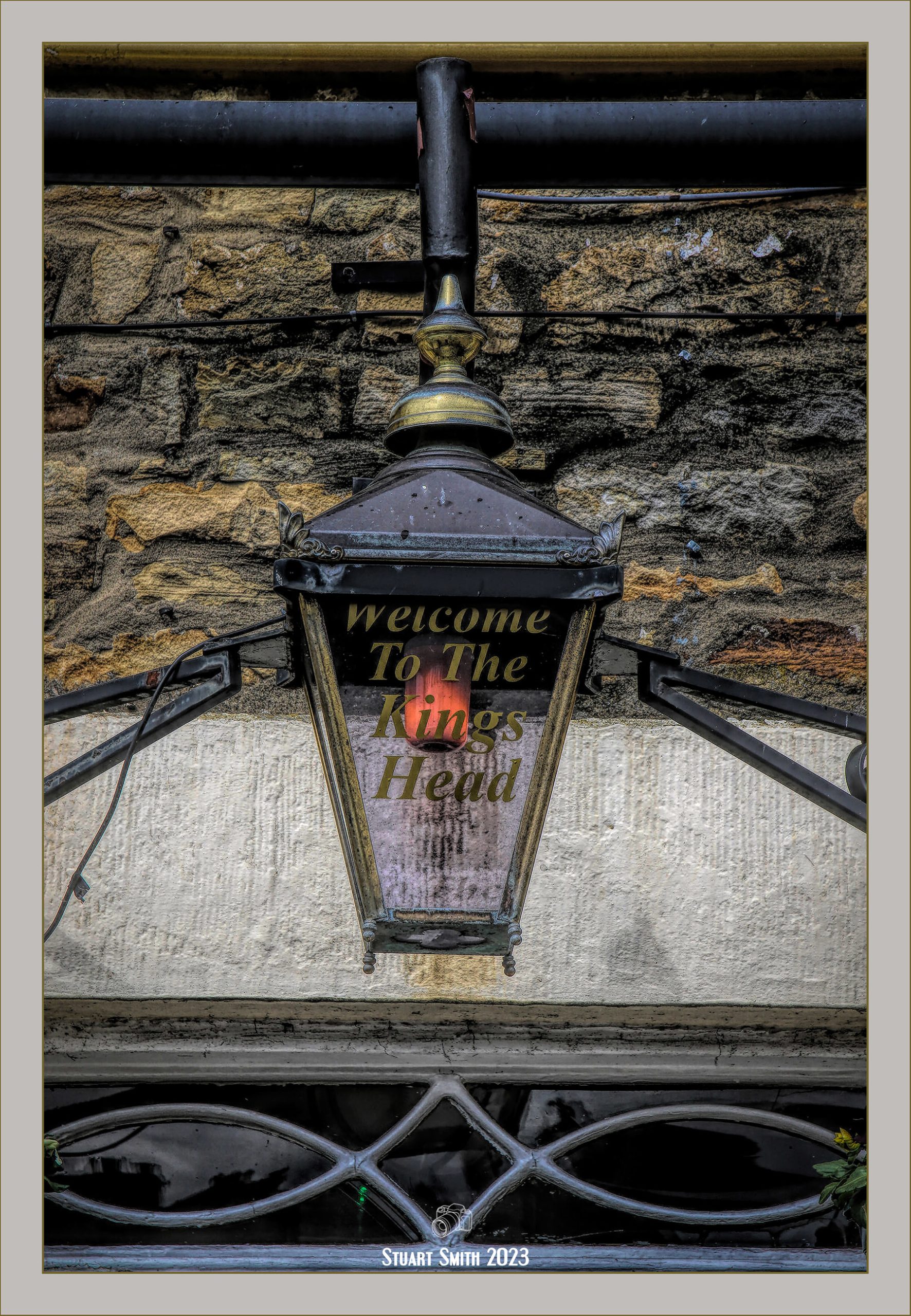
Door Lamp, The King’s Head, Market Place, Allendale Town, Northumberland, England UK

St Cuthbert’s Church, Market Place, Allendale Town, Northumberland, England UK

Grade II Listed Building

Parish church on medieval site built in 1874, except for lower part of tower which survives from the church of 1807

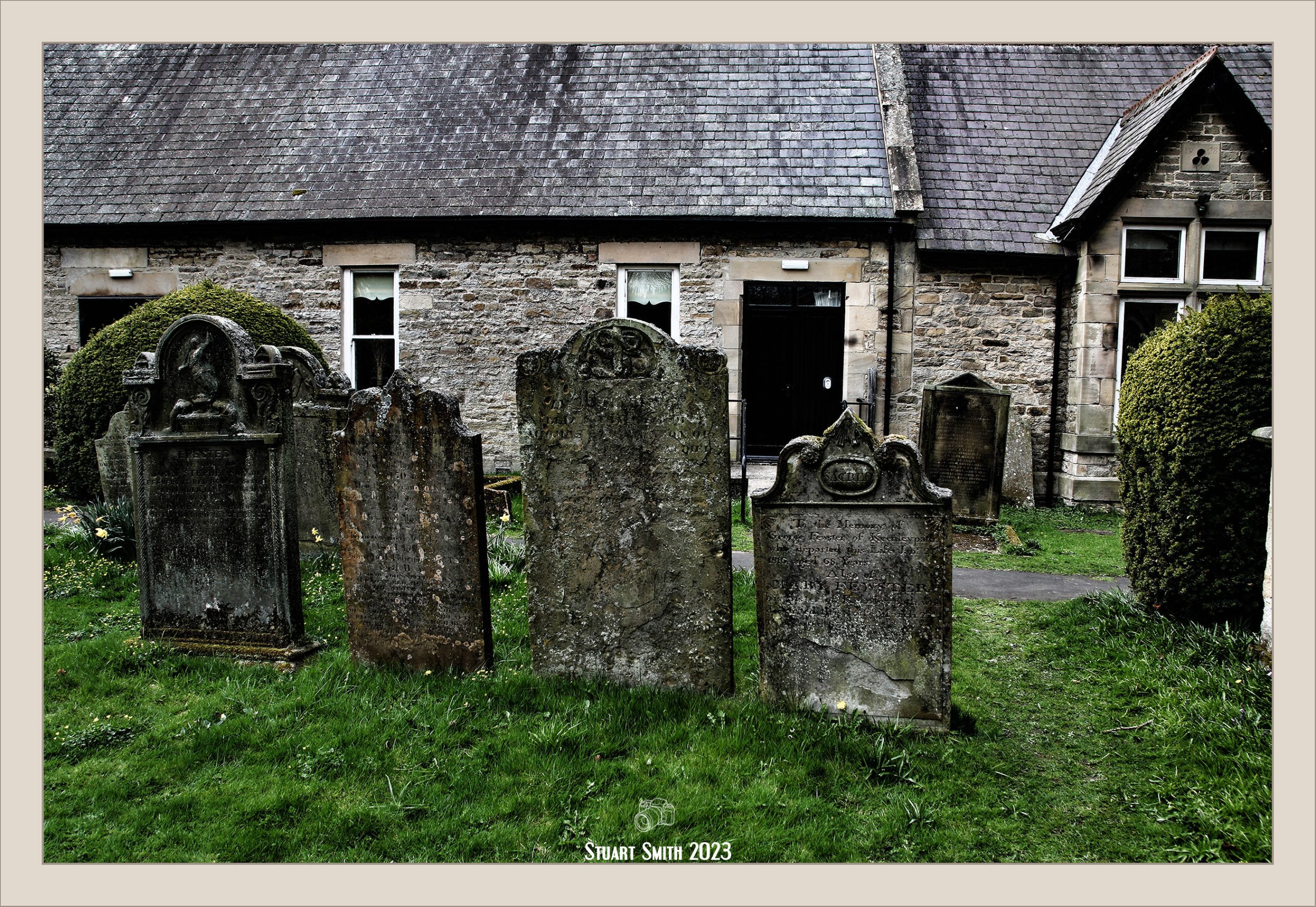
Grave Stones, St Cuthbert’s Church, Market Place, Allendale Town, Northumberland, England UK

Graves of:-
George Maughan 1760-1848
Joseph Shield 1793-1873
Nicholas Rowell 1753-1842

Holly, St Cuthbert’s Church, Market Street, Allendale Town, Northumberland, England UK

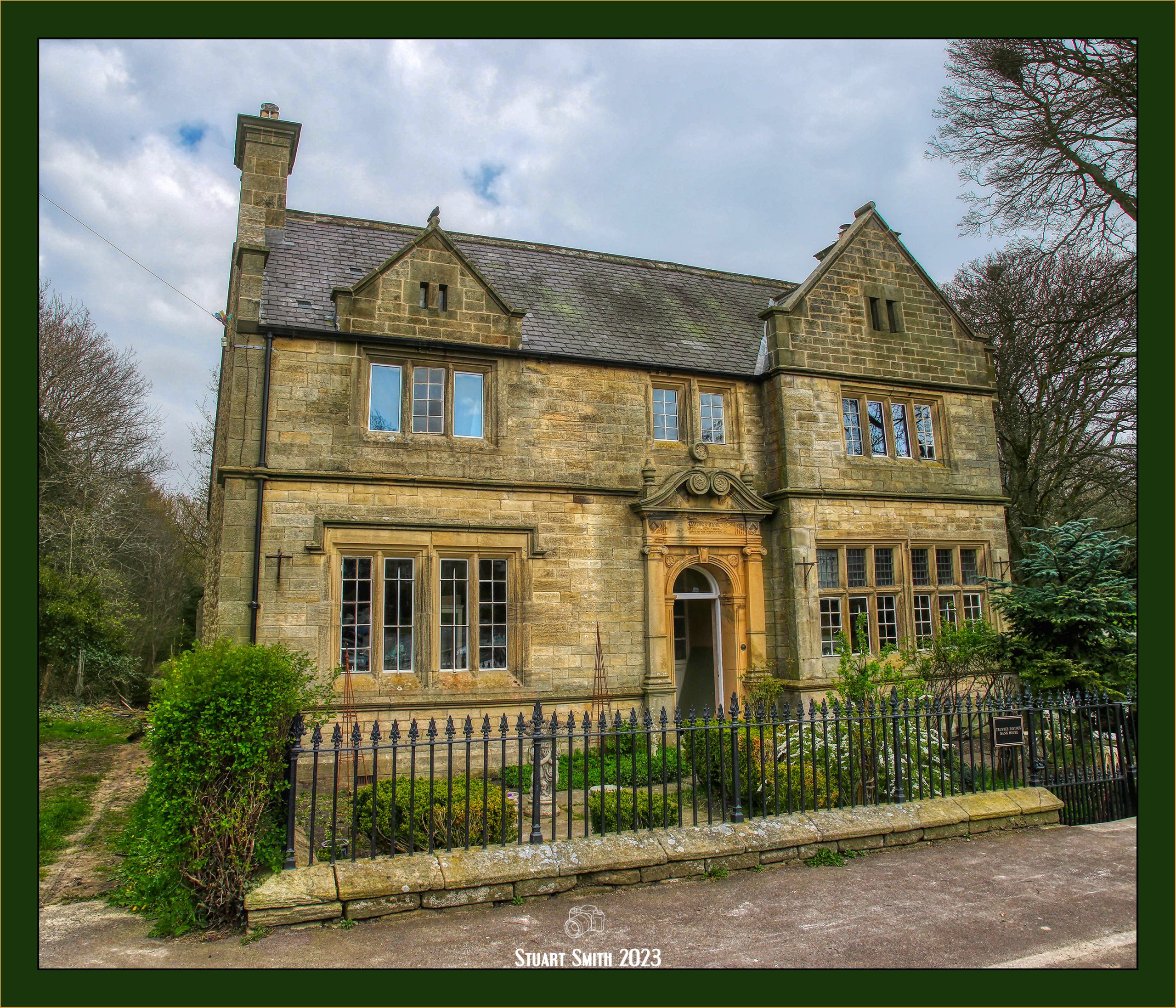
Former Trustee Savings Bank, Market Place, Allendale Town, Northumberland, England UK

A Grade II Listed Building. Site of the bank since 1838 with these premises erected in 1873.

Former Bank with Night Safe, Allendale Town, Northumberland, England UK

I was unable to find any history about this building. It is now residential.

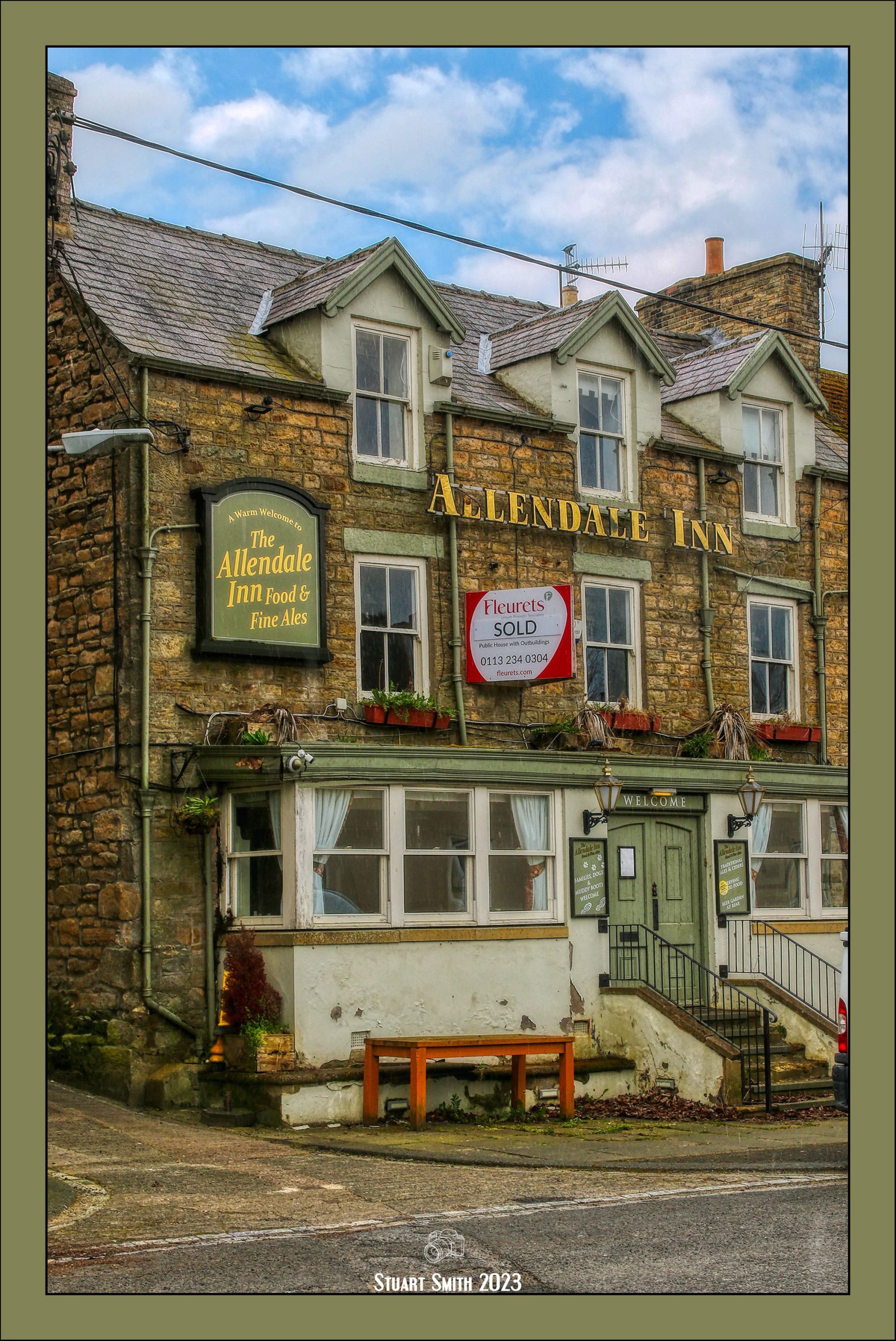
Allendale Inn, The Peth, Allendale Town, Northumberland, England UK

Hotspur House, 4 Arnison Terrace, Allendale Town, Northumberland, England UK

A Grade II Listed Building used as a B&B (currently for sale)

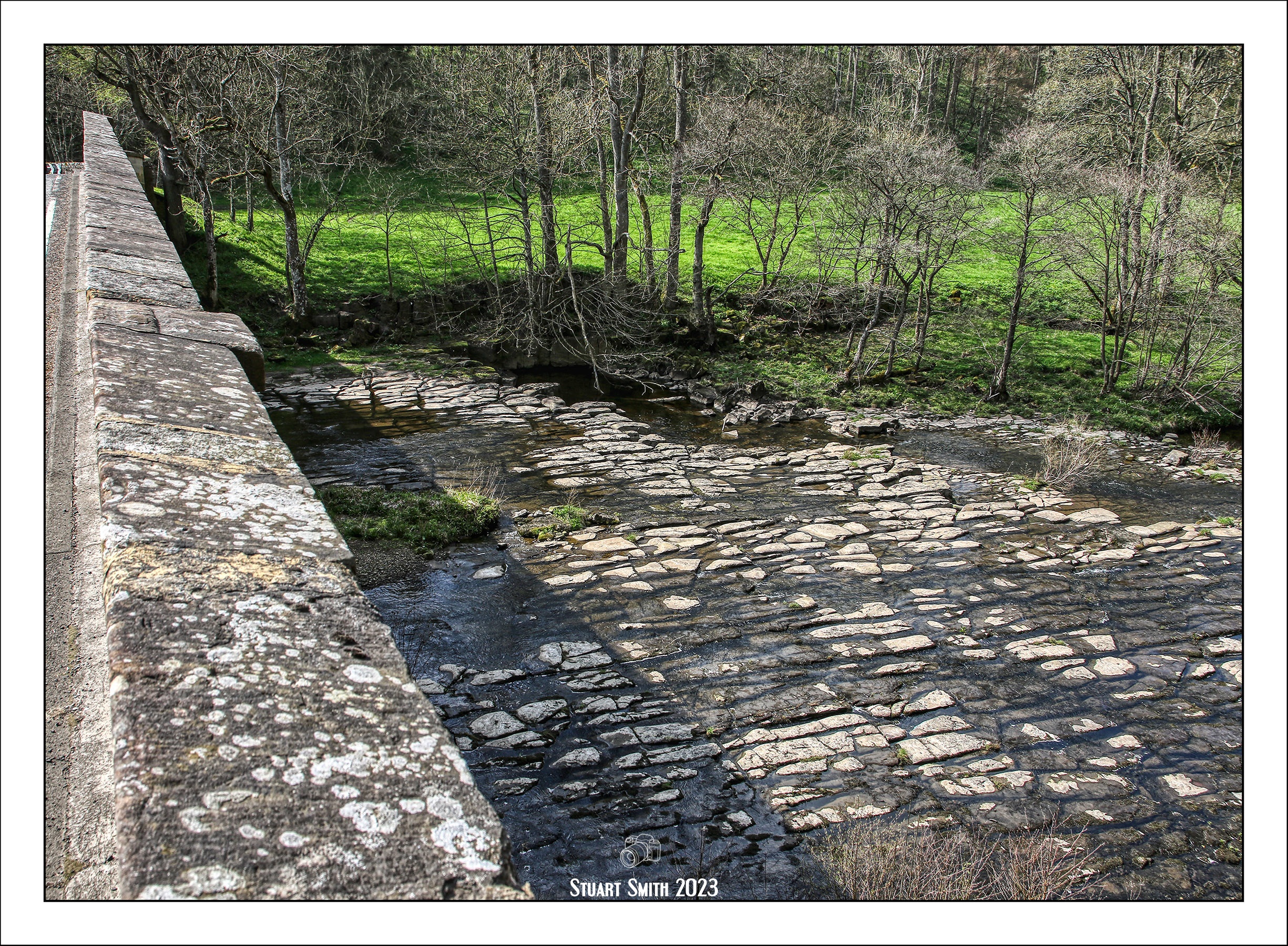
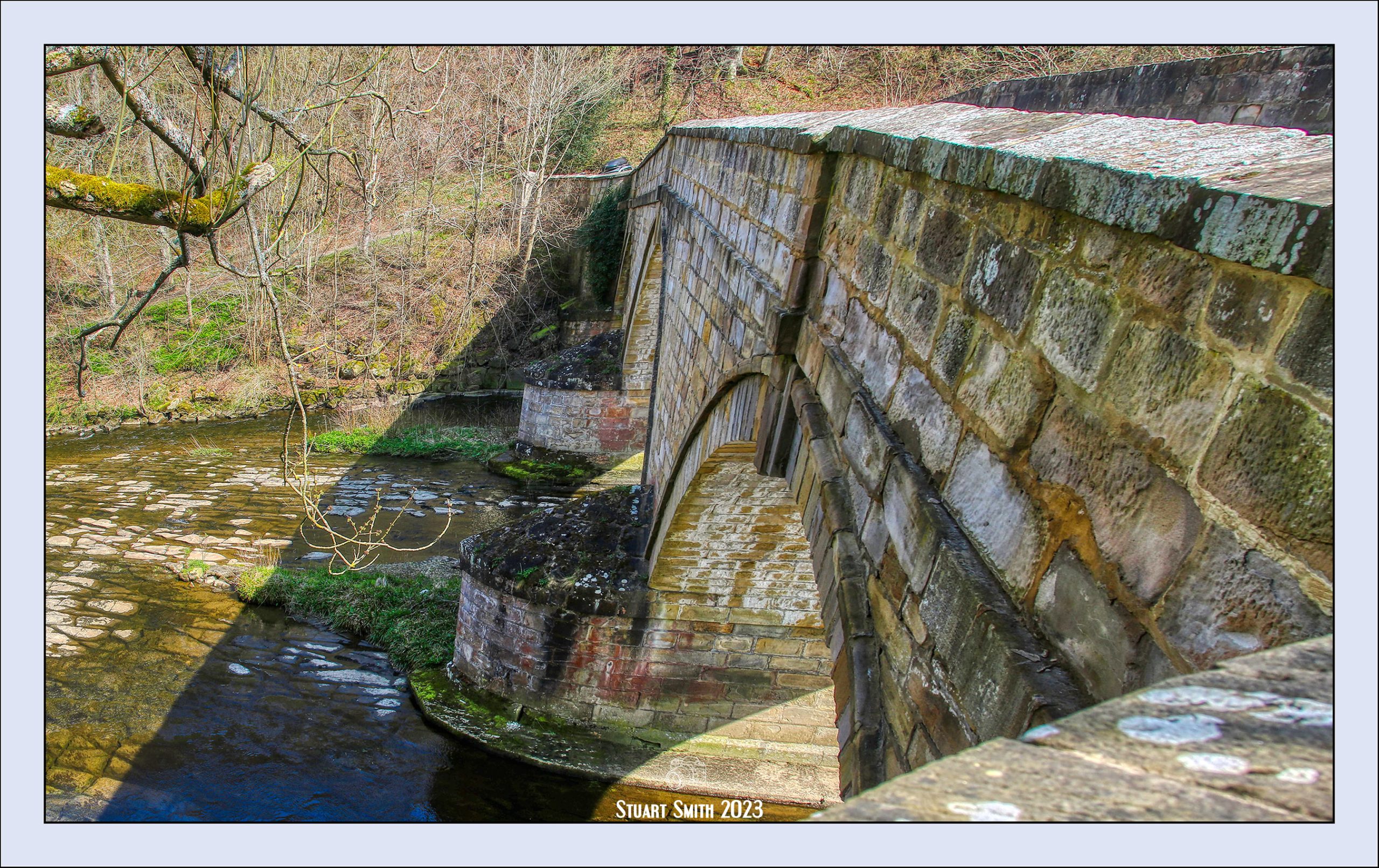
River Allen & Cupola Bridge, Allendale Town, Northumberland, England UK

A Grade II Listed Building constructed in 1778

HEXHAM ABBEY, NORTHUMBERLAND, ENGLAND

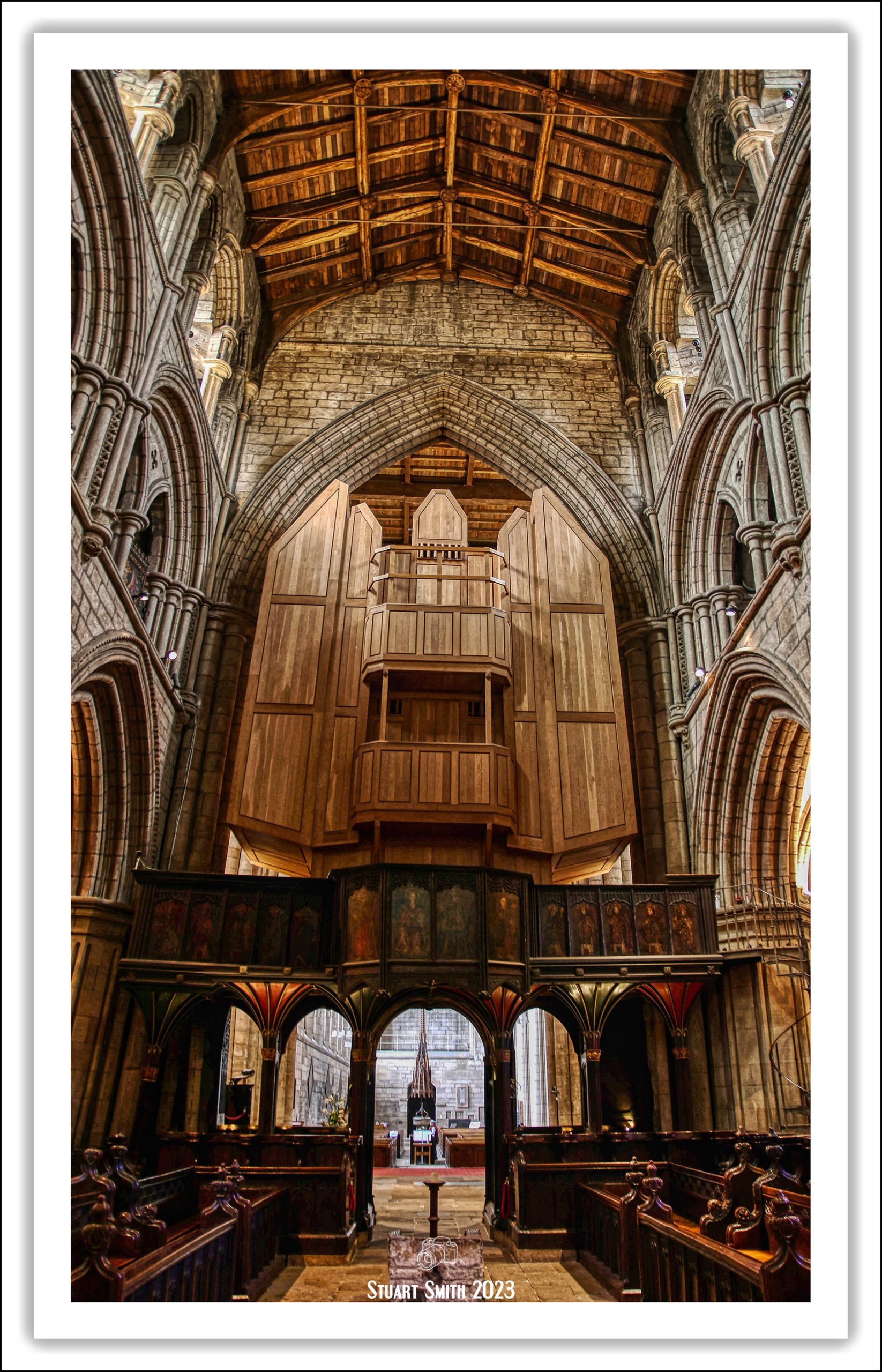
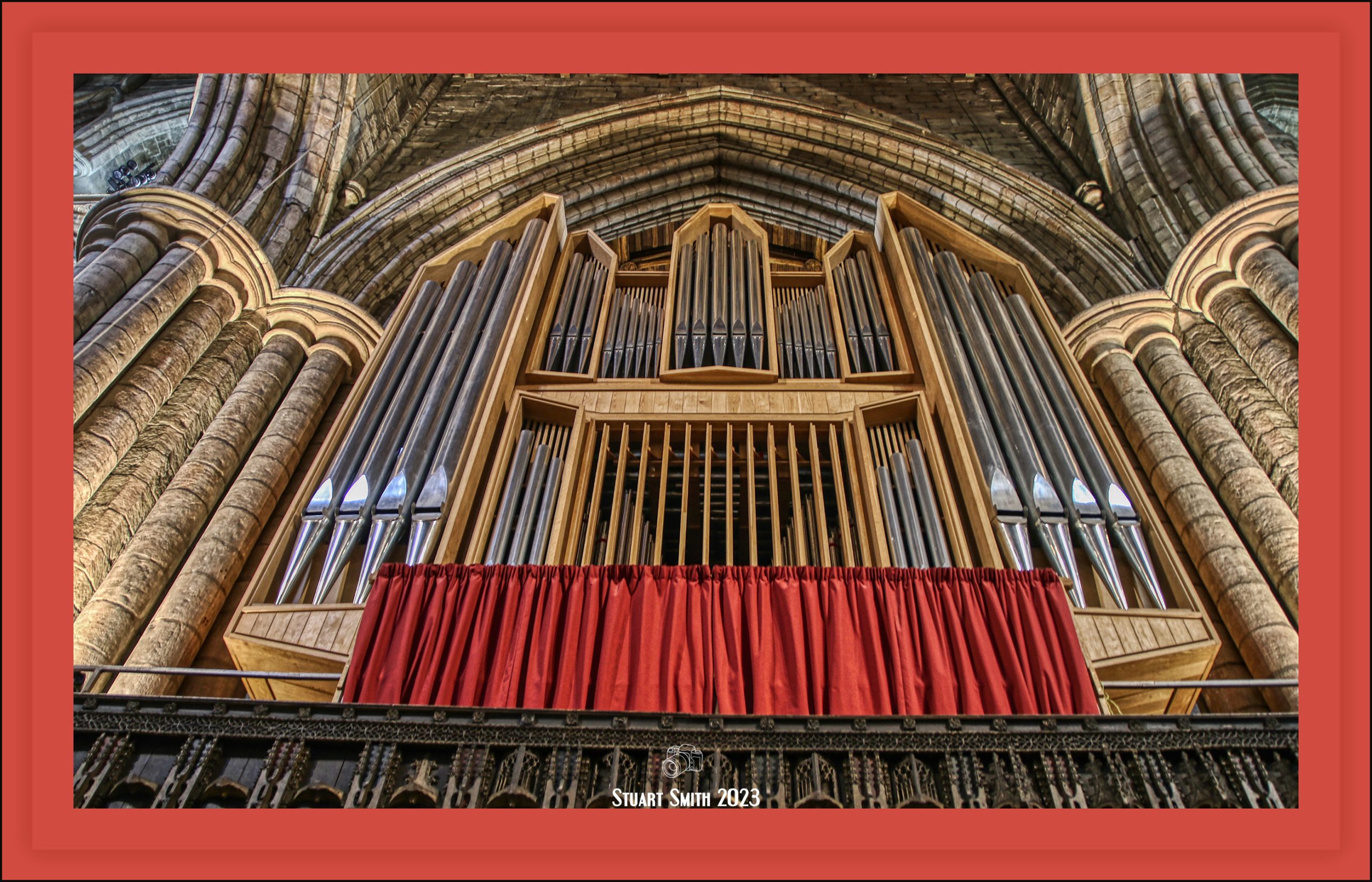
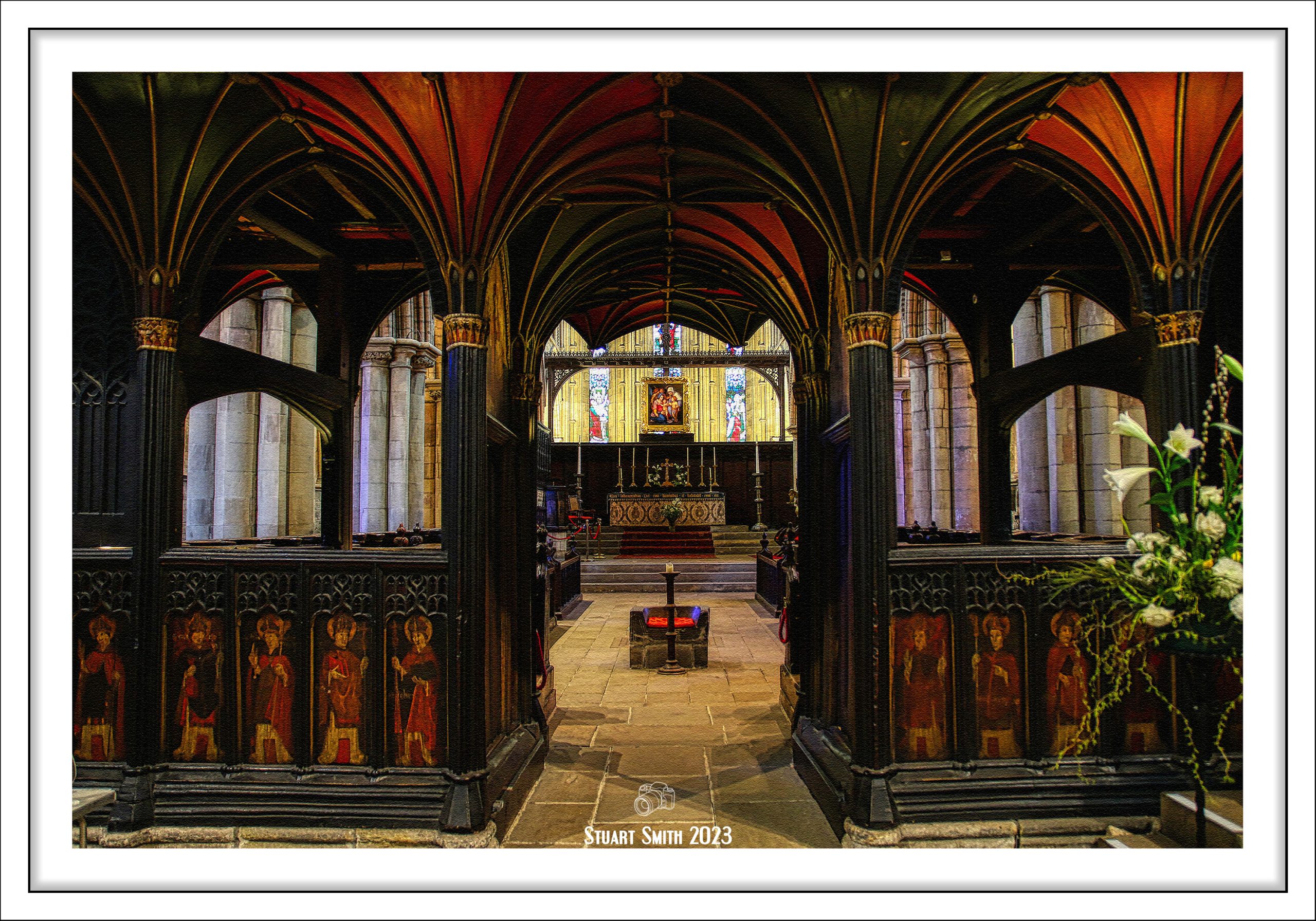
While staying at Haydon Bridge, we took a drive to the nearby town of Hexham and visited its magnificent abbey, a site that dates as far back as the year 664.

Visit this page for the historical account of the abbey

Google Maps View of Locations

Image 1     **     Image 2

Image 1     **     Image 2

Image 1     **     Image 2

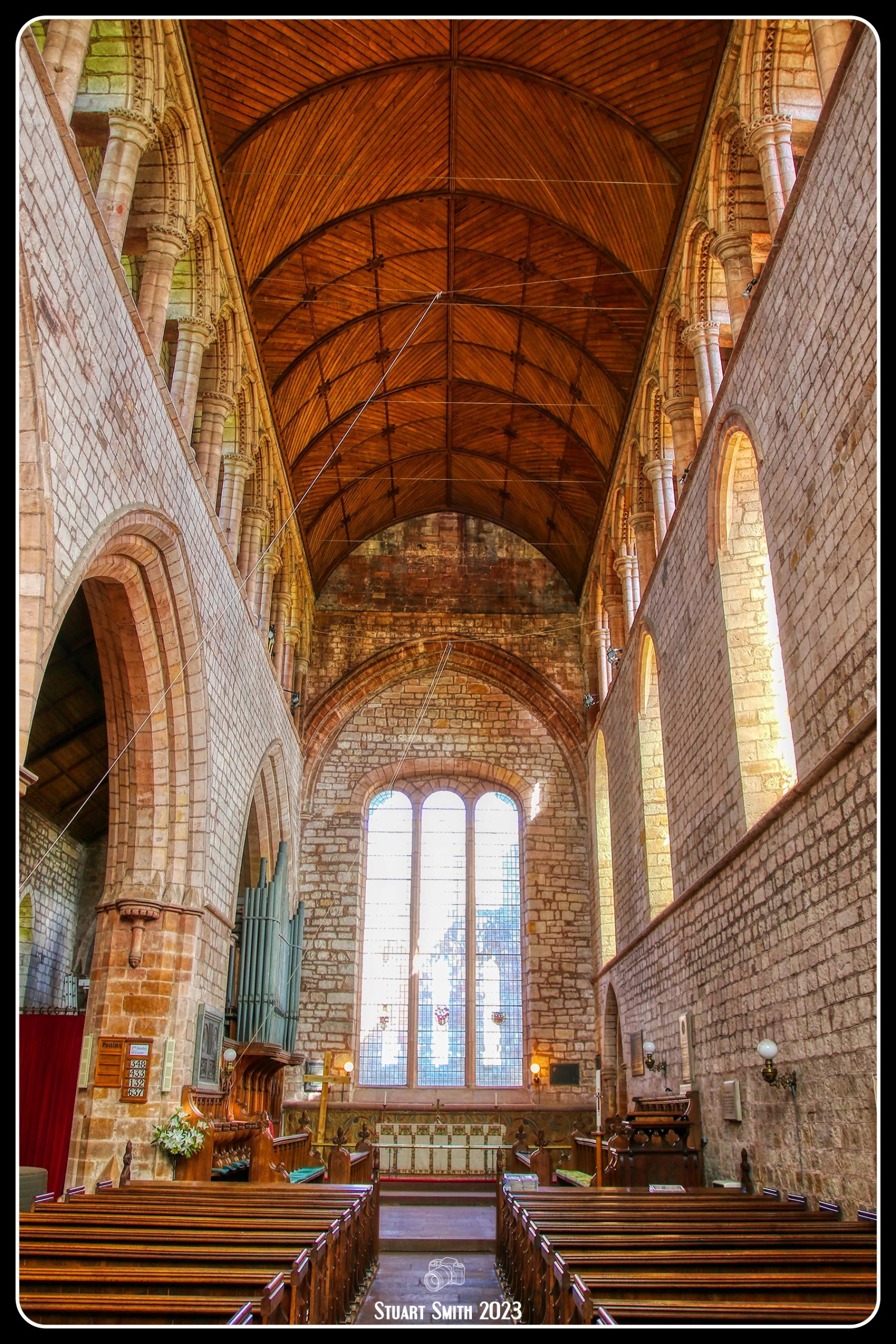
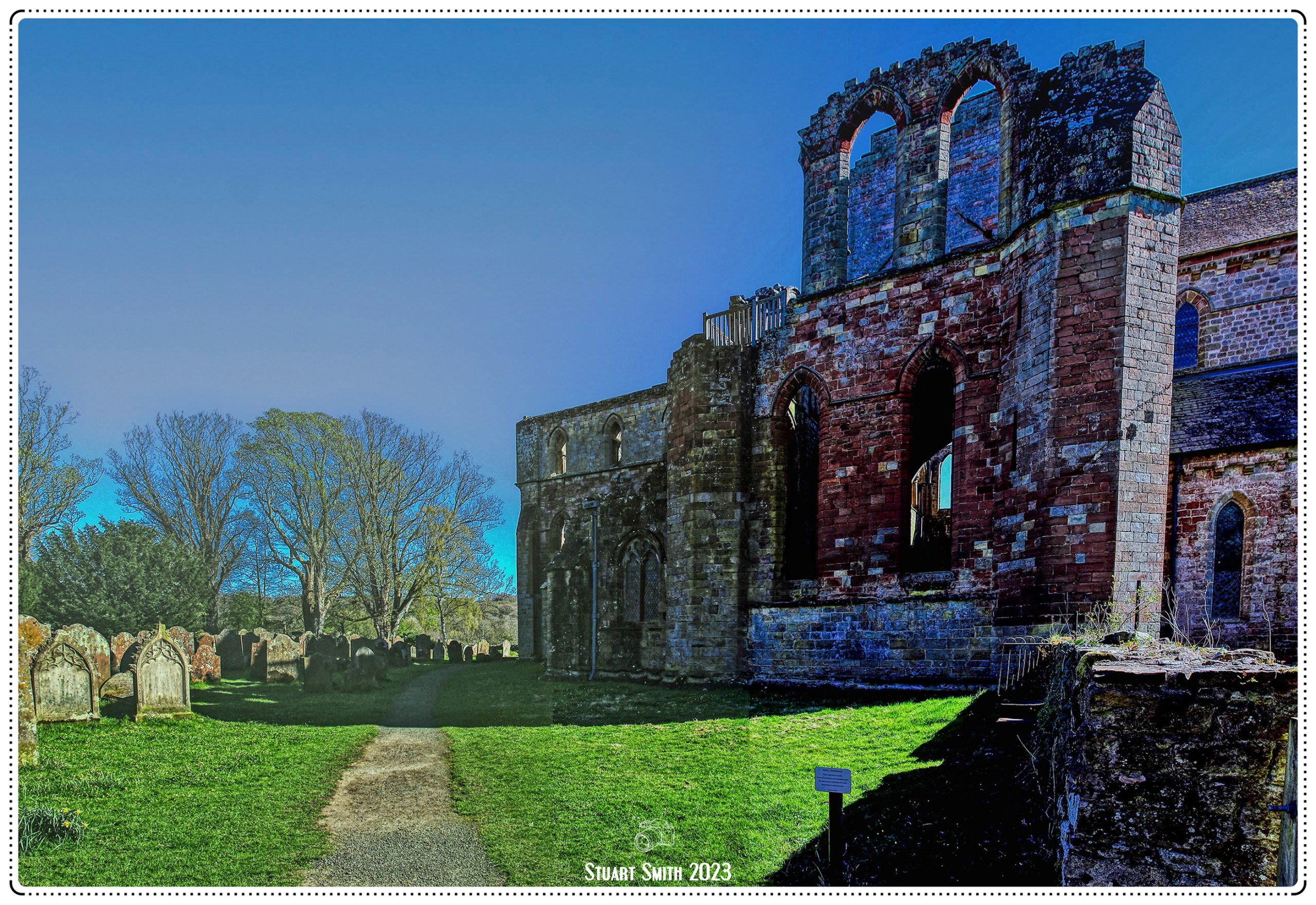
LANERCOST PRIORY RUINS & THE CHURCH OF ST MARY MAGDALENE

We stumbled upon this place after  visiting Vindolanda & Hadrian’s Wall.

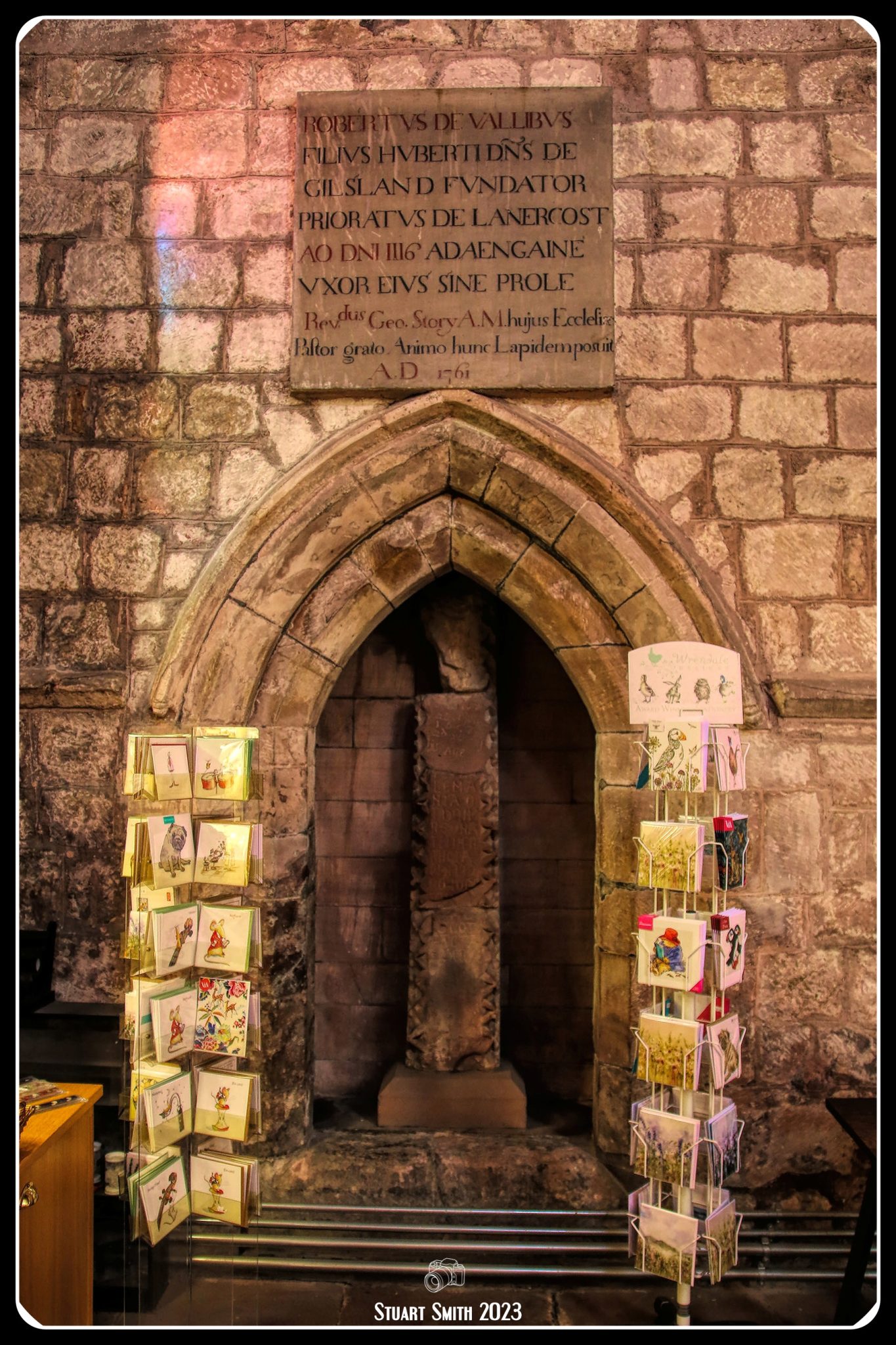
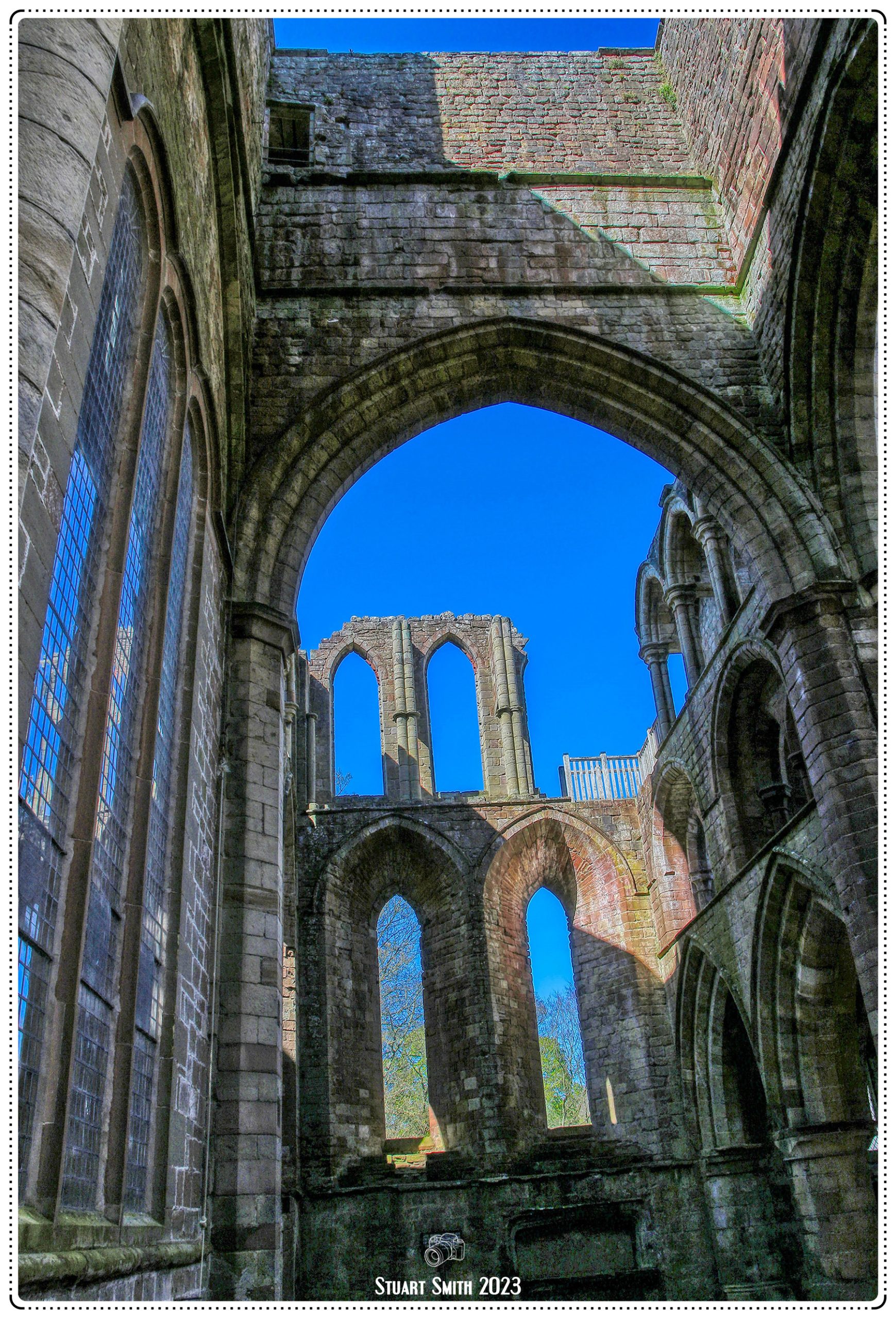
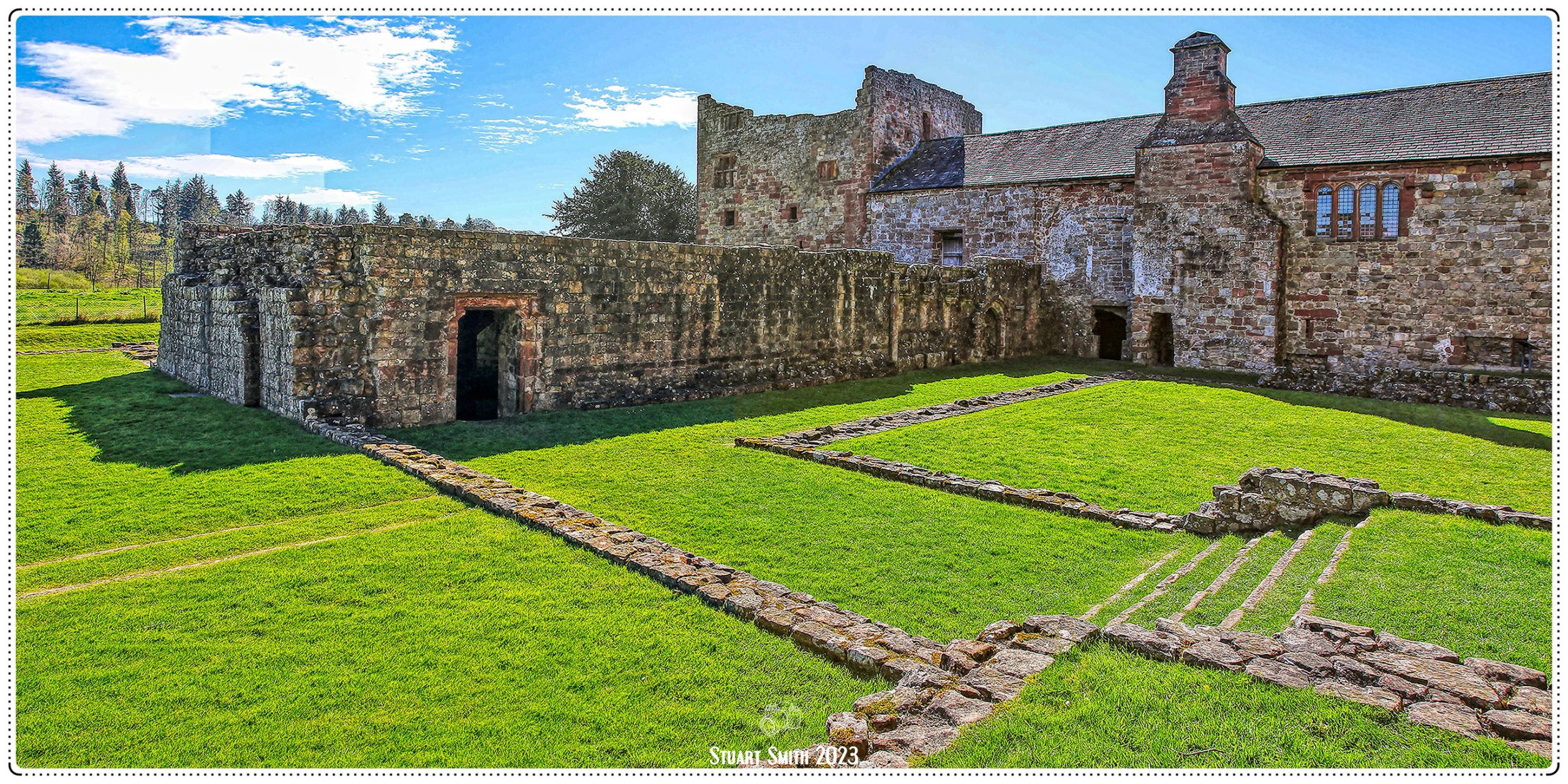
Old priory that played host to both King Edward I and Robert Bruce during in its tumultuous history.

An excellent detailing of the history of the priory can be found at this site:-

English Heritage.

Google Maps View of LocationThe Ruin of the Gateway Entrance to the site.

Church of St Mary Magdalene, Lanercost, Brampton, Cumbria, England UK

Side Door of Church of St Mary Magdalene, Lanercost, Brampton, Cumbria, England UK

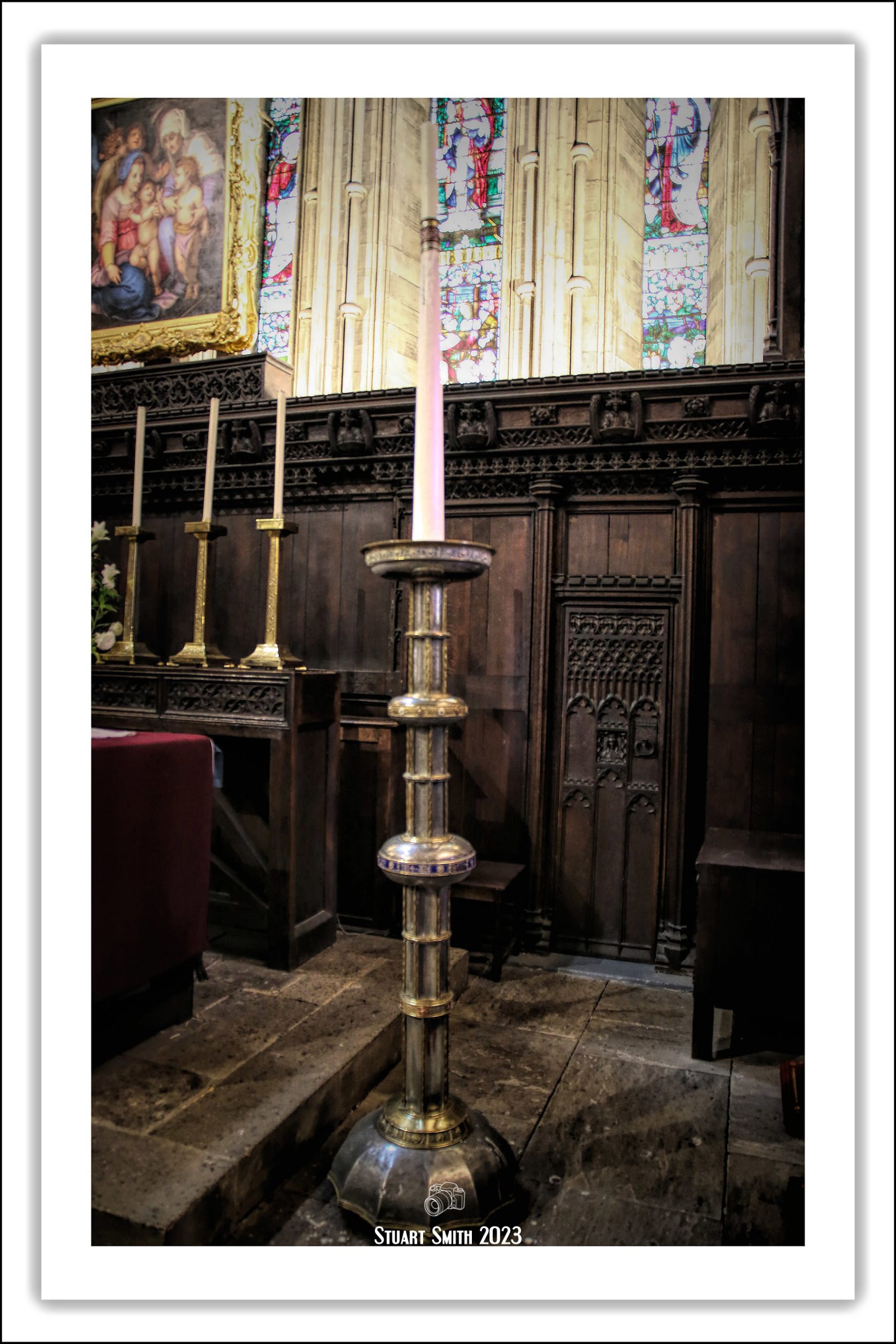
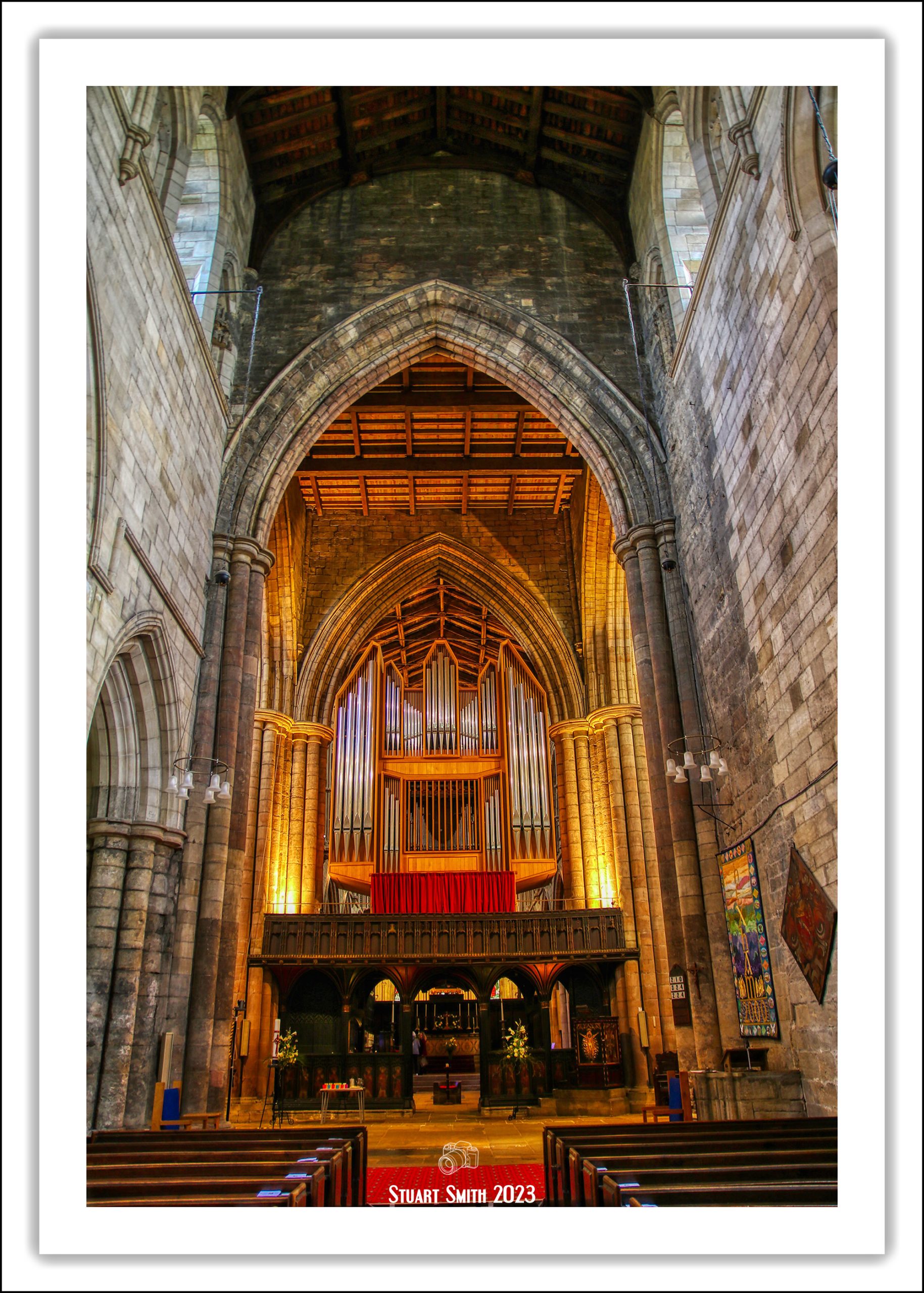
Interior, Church of St Mary Magdalene, Lanercost, Brampton, Cumbria, England UKMemorial Plaques

Image 1Image 2

Internal Doorway, Church of St Mary Magdalene, Lanercost, Brampton, Cumbria, England UK

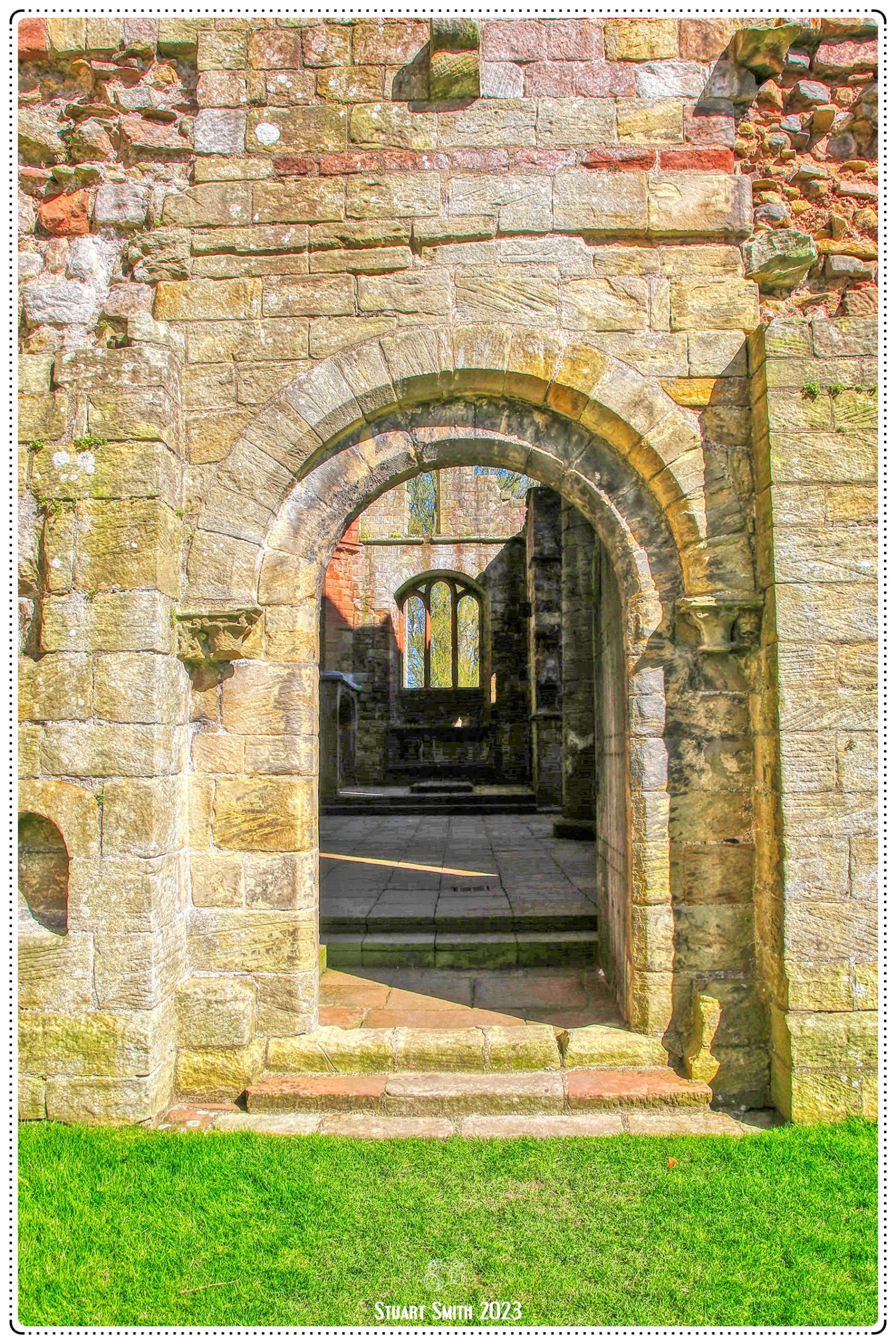
Access Door to Lanercost Priory Ruins, Lanercost, Brampton, Cumbria, England UK
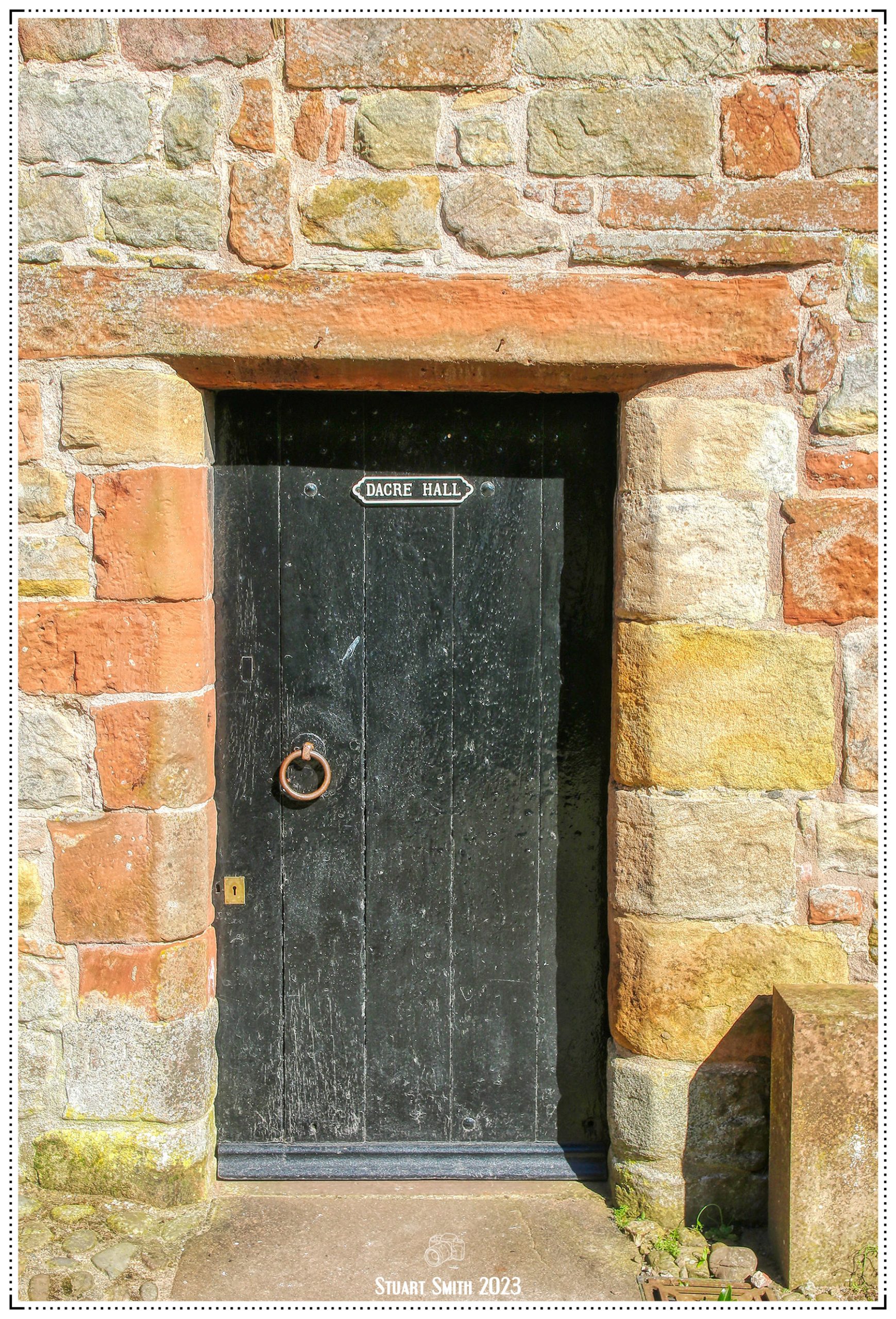
Doorway to Dacre Hall, Lanercost Priory Ruins, Lanercost, Brampton, Cumbria, England UK
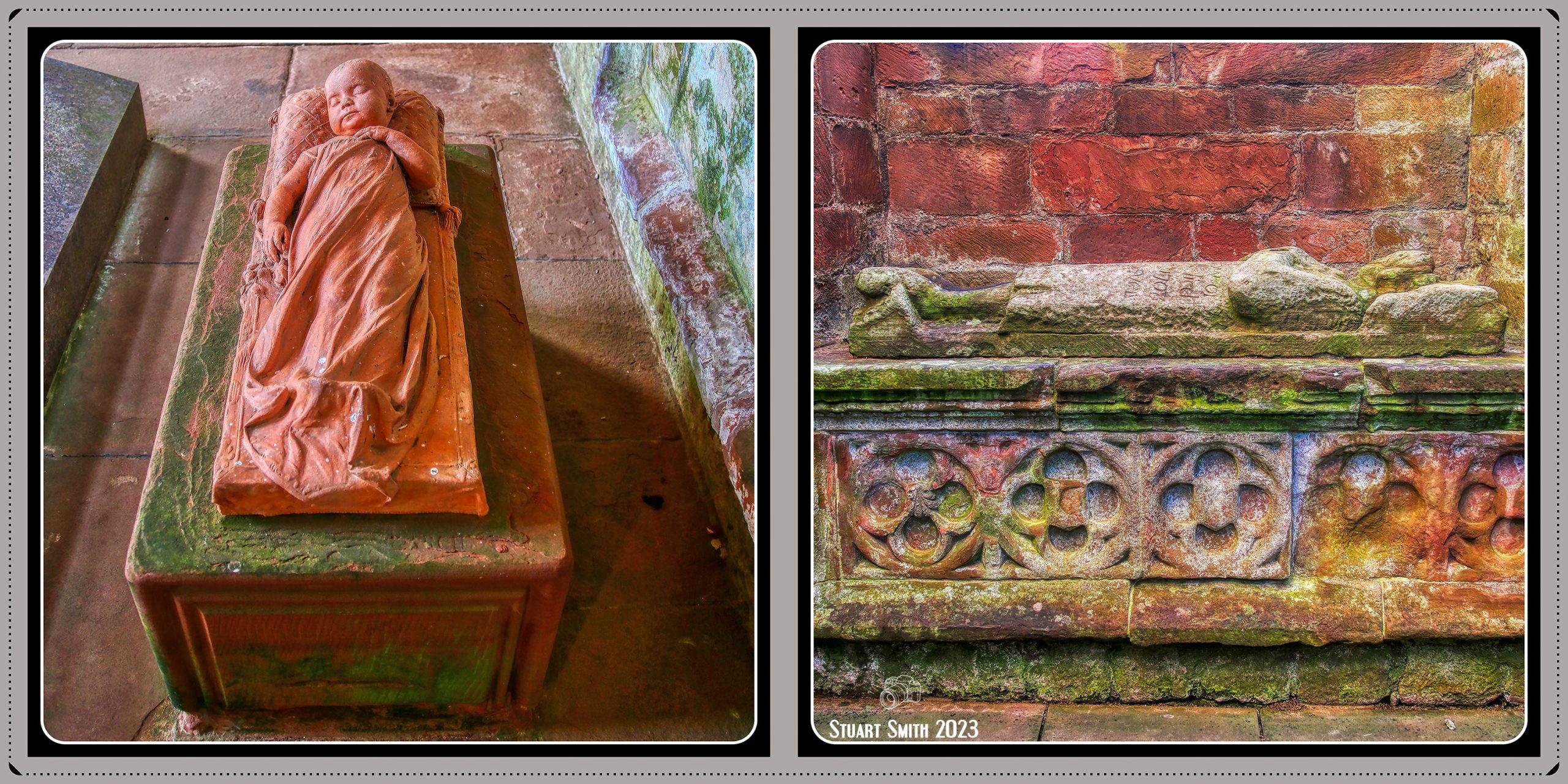
Tombs, Lanercost Priory Ruins, Lanercost, Brampton, Cumbria, England UK
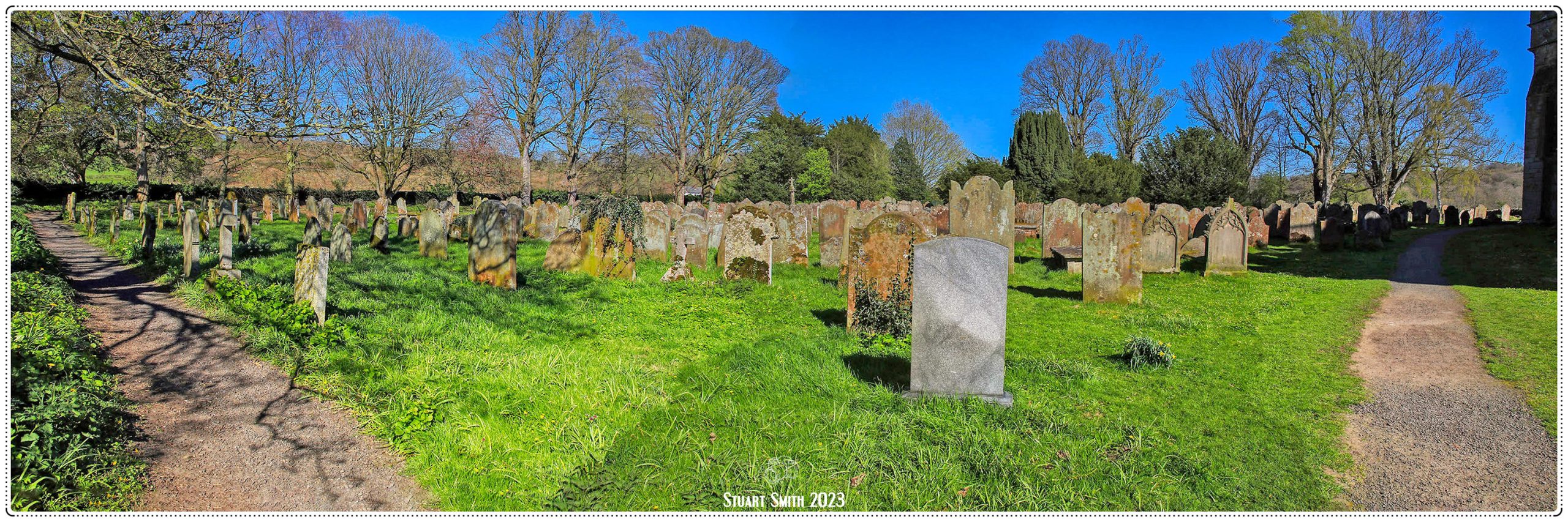
Image 1 Image 2

Cemetery, Lanercost Priory Ruins, Lanercost, Brampton, Cumbria, England UK
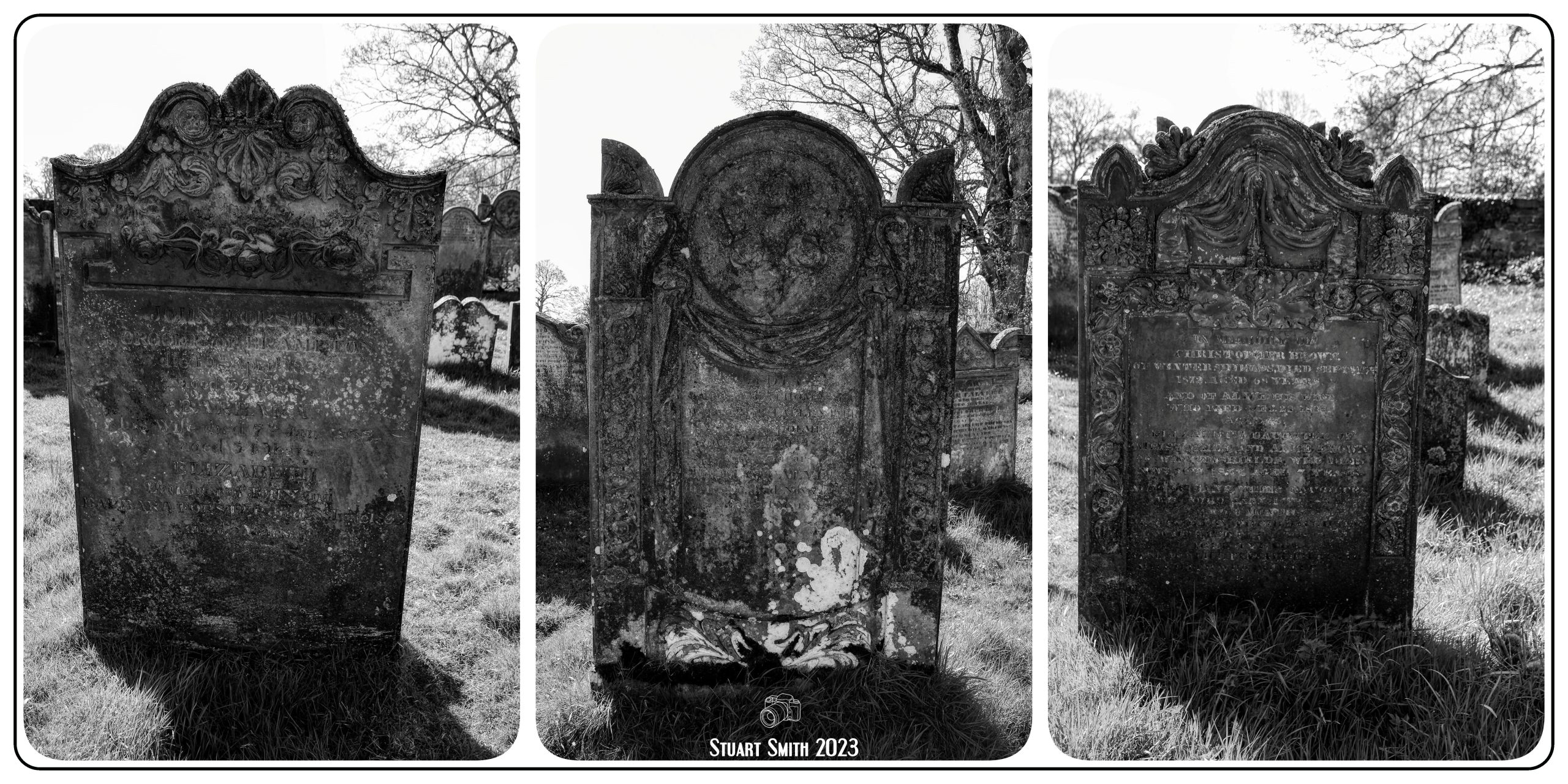
Grave Stones, Lanercost Priory Cemetery, Lanercost, Brampton, Cumbria, England UK

Image 1Image 2Image 3

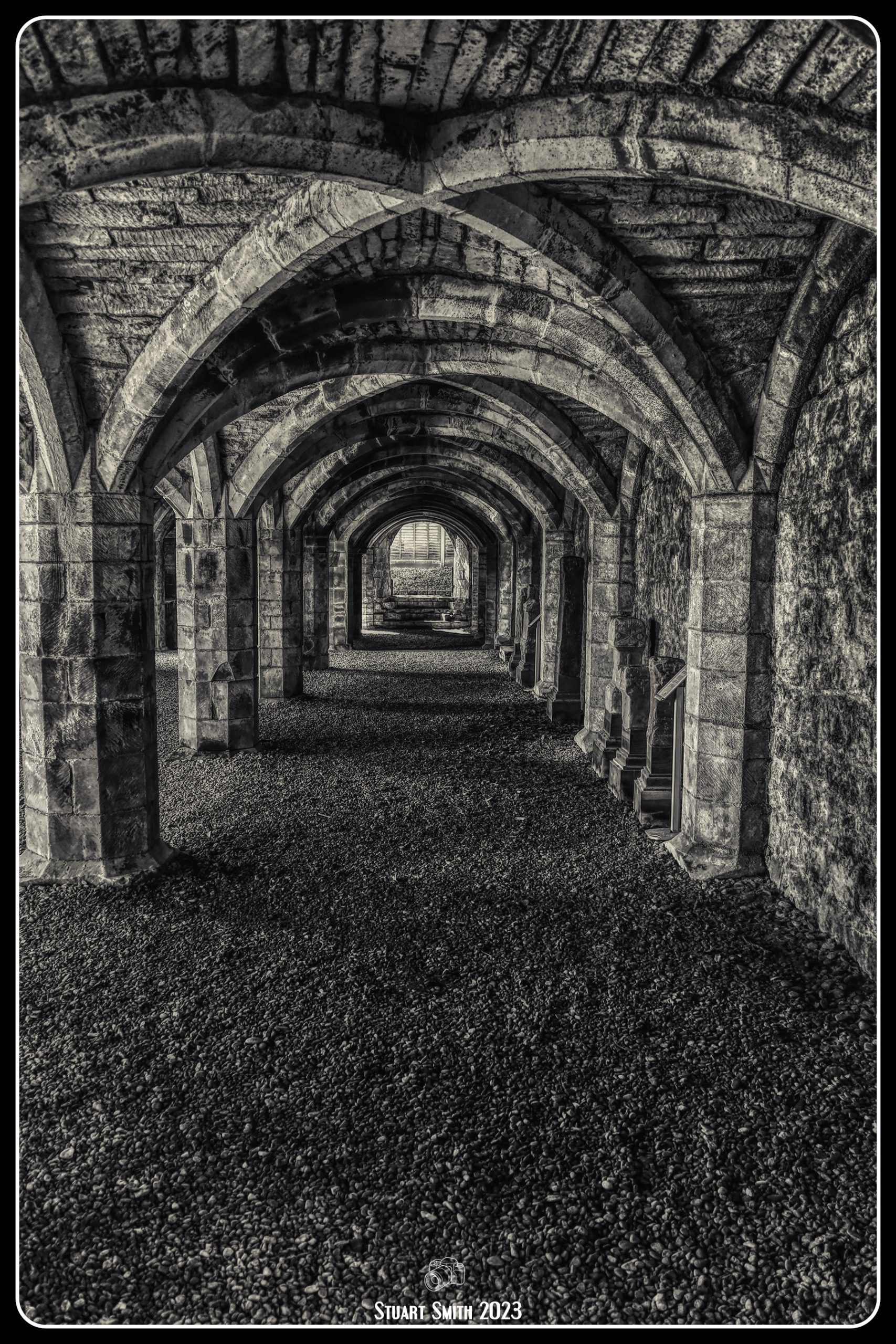
Lanercost Priory Ruins, Lanercost, Brampton, Cumbria, England UK
ROMAN HISTORY II

Continuing the time at Haydon Bridge to explore Roman History.

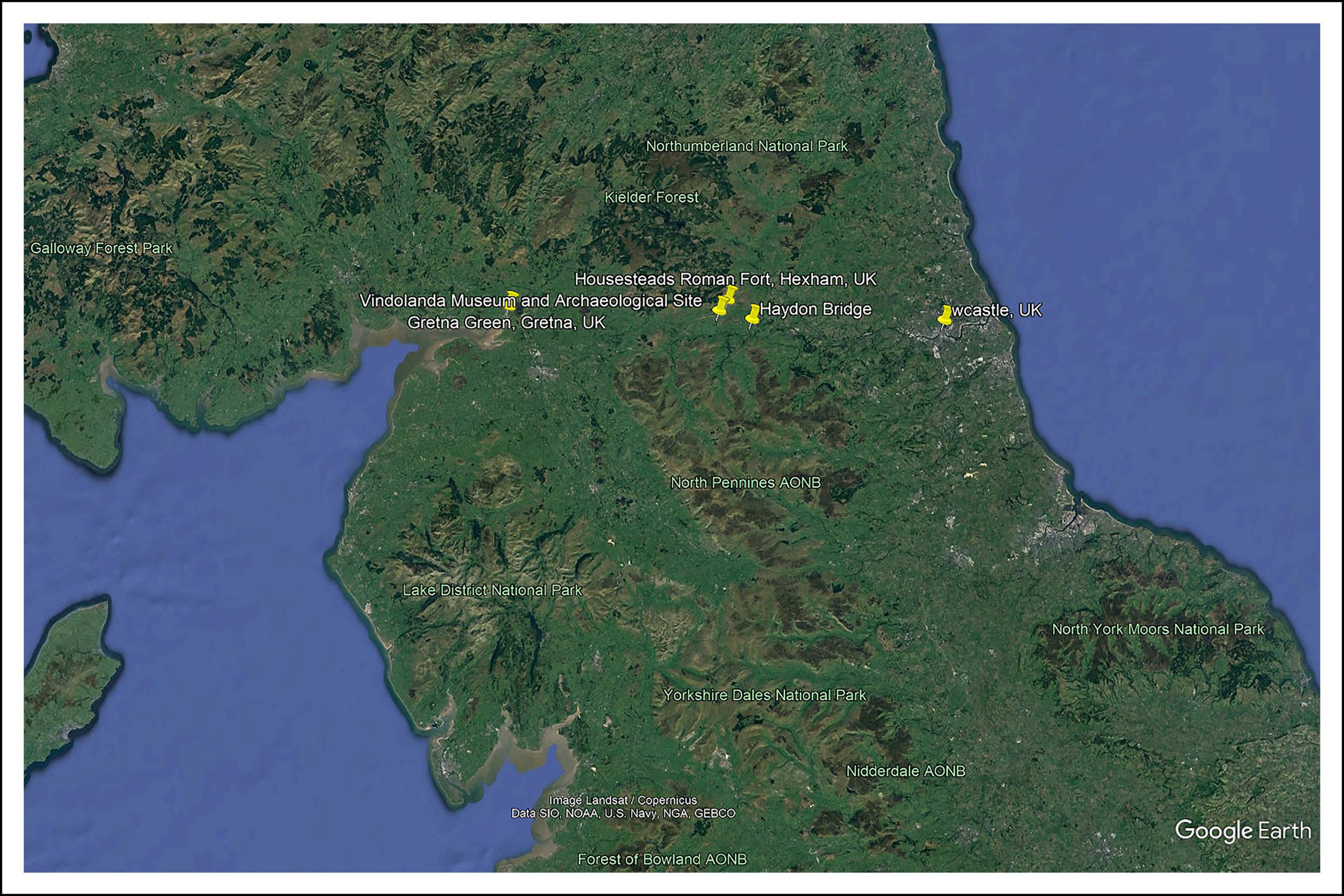
GOOGLE EARTH VIEWImage 1     –     Image 2

    Image 1     –     Image 2     –     Image 3     –     Image 4

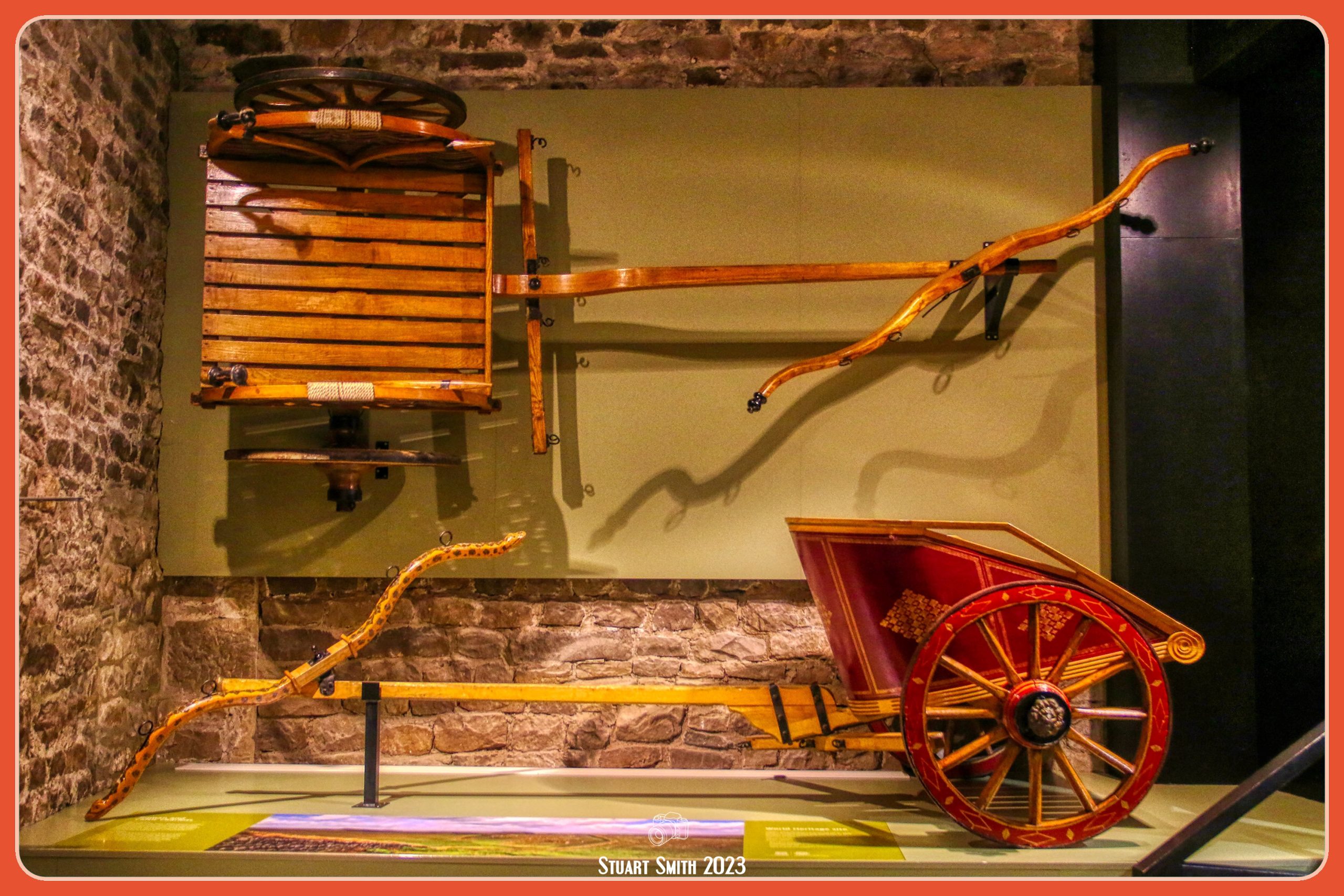
Exhibits, Vindolanda Museum, Bardon Mill, Hexham, Northumberland, England UK

Sculpture Exhibit, Vindolanda Museum, Bardon Mill, Hexham, Northumberland, England UK

Vindolanda Museum Gardens, Bardon Mill, Hexham, Northumberland, England UK

Chainley Burn, Vindolanda Museum Gardens, Bardon Mill, Hexham, Northumberland, England UK

Chainley Burn, Vindolanda Museum Gardens, Bardon Mill, Hexham, Northumberland, England UK

Stone Post, Roman Army Museum, Pennine Way, Greenhead, Brampton, Northumberland, England UK

Majestic Tree, Roman Army Museum, Pennine Way, Greenhead, Brampton, Northumberland, England UK

Section of Hadrian’s Wall, Upper Denton, Brampton, Northumberland, England UK

This section is adjacent to the Birdoswald Roman Fort ruins.

     Image 1     –     Image 2

Ruins of Birdoswald Roman Fort, Upper Denton, Brampton, Northumberland, England UK

Hadrian’s Wall Banks East Turret, Pike Hill, Banks, Brampton, Cumbria, England UK
ROMAN HISTORY

One of the reasons to stay in Haydon Bridge was its proximity to ancient Roman archaeological sites and to Hadrian’s Wall.

GOOGLE EARTH VIEW

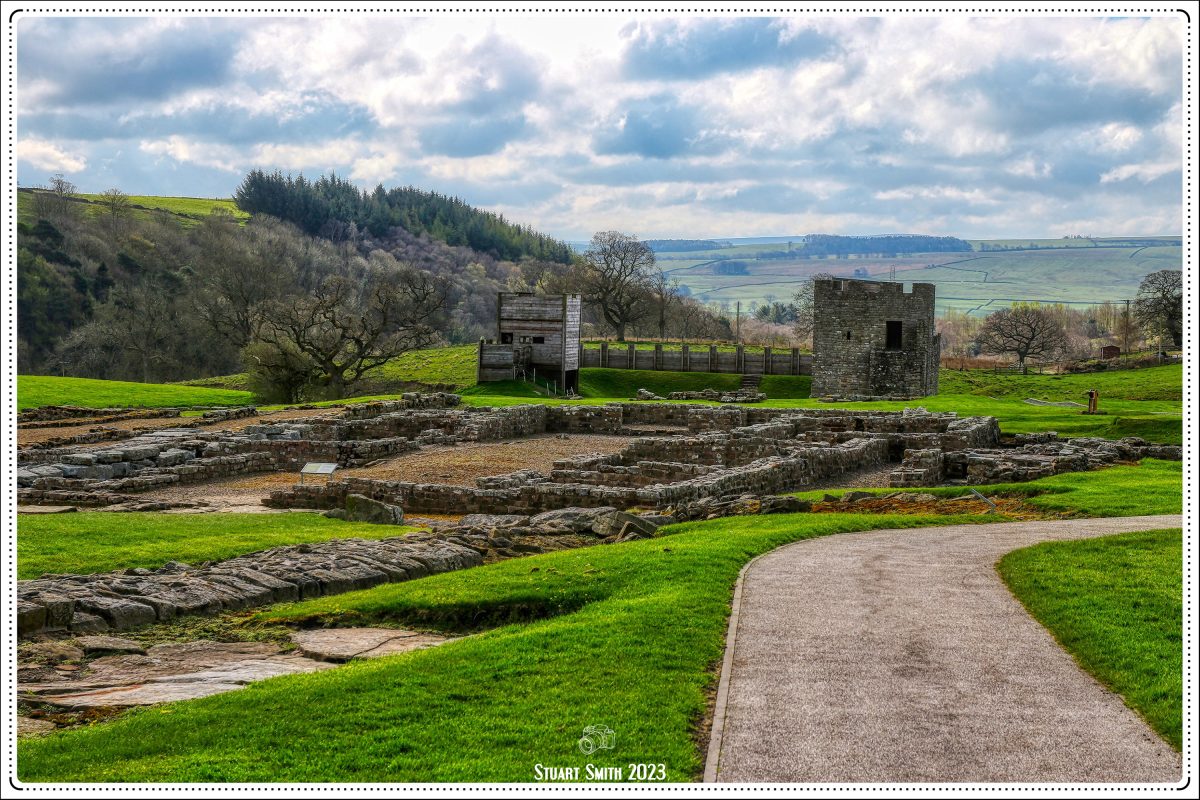
Housesteads Roman Fort, Military Road, Haydon Bridge, Hexham, Northumberland, England UK

Housesteads Roman Fort was an auxiliary fort on Hadrian’s Wall,at Housesteads, Northumberland, England. It is dramatically positioned on the end of the mile-long crag of the Whin Sill over which the Wall runs, overlooking sparsely populated hills. It was called the “grandest station” on the Wall and is one of the best-preserved and extensively displayed forts. It was occupied for almost 300 years.

The name of the fort has been given as Vercovicium, Borcovicus, Borcovicium, and Velurtion. An inscription found at Housesteads with the letters VER, is believed to be short for Ver(covicianorum), the letters ver being interchangeable with bor in later Latin.

The 18th-century farmhouse of Housesteads provides the modern name.

A Local Visitor, Military Road, Haydon Bridge, Hexham, Northumberland, England UK

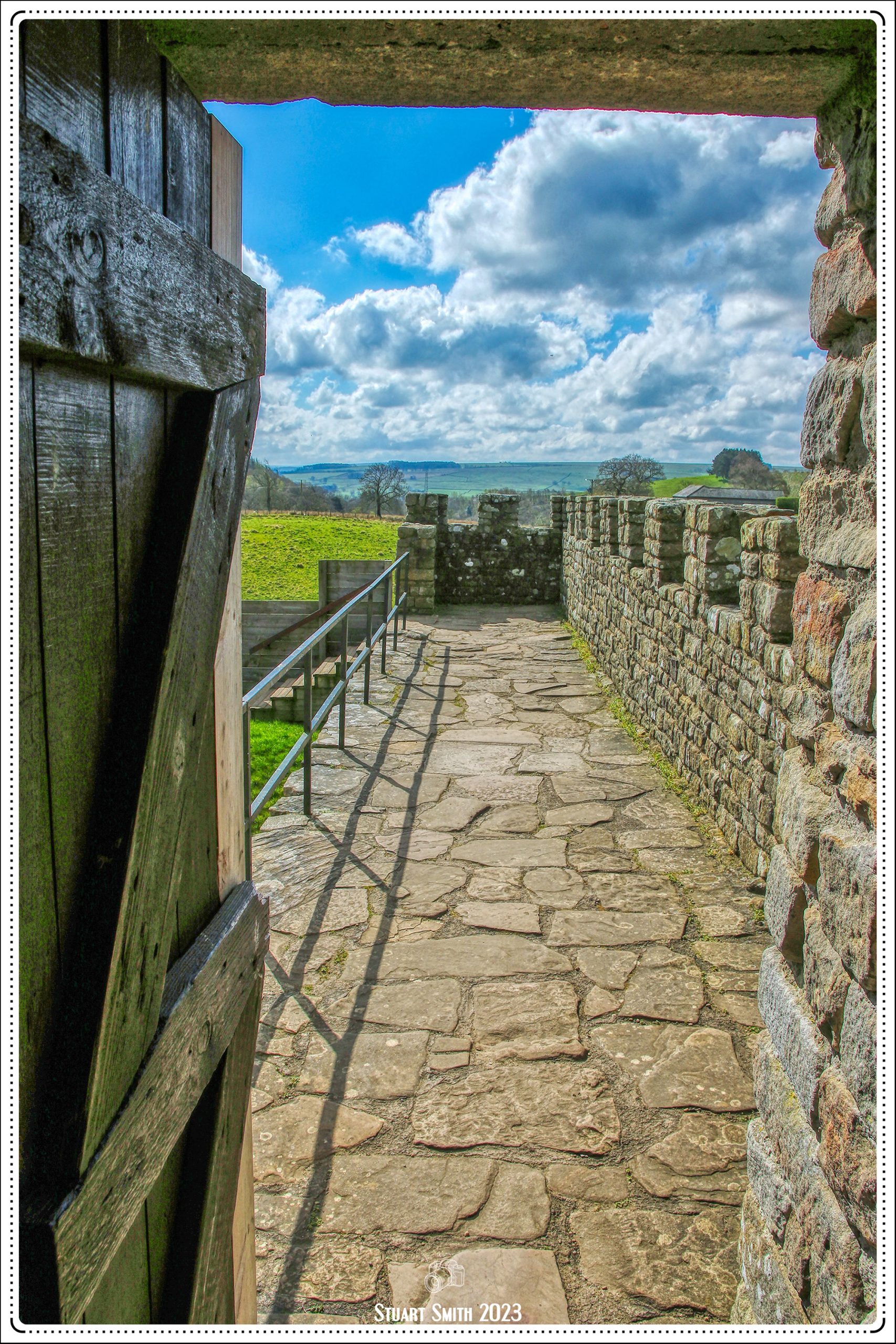
Shaded Seating Area, Vindolanda Museum and Archaeological Site, Hexham, Northumberland, England UK

The seat supports are from the archaeological excavations.

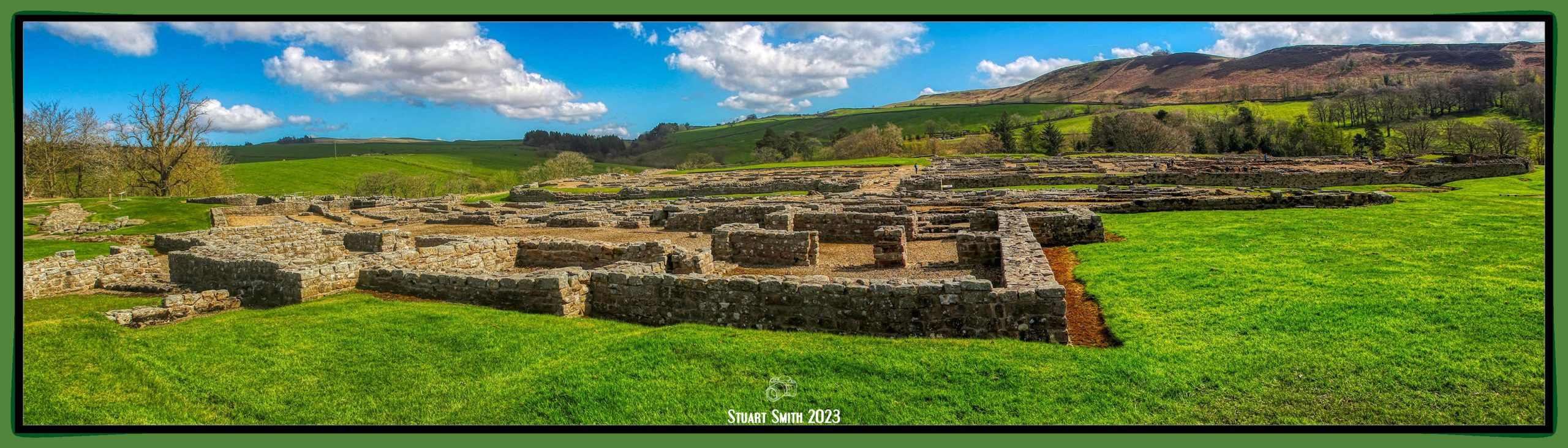
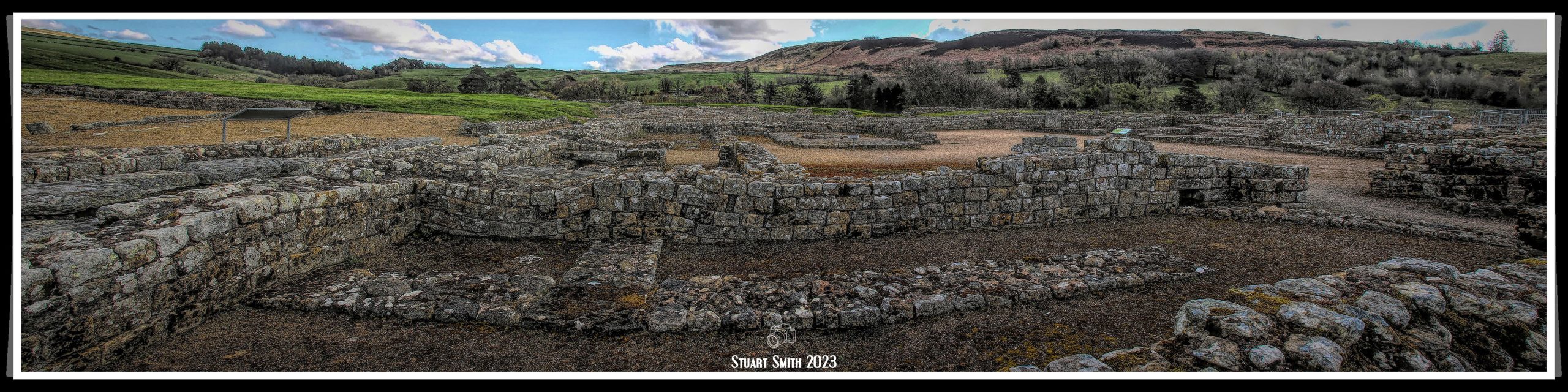
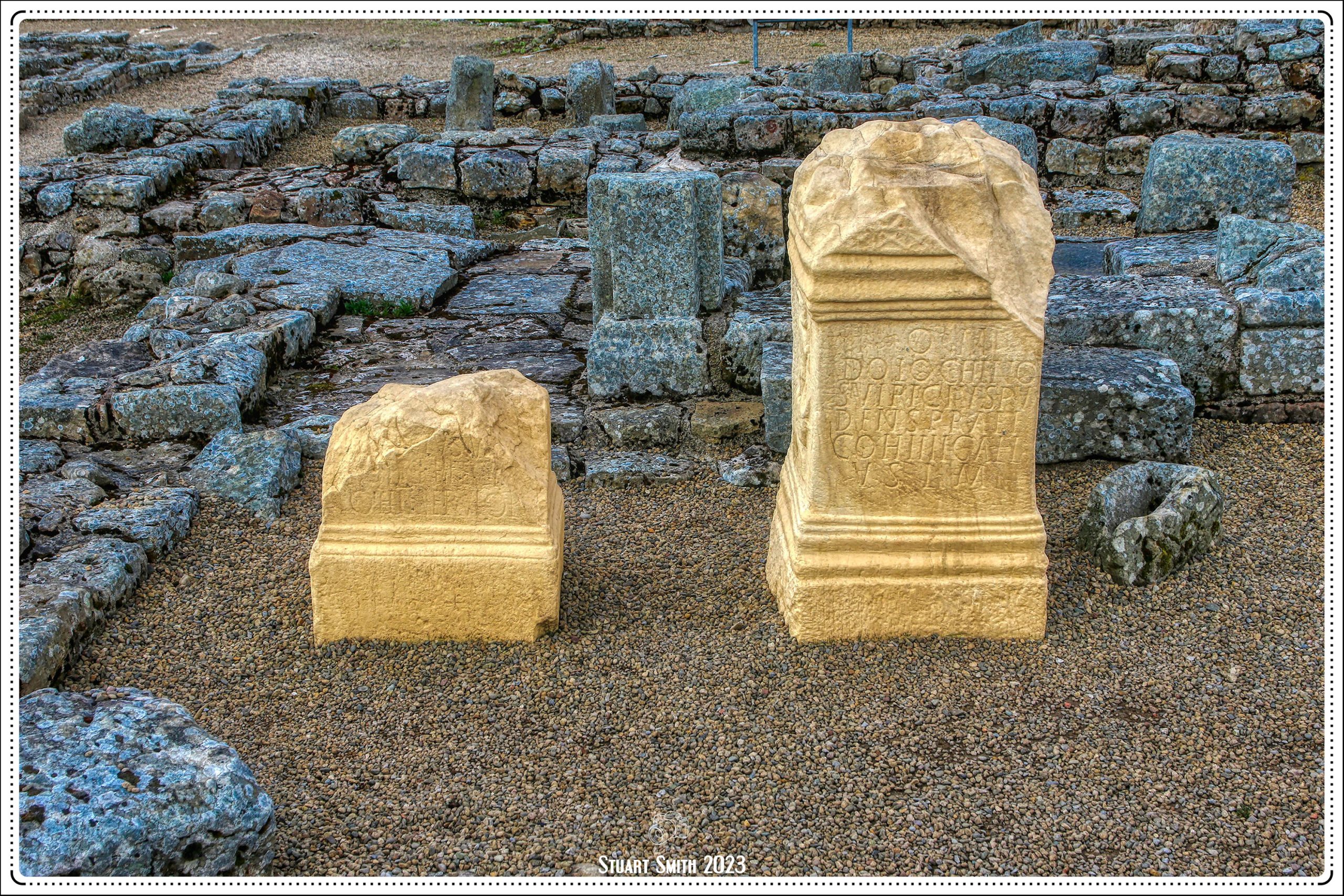
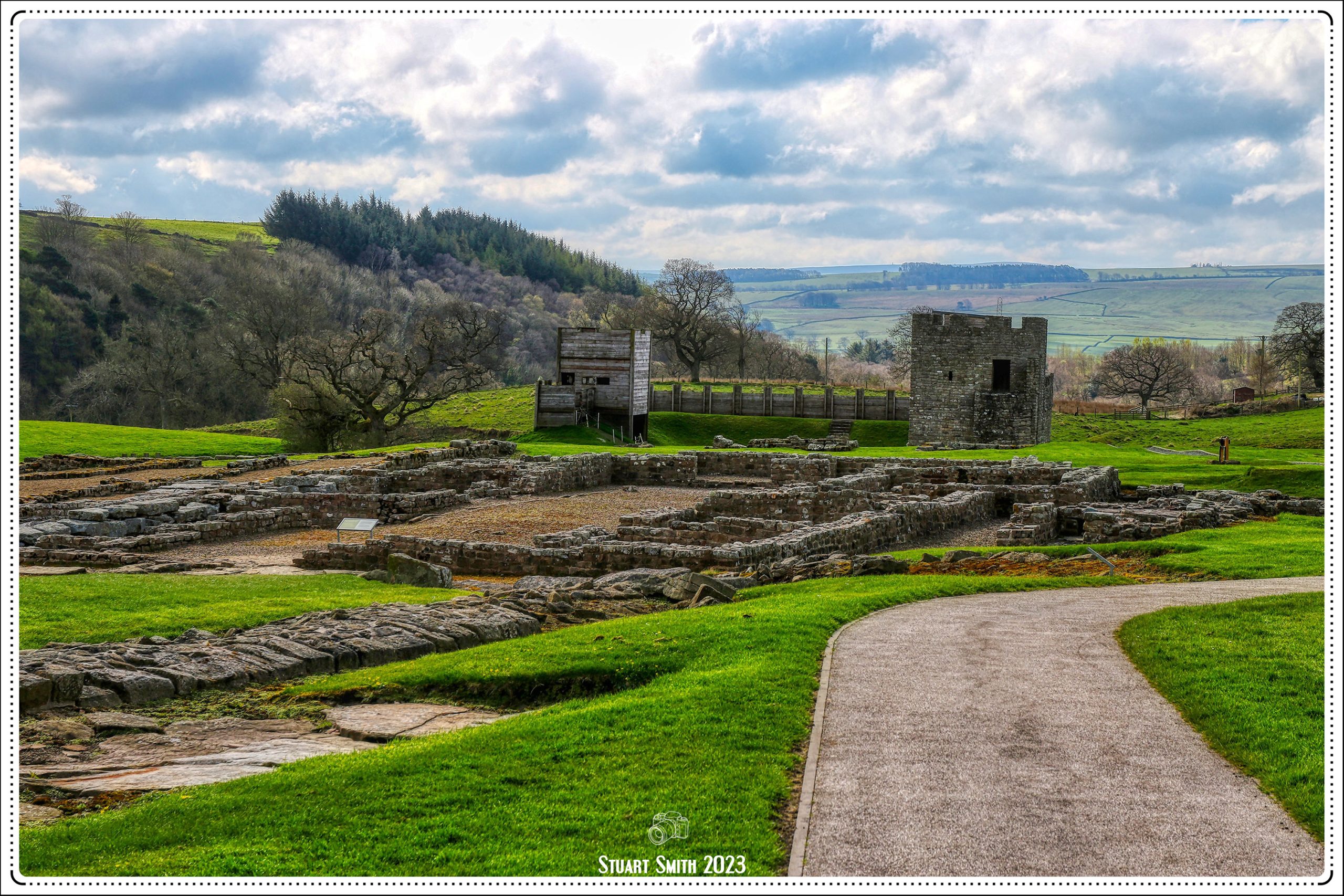
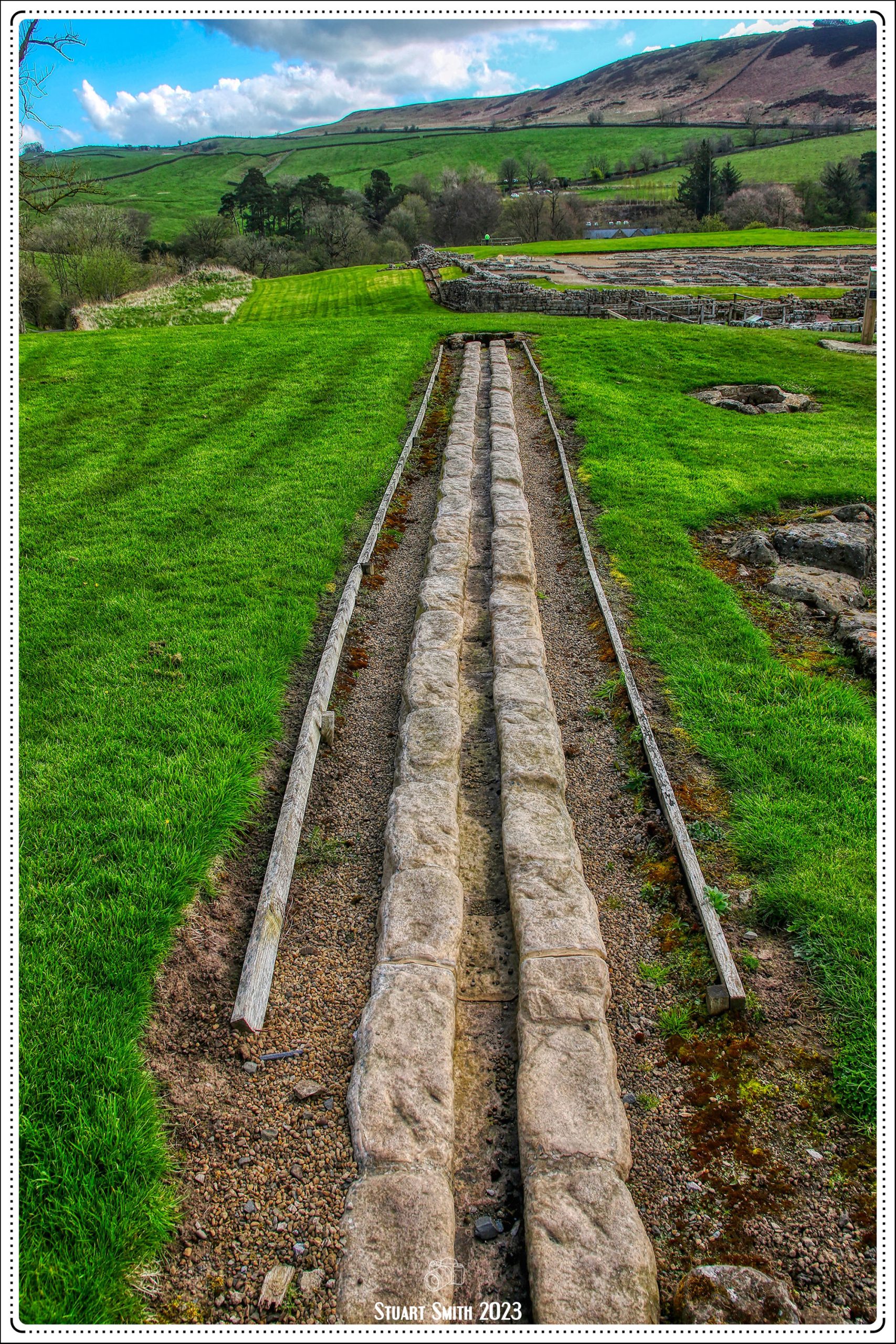
Vindolanda was a Roman auxiliary fort (castrum) just south of Hadrian’s Wall in northern England, which it pre-dated. Archaeological excavations of the site show it was under Roman occupation from roughly 85 AD to 370 AD. Located near the modern village of Bardon Mill in Northumberland, it guarded the Stanegate, the Roman road from the River Tyne to the Solway Firth. It is noted for the Vindolanda tablets, a set of wooden leaf-tablets that were, at the time of their discovery, the oldest surviving handwritten documents in Britain.

Vindolanda Archaeological Site, Bardon Mill, Hexham, Northumberland, England UK

“The Way Home to Rome”, Roman Army Museum, Pennine Way, Greenhead, Brampton, Northumberland, England UK

Exhibits, Roman Army Museum, Pennine Way, Greenhead, Brampton, Northumberland, England UK

Majestic Tree, Roman Army Museum, Pennine Way, Greenhead, Brampton, Northumberland, England UK

Countryside View, Roman Army Museum, Pennine Way, Greenhead, Brampton, Northumberland, England UK

Crindledykes Lime Kiln, Bardon Mill, Hexham, Northumberland, England UK

“Crindledykes Lime Kiln” stands beside a minor road running from the Military Road, west of Housesteads Roman Fort, to Bardon Mill. It is one of several limekilns built in this area in the C19th to turn locally quarried limestone into quicklime. Coal was brought from the nearby Barcombe Coal Mine via a waggonway. It is the only kiln in Northumberland which had four draw arches supplied from a single upper pot, although two were later blocked up to reduce production in the early 1900s.

KIRKBY STEPHEN to HAYDON BRIDGE – 2023

Lunch was at Kirkby Stepehen and then on to Haydon Bridge

“Mango Tree” Indian Restaurant, Market Square, Kirkby Stephen, Cumbria, England UK

The Cloisters, Market Square, Kirkby Stephen, Cumbria, England UK
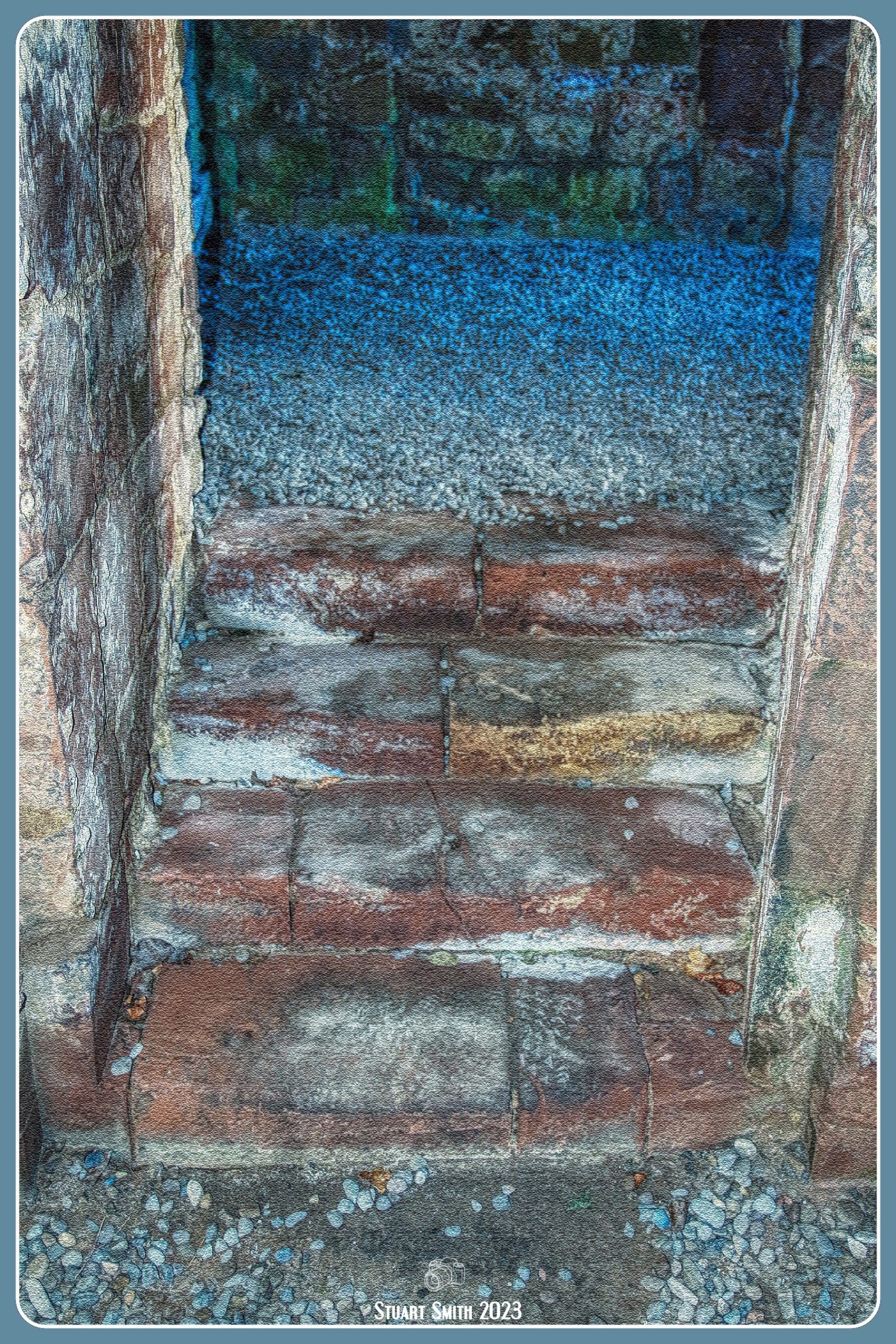
This is the entrance to St Stephen’s Church

Churchyard Gate, St Stephen’s Church, Kirkby Stephen, Cumbria, England UK

St Stephen’s Church, Kirkby Stephen, Cumbria, England UK

Church of England (probably dedicated to more than one saint originally).
Rebuilt c1230 with later additions and alterations.

War Memorial, Market Square, Kirkby Stephen, Cumbria, England UK
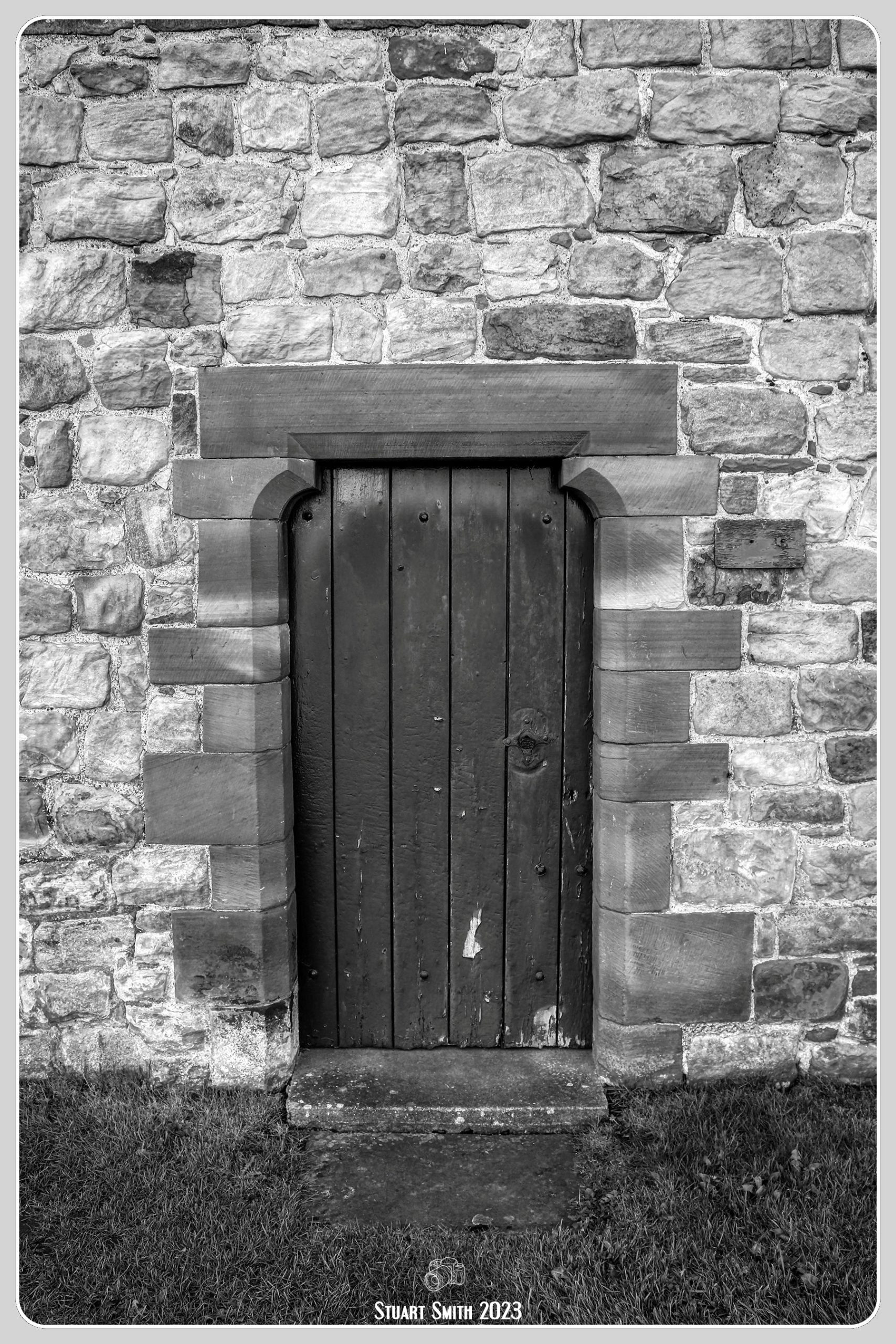
Kirkby Stephen War Memorial commemorates 48 local servicemen who fell in the First World War and 12 men who fell in the Second World War. Dedicated 8 July 1920 & again 11 March 1967 following damage caused by a severe storm in 1966.

Harthope Quarry, Harthope Road, Ireshopeburn, Bishop Auckland , County Durham, England UK

The Bar, Railway Hotel, Church Street, Haydon Bridge, Northumberland, England UK

“Tyneview”, 2 Ratcliffe Road, Haydon Bridge, Northumberland, England UK

Colour Image …………… Black & White Image

The General Havelock, Ratcliffe Road, Haydon Bridge, Northumberland, England UK

Originally called The Three Tuns, an 18c building it was renamed the General Havelock Inn after the Indian Army Major General Sir Henry Havelock and is now a famous restaurant.

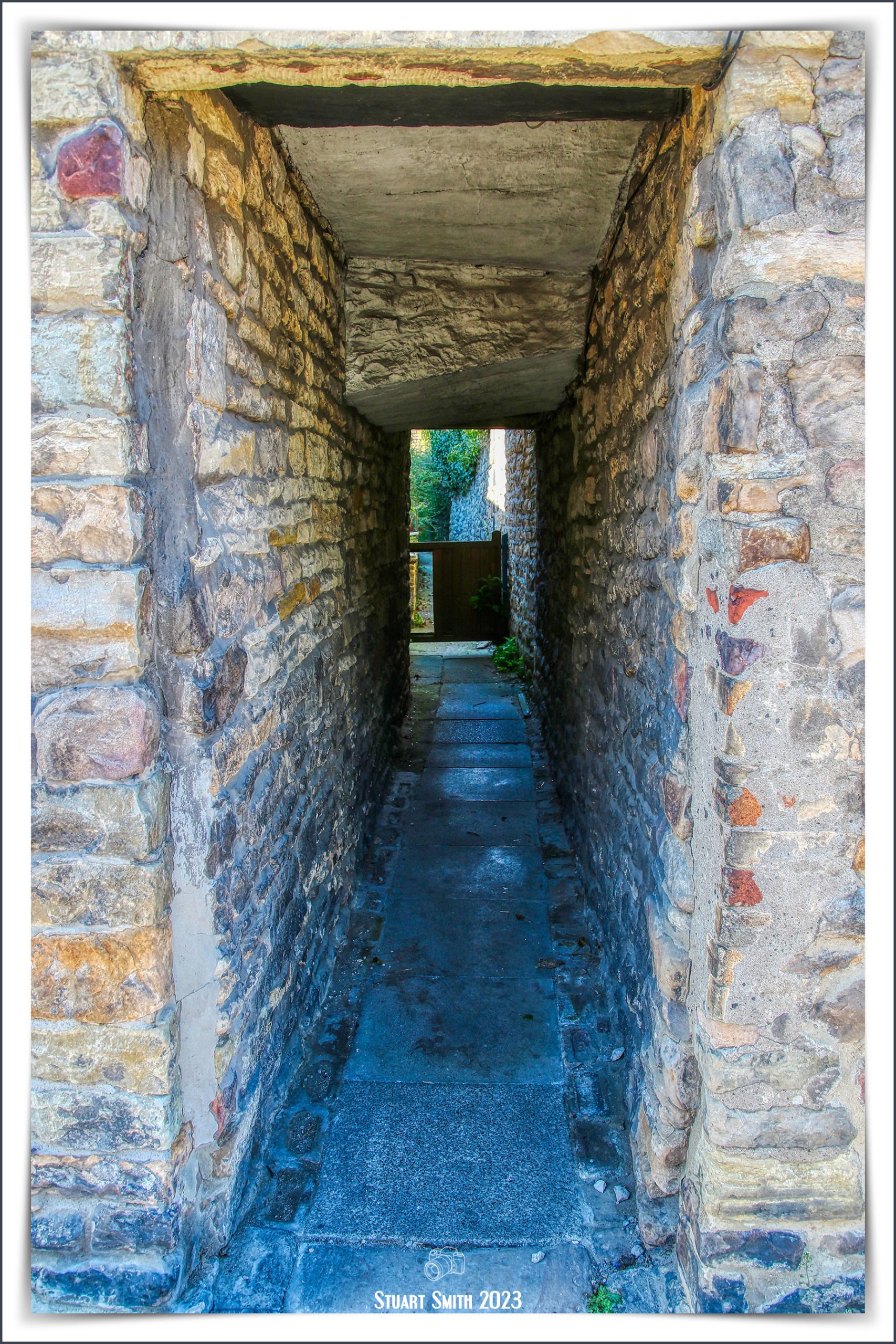
Alley, Ratcliffe Road, Haydon Bridge, Northumberland, England UKMr George’s Museum Of Time, Ratcliffe Road, Haydon Bridge, Northumberland England UK

Residential Block, Ratcliffe Road, Haydon Bridge, Northumberland, England UK

Read the Blue Plaque:
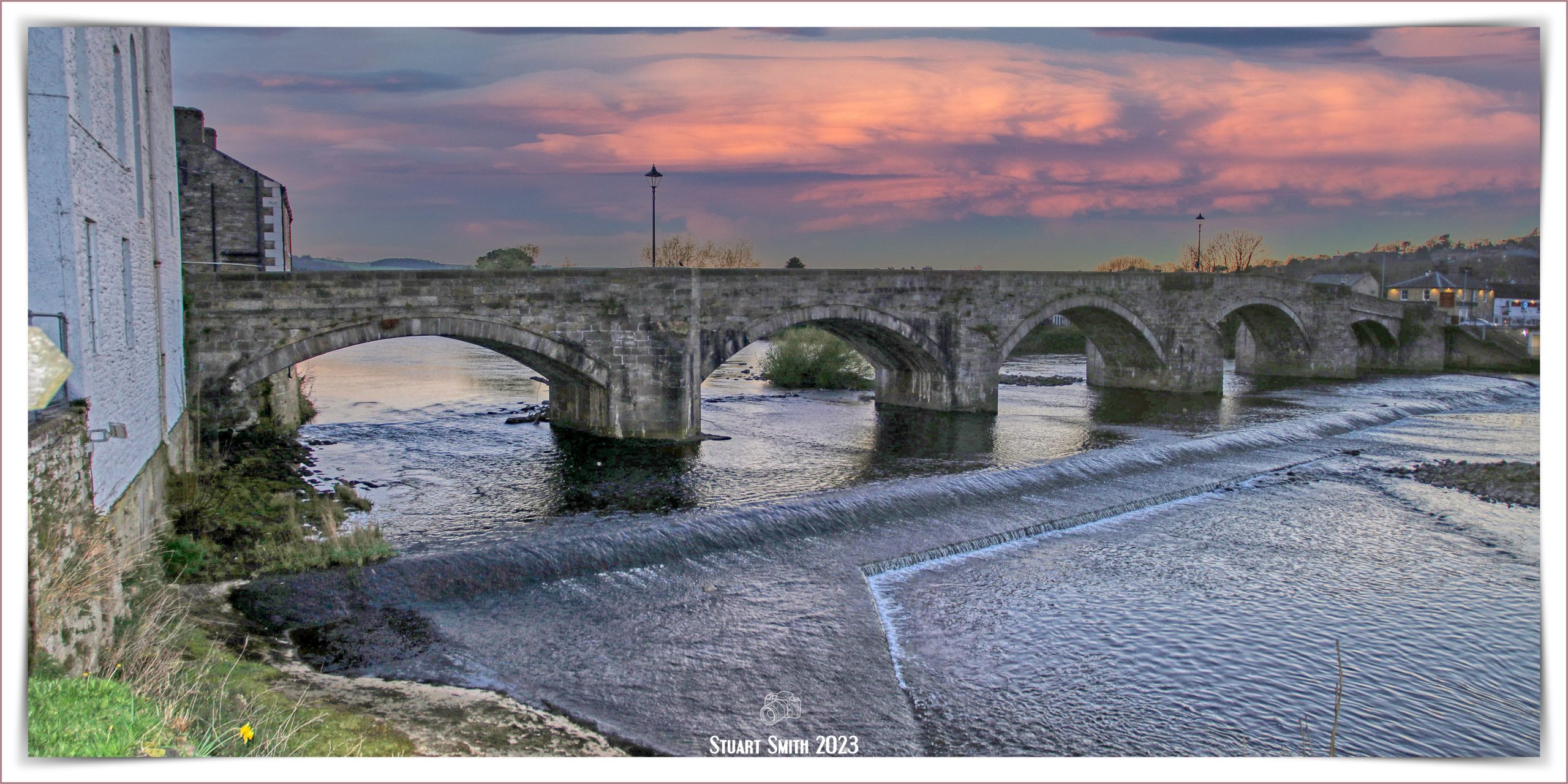
Old Bridge, River South Tyne, Haydon Bridge, Northumberland, England UK

The first bridge at Haydon Bridge was built in around 1309, but following the flood of 1771, it had to be rebuilt in 1776. Following structural surveys it ceased to be used by cars and converted to footbridge use only in 1970. It is listed as a Grade II building by Historic England

This now a dedicated pedestrian bridge.

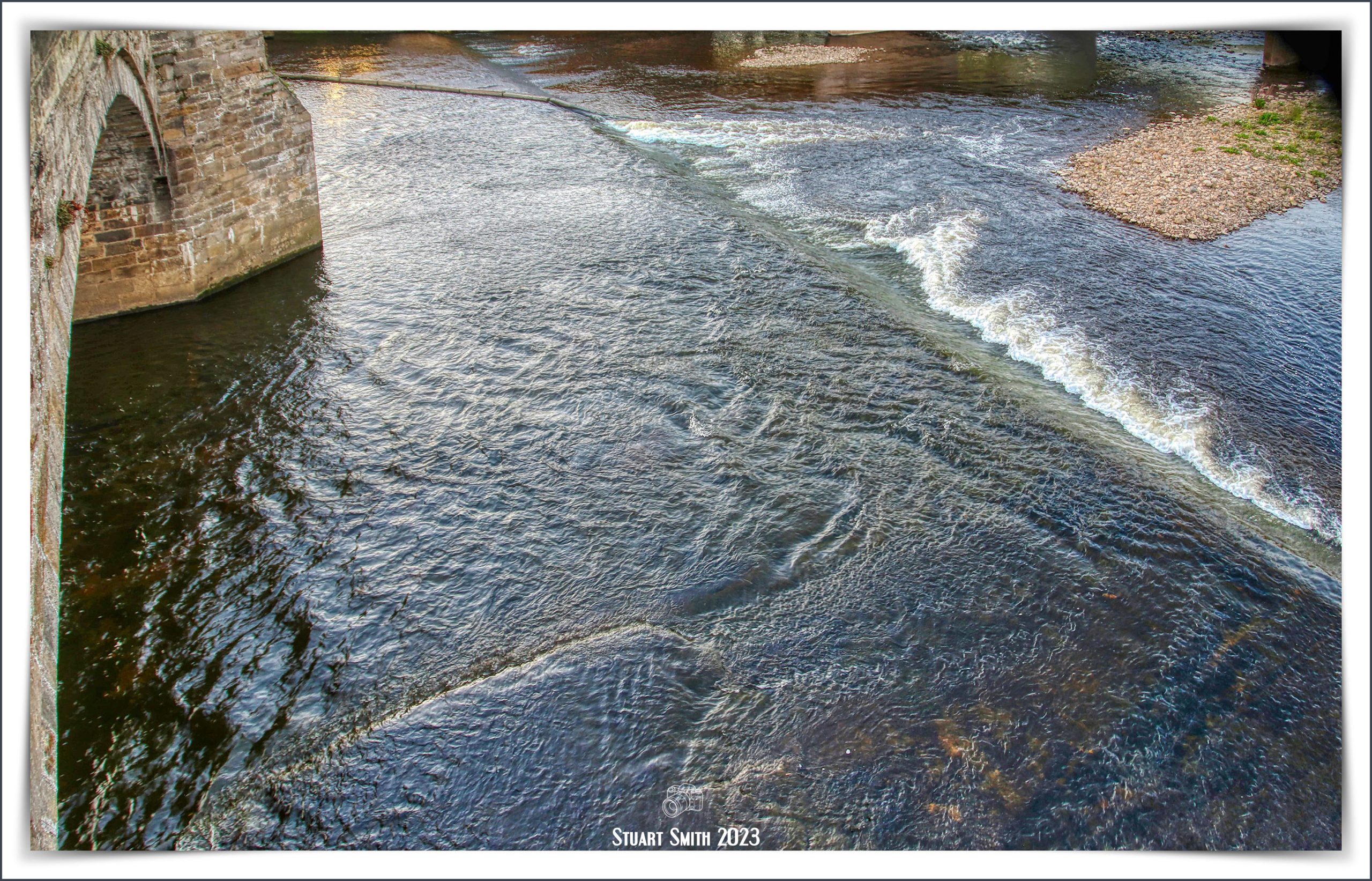
River South Tyne, Haydon Bridge, Northumberland, England UK

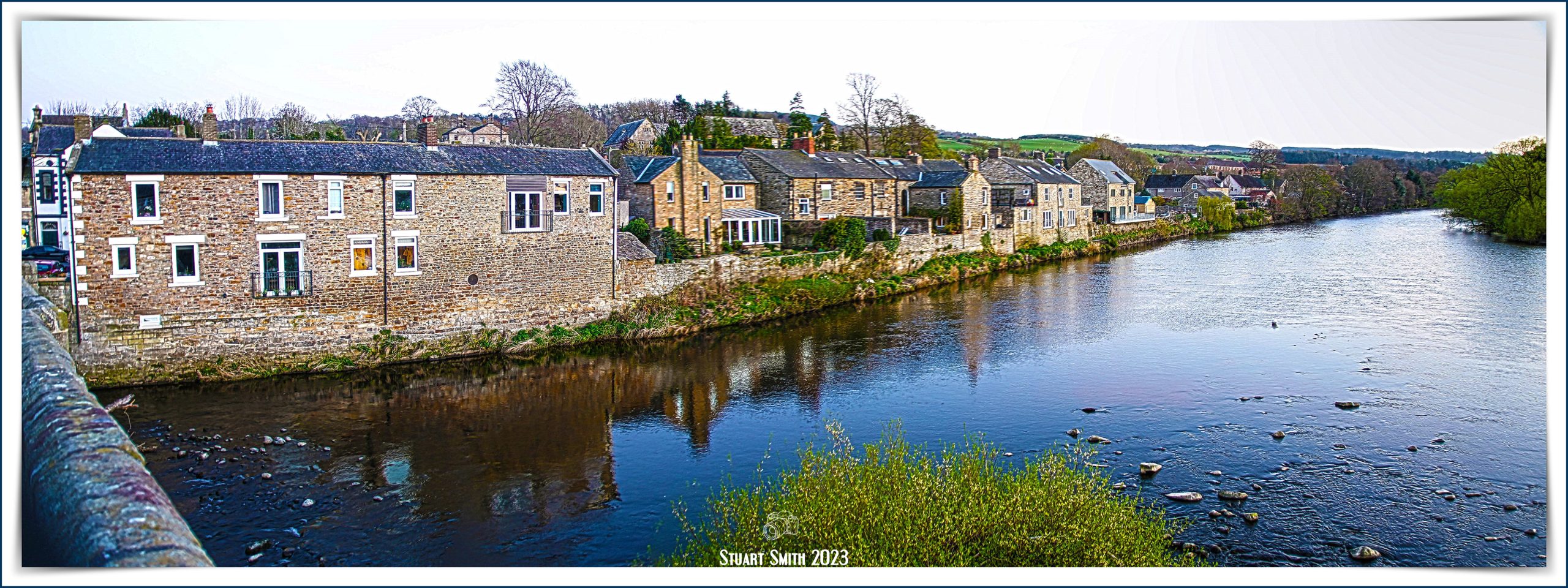
North Bank, River South Tyne, Haydon Bridge, Northumberland, England UK

Archway, Shaftoe’s Guest House, Shaftoe Street, Haydon Bridge, Northumberland, England UK

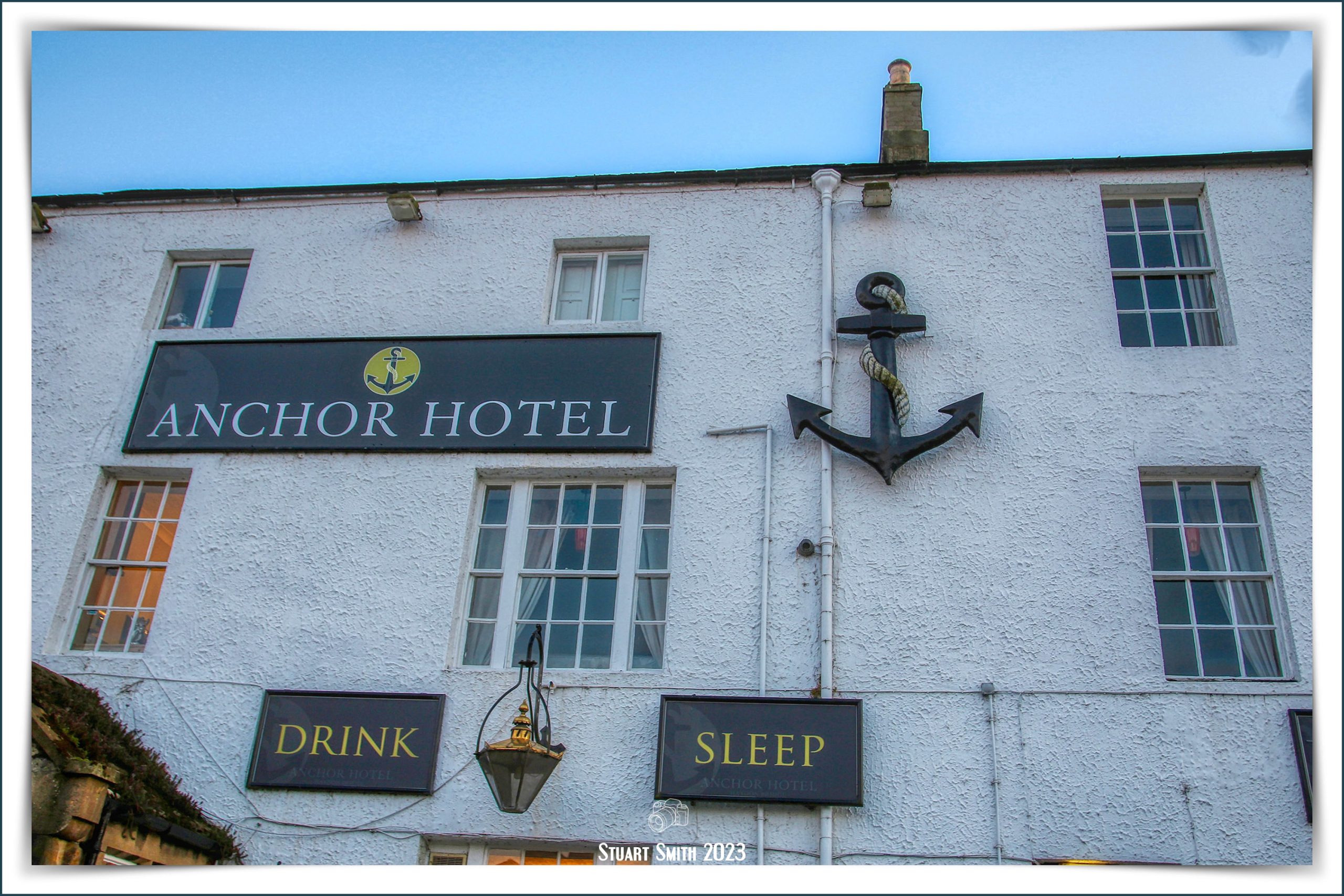
The Anchor Hotel, John Martin Street, Haydon Bridge, Northumberland, England UK

Rear Gate, “Labuan” Cottage, John Martin Street, Haydon Bridge, Northumberland, England UK

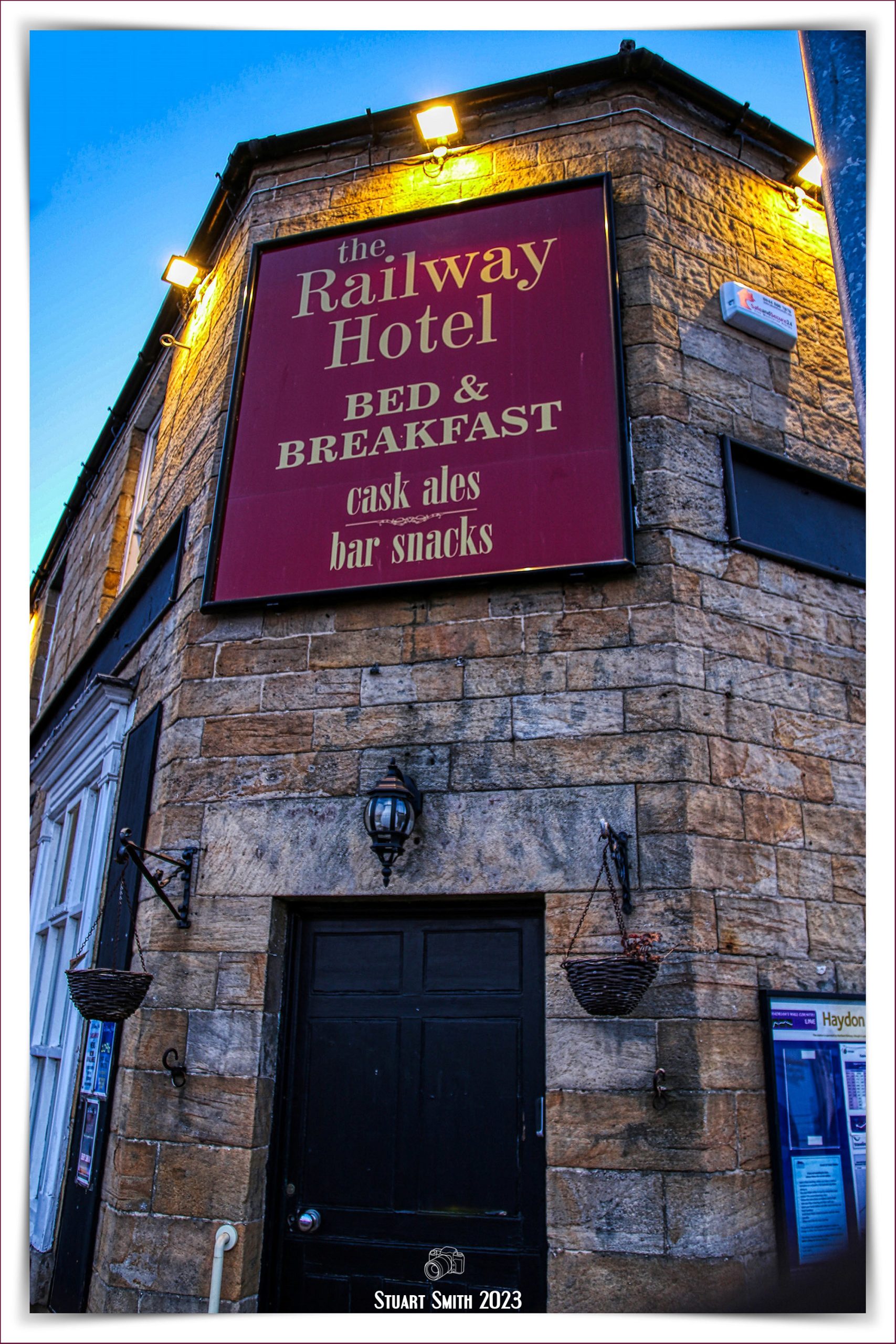
The Railway Hotel, Church Street, Haydon Bridge, Northumberland, England UK

This is where we spent a few nights whilst in Haydon Bridge

War Memorial, Church Street, Haydon Bridge, Northumberland, England UK

Dedicated 21 September 1921

St Cuthbert’s Church, Church Street, Haydon Bridge, Northumberland, England UK

Grade II Listed Building. The church was erected by the Greenwich Hospital Commissioners in 1796. The north transept was added in 1869 to accommodate children from the Shaftoe Trust School.

HEBDEN BRIDGE to KIRKBY STEPHEN – 2023

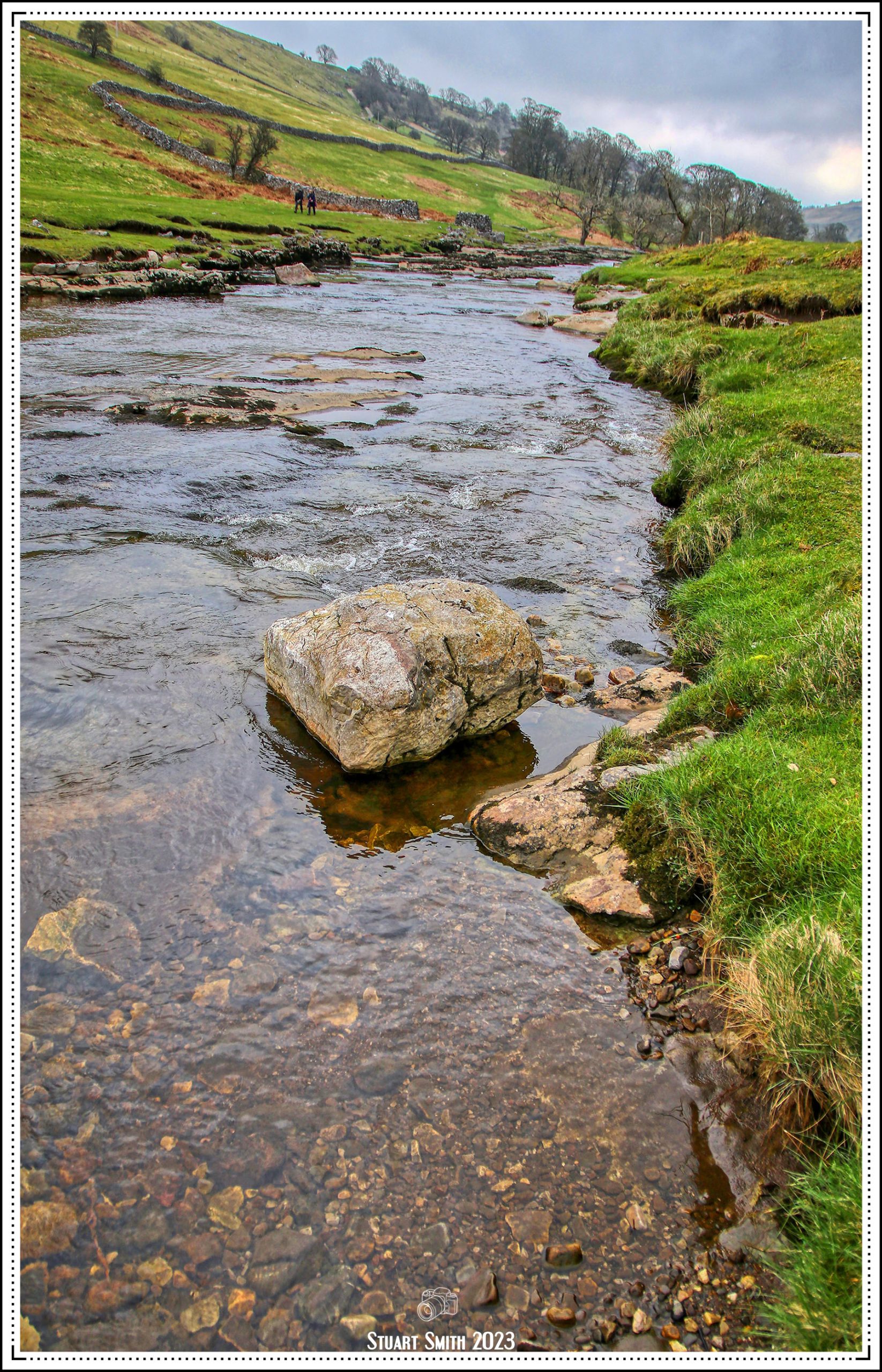
We say good-bye to Hebden Bridge and make our way to another Bridge – Haydon Bridge via a couple of interesting Market Towns, Kettlewell, Hawes & Kirkby Stephen. A few interesting sights/sites along the way.

As always, click on an image to open it in a new tab/window.

Worth Valley, West Yorkshire, England UKKettlewell Village, Upper Wharfdale, North Yorkshire, England UK

River Wharfe, Kettlewell, North Yorkshire, England UK

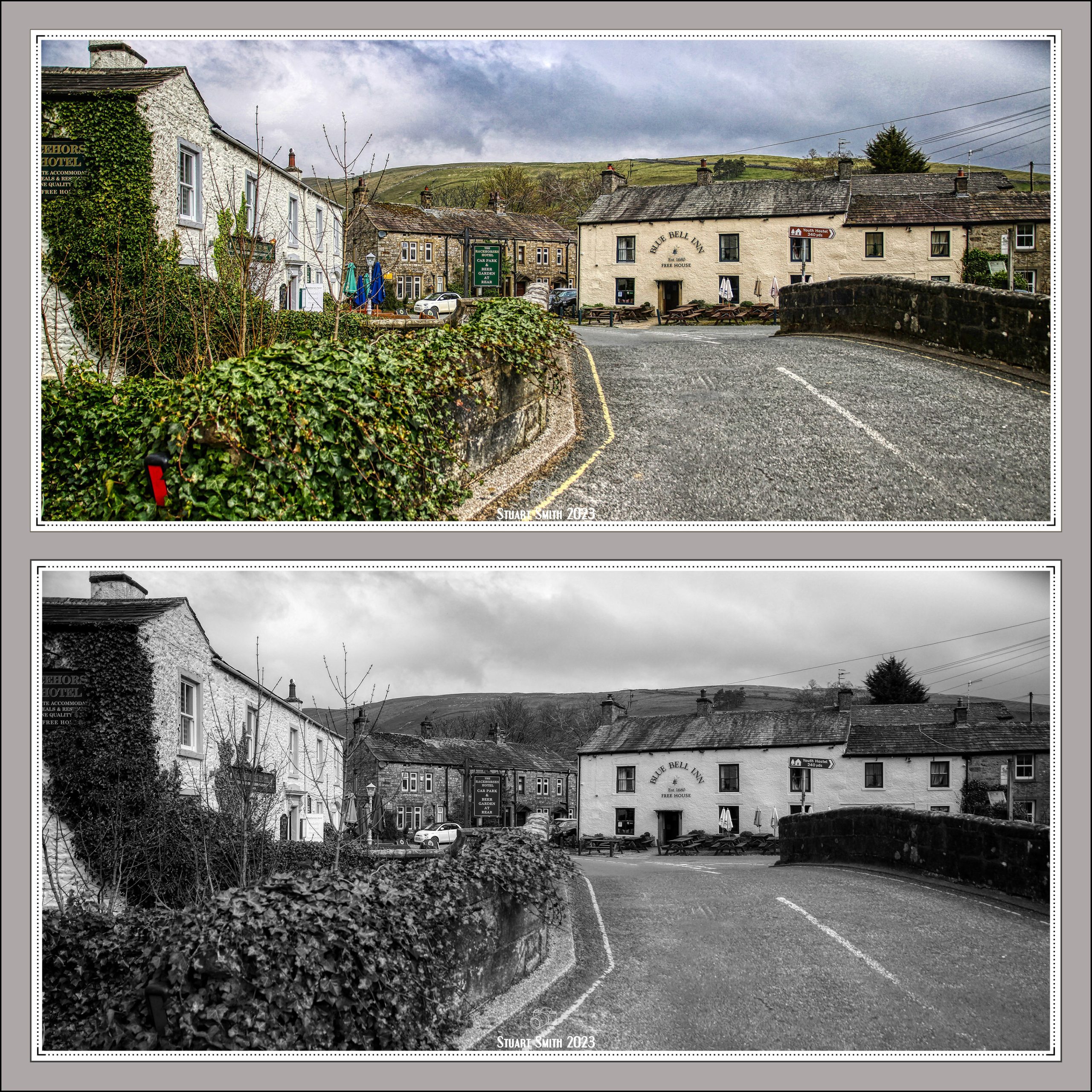
Racehorse Hotel & Blue Bell Inn, Middle Lane, Kettlewell, North Yorkshire, England UK

Colour Image <<<<<>>>>>Black & White Image

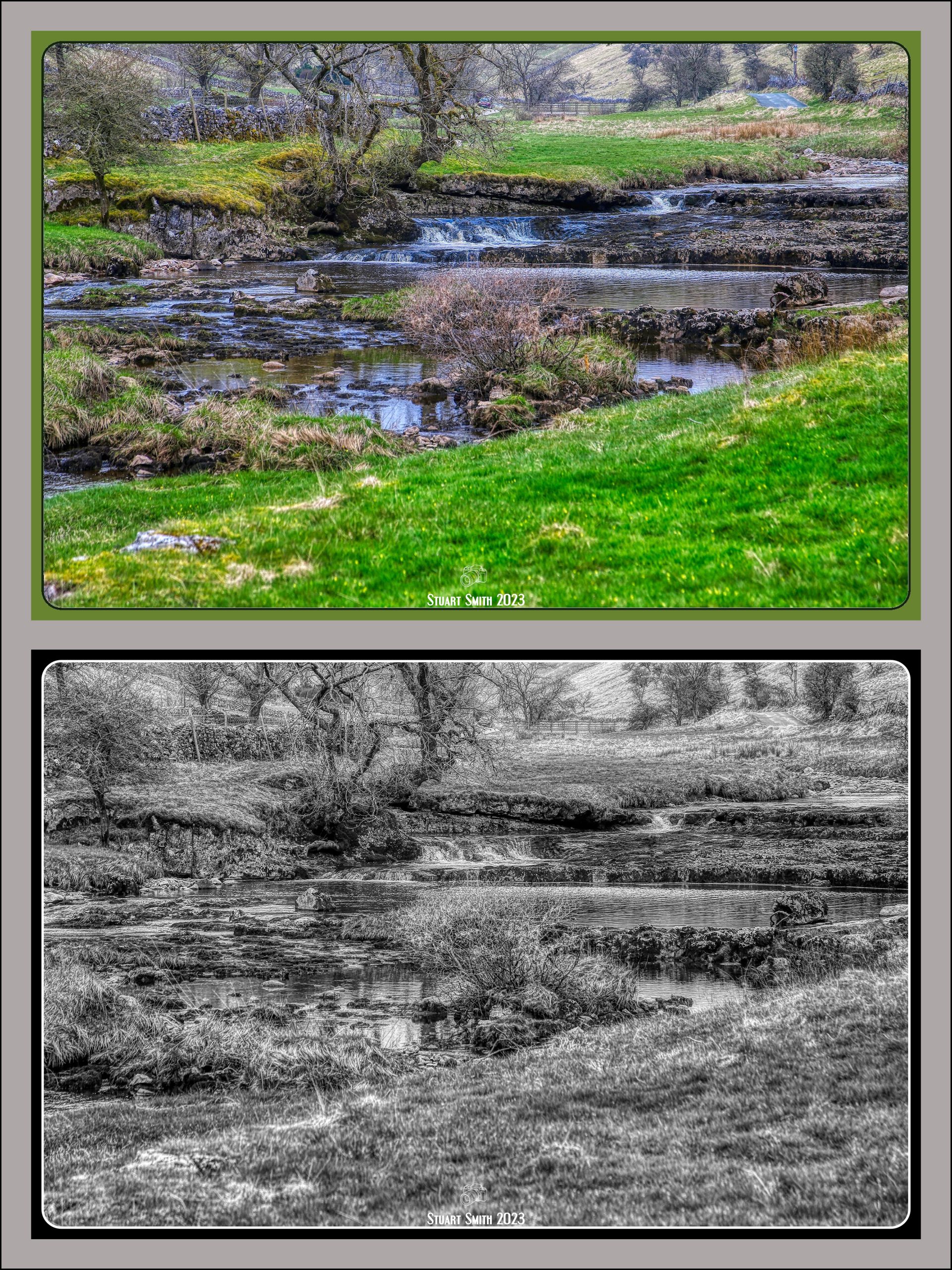
Kettlewell Beck, Kettlewell, North Yorkshire, England UK

CoColour Image <<<<<>>>>>Black & White Image

River Wharfe, Deepdale, Yorkshire Dales National Park, North Yorkshire, England UK

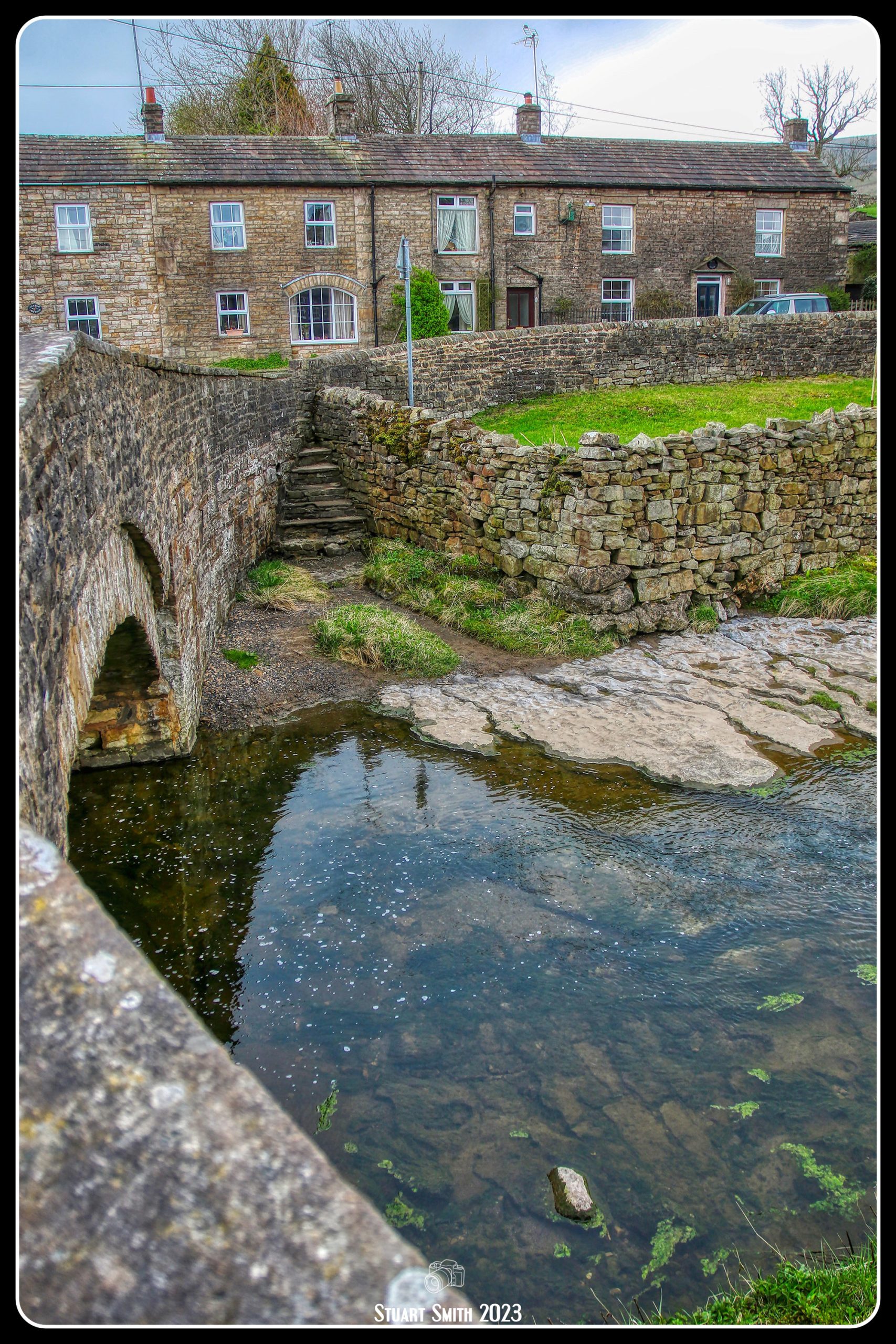
Bridge over Gayle Beck, Hawes, North Yorkshire, England UK

The bridge is a Grade II Listed Building

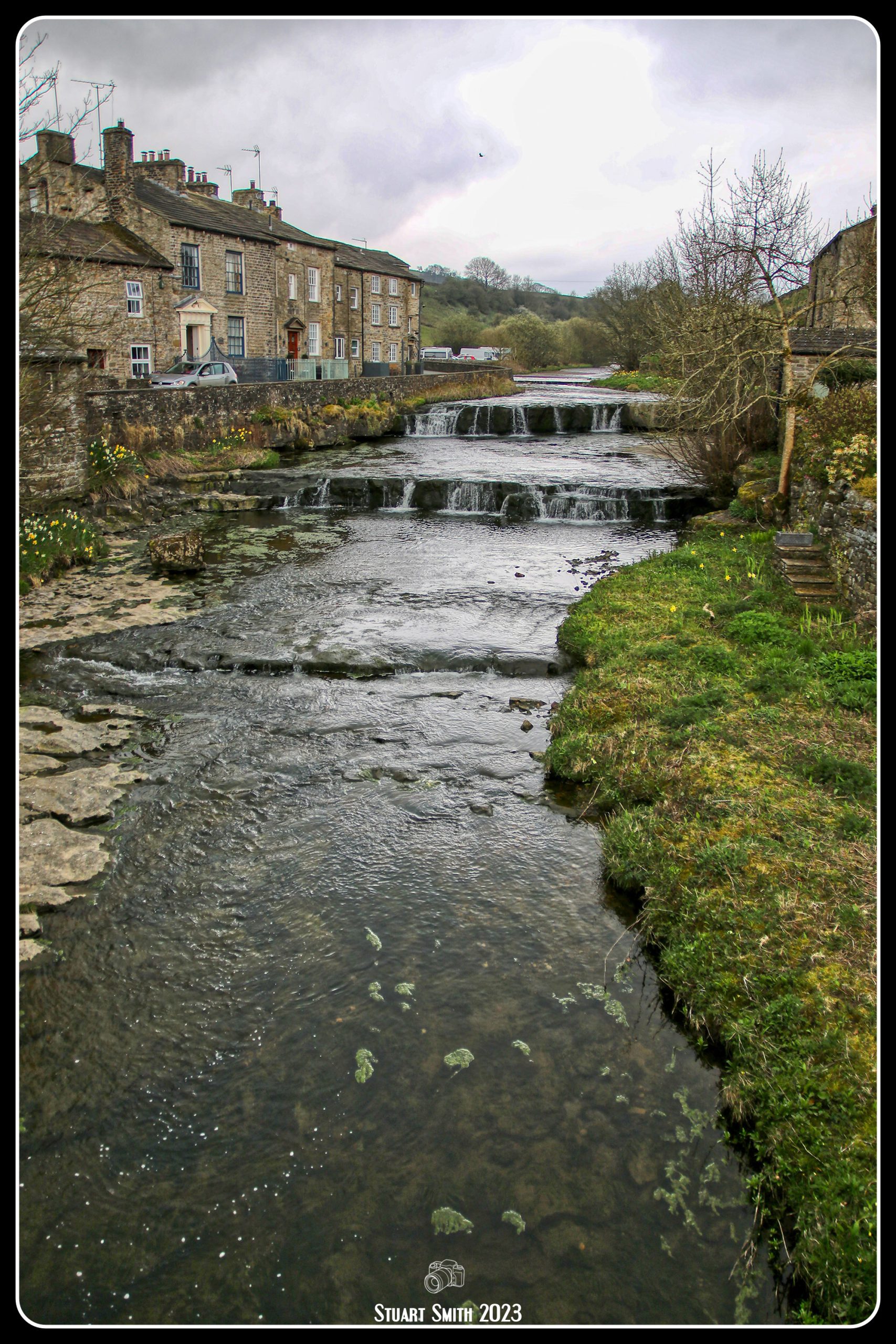
Cascades, Gayle Beck, Hawes, North Yorkshire, England UK

Old Town Signs, Gayle Lane, Hawes, North Yorkshire, England UK

Waterfalls, Aisgill, Mallerstang, Cumbria, England UK

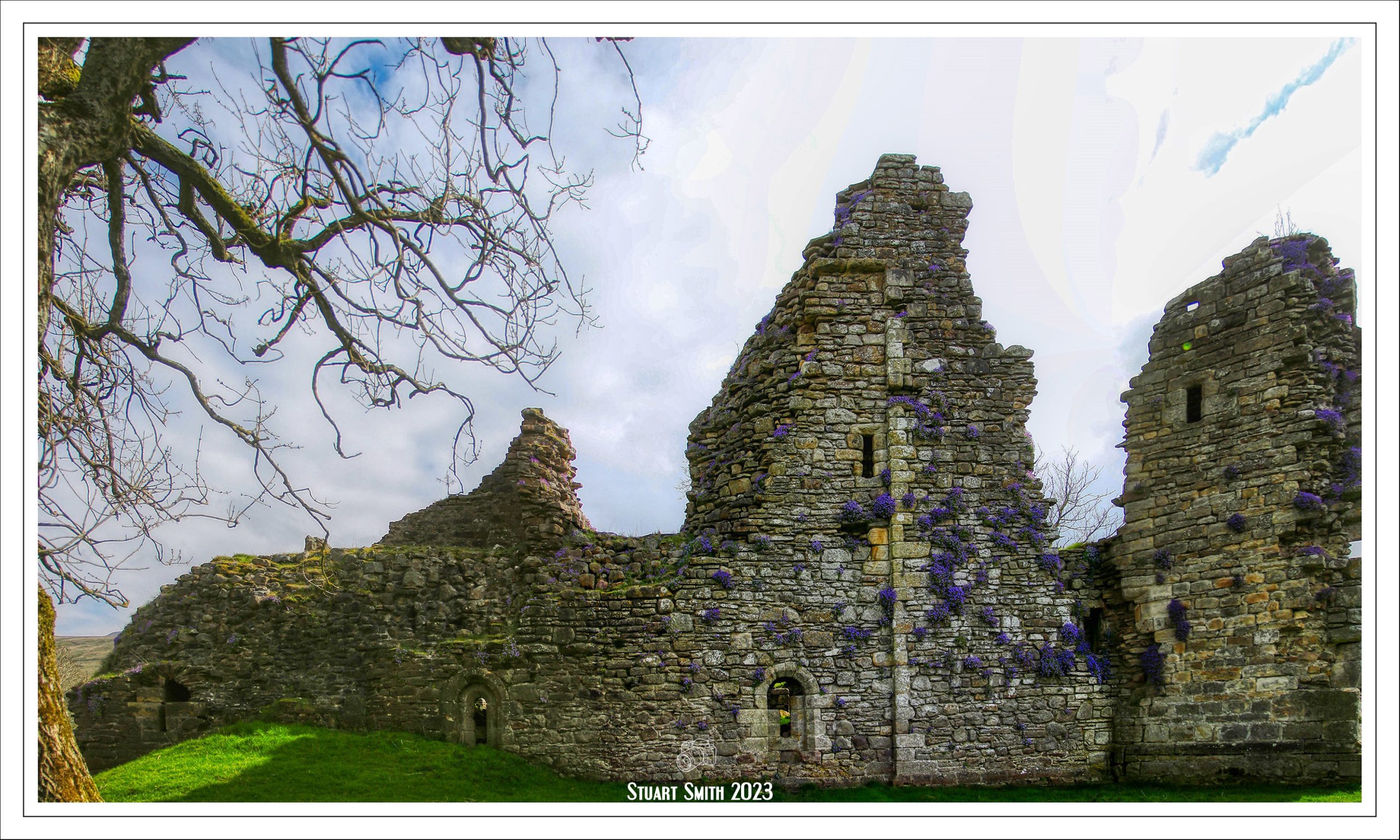
This creeper is growing all over the ruins.

A bit of maintenance to strengthen the foundation.

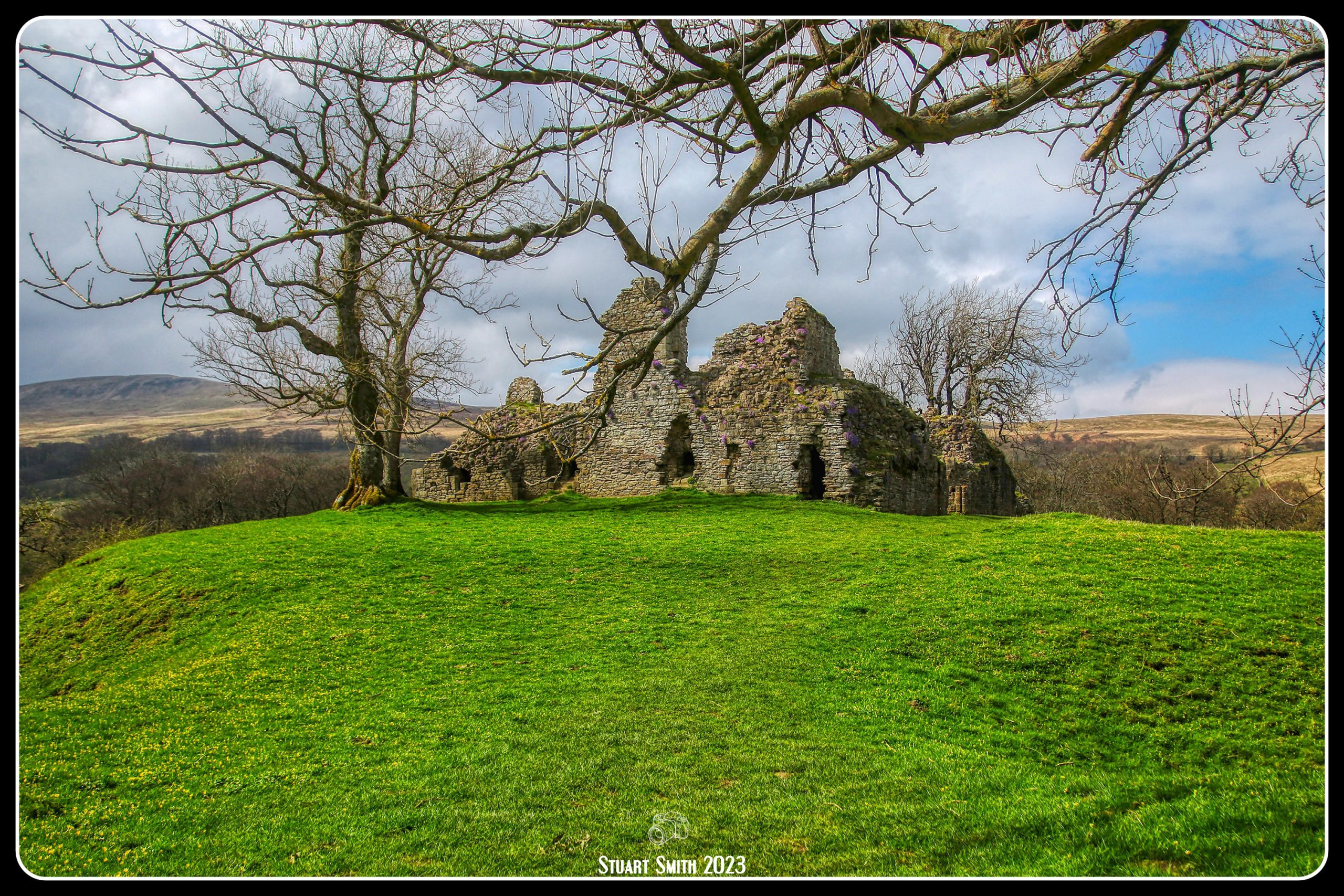
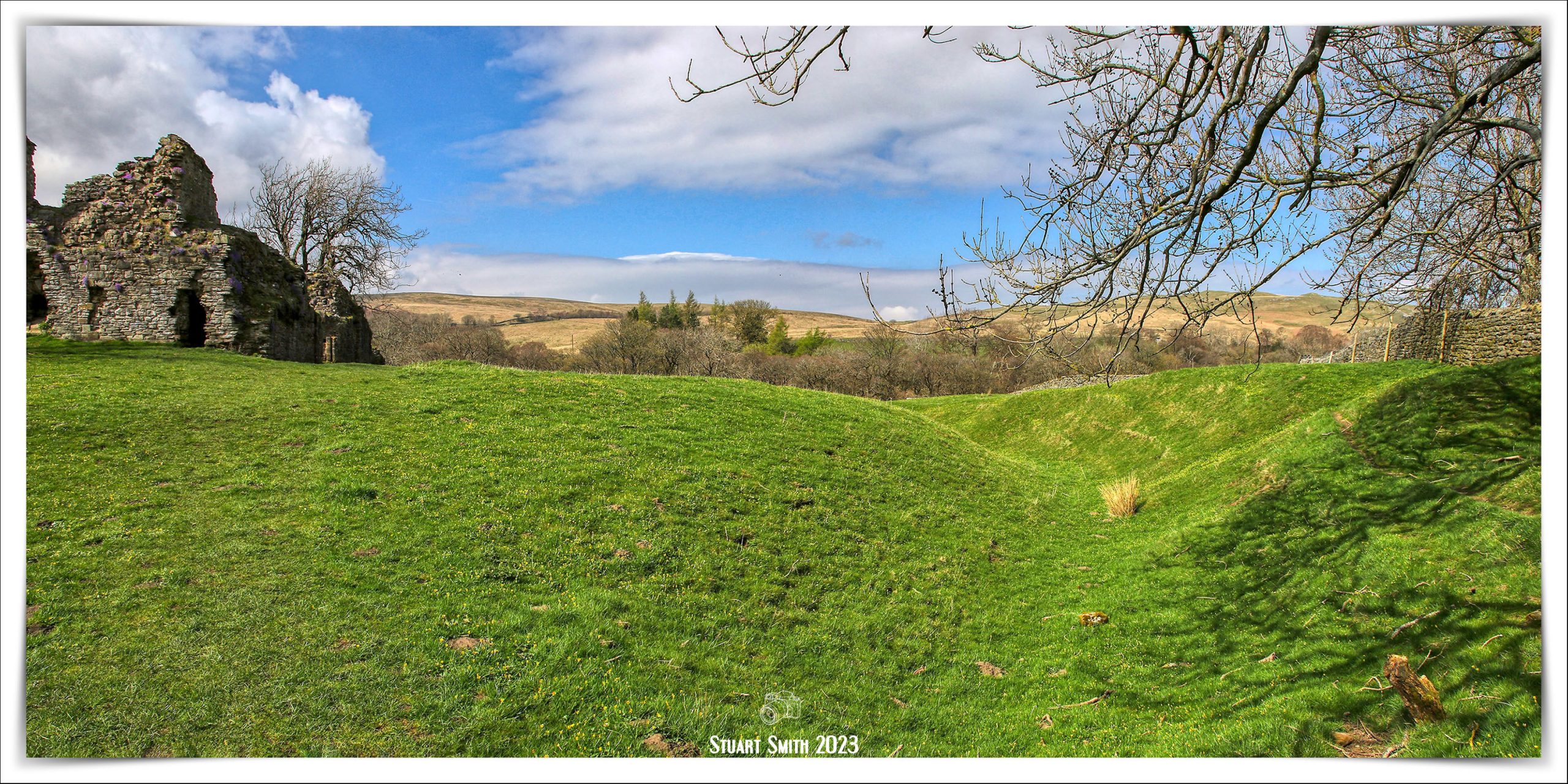
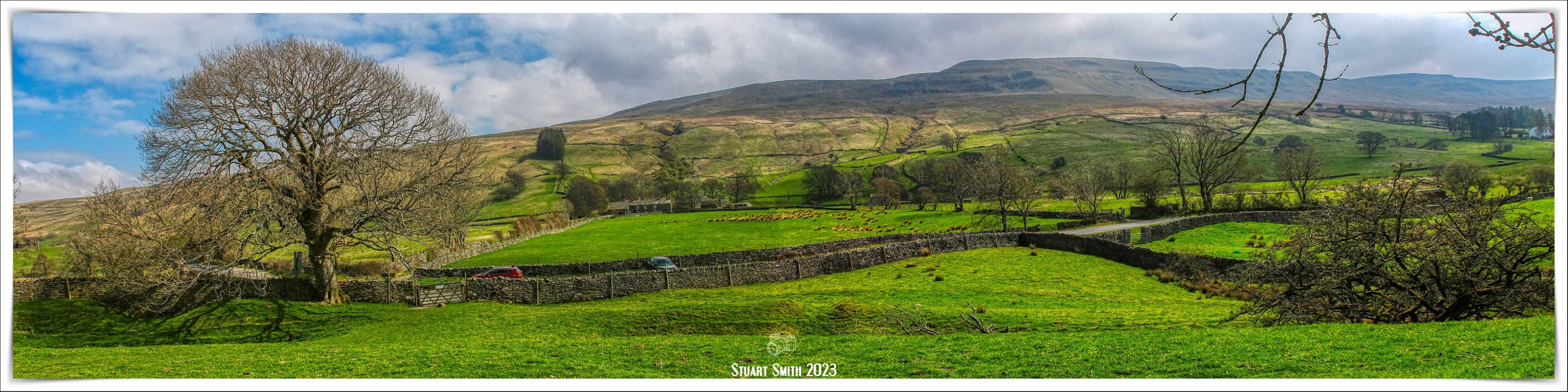
Pendragon Castle, Mallerstang Dale, Kirkby Stephen, Cumbria, England UKBlack Hill from Pendragon Castle, Mallerstang Dale, Kirkby Stephen, Cumbria, England UK
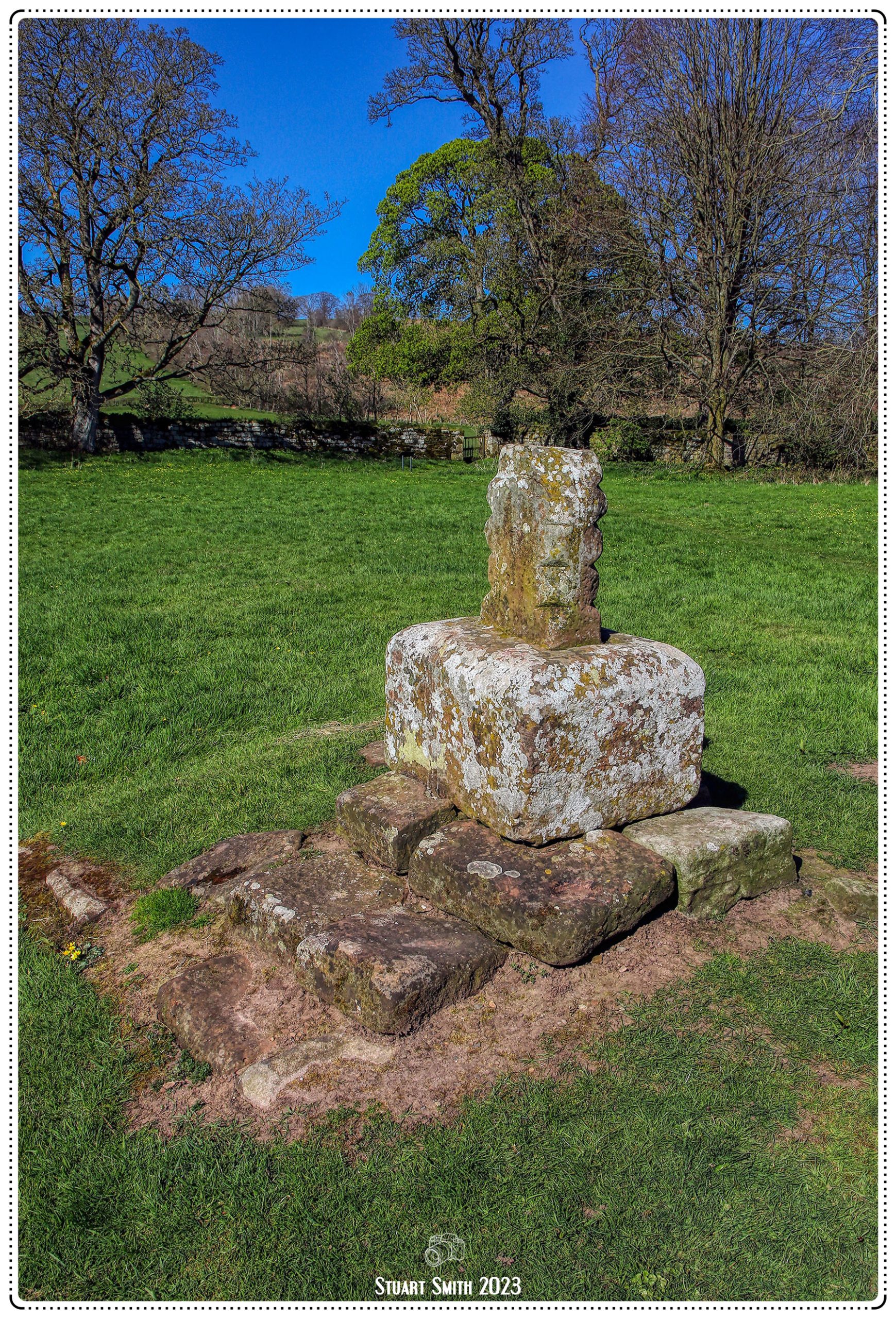
HEBDEN BRIDGE & HOLMFIRTH – 2023

While we were staying in Hebden Bridge, we took a day trip to visit another West Yorkshire town made famous as being the location of Britain’s longest-running comedy programme and the longest running situation comedy in the world – “The Last of The Summer Wine“. There were 295 episodes and 31 series between 1973 and 2010, counting the pilot, all episodes of the series, specials, and two films. Actor Peter Sallis who played the character “Norman Clegg” was the only one to appear in every single episode.

I have watched all of the episodes and enjoyed the show. That was why I decided to visit Holmfirth on this trip.

** Remember… all images will open in a new window/tab and all are geotagged. **

Residences, 81 Huddersfield Road, Holmfirth, West Yorkshire, England UK

Overgrown Gate, Huddersfield Road, Holmfirth, West Yorkshire, England UK

Methodist Church Cemetery, Huddersfield Road, Holmfirth, West Yorkshire, England UK

Memorial & Plate, Town Gate, Holmfirth, West Yorkshire, England UK

Stone Memorial on Towngate This was erected in 1801 to commemorate the short peace called the Peace of Amiens. There is also a line showing the height of the flood caused by the bursting of the Bilberry Reservoir on Feb 5th, 1842, when 81 lives were lost.

Sid’s Cafe, Town Gate, Holmfirth, West Yorkshire, England UK

This cafe feature strongly right across the period of the programme

Steps Besides Sid’s Cafée Town Gate, Holmfirth, West Yorkshire, England UK

Nora Batty, Sid’s Cafe, Town Gate, Holmfirth, West Yorkshire, England UK

A regular character of the series for many years

Flagstone Steps, Town Gate, Holmfirth, West Yorkshire, England UK

Old Door, Town Gate, Holmfirth, West Yorkshire, England UK

Church Door, Holy Trinity Parish Church, Town Gate, Holmfirth, West Yorkshire, England UK

Shoulder of Mutton, Dunford Road, Holmfirth, West Yorkshire, England UK

John Booth the Licensee listed in the surviving Brewster Session Record of 1803 is the first known record relating to this inn, but there is opinion that it was established around 1788. The Shoulder of Mutton remains open to this day
and as such it is one of the longest running public houses in Holmfirth, apparently without any change of name in its history.

A ghost story associated with the Shoulder of Mutton dating from 1970 was first made public in 1984. It was then published by the History Press in 2012, in a book, A Review of Haunted Huddersfield, researched and written by Kai Roberts. Roberts listed this as the only pub in Holmfirth that had a ghost story. There had been reports of rattling door handles, sounds of footsteps in empty rooms, flickering lights, relocated furniture and a nasty smell in one room. Even more disturbing, a young child was seen communicating with someone unseen and
another child was mysteriously trapped in a wardrobe. When the pub sign got damaged it was thought it was time to call in a clairvoyant. She identified several ghosts: a little boy wanting a playmate, a mournful woman, a band of uniformed men in a bar and an old lady, dressed in black with a high-collared dress and smoking a clay joss.
In 1947 a tragic accident occurred outside the pub when the Bolsterstone Male Voice Choir was involved in a fatal bus crash. Perhaps the clairvoyant knew of this, as well as being aware of the pub being an inquest site for three bodies in 1852. She also believed a former landlady had been unhappy with alterations made to the pub, and it is known that there was a landlady here between 1880 and 1891. Whatever she claimed to know, she did carry out an exorcism and it seems the ghosts went away.

Last of the Summer Wine Tour Bus, Town Gate, Holmfirth, West Yorkshire, England UK

It’s well worth the ride.

Holmfirth, Holme Valley, West Yorkshire, England UK

Taken from inside the tour bus.

River Holme, Town Gate, Holmfirth, West Yorkshire, England UK

The river runs through the centre of the town..

The Elephant and Castle, Hollowgate, Holmfirth, West Yorkshhire, England UK

The original hostelry would have been a coaching inn dating back to the 18th century. Its name is attributed to the recognition of Queen Eleanor of Castile, the wife of King Edward I. The public house bearing the same name remains open today in a building dating from the 1820s.

Old Road Sign, Hollowgate, Holmfirth, West Yorkshire, England UK
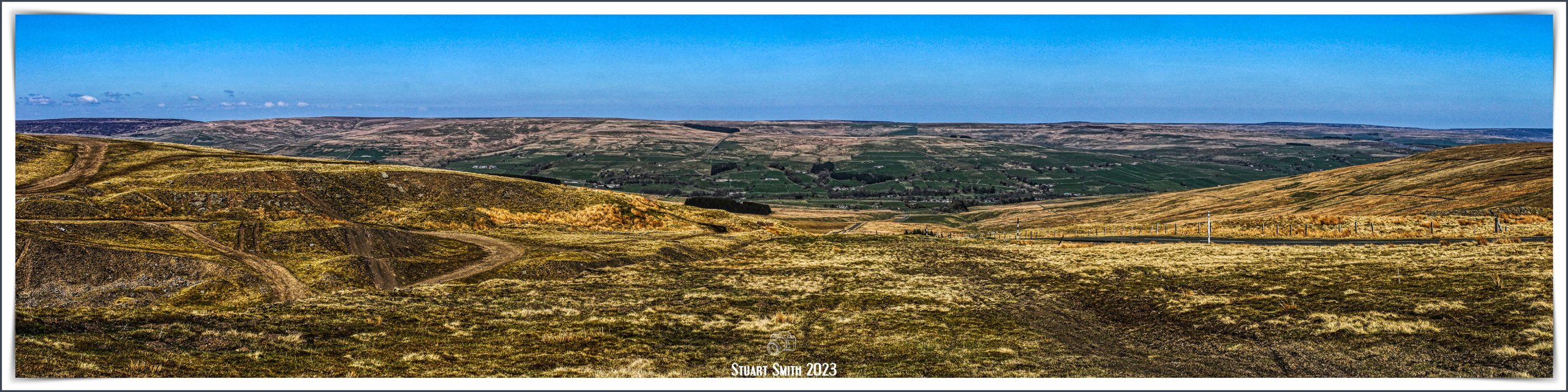
The Wrinkled Stocking, Scarfold, Holmfirth, West Yorkshire, England UK

Now a tearoom, the unit was the home of Nora Batty in the series. Below her unit William “Compo” Simmonite. had his residence.

Historical Plaque for “Compo”, Scarfold, Holmfirth, West Yorkshire, England UK

Former Telephone Box, Cnr Huddersfield Road and Victoria Street, Holmfirth, West Yorkshire, England UK

St John’s Church, Upperthong Lane, Holmfirth, West Yorkshire, England UK

Grave Stones, St John’s Parish Church, St John’s Church, Upperthong Lane, Holmfirth, West Yorkshire, England UK

Graves of Bill Owen & Peter Sallis, St John’s Church, Upperthong Lane, Holmfirth, West Yorkshire, England UK

William John Owen Rowbotham, MBE (Bill Owen) (14 March 1914 – 12 July 1999)was an English actor and songwriter. He was the father of actor Tom Owen. He is best known for portraying Compo Simmonite in the Yorkshire-based BBC comedy series Last of the Summer Wine for over a quarter of a century.

Peter John Sallis OBE (1 February 1921 – 2 June 2017) was an English actor, known for his work on British television. He was the voice of Wallace in the Academy Award-winning Wallace and Gromit films and played Norman “Cleggy” Clegg in Last of the Summer Wine from its 1973 inception until the final episode in 2010, making him the only actor to appear in all 295 episodes.

After the day at Holmfirth, we returned to finish it off back at Hebden Bridge

Old Packhorse Bridge, Hebden Water, Hebden Bridge, West Yorkshire, England UK
Park Setting, Old Gate, Hebden Bridge, West Yorkshire, England UK

Hop, Skip & Juice, Old Gate, Old Gate, Hebden Bridge, West Yorkshire, England UK

Another drink at Old Gate Pub

Old Packhorse Bridge, Hebden Water, Hebden Bridge, West Yorkshire, England UK

The White Swan, Bridge Gate, Hebden Bridge, West Yorkshire, England UK

Right at the end of The Packhorse Bridge

Bridge Gate, Hebden Bridge, West Yorkshire, England UK

Empties, Shoulder of Mutton, Bridge Gate, Hebden Bridge, West Yorkshire, England UK

Bridge Mill, St George’s Street, Hebden Bridge, West Yorkshire, England UK


HEBDEN BRIDGE 2023 – II

Day 2 in Hebden Bridge and a walk around everywhere we could.

Remember – all images are geotagged and if clicked on will open in a new tab/window.


Hebden Old Bridge, Hebden Water, Hebden Bridge, West Yorkshire, England UK

Packhorse bridge, c.1510. Has plaques recording repairs of 1600, 1602 and 1657. The parapet repaired in 1845 and raised in 1890.

Three inscribed date plaques: REPAYRED: BY TH E.RIDINGE: BY ORD REPAIRED BY HELP OF ER: OF SESSIONS (B) Y GVST : 1657 RICHARD : NALER Y R.G.R.G. SESSIONS 1602 REPAIRED BY HELP OF JOHN : GREENMOOD SESSIONS 1600


Rochdale Canal, Hebble End, Hebden Bridge, West Yorkshire, England UK


“Old Gate” Bar & Restaurant, Old Gate, Hebden Bridge, West Yorkshire, England UK


Doorway of former Ebenezer Baptist Chapel, Market Street, Hebden Bridge, West Yorkshire, England UK

Interior Outlook, Former Ebenezer Baptist Chapel, Market Street, Hebden Bridge, West Yorkshire, England UK


Gravestone – Grace Townsend, Ebenezer Baptist Chapel, Market Street, Hebden Bridge, West Yorkshire, England UK


Grave Stone, William & Sarah Greay, Ebenezer Baptist Chapel, Market Street, Hebden Bridge, West Yorkshire, England UK

The former Ebenezer Baptist Chapel dates to 1777 and is now The Arts Centre


Bricked Up, 42 Market Street, Hebden Bridge, West Yorkshire, England UK

See a full street view here!


“Barkers Terrace”, Cnr Market Street and Hangingroyd Road, Hebden Bridge, West Yorkshire, England UK


Smokestack, Beehive Mills, Hebden End, Hebden Bridge, West Yorkshire, England UK


Cuckoo Steps Mill, Market Street, Hebden Bridge, West Yorkshire, England UK

This is now converted to two residences


Stoney Lane & Cuckoo Steps, Market Street, Hebden Bridge, West Yorkshire, England UK


Hebble End View B&B, Barkers Terrace, Cnr Market Street & Hangingroyd Road, Hebden Bridge, West Yorkshire, England UK


GR Mailbox, Market Street, Hebden Bridge, West Yorkshire, England UK


Goose Walkabout, Market Street, Hebden Bridge, West Yorkshire, England UK


River Calder, Hebden Bridge, West Yorkshire, England UK


Rochdale Canal Bridge, Hebble End, Hebden Bridge, West Yorkshire, England UK


Rochdale Canal, Hebble End, Hebden Bridge, West Yorkshire, England UK


Fountain Street, Hebden Bridge, West Yorkshire, England UK


Former Mill Smokestack, Hebden End, Hebden Bridge, West Yorkshire, England UK


Rochdale Canal, Hebble End, Hebden Bridge, West Yorkshire, England UK


Black Pit Lock & Bridge No. 17, Rochdale Canal, Hebden Bridge, West Yorkshire, England UK

The Rochdale Canal runs for 33 miles between Manchester and Sowerby Bridge in West Yorkshire, UK. In Sowerby Bridge it connects with the Calder and Hebble Navigation. In Manchester it connects with the Ashton and Bridgewater Canals.

The canal was opened between Sowerby Bridge and Todmorden and from Manchester to Rochdale in 1799 and between Todmorden and Rochdale in 1805. Most of the canal was closed in 1952. Restoration work began in late 1980s and by 1996 the canal was opened to navigation once again between Sowerby Bridge and the summit level. The canal was re-opened to navigation along its entire length in July 2002 and forms part of the South Pennine Ring.


River Calder from Rochdale Canal Bridge, Hebble End, Hebden Bridge, West Yorkshire, England UK

It is at this point that the Rochdale Canal crosses over the River Calder.


Waymarker, Black Pit Lock, Rochdale Canal, Hebden Bridge, West Yorkshire, England UK


Water Cascade, River Calder, Hebden Bridge, West Yorkshire, England UK


Narrow Boats on River Calder with Crossley Mill in the Background, Hebden Bridge, West Yorkshire, England UK


War Memorial, New Road Memorial Gardens, New Road, Hebden Bridge, West Yorkshire, England UK


Flood Records Marker, Hebden Bridge Picture House, New Road, Hebden Bridge, West Yorkshire, England UK


Hope Baptist Church, New Road, Hebden Bridge, West Yorkshire, England UK


The Railway, New Road. Hebden Bridge, West Yorkshire, England UK


Dry Dock at Marina, New Road, Hebden Bridge, West Yorkshire, England UK


Hebden Bridge Picture House, New Road, Hebden Bridge, West Yorkshire, England UK

One of the last remaining council-owned cinemas in Britain. Together with the adjacent shops, it forms a Grade II listed building. Original seating capacity was over 900.


The White Lion, Bridge Gate, Hebden Bridge, West Yorkshire, England UK

Reputed to be Hebden Bridge’s oldest building. House originally known as King’s Farm dating from 1657 substantially rebuilt late C19. Known to have been a public house from the mid C18. Dressed stone, stone slate roof. Original house had 2-room front with rear kitchen wing, some material of this date survives to ground floor.

Our place of residence for the few days spent in Hebden Bridge


Cobbled Car Park, White Lion Hotel, Bridge Gate, Hebden Bridge, West Yorkshire, England UK


View from Old Gate Beer Garden, West End, Hebden Bridge, West Yorkshire, England UK


Dining, Old Gate Bar & Restaurant, Old Gate, Hebden Bridge, West Yorkshire, England UK


Hebden Water, West End, Hebden Bridge, West Yorkshire, England UK


Bridge Gate, Hebden Bridge, West Yorkshire, England UK


Hebden Old Bridge, Hebden Water, Hebden Bridge, West Yorkshire, England UK


St Georges Square, Hebden Bridge, West Yorkshire, England UK


Cobbled Crossing, Bridge Gate, Hebden Bridge, West Yorkshire, England UK