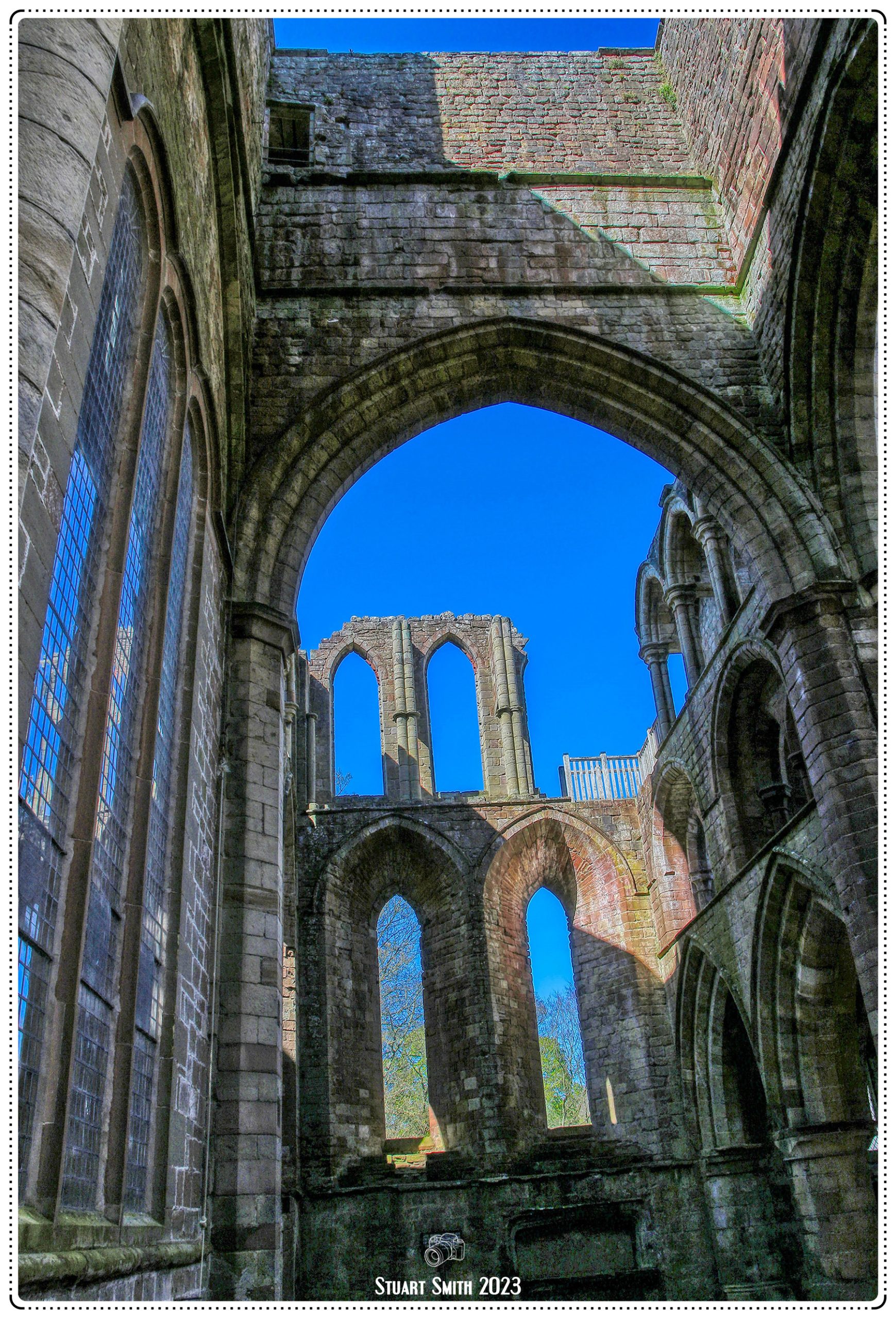
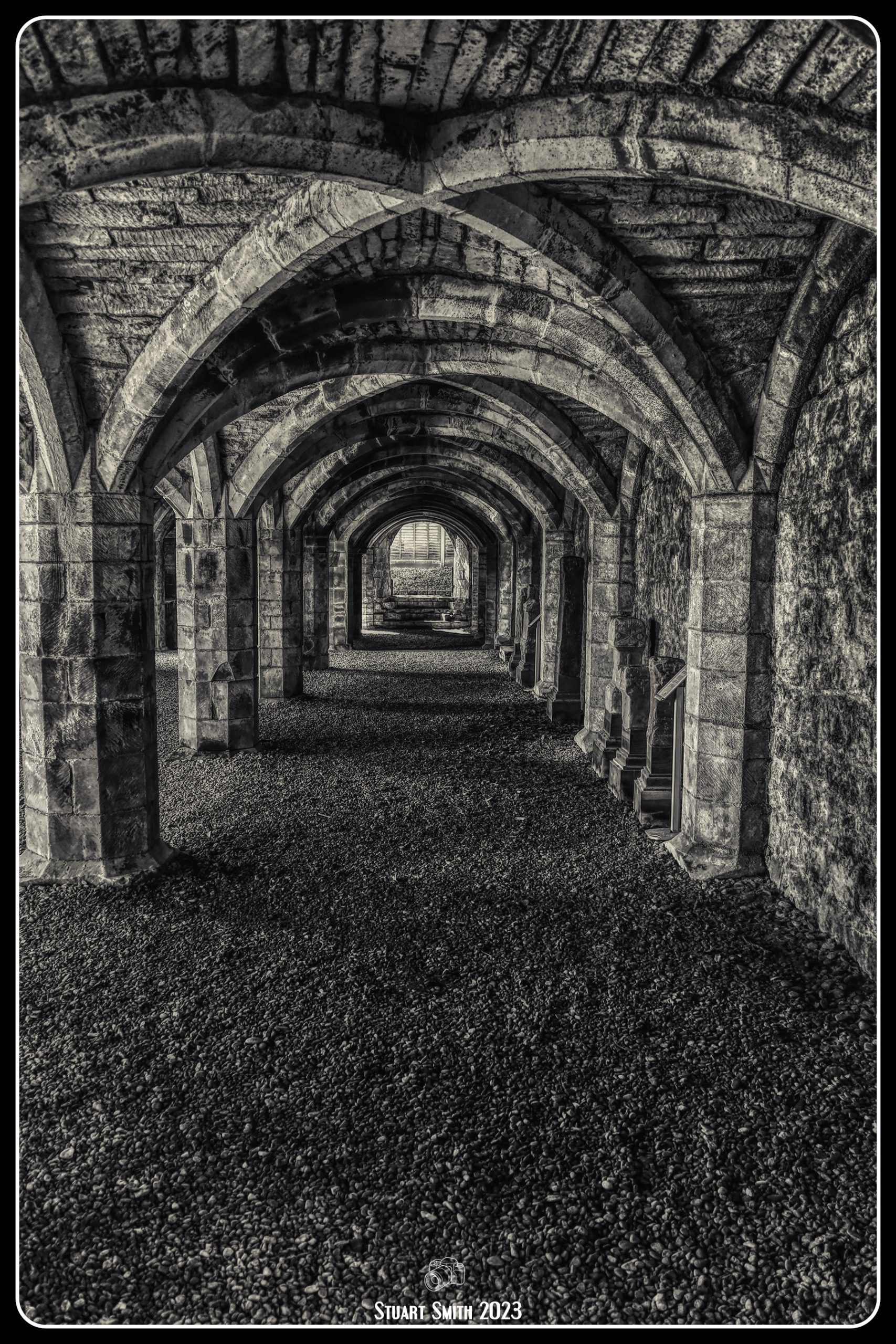
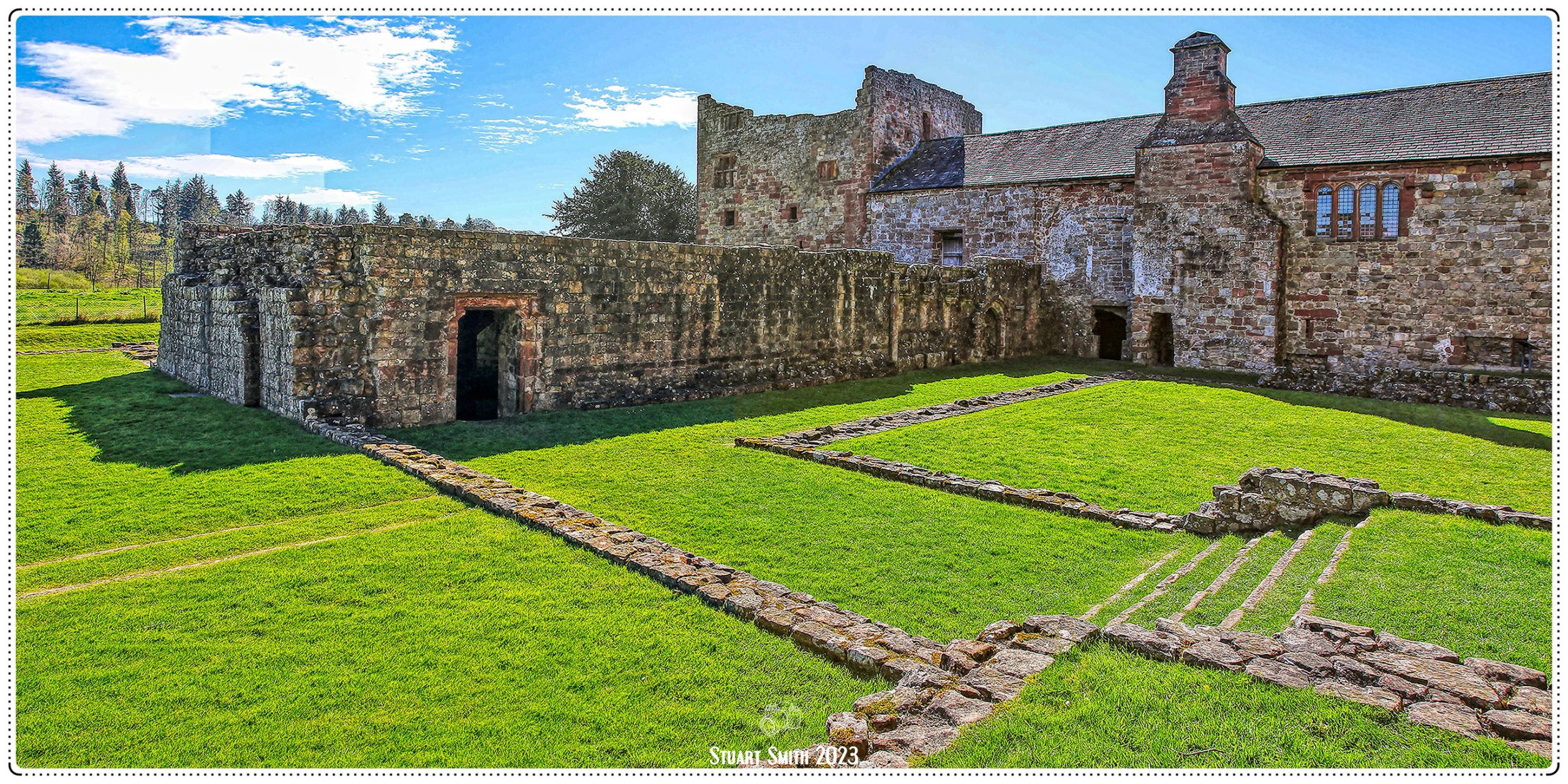
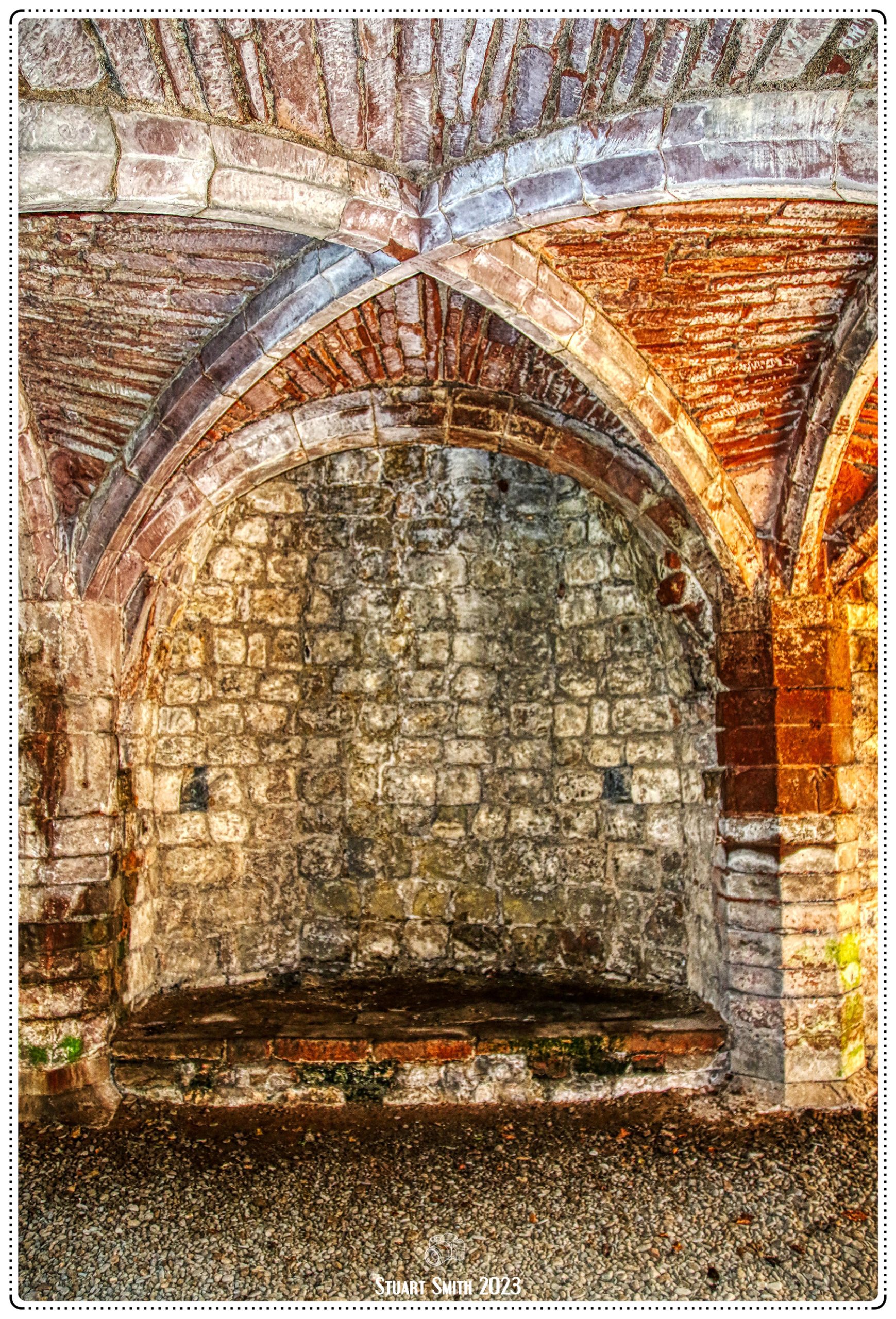
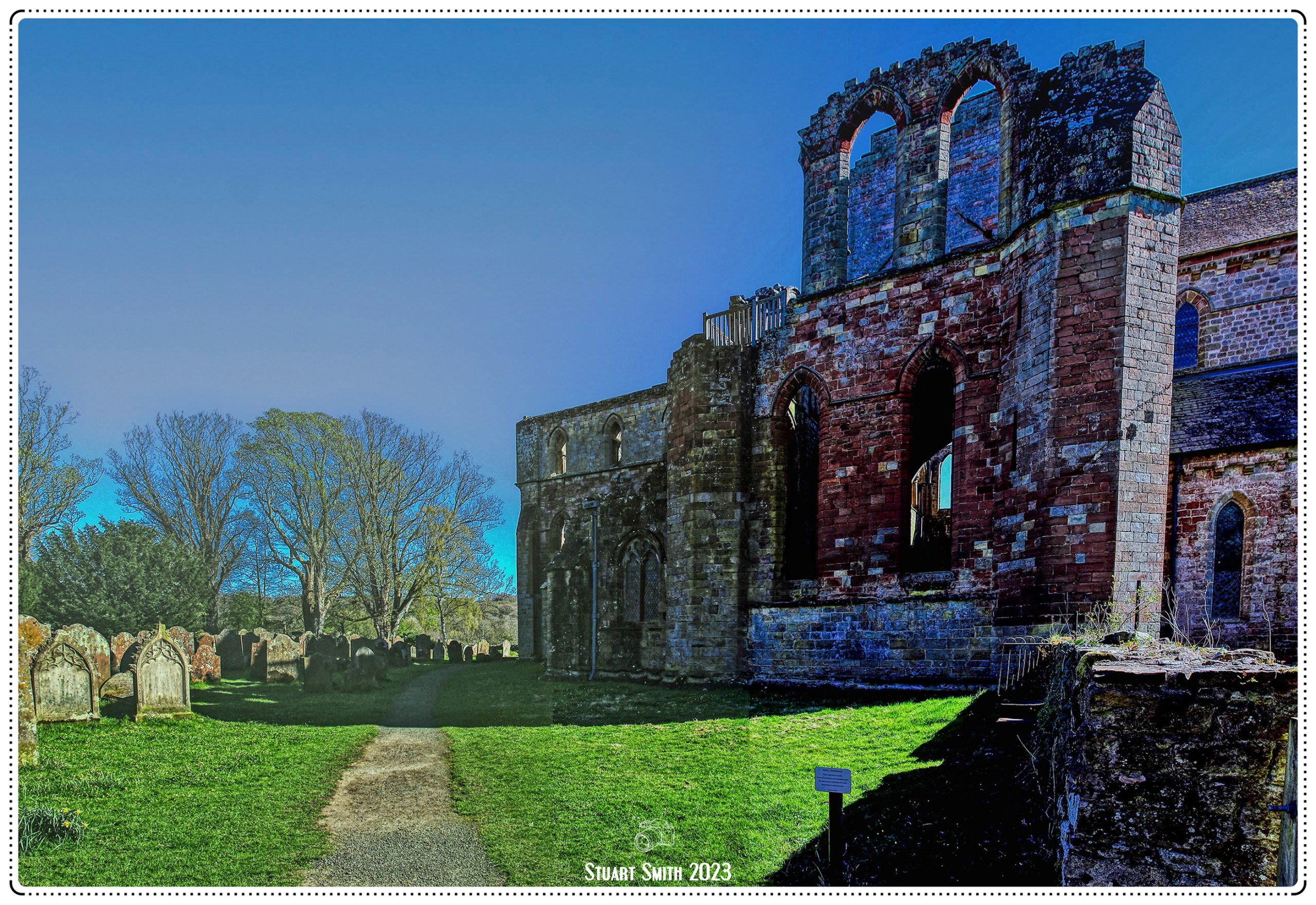
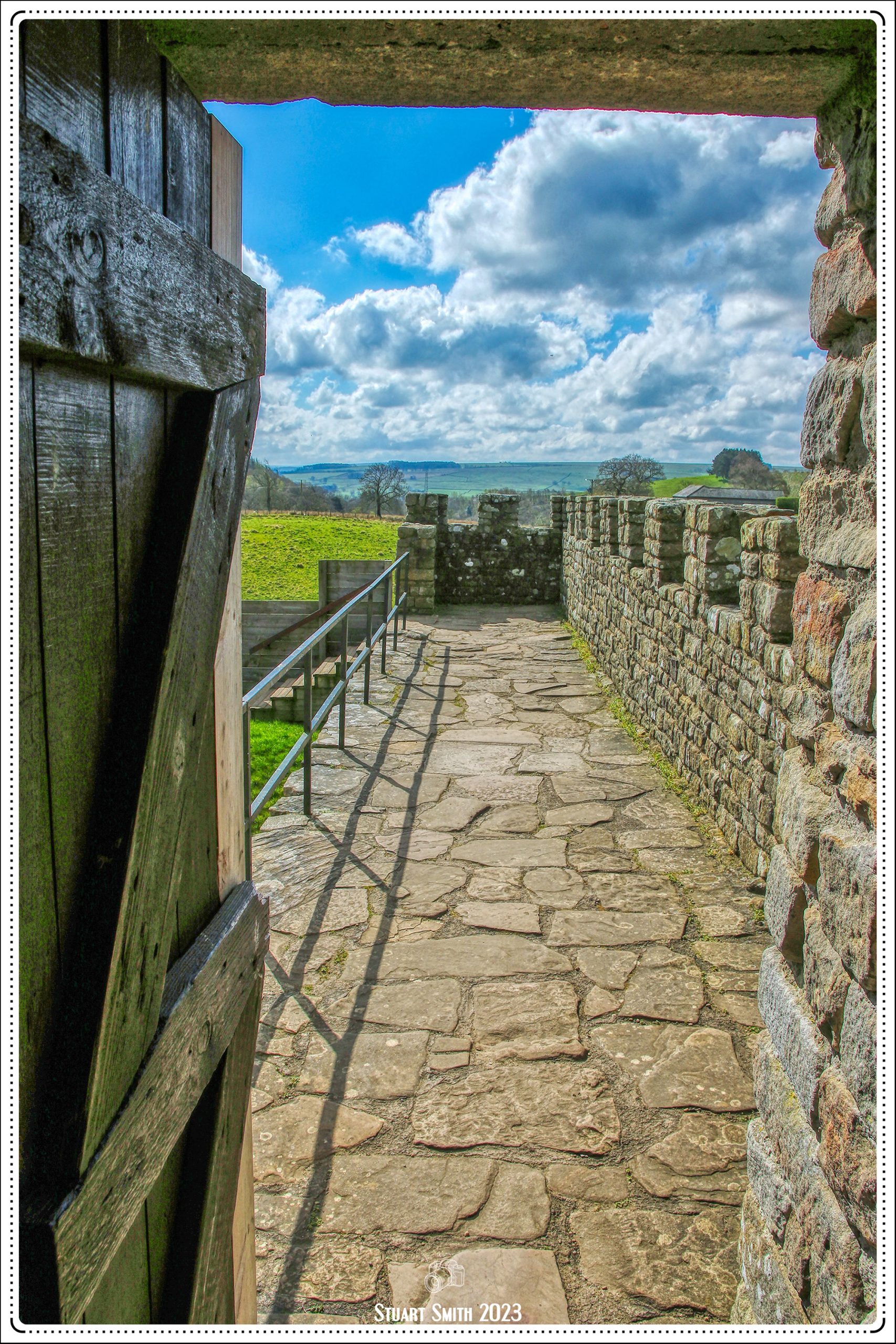
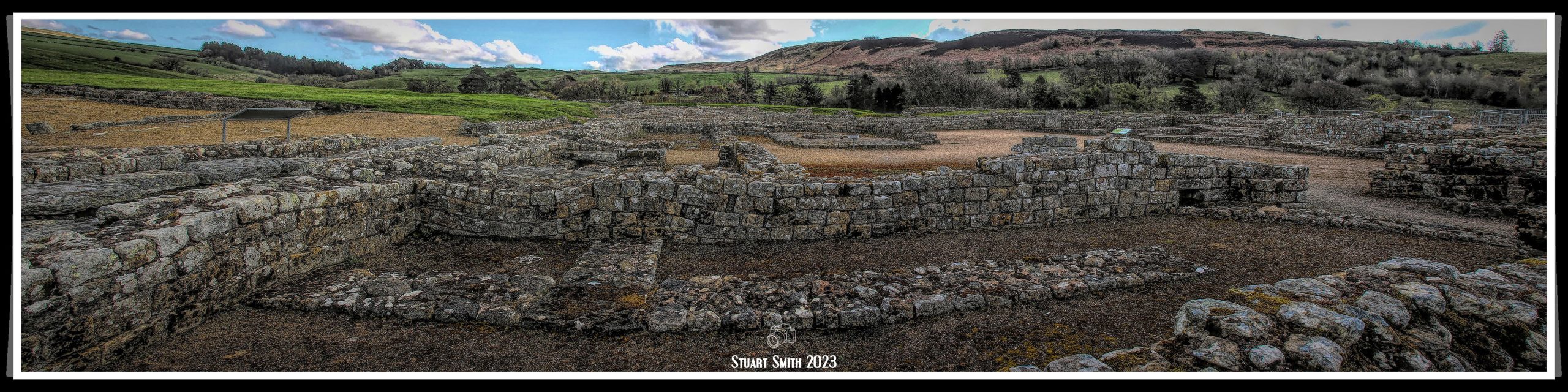
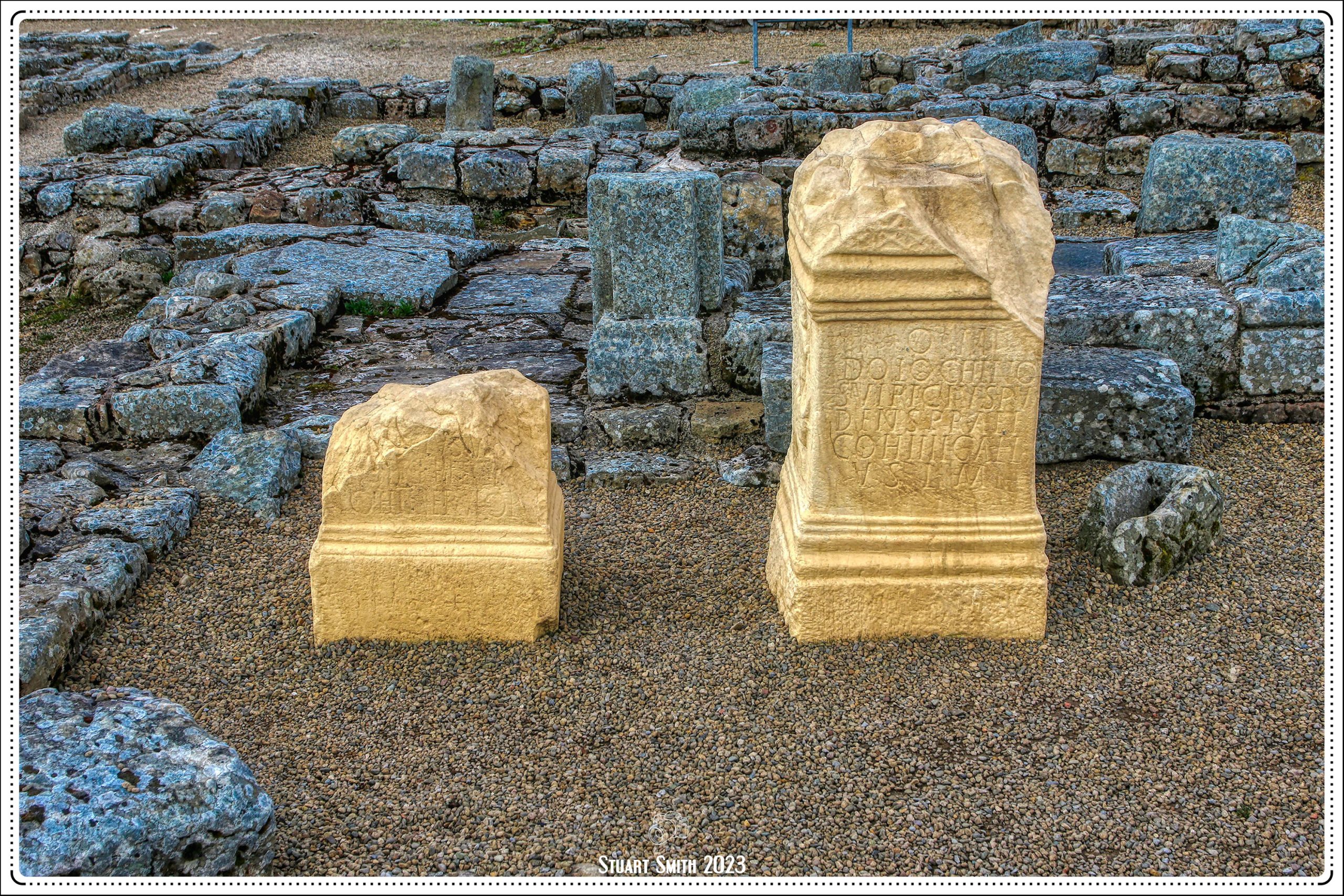
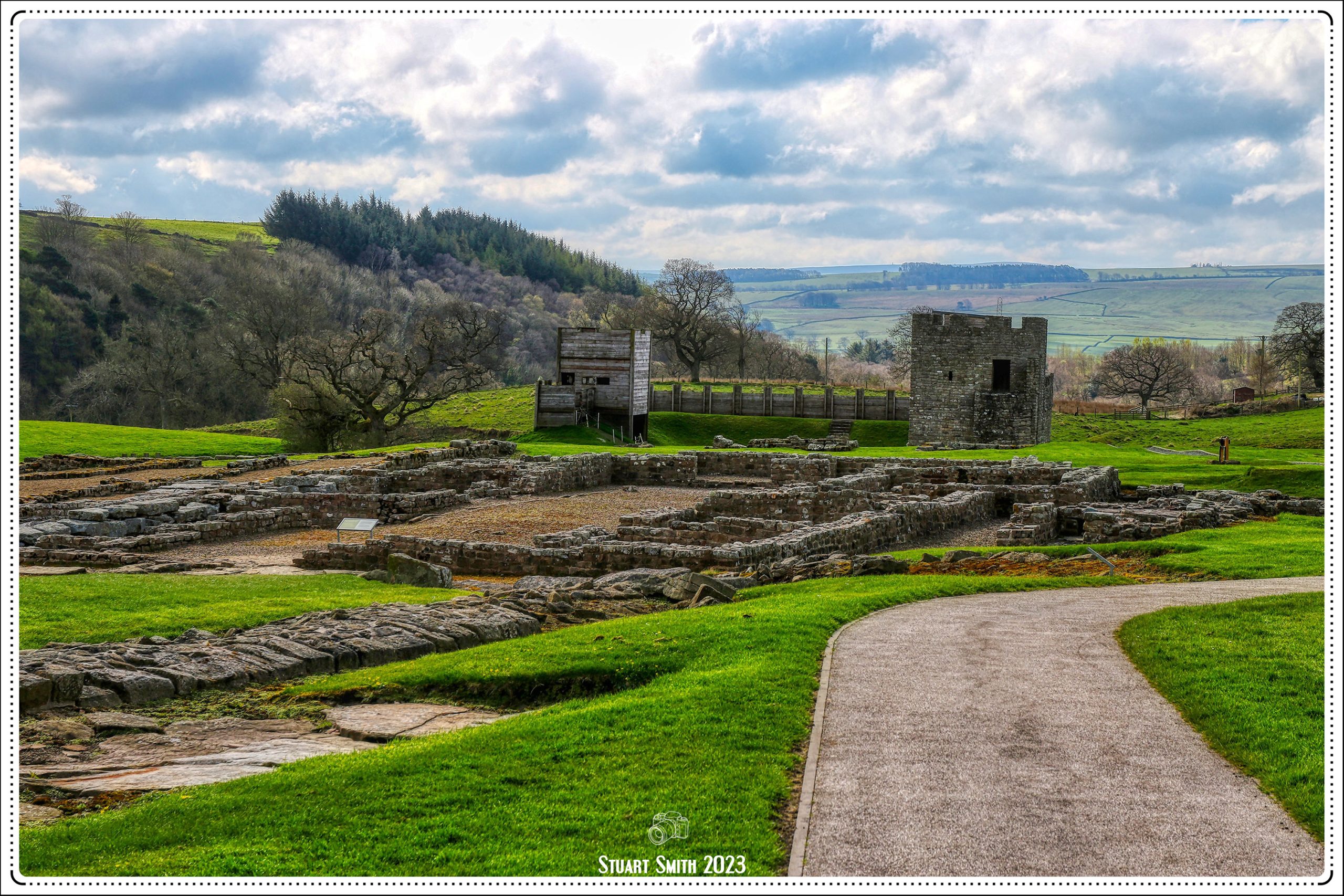
LANERCOST PRIORY RUINS & THE CHURCH OF ST MARY MAGDALENE

We stumbled upon this place after  visiting Vindolanda & Hadrian’s Wall.

Old priory that played host to both King Edward I and Robert Bruce during in its tumultuous history.

An excellent detailing of the history of the priory can be found at this site:-

English Heritage.

Google Maps View of LocationThe Ruin of the Gateway Entrance to the site.

Church of St Mary Magdalene, Lanercost, Brampton, Cumbria, England UK

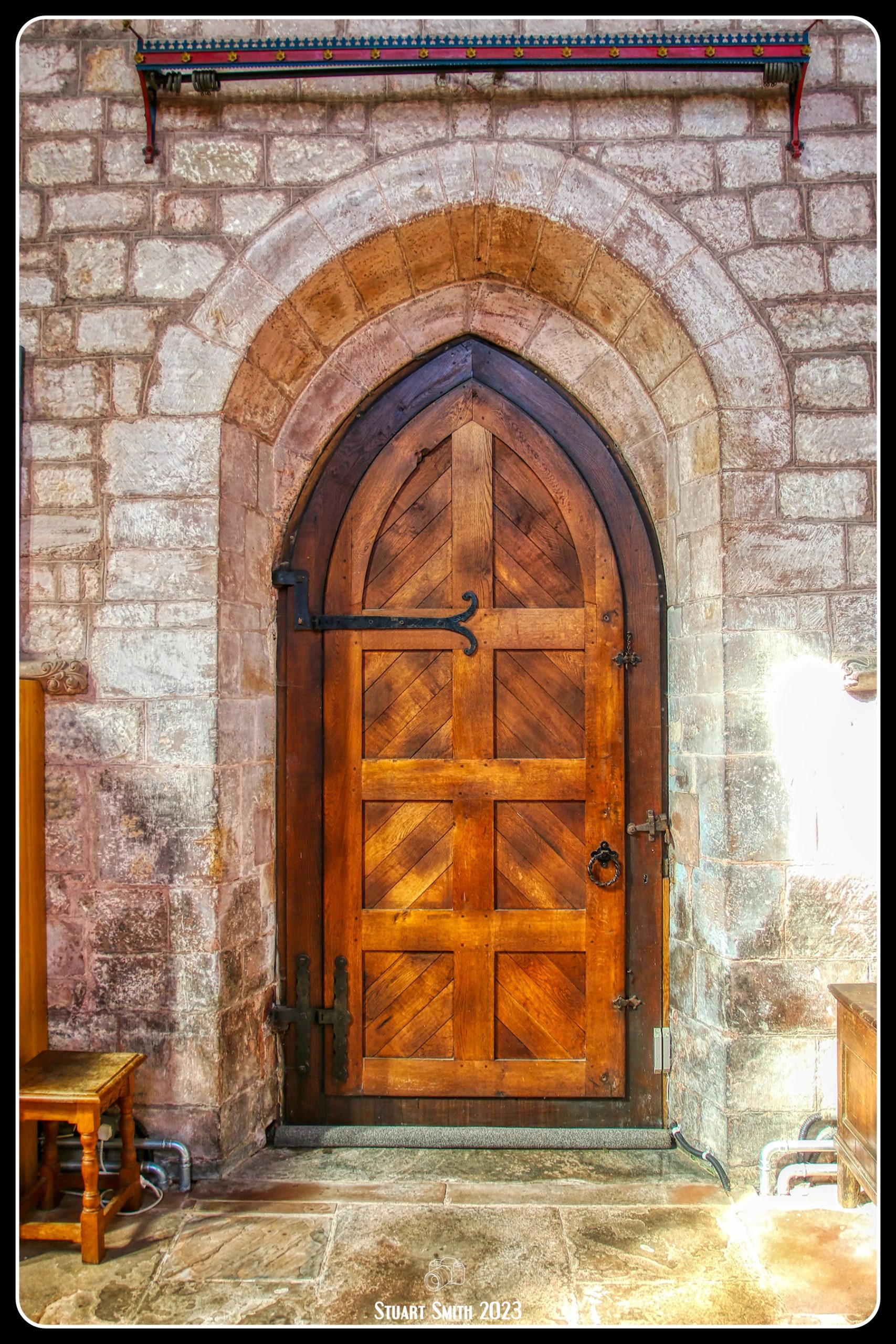
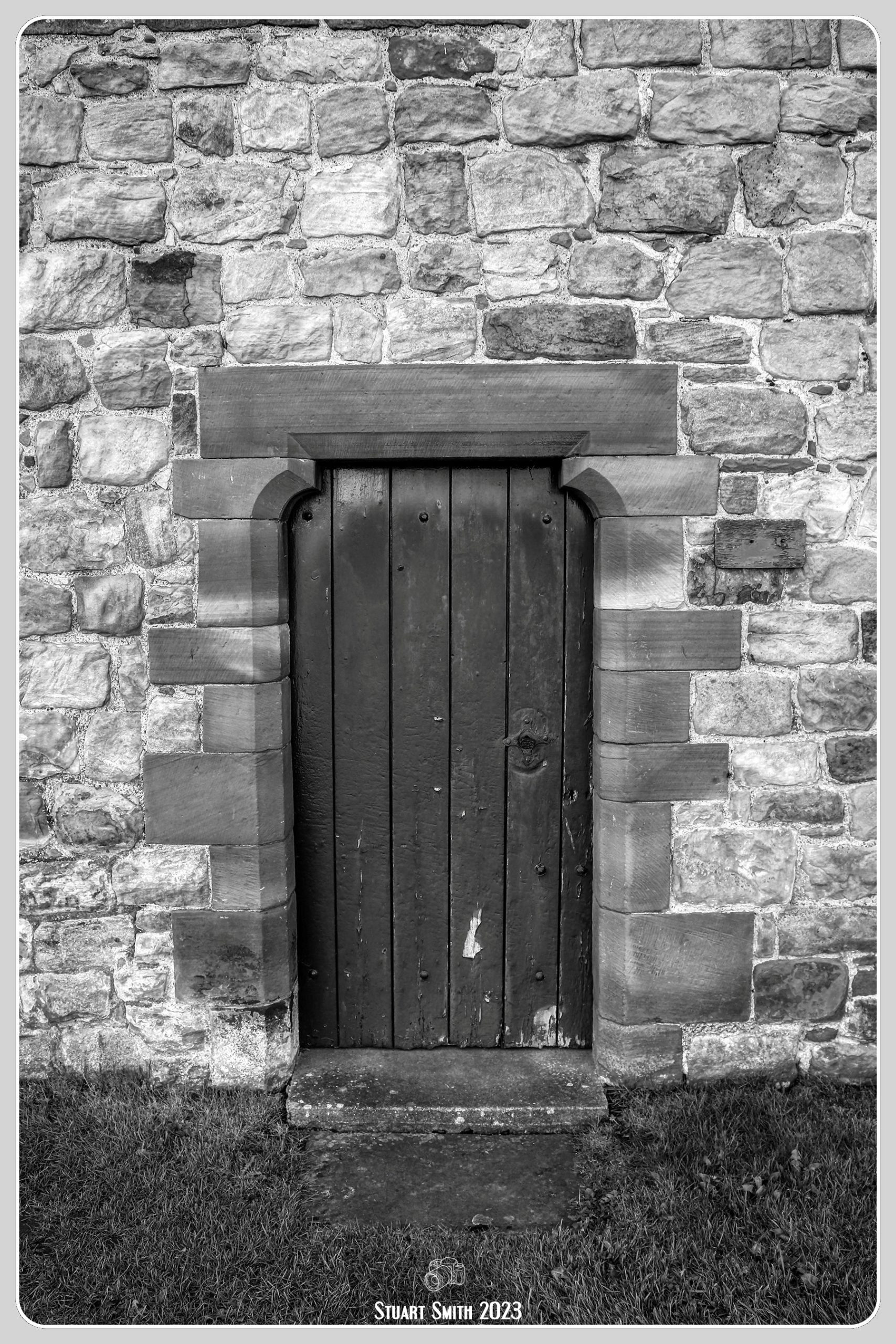
Side Door of Church of St Mary Magdalene, Lanercost, Brampton, Cumbria, England UK

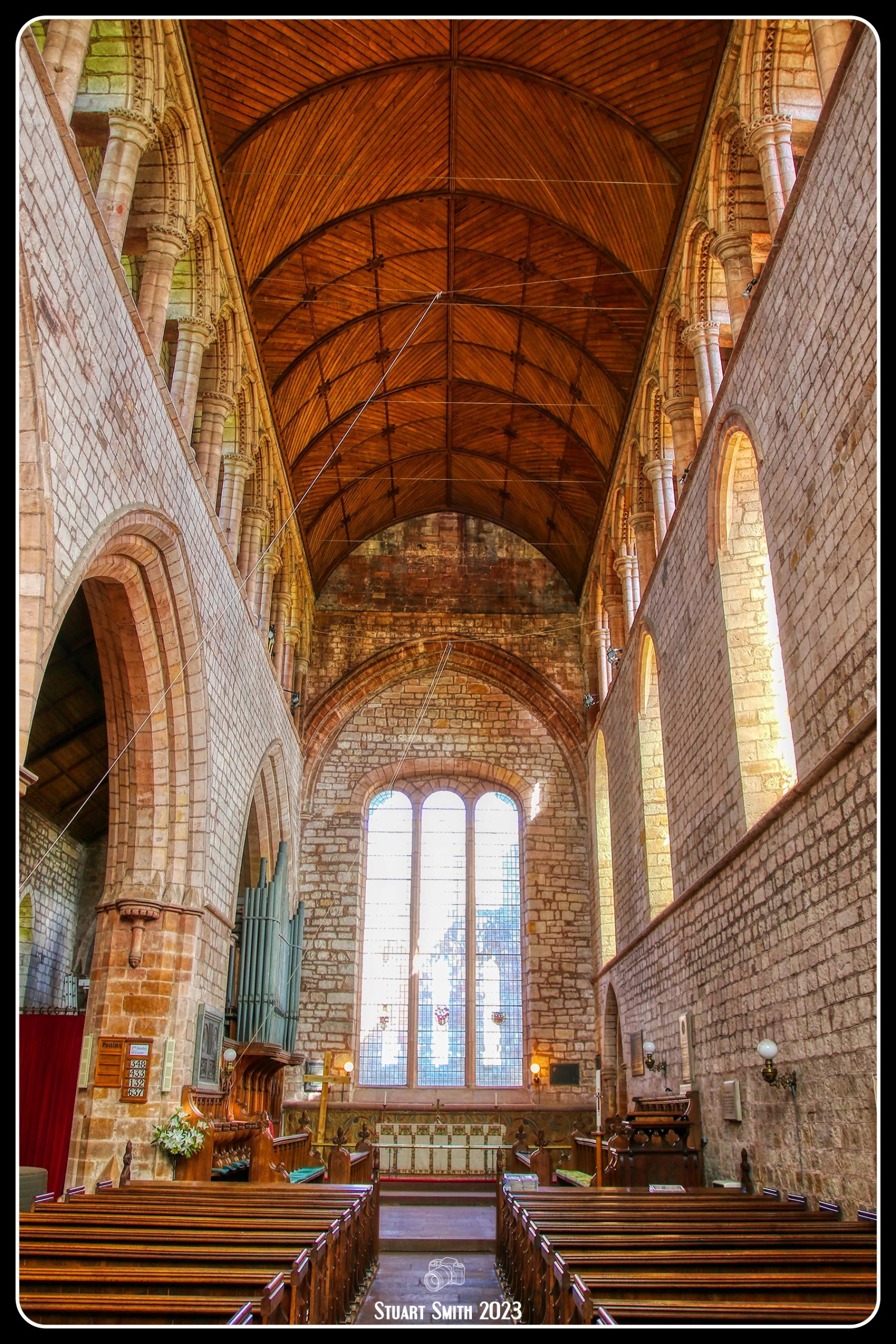
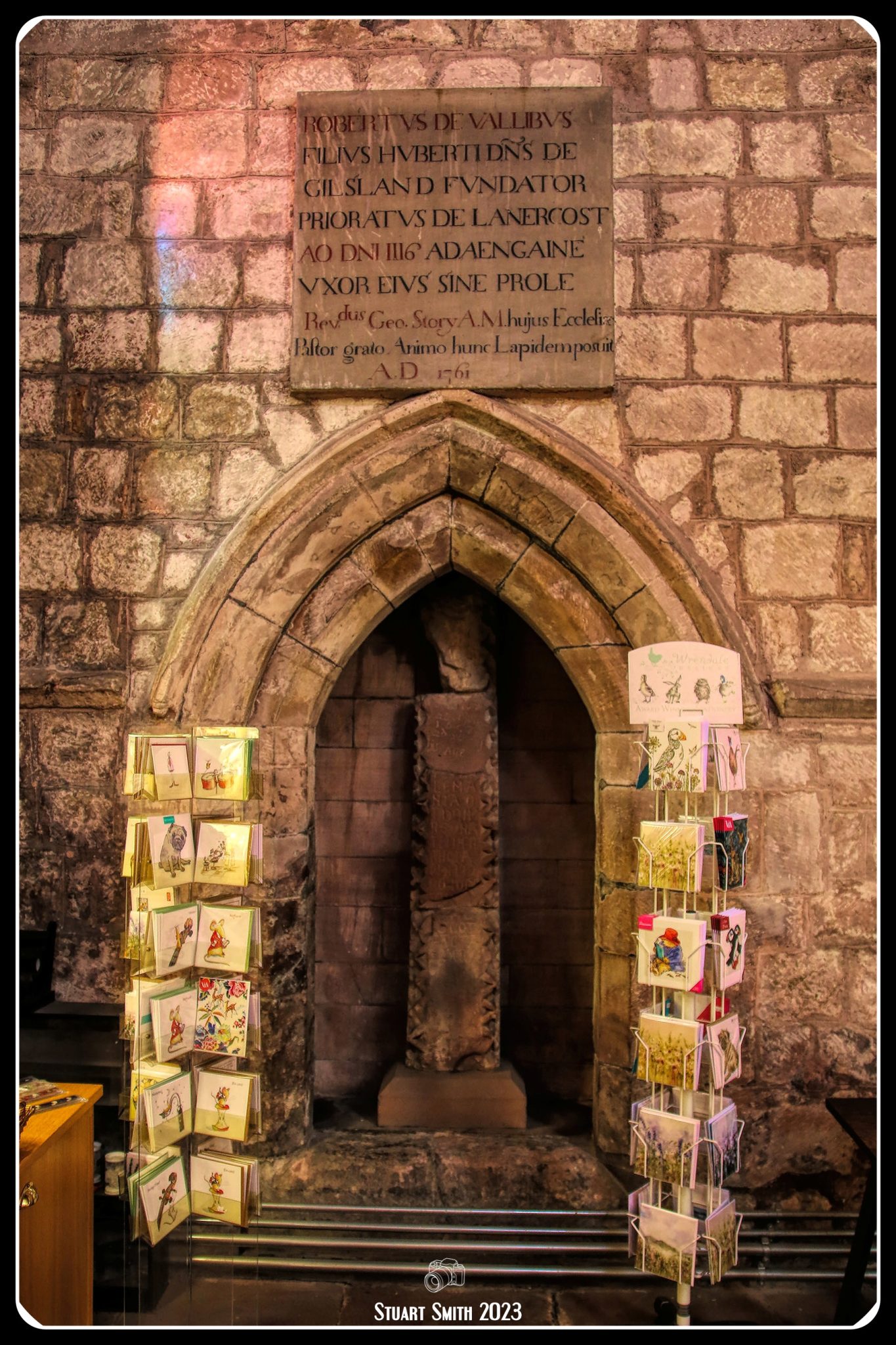
Interior, Church of St Mary Magdalene, Lanercost, Brampton, Cumbria, England UKMemorial Plaques

Image 1Image 2

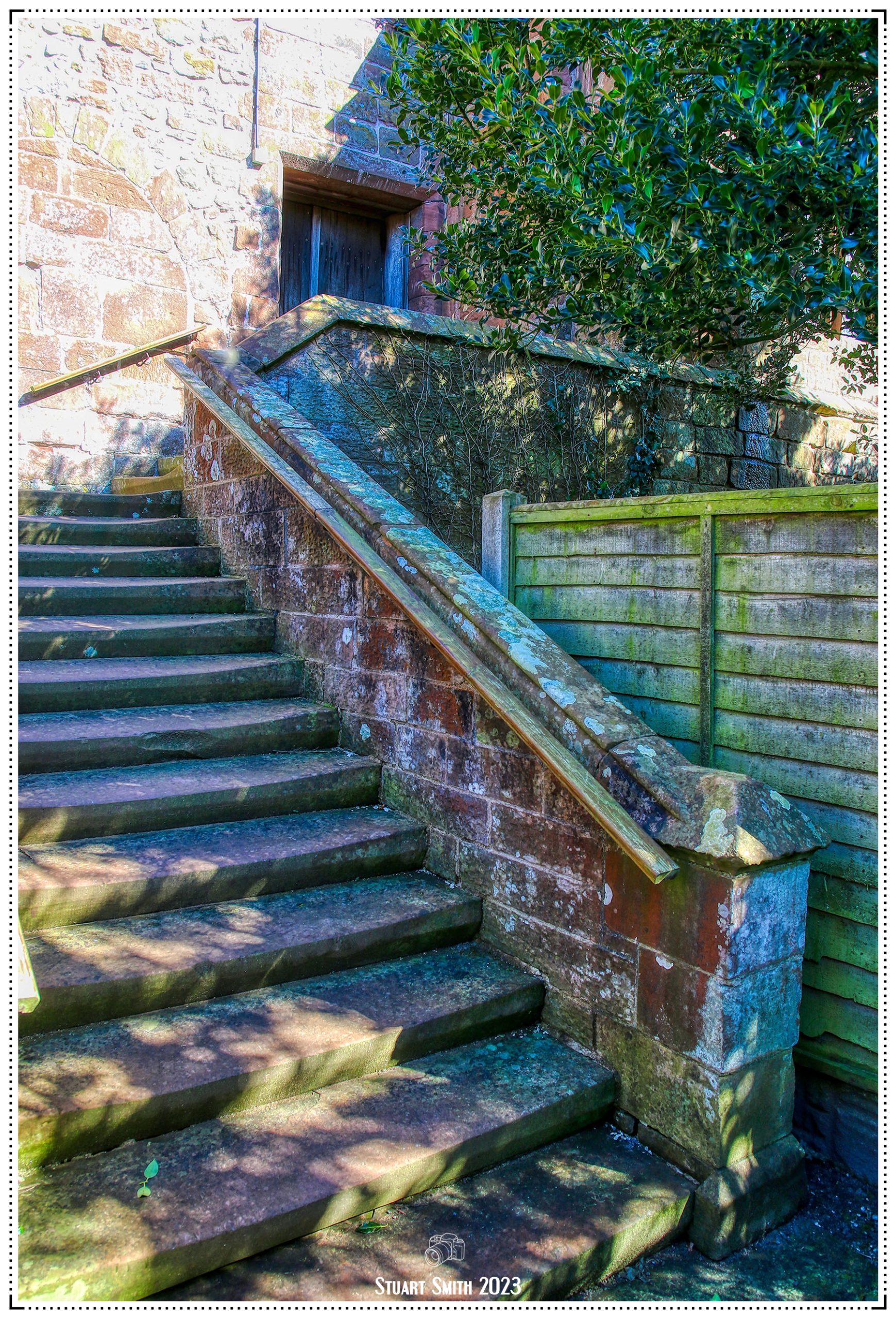
Internal Doorway, Church of St Mary Magdalene, Lanercost, Brampton, Cumbria, England UK

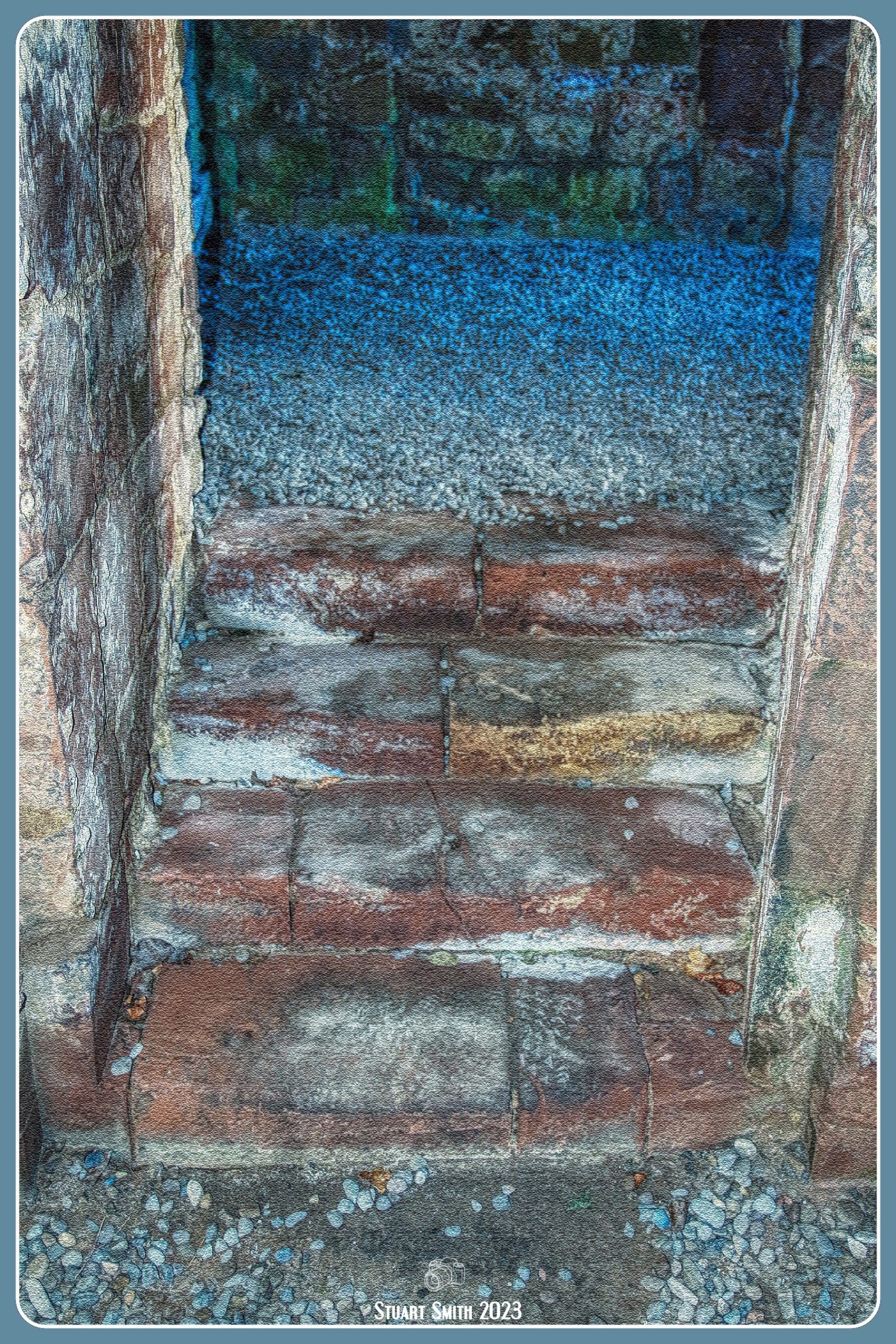
Access Door to Lanercost Priory Ruins, Lanercost, Brampton, Cumbria, England UK

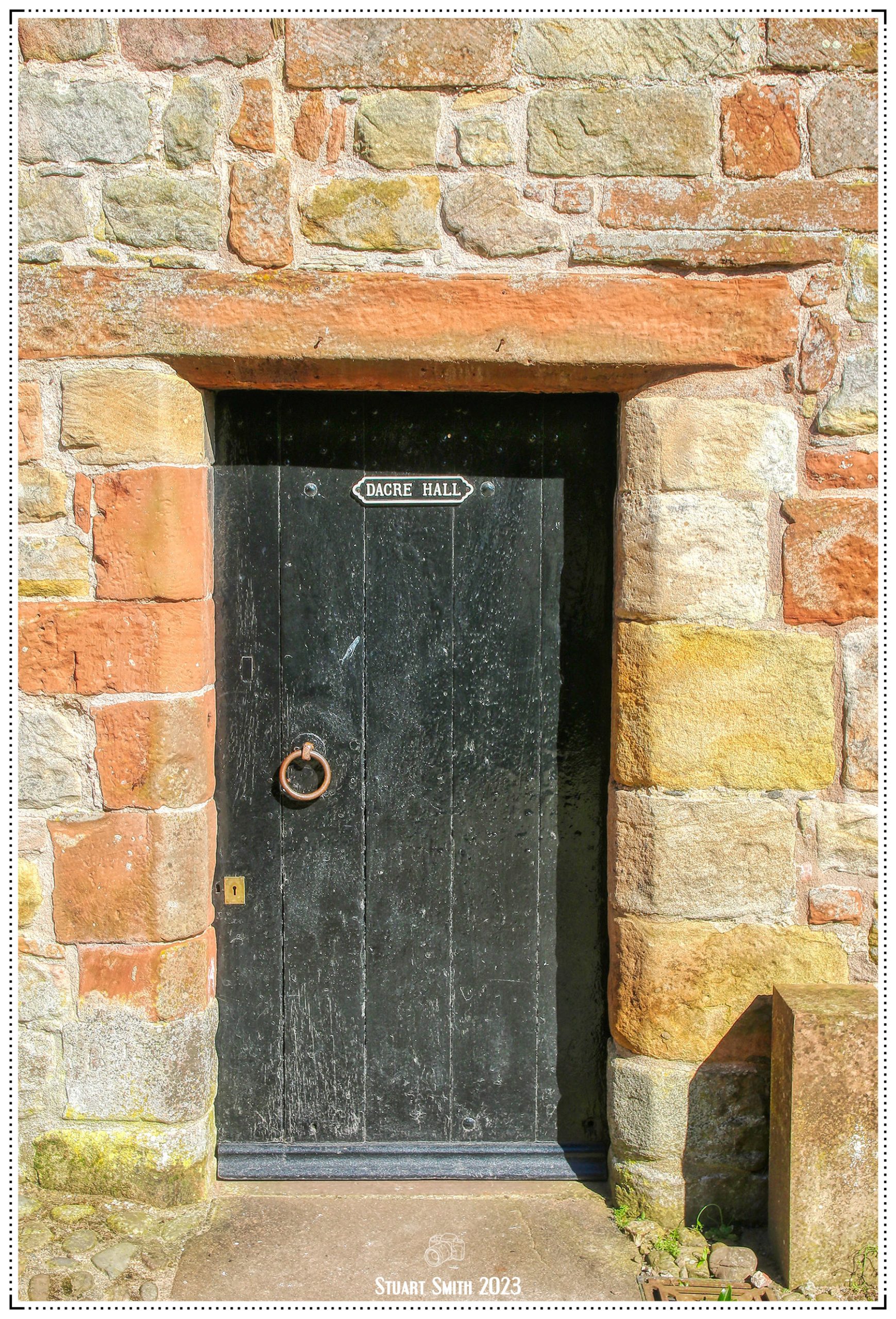
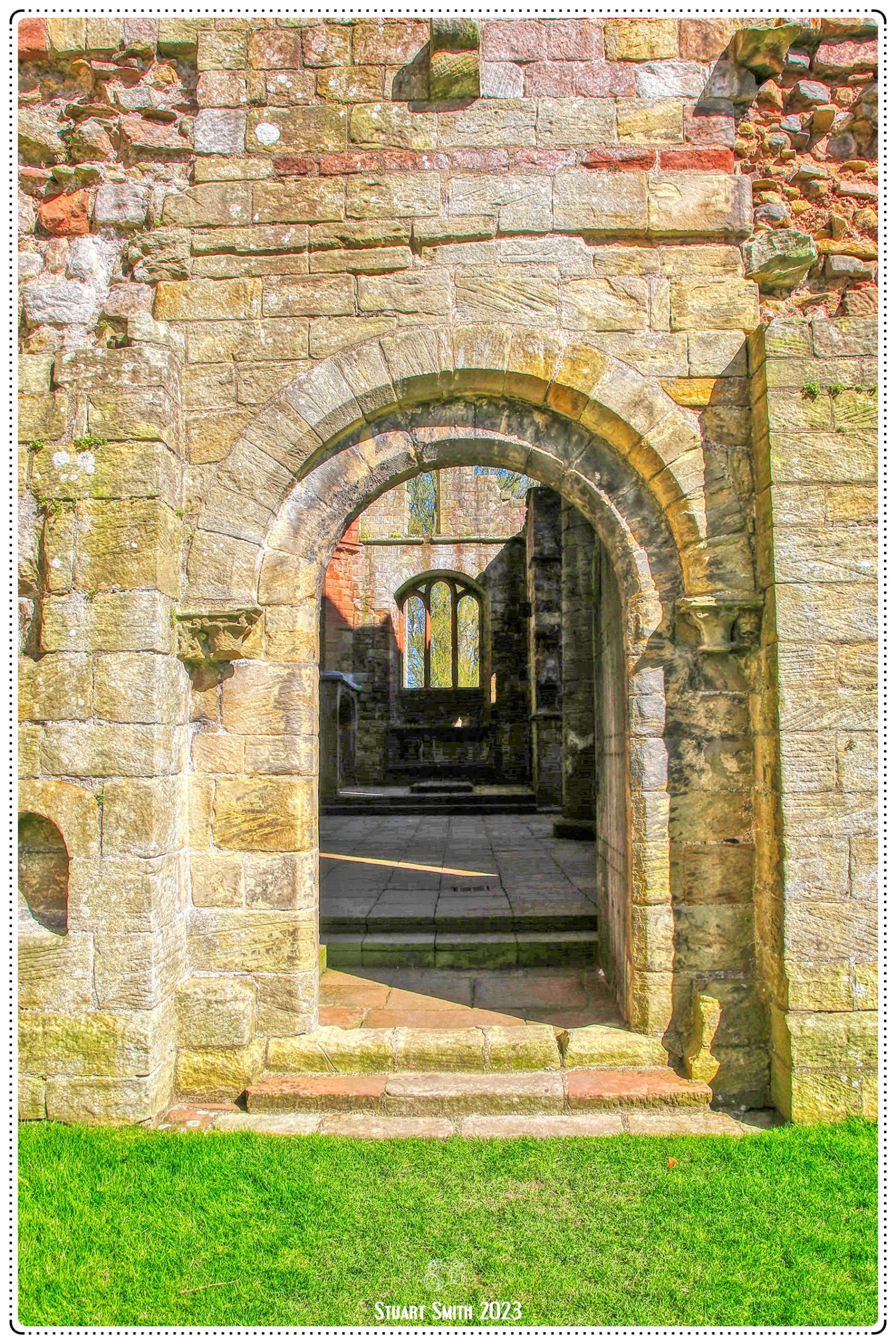
Doorway to Dacre Hall, Lanercost Priory Ruins, Lanercost, Brampton, Cumbria, England UK

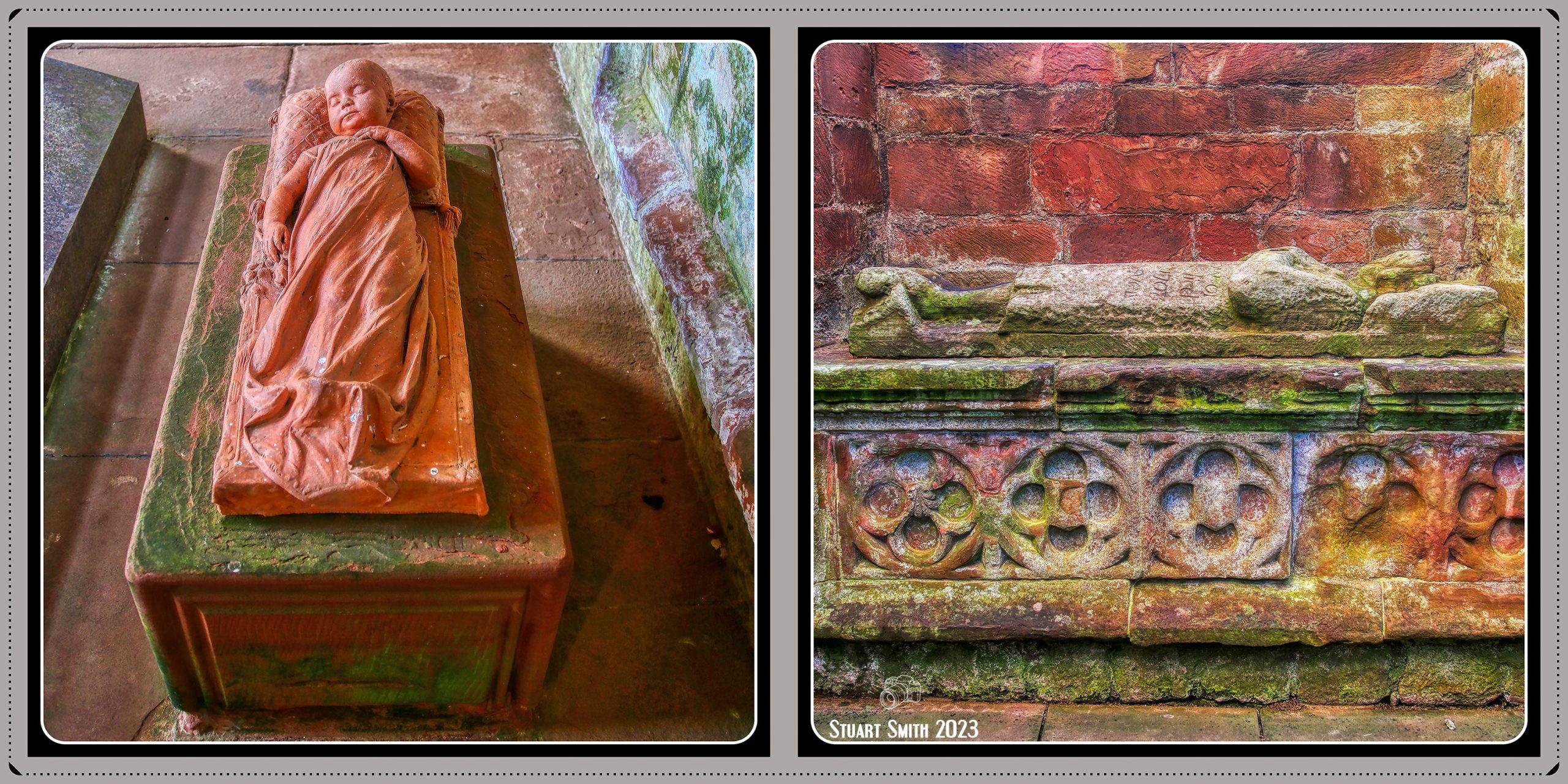
Tombs, Lanercost Priory Ruins, Lanercost, Brampton, Cumbria, England UK

Image 1 Image 2

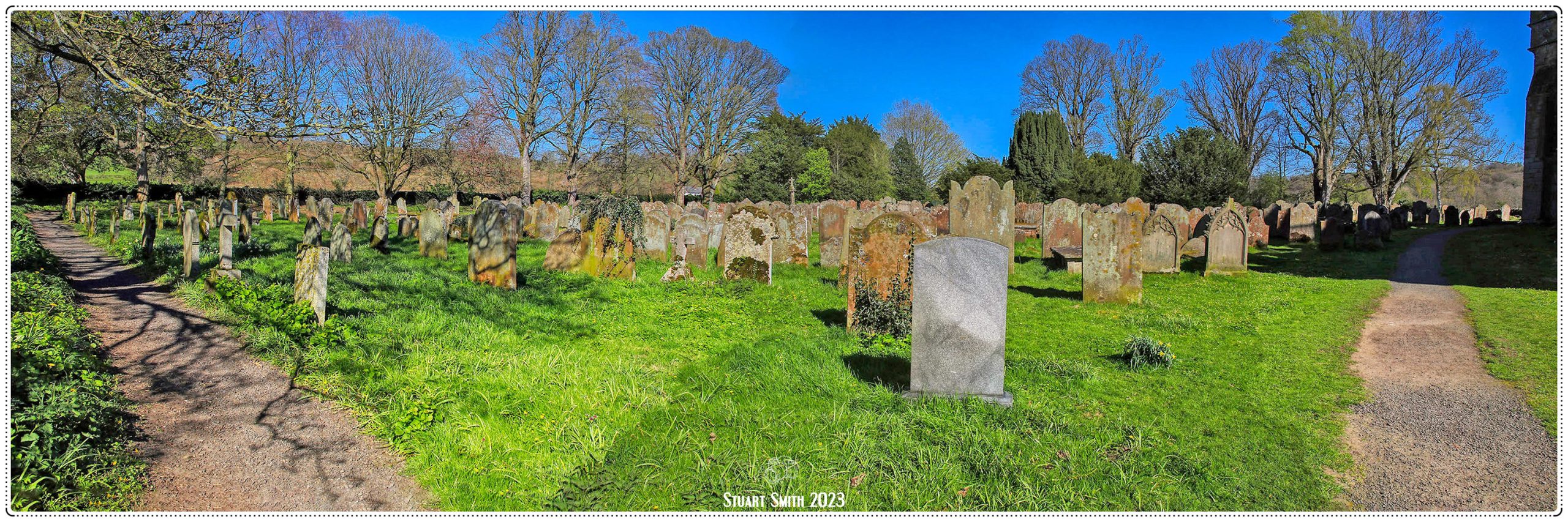
Cemetery, Lanercost Priory Ruins, Lanercost, Brampton, Cumbria, England UK

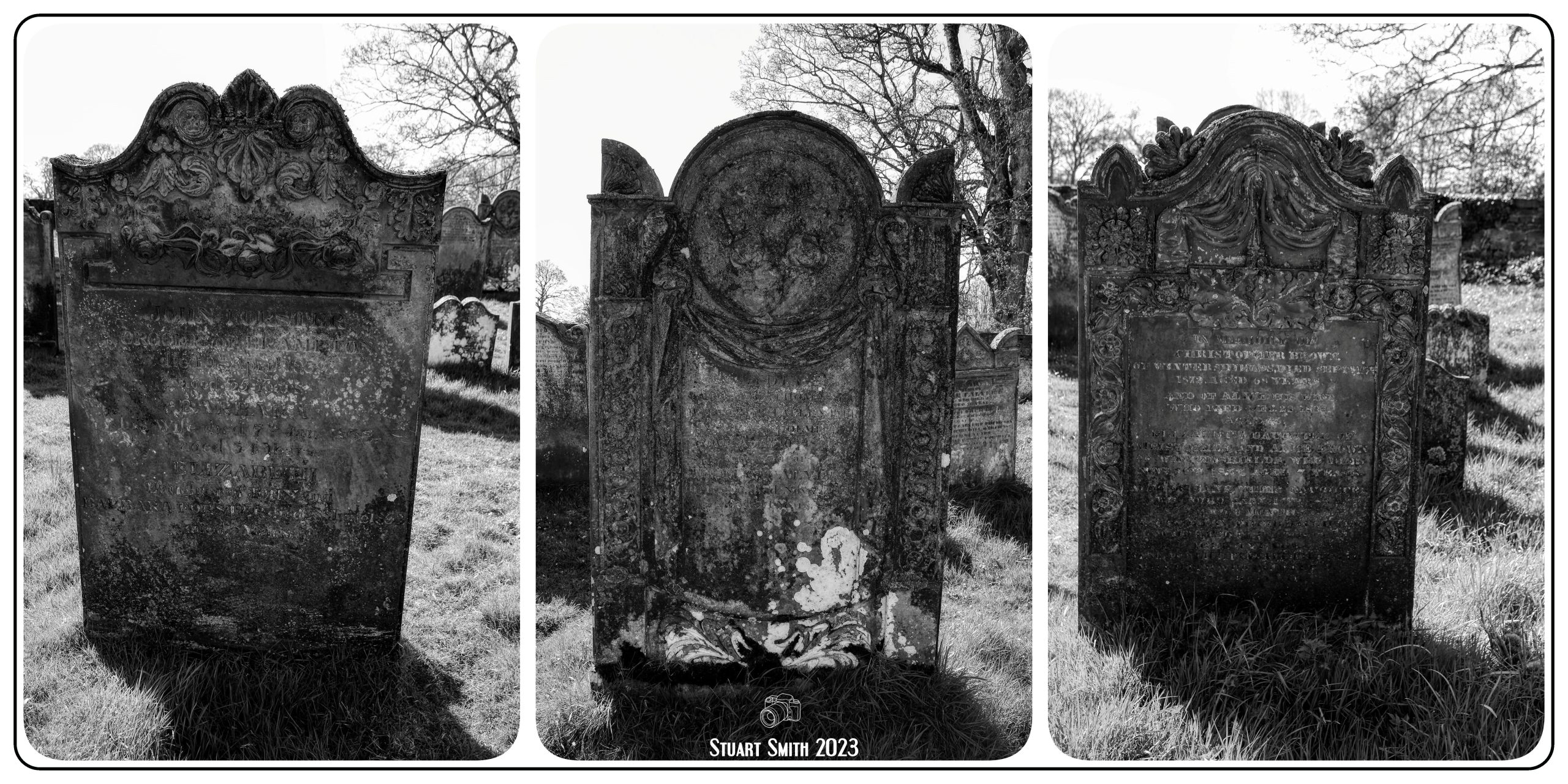
Grave Stones, Lanercost Priory Cemetery, Lanercost, Brampton, Cumbria, England UK

Image 1Image 2Image 3

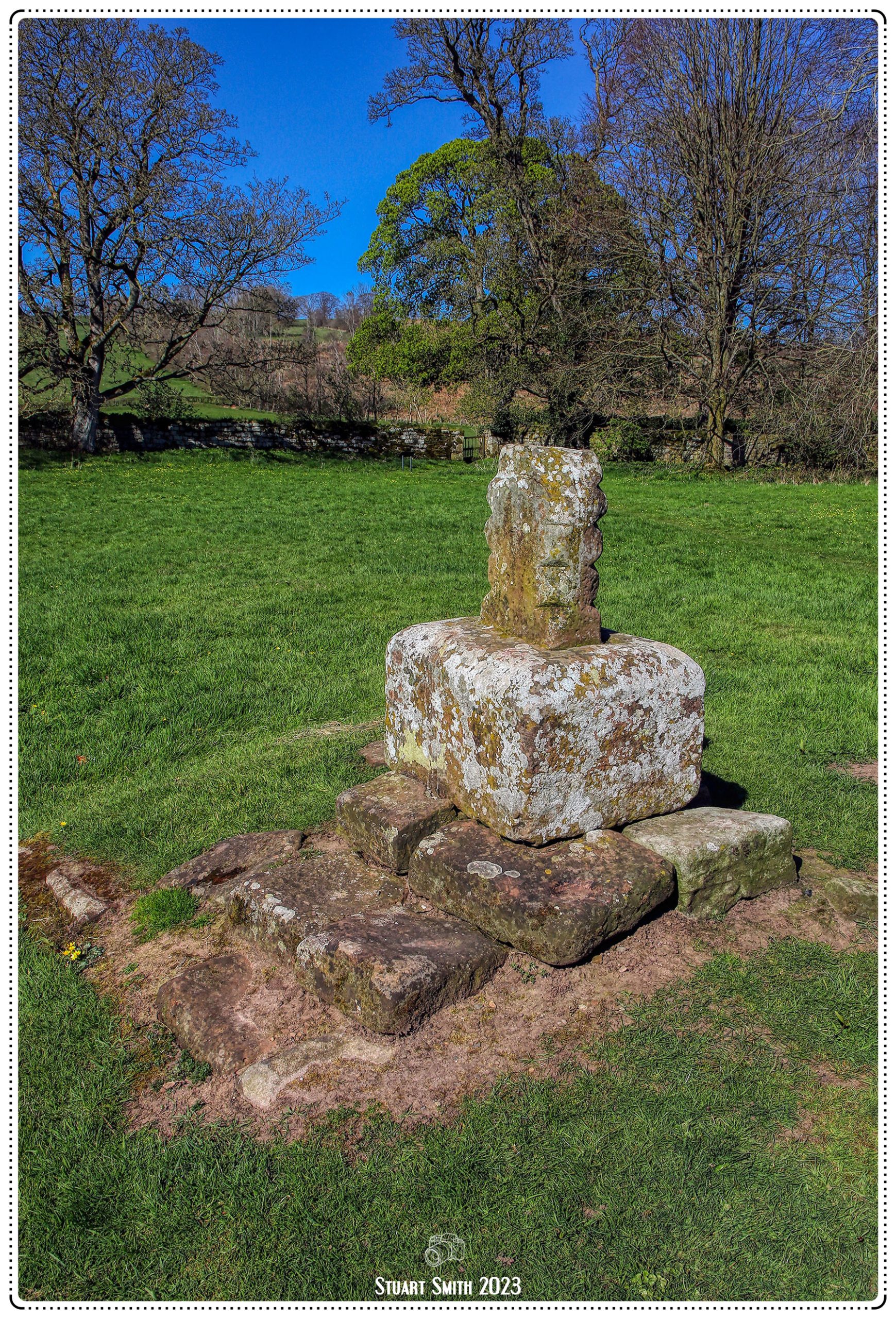
Lanercost Priory Ruins, Lanercost, Brampton, Cumbria, England UK

ROMAN HISTORY II

Continuing the time at Haydon Bridge to explore Roman History.

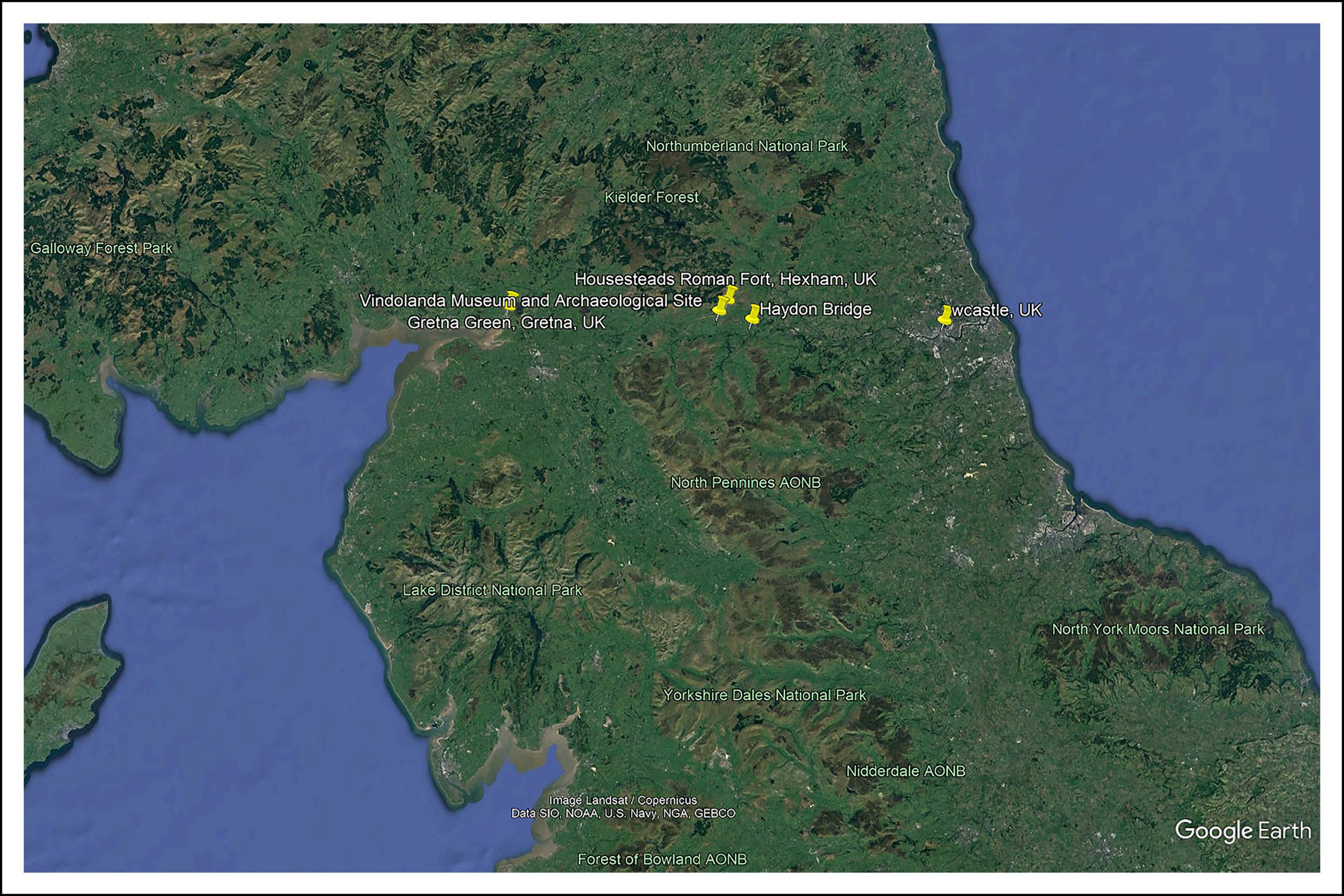
GOOGLE EARTH VIEWImage 1     –     Image 2

    Image 1     –     Image 2     –     Image 3     –     Image 4

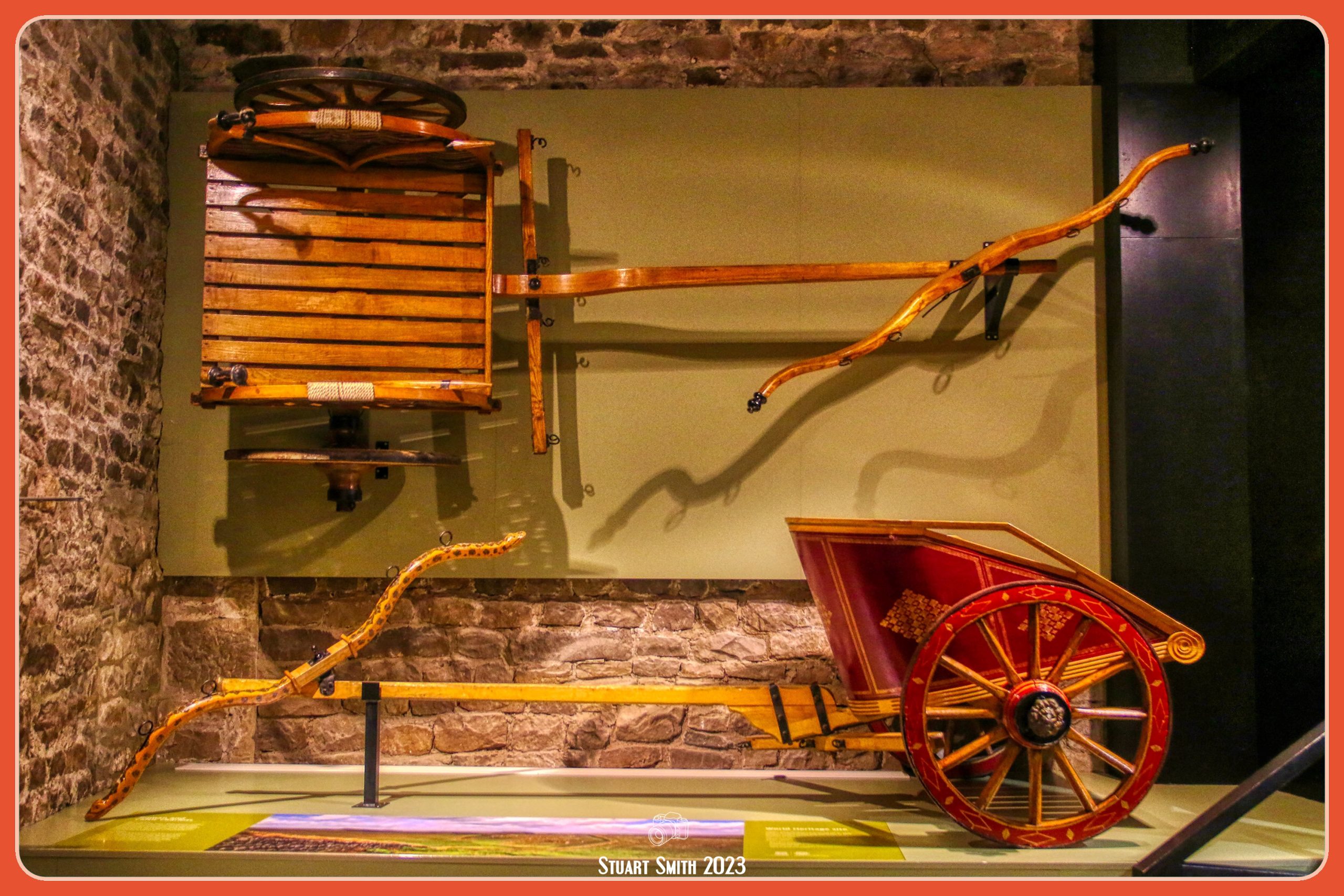
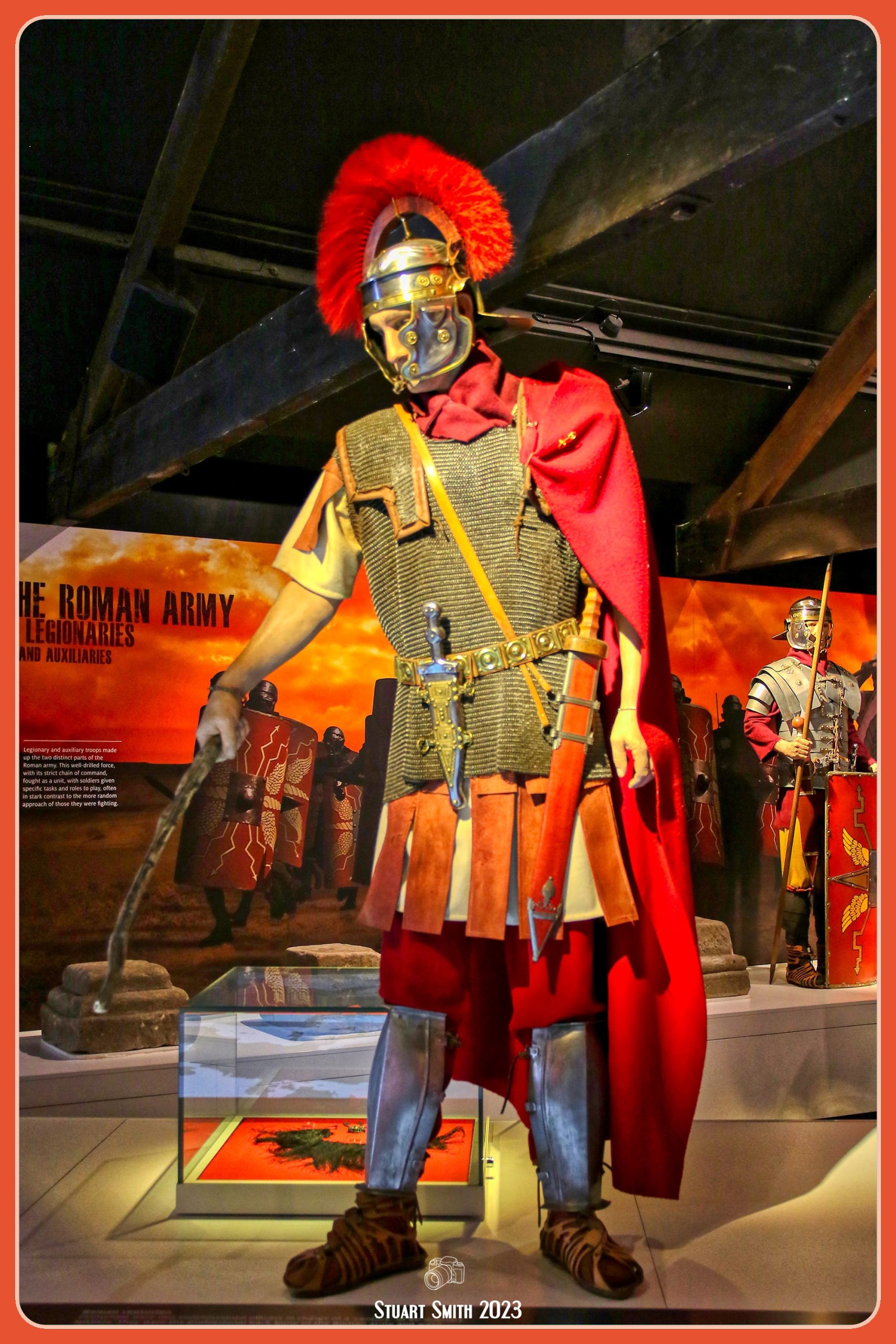
Exhibits, Vindolanda Museum, Bardon Mill, Hexham, Northumberland, England UK

Sculpture Exhibit, Vindolanda Museum, Bardon Mill, Hexham, Northumberland, England UK

Vindolanda Museum Gardens, Bardon Mill, Hexham, Northumberland, England UK

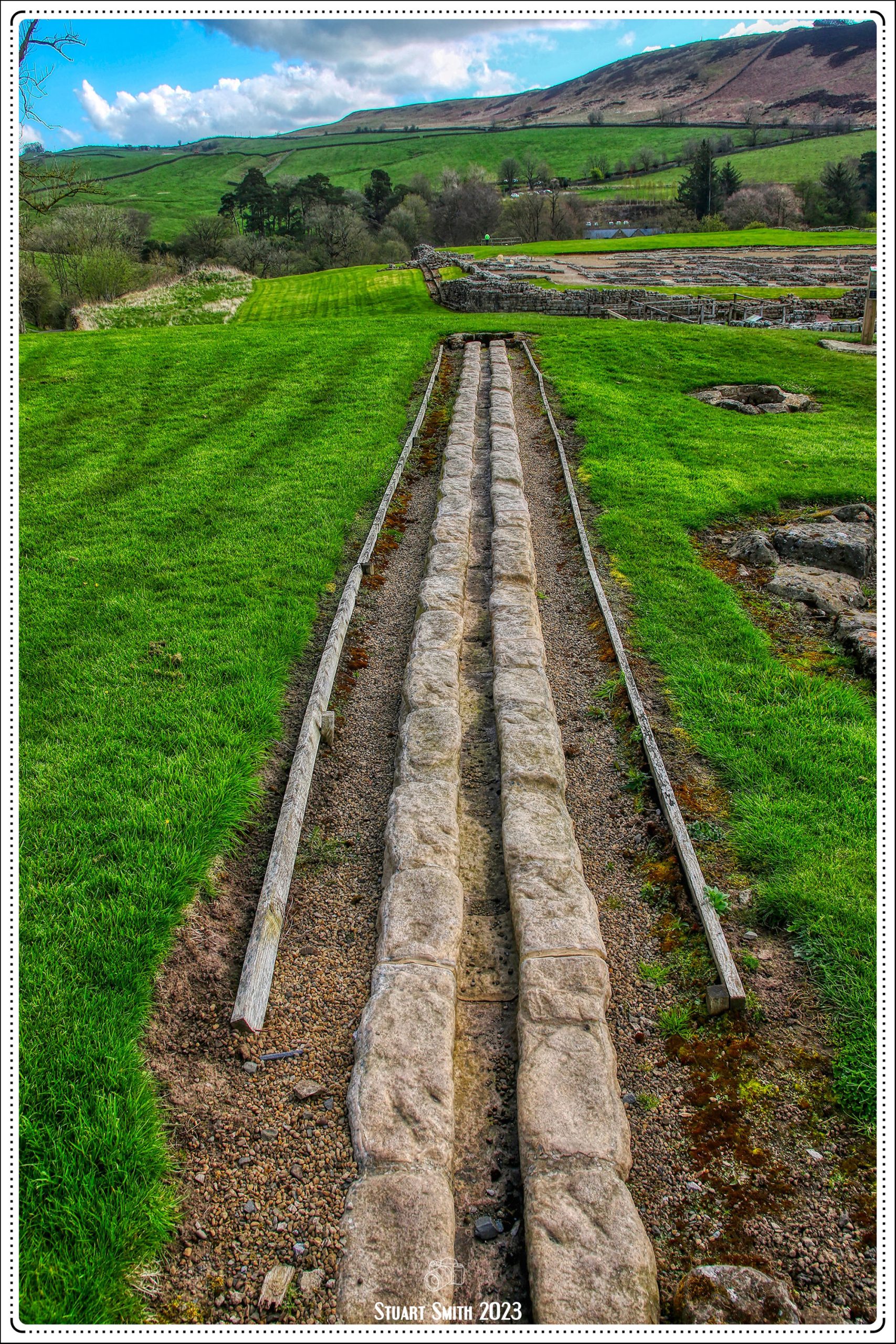
Chainley Burn, Vindolanda Museum Gardens, Bardon Mill, Hexham, Northumberland, England UK

Chainley Burn, Vindolanda Museum Gardens, Bardon Mill, Hexham, Northumberland, England UK

Stone Post, Roman Army Museum, Pennine Way, Greenhead, Brampton, Northumberland, England UK

Majestic Tree, Roman Army Museum, Pennine Way, Greenhead, Brampton, Northumberland, England UK

Section of Hadrian’s Wall, Upper Denton, Brampton, Northumberland, England UK

This section is adjacent to the Birdoswald Roman Fort ruins.

     Image 1     –     Image 2

Ruins of Birdoswald Roman Fort, Upper Denton, Brampton, Northumberland, England UK

Hadrian’s Wall Banks East Turret, Pike Hill, Banks, Brampton, Cumbria, England UK

ROMAN HISTORY

One of the reasons to stay in Haydon Bridge was its proximity to ancient Roman archaeological sites and to Hadrian’s Wall.

GOOGLE EARTH VIEW

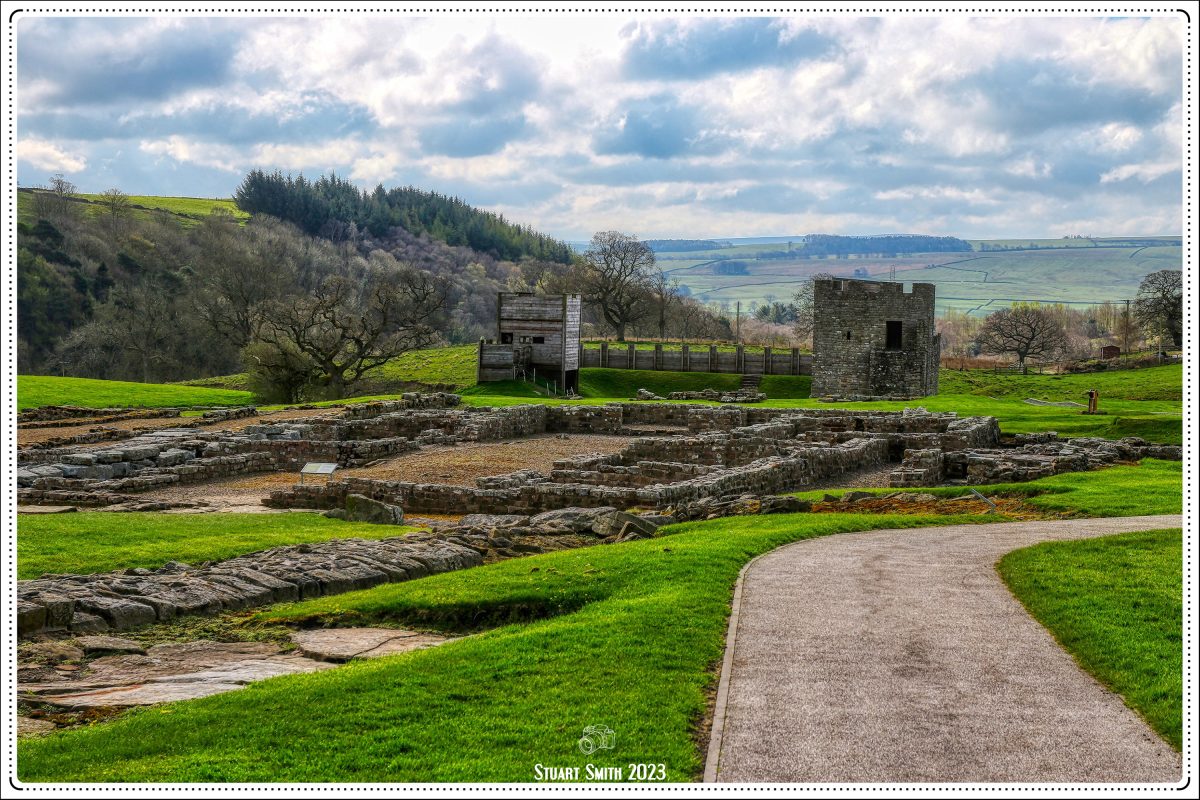
Housesteads Roman Fort, Military Road, Haydon Bridge, Hexham, Northumberland, England UK

Housesteads Roman Fort was an auxiliary fort on Hadrian’s Wall,at Housesteads, Northumberland, England. It is dramatically positioned on the end of the mile-long crag of the Whin Sill over which the Wall runs, overlooking sparsely populated hills. It was called the “grandest station” on the Wall and is one of the best-preserved and extensively displayed forts. It was occupied for almost 300 years.

The name of the fort has been given as Vercovicium, Borcovicus, Borcovicium, and Velurtion. An inscription found at Housesteads with the letters VER, is believed to be short for Ver(covicianorum), the letters ver being interchangeable with bor in later Latin.

The 18th-century farmhouse of Housesteads provides the modern name.

A Local Visitor, Military Road, Haydon Bridge, Hexham, Northumberland, England UK

Shaded Seating Area, Vindolanda Museum and Archaeological Site, Hexham, Northumberland, England UK

The seat supports are from the archaeological excavations.

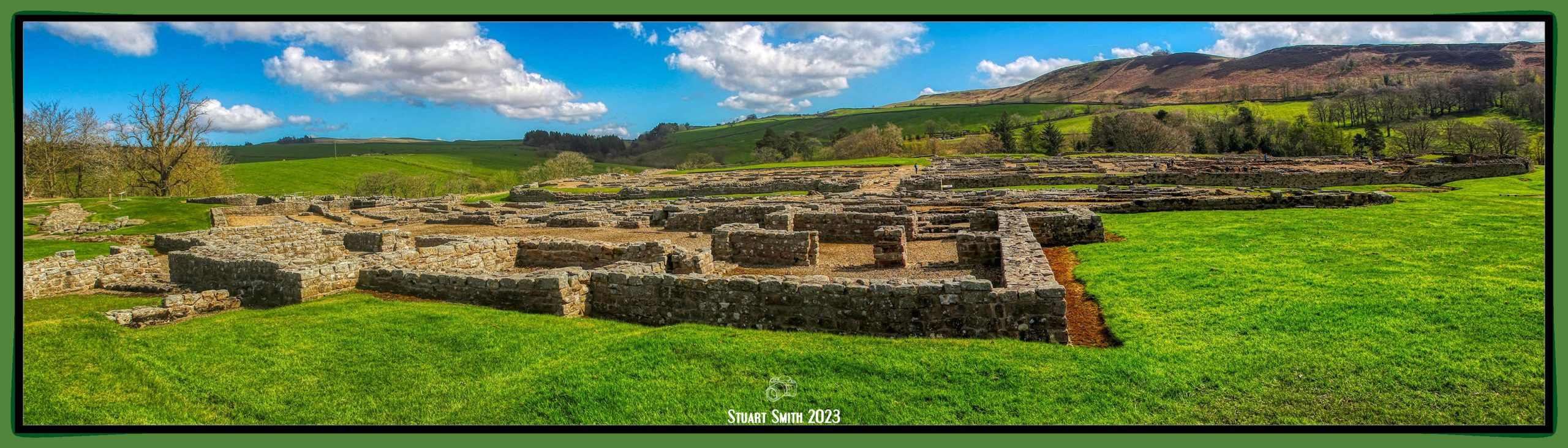
Vindolanda was a Roman auxiliary fort (castrum) just south of Hadrian’s Wall in northern England, which it pre-dated. Archaeological excavations of the site show it was under Roman occupation from roughly 85 AD to 370 AD. Located near the modern village of Bardon Mill in Northumberland, it guarded the Stanegate, the Roman road from the River Tyne to the Solway Firth. It is noted for the Vindolanda tablets, a set of wooden leaf-tablets that were, at the time of their discovery, the oldest surviving handwritten documents in Britain.

Vindolanda Archaeological Site, Bardon Mill, Hexham, Northumberland, England UK

“The Way Home to Rome”, Roman Army Museum, Pennine Way, Greenhead, Brampton, Northumberland, England UK

Exhibits, Roman Army Museum, Pennine Way, Greenhead, Brampton, Northumberland, England UK

Majestic Tree, Roman Army Museum, Pennine Way, Greenhead, Brampton, Northumberland, England UK

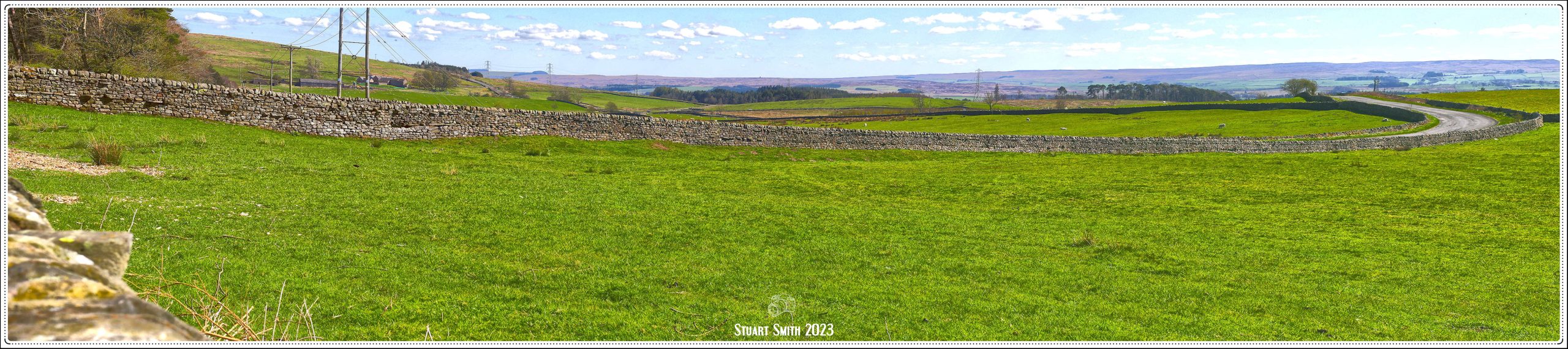
Countryside View, Roman Army Museum, Pennine Way, Greenhead, Brampton, Northumberland, England UK

Crindledykes Lime Kiln, Bardon Mill, Hexham, Northumberland, England UK

“Crindledykes Lime Kiln” stands beside a minor road running from the Military Road, west of Housesteads Roman Fort, to Bardon Mill. It is one of several limekilns built in this area in the C19th to turn locally quarried limestone into quicklime. Coal was brought from the nearby Barcombe Coal Mine via a waggonway. It is the only kiln in Northumberland which had four draw arches supplied from a single upper pot, although two were later blocked up to reduce production in the early 1900s.

SPAIN 2023 – XV

The final images from Tarragona and the last of our stay in Spain. Next stop – UK!


Entrance, Marriott Hotel, Avinguda de Roma, Tarragona, Catalonia, Spain


Street View, Avinguda de Roma, Tarragona, Catalonia, Spain


Torre de les Monges, Rambla Vella, Tarragona, Catalonia, Spain

a.k.a. Tower of The Monks


Steps below Torre de les Monges, Rambla Vella, Tarragona, Catalonia, Spain


Mural, Circ Romà, Rambla Vella, Tarragona, Catalonia, Spain

The Circ Romà  is where horse and chariot races were held. It had capacity for 20,000 people. It was built during the reign of Emperor Domitian (81–96 AD) and remained in operation until the 9th century AD.  Today it is classified as a World Heritge Site.


Ruins, Circ Romà, Rambla Vella, Tarragona, Catalonia, Spain


Sculpture in the Wall, Circ Romà, Rambla Vella, Tarragona, Catalonia, Spain


Tunnels, Circ Romà, Rambla Vella, Tarragona, Catalonia, Spain


Torre del Pretori, Castell del Rei, Tarragona, Catalonia, Spain

a.k.a. – Castle of The King. The Romanesque castle was largely the result of the rehabilitation of a large Roman building that had been part of the provincial forum in the 12th century.


Bricked In, Parròquia de la Santíssima Trinitat, Carrer de Santa Anna, Tarragona, Catalonia, Spain


Doorway, Museu Nacional Arqueològic, Plaza del Rei, Tarragona, Catalonia, Spain


View to Plaza del Rei from Torre del Pretori o Castell del Rei, Tarragona, Catalonia, Spain


Catedral Basílica Metropolitana i Primada de Santa Tecla de Tarragona, Plaza de la Seu, Tarragona, Catalonia, Spain


View to Coast, Torre del Pretori, Passeig Saint Antoni, Tarragona, Catalonia, Spain


Amfiteatre de Tarragona, Carrer de William J Bryan, Tarragona, Catalonia, Spain

The 2nd image was photographed from the top of The King’s Castle, a building traditionally known as the Roman pretories of Augustus or Pilate Tower. The amphitheatre is a World Heritage site constructed in the 2nd century. It could hold up to 15,000 spectators for Roman events.


Plaque, Subdelegación de Defensa en Tarragona, Rambla Vella, Tarragona, Catalonia, Spain

Department of Defense


Monument a Jacint Verdaguer, Plaça de Mossèn Cinto Verdaguer, Tarragona, Catalonia, Spain


Casa de la Punxa, Rambla Nova, Tarragona, Catalonia, Spain   c.1940


Parc de la Ciutat, Avinguda de Roma, Tarragona, Catalonia, Spain


Parking is at a Premium, Carrer d’August, Tarragona, Catalonia, Spain


Greece 2019 Part XIV


All images are geotagged and hyperlinked to open full screen. To view them on a map, save the image to your hard drive and then download this FREE SOFTWARE. Install and click on the image in the left panel to view in a map as to the location where it was taken.  (SAMPLE VIEW)


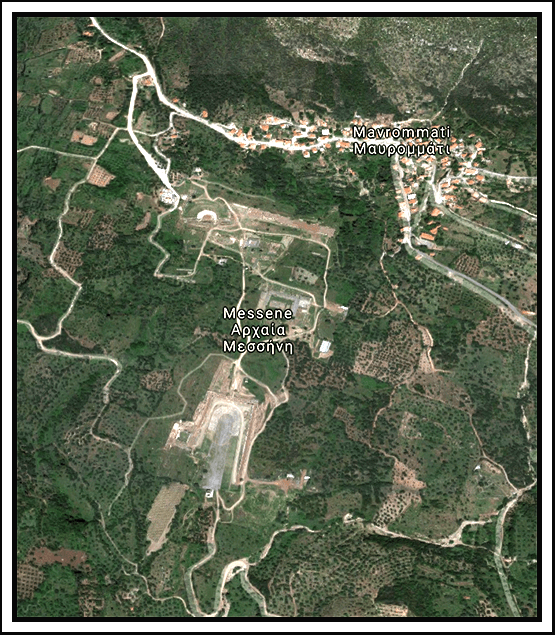
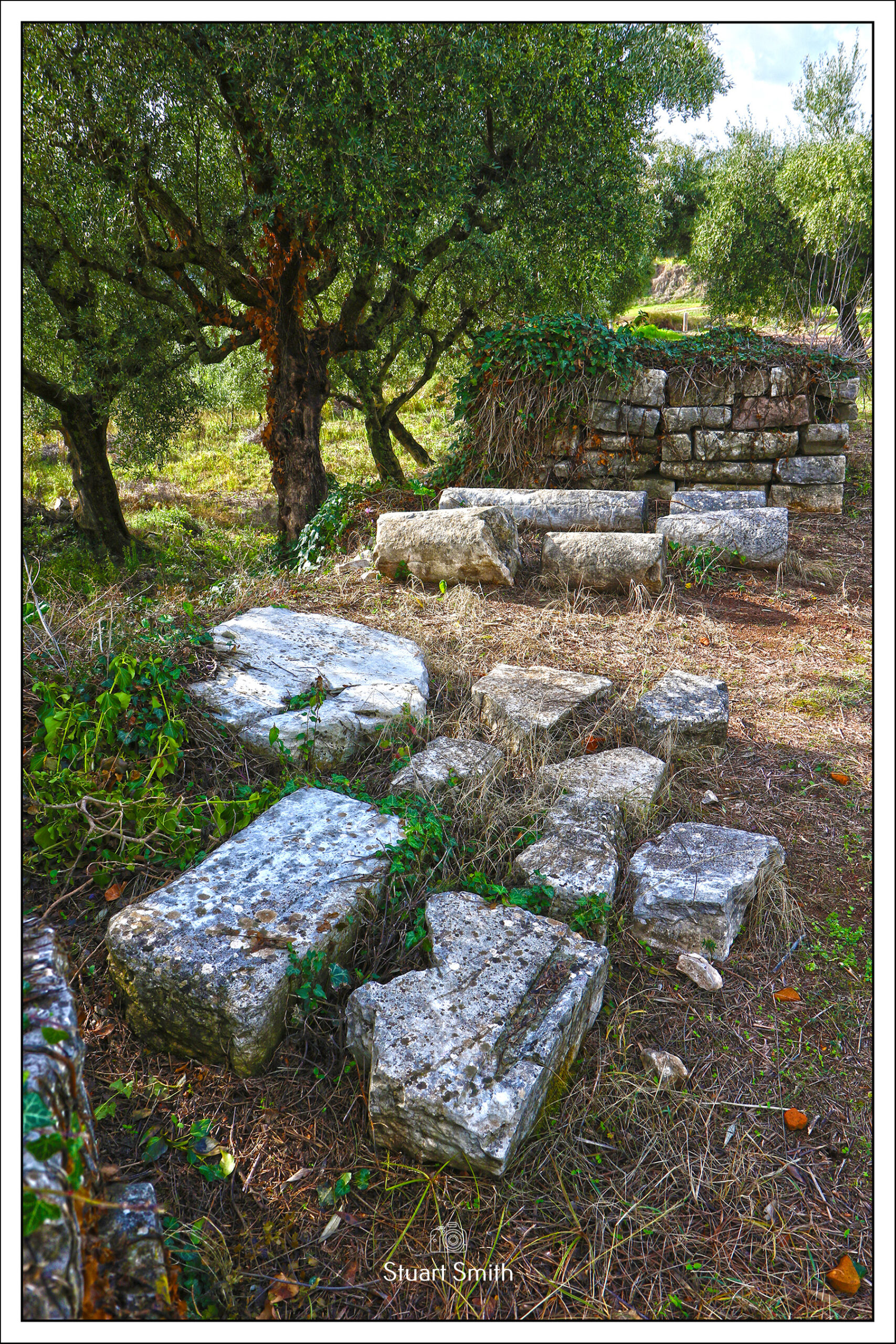
A visit to Ancient Messene, an historic site that dates to the late Neolithic or the Early Bronze Age, while in the 9th-8th c. BC the cult of Zeus Ithomatas was established on the peak of Mt Ithome. Most of the area of Ancient Messene contains the ruins of the large classical city-state of Messene refounded by Epaminondas in 369 BC, after the battle of Leuctra and the first Theban invasion of the Peloponnese. (See these references – UNESCOWikipedia)


Google Maps Location

View to the Ancient Ruins from the Bar where we had lunch lunch prior to the visit.

ANCIENT MESSENE


Greece 2019 Part XII – Methoni Castle


All images are geotagged and hyperlinked to open full screen. To view them on a map, save the image to your hard drive and then download this FREE SOFTWARE. Install and click on the image in the left panel to view in a map as to the location where it was taken.  (SAMPLE VIEW)


Location of Methoni Castle


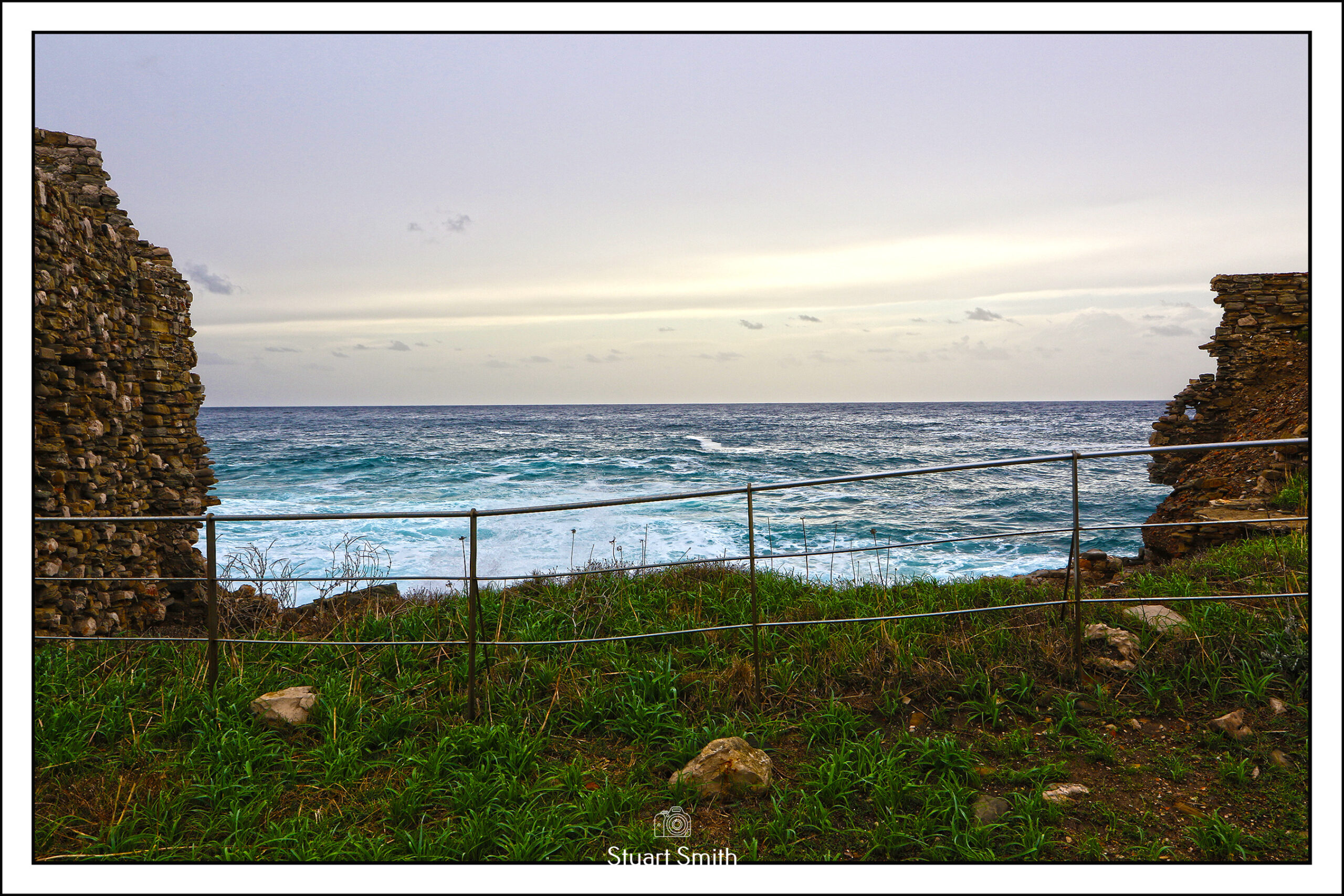
The Castle of Methoni is a medieval fortification in the port town of Methoni, Messenia, in southwestern Greece. The castle of Methoni occupies the whole area of the cape and the southwestern coast to the small islet that has also been fortified with an octagonal tower and is protected by the sea on its three sides. Its north part, the one that looks to land, is covered by a heavily fortified acropolis. A deep moat separates the castle from the land and communication was achieved by a wooden bridge. The Venetians built on the ancient battlements and added on and repaired it during both periods that they occupied the castle. There is visible evidence of the Venetians remaining with carved symbols and emblems on the castle walls.


Greece 2019 Part III

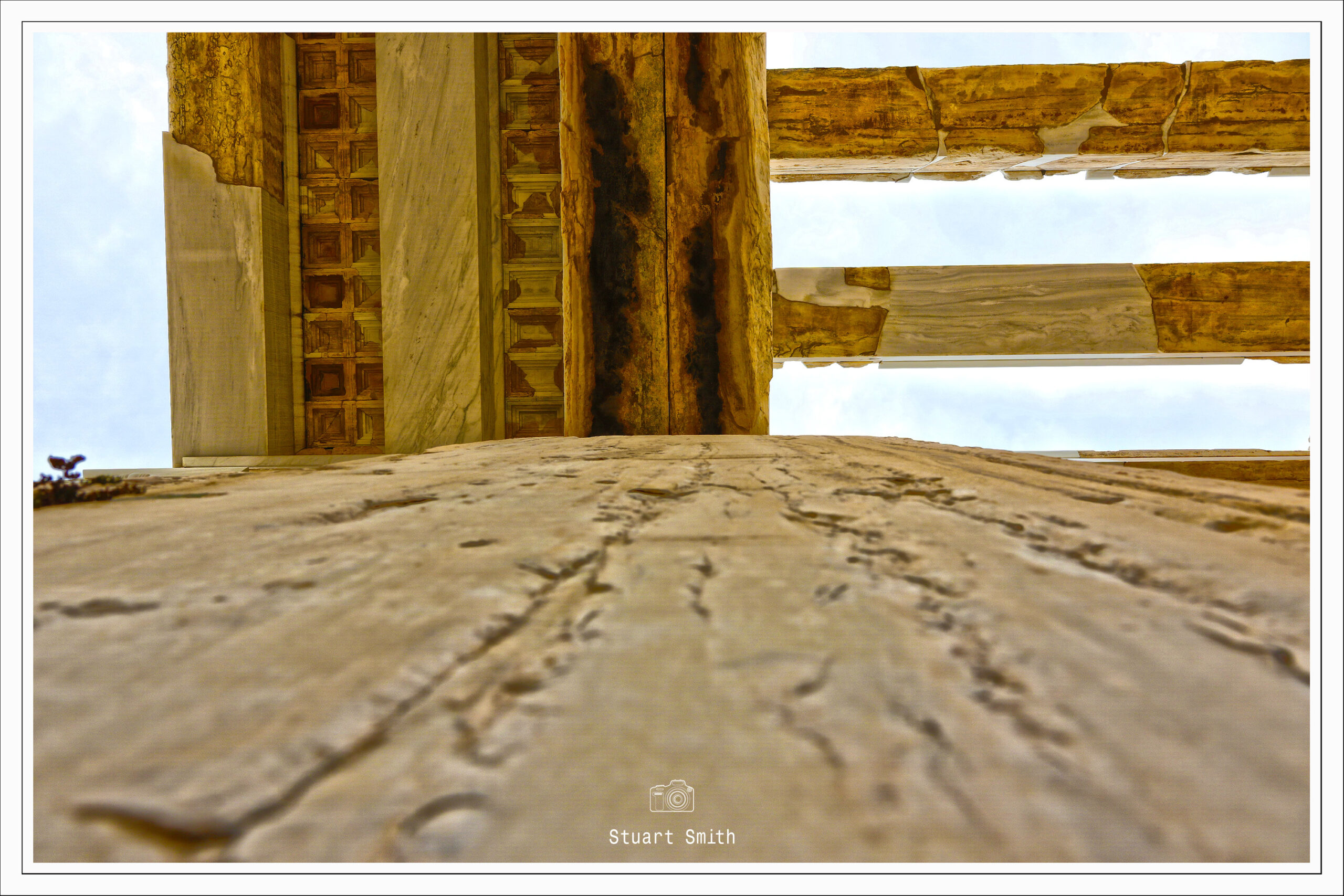
The time in Athens continues with the obligatory visit to Ther Parthenon at The Acropolis of Athens, a World Heritage Site.


All images are geotagged and hyperlinked to open full screen. To view them on a map, save the image to your hard drive and then download this FREE SOFTWARE. Install and click on the image in the left panel to view in a map as to the location where it was taken.  (SAMPLE VIEW)


Greece 2019 Part II


All images are geotagged and hyperlinked to open full screen. To view them on a map, save the image to your hard drive and then download this FREE SOFTWARE. Install and click on the image in the left panel to view in a map as to the location where it was taken.  (SAMPLE VIEW)


Church of the Pantanassa, Monastiraki Square, Athens, Greece

Flea Market, Normanou, Athens, Greece

Normanou, 5, Athens, Greece

Derelict, Ermou, Athens, Greece

Street Lamp, Agiou Filippou , Athens, Greece

Archaeology, Agiou Filippou, Athens, Greece

Church of the Apostle Phillip, Adrianou, Athens, Greece

Archaeology, Adrianou, Athens, Greece

Adrianou Suites, Kinetou, Athens, Greece

Hotel 360 Degrees, Monastirakiou. Athens, Greece
[Where we stayed in Athens]

Orthodox Priest, Monastiraki Square, Athens, Greece

Tzisdarakis Mosque, Monastiraki Square, Athens, Greece.JPG
[Now the Museum of Greek Folk Art]

The Parthenon, Athens, Greece
[Taken from our hotel]

Tour Bus, Ermou, Athens, Greece

Church of Agia Kyriaki, Athinas, Athens, Greece

Fountain, Kotzia Square, Athinas, Athens, Greece

Statue Of Pericles. Athinas, Athens, Greece

Urban Art, Menandrou, Athens, Greece

Sculpture, Panagi Tsaldari , Athens, Greece

Derelict Building, Kallirrois, Athens, Greece

[Buildings like this were not an uncommon sight in Athens]

Sleeping Dogs, Rovertou Galli, Athens, Greece

Wandering Cat, Acropolis, Athens, Greece

[Cats and dogs wander every where in Greece – not domestic in the main but survive due to locals feeding them]

Odeon of Herodes Atticus, Dionysiou Areopagitou, Athens, Greece

[Located on on the slopes of the Acropolis – built by the Romans in 161 AD]

Gathering Clouds, Terminal Car Park, Piraeus, Greece

Our Bus Caught Fire, Vassilisi Amalias Avenue, Athens, Greece


Port Arthur Penal Settlement, Tasmania, Australia September 2004

NOTE: Clicking on any image will now see it open in a new tab and not in the current page.

A break from more recent travels and a jump back to a 2004 trip to Tasmania and visit to the Port Arthur Penal Settlement.

From 1833 until 1853, Port Arthur was the destination for the hardest of convicted British criminals, those who were secondary offenders having reoffended after their arrival in Australia. Rebellious personalities from other convict stations were also sent there. In addition, Port Arthur had some of the strictest security measures of the British penal system.  The World Heritage Committee of UNESCO inscribed the Port Arthur Historic Site onto the World Heritage Register on 31 July 2010, as part of the Australian Convict Sites World Heritage property. Port Arthur is one of Australia’s most visited historical sites, receiving over 250,000 visitors each year.


All images are geotagged and hyperlinked to open full screen. To view them on a map, save the image to your hard drive and then download this FREE SOFTWARE. Install and click on the image in the left panel to view in a map as to the location where it was taken.  (SAMPLE VIEW)


<>Download a Port Arthur Guide Here!<>

The Guard Tower 1835

The Asylum

Junior Medical Officer’s House, Port Arthur Penal Settlement


The Penitentiarty

Lime Kiln & The Master Shipwrights House at the Dockyard

Isle of the Dead, Carnarvon Bay, Port Arthur

Isle of the Dead is a small Island adjacent to Port Arthur, Tasmania, Australia. The isle is historically significant as it retains: an Aboriginal coastal shell midden; one of the first recorded sea level benchmarks and one of the few preserved Australian convict period burial grounds.

Isle of the Dead forms part of the Port Arthur Historic Site. This site is part of Australian Convict Sites and is listed as a World Heritage Property, as it represents convictism in the time of British colonisation.

The Penitentiary

Price’s Kiln, Port Arthur

Built on land purchased in 1886 following the closure of the Port Arthur Penal Settlement by an English potter from Staffordshire, James Price. Following the death of Price, the kiln was used by local fisherman as storage until it in part collapsed. In 1982, it was fully restored but has never been put to use due to the fragility of the historic bricks.