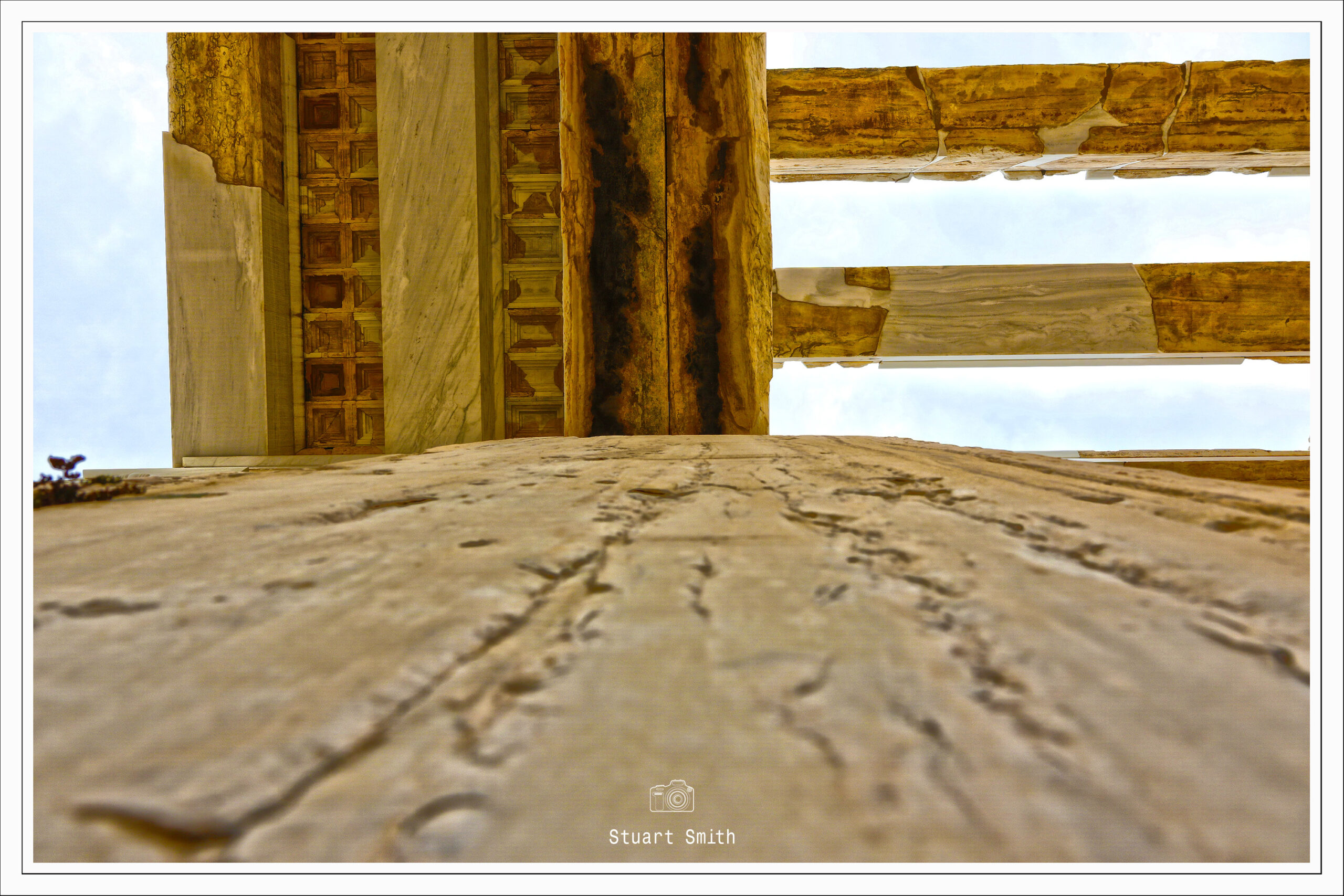
Bologna, Emilia-Romagna, Italy Part VI

Chiesa Parrocchiale di Santa Maria della Carità, Via San Felice, Bologna


Inscription, San Nicolò di San Felice, Via San Felice, Bologna

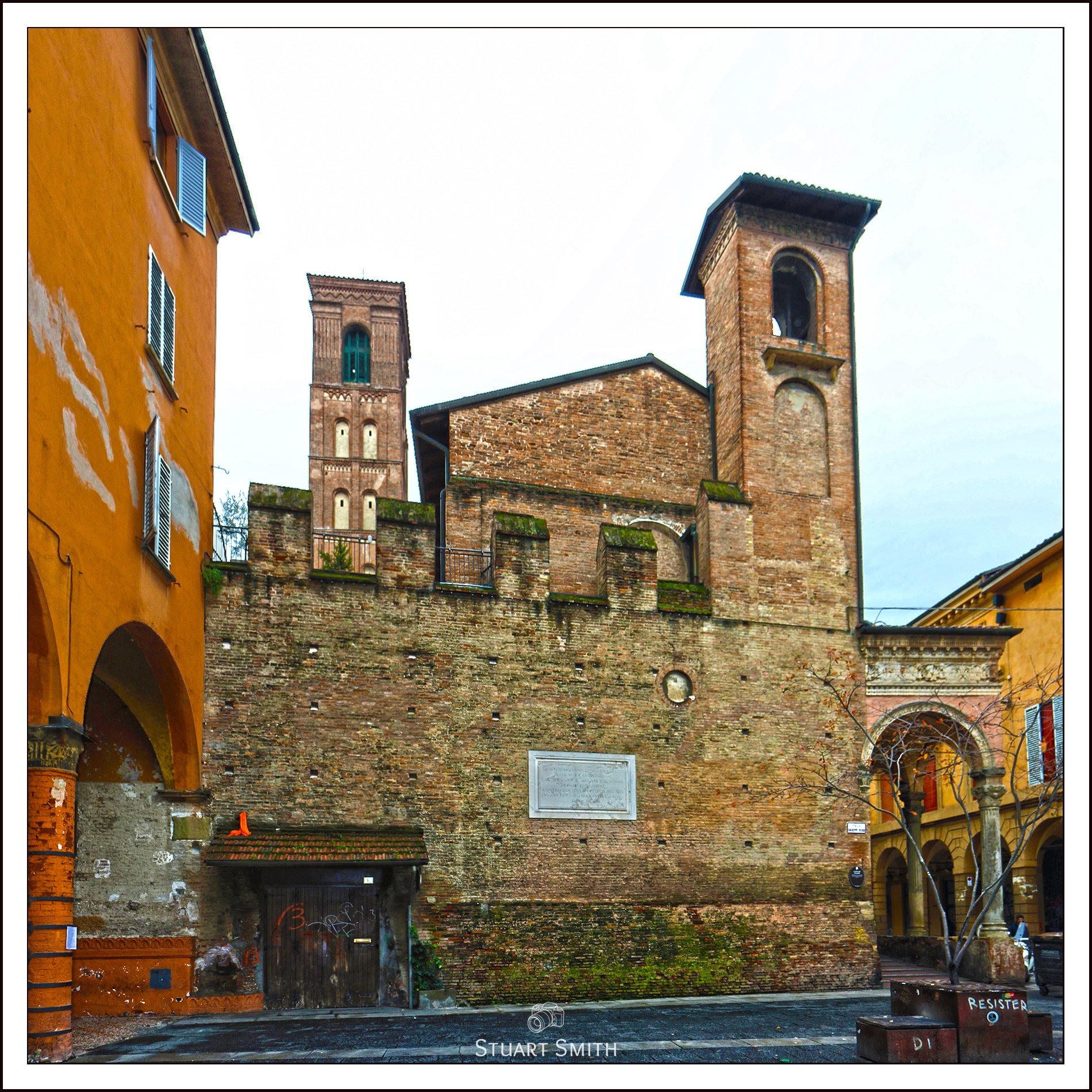
San Nicolò di San Felice is a deconsecrated Roman Catholic church located on via San Felice 41 in Bologna, region of Emilia Romagna, Italy. Bombardment during World War two caused sufficient damage to close the brick walled structure with a front portico.

A church at the site is documented since the 12th-century, when it was located outside the city walls.

CRUCEM HANC
INSIGNE REDEMPTIONIS HUMANAE VEXILLUM
A BONONIENSIBUS CIVIBUS
VIX NASCENTE ECCLESIA
IN SUSCEPTAE FIDEI ARGUMENTUM
ERECTAM
INDE SAEPIUS INIURIA TEMPORUM COLLAPSAM
ITERUMQUE PRISTINO LOCO RESTITUTAM
VESPASIANUS GRIMALDI
ALPHONSO PALEOTTO ARCHIEPI(SCOPO) BONONIEN(SI)
SUB INITIUM SUPERIORIS SECULI (!)
IN VIAE HUIUS MEDIO
SUPER PONTEM QUO FIRMIUS SUBSISTERET
COLLOCAVIT
VERUM PONTE PRO AMPLIANDA VIA DESTRUCTO
EAMDEM CRUCEM
HIERONYMO GRIMALDO S(ANCTAE) R(OMANAE) E(CCLESIAE) CARDINALI
TIT(ULO) SANCTAE BALBINAE
BONONIAE LEGATO

PROSPER LAMBERTINUS S(ANCTAE) R(OMANAE) E(CCLESIAE) CARDINALIS

TIT(ULO) SANCTAE CRUCIS IN IERUSALEM

ARCHIEPISCOPUS BONONIENSIS
SACRI ROMANI IMPERII PRINCEPS
AEMULA MAIORUM SUORUM PIETATE
SUB HAC PORTICU SACRAE HUIUS AEDIS PARIETI
AFFIGI CURAVIT
ATQUE SOLEMNI RITU BENEDIXIT
OMNIBUSQUE CORAM IPSA DEVOTE ORANTIBUS
ET PRO PATRIAE INCOLUMITATE
VOTA SUA OMNIPOTENTI DEO NUNCUPANTIBUS
CENTUM DIERUM INDULGENTIAM BENIGNE CONCESSIT
ANNO MDCCXXXII

Translation
“This cross, an extraordinary sign of human redemption, erected by the citizens of Bologna when the church was just being born in defense of the embraced faith, then very often ruined by the ravages of time and each time restored in its original place, Vespasiano Grimaldi, when it was Archbishop of Bologna Alfonso Paleotti, at the beginning of the last century, placed it in the middle of this street above the bridge, so that it could resist more firmly.
However, this bridge having been destroyed to widen the road, when Girolamo Grimaldi, cardinal of the Holy Roman Church with the title of Santa Balbina, Prospero Lambertini, cardinal of the Holy Roman Church with the title of Santa Croce in Gerusalemme, Bologna, prince of the Holy Roman Empire, took care that the same cross was affixed under this portico on the wall of this sacred building and blessed it with a solemn rite and graciously granted one hundred days of indulgence to all those who prayed devoutly in front of it and who formulated their vows to Almighty God for the salvation of the country.
Year 1732 “.


Entrance, Palazzo Buriani, Via San Felice, Bologna


Basilica di San Francesco, Piazza Malpighi, Bologna

In the foreground is one of the Tombe dei Glossatori – Historical tombs dedicated to the first university teachers.


Coat of Arms, Via Rizzoli, Bologna


Towers of Basilica di San Francesco & Colonna dell’Immacolata, Piazza Malpighi, Bologna


Chiesa del Santissimo Salvatore, Via Cesare Battisti & Via VI Novembre, Bologna


Wrought Iron Guard, Via Porta Nova, Bologna
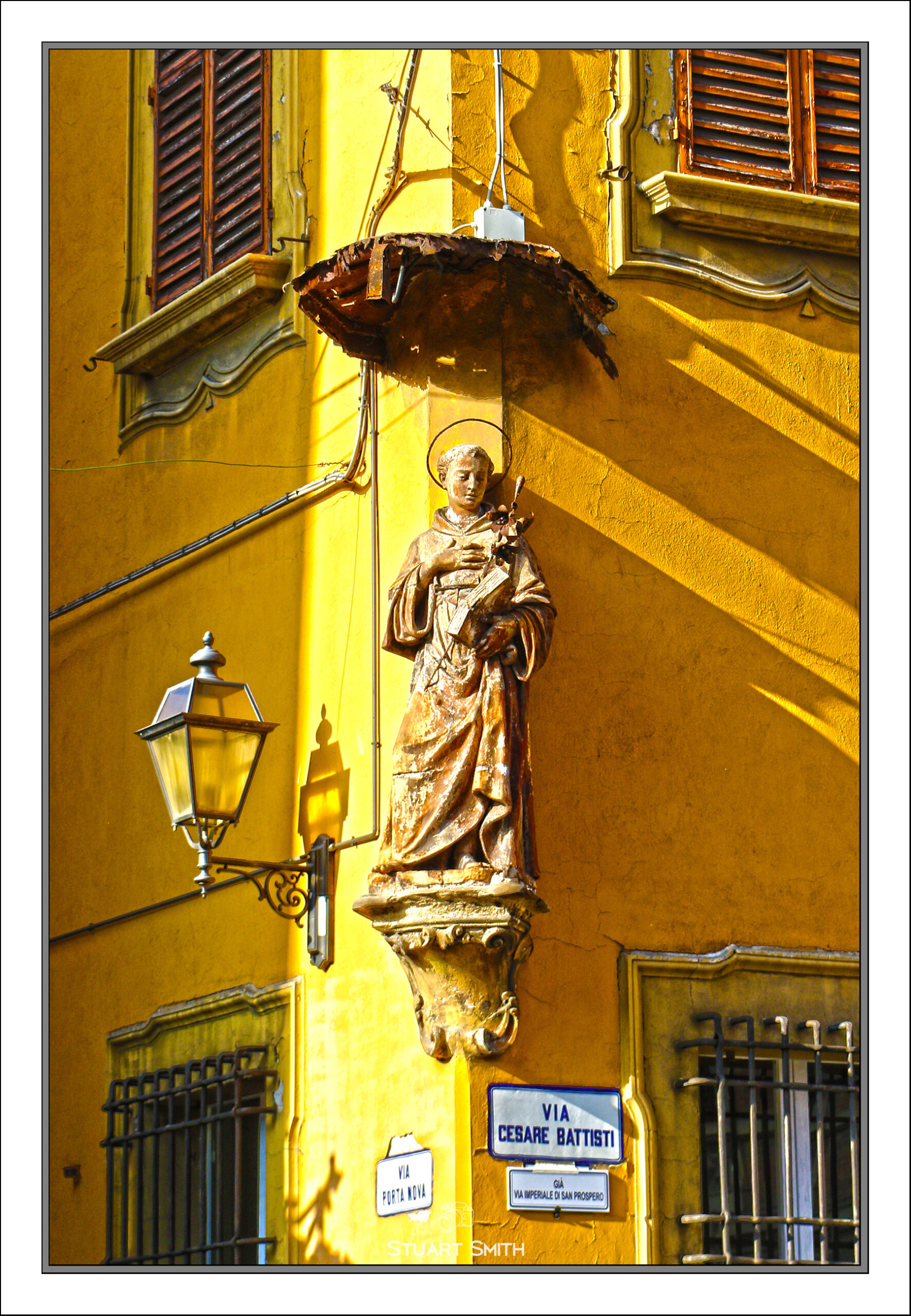

Statue of San Domenico, Cnr Via Porta Nova & Via Cesare Battisti, Bologna

Saint Dominic, also known as Dominic of Osma and Dominic of Caleruega, often called Dominic de Guzmán and Domingo Félix de Guzmán; 8 August 1170 – 6 August 1221), was a Castilian Catholic priest and founder of the Dominican Order. Dominic is the patron saint of astronomers.

The “canopy” above the statue is referred to as a “baldachin” or “baldaquin”.

The church, statues and guard are all visible on this Street View!


Entrance to Residential Block, Via Cesare Battisti, Bologna


Entrance, Palazzo del Governo, Piazza Franklin Delano Roosevelt, Bologna


Colonnade, Palazzo del Governo, Piazza Franklin Delano Roosevelt, Bologna


Colonnade, Prefettura di Bologna, Piazza Galileo Galilei, Bologna


Artwork in the Colonnade, Prefettura di Bologna, Piazza Galileo Galilei, Bologna


Santuario di Santa Maria della Vita, Via Clavature, Bologna


Salumeria Simoni, Via Drapperie, Bologna


Quadrilatero Fiorito, 6 Via Drapperie, Bologna
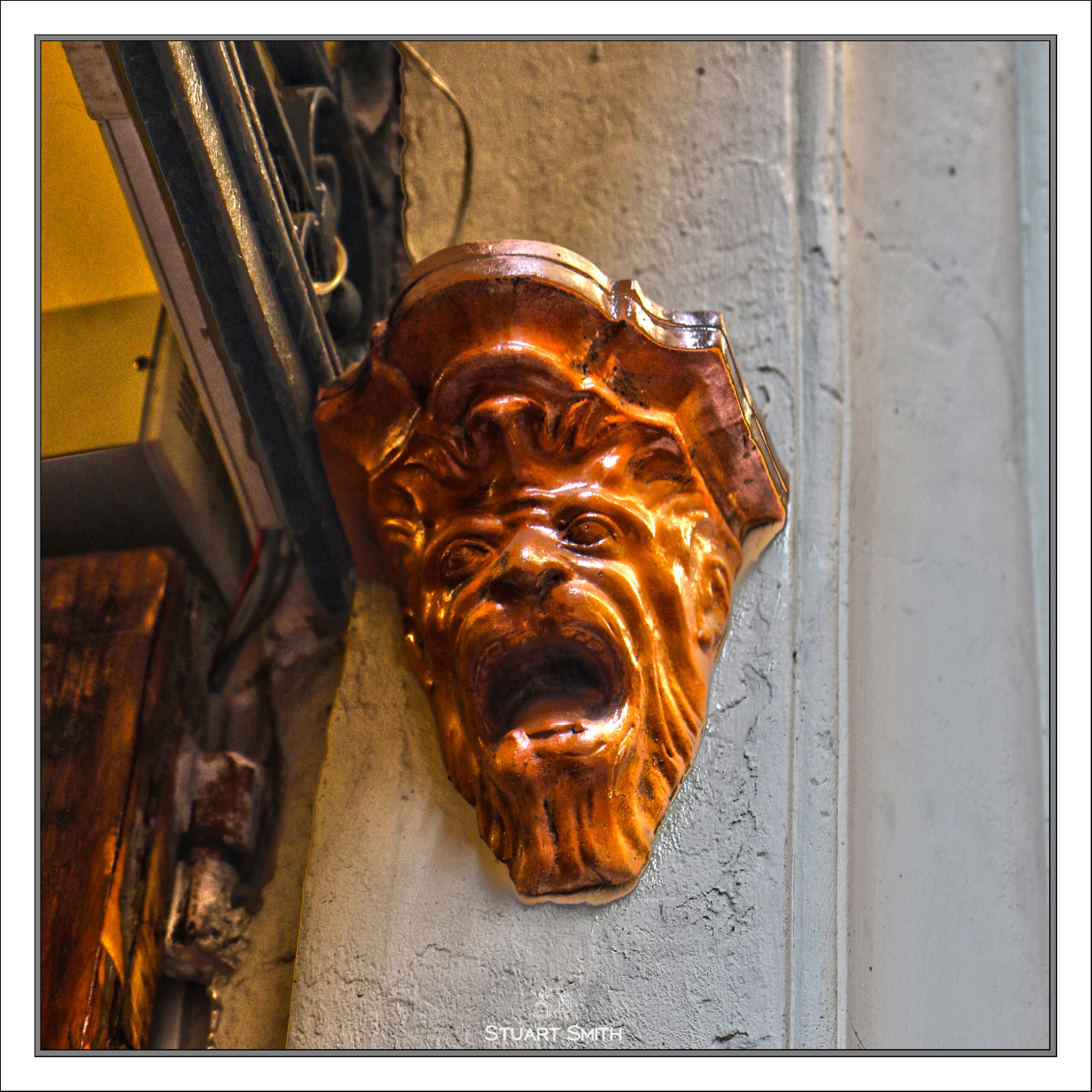

Carving, Doorway, 5 Via Drapperie, Bologna


Flags, Cnr Via Drapperie & Via Pescherie Vecchie, Bologna


Memorial, P Marella Padre dei Poveri, Cnr Via Caprarie & Via Drapperie, Bologna

Fr Marella Father of the Poor

This Street View shows a Monk collecting for the charity sitting in front of that memorial plate.


Stone Carving, Cnr Via Caprarie & Via Drapperie, Bologna

Sits above the Memorial to P Marella Padre dei Poveri


Basilica Santi Bartolomeo e Gaetano, Piazza di Porta Ravegnana, Bologna


Enjoy a Beer, Caffé Maxim, Piazza della Mercanzia, Bologna


Along the Colonnade, Via Rizzoli, Bologna


Along the Colonnade, Piazza della Mercanzia, Bologna, Emilia-Romagna, Italy


Piazza di Porta Ravegnana, Bologna


Strada Maggiore, Bologna

It is the only Bolognese street to have preserved the urban designation of “strada” (from the Latin sternere : “pavement”), dating back to Roman times and confirmed by the Napoleonic reform of 1801


Roadside View, A1-Autostrada del Sole, Roncobilaccio, Baragazza


Bologna, Emilia-Romagna, Italy Part V

From the Breakfast Table, Hotel San Donato, Palazzo Malvasia, Via Zamboni, Bologna


Our Hire Car, Courtyard, Hotel San Donato (Palazzo Malvasia), Bologna


Piazza di Porta Ravegnana, Bologna


Piazza Maggiore, Bologna


Piazza Re Enzo, Bologna


Palazzo del Podestà, Piazza Re Enzo, Bologna


Piazza della Mercanzia, Bologna


View Along Via Rizzoli, Bologna


Via De’ Giudei, Bologna


LaFeltrinelli Librerie, Piazza di Porta Ravegnana, Bologna

(A Bookshop)


Doorway, 1 Piazza di Porta Ravegnana, Bologna


“Spiritus Intus Alit”, Basilica Santi Bartolomeo e Gaetano, Piazza di Porta Ravegnana, Bologna

(Main doorway and bas relief each side)

The Latin Inscription “Spiritus Intus Alit” Translates as- “Spirit within sustains”

Short guide to the Basilica of Saints Bartolomeo and Gaetano


Basilica Santi Bartolomeo e Gaetano, Piazza di Porta Ravegnana, Bologna


Carabinieri Cars, Via San Vitale, Bologna


Statue Of San Petronius, Piazza Di Porta Ravegnana, Bologna

Saint Petronius was bishop of Bologna during the fifth century. He is a patron saint of the city. Born of a noble Roman family, he became a convert to Christianity and subsequently a priest. As bishop of Bologna, he built the Church of Santo Stefano.


Medieval Building, Piazza di Porta Ravegnana, Bologna


Le Due Torri: Garisenda e degli Asinelli, Piazza di Porta Ravegnana, Bologna

See Street View!


Coat of Arms, Via Rizzoli, Bologna


Biblioteca Salaborsa, Piazza del Nettuno, Bologna


Gated Entrance, Palazzo Re Enzo, Piazza del Nettuno, Bologna

Take a Tour Inside


Ornate Street Lamp. Piazza del Nettuno, Bologna


Fontana Vecchia, Via Ugo Bassi, Bologna

By Sicilian Artist Tommaso Laureti 1565


Entrance, Cattedrale Metropolitana di San Pietro, Via dell’Indipendenza, Bologna


Staircase, Via dell’Indipendenza, Bologna


“Libertas”, Cnr Via Ghirlanda & Via Ugo Bassi, Bologna

(This sits above what is now a menswear shop)


Banco di Roma Clock, Via Ugo Bassi, Bologna


Hotel Carosello (B&B), 26 Via San Felice, Bologna


Arcade, 48 Via San Felice, Bologna


Doorway, Chiesa Parrocchiale di Santa Maria della Carità, Via San Felice, Bologna


Porta San Felice, Piazza di Porta San Felice, Bologna

Porta San Felice was the westernmost gate or portal of the former outer medieval walls of the city of Bologna, Italy. The gate was erected in the 13th century, and rebuilt in 1334 with a machiocolated tower and drawbridge. It was restored in 1508, and again in 1805 when Napoleon visited the city. In 1840, the flanking walls were torn down. A barracks and tax house for collecting duties was in the past found astride the entrance.


Doorway, 137 Via San Felice, Bologna


Door Furniture, 121 Via San Felice, Bologna


Bologna, Emilia-Romagna, Italy Part IV

It’s been a while since the last post so here’s the continuation of Bologna.


Rooftop View from the Dining Room of Hotel San Donato, Via Zamboni, Bologna


Basilica di San Petronio, Piazza Maggiore, Bologna

Construction began in 1390 and its main facade has remained unfinished since. The building was transferred from the city to the diocese in 1929; the basilica was finally consecrated in 1954.


Alfresco Area, L’Asporto, Via Guglielmo Oberdan, Bologna


Doorway, 2 Via San Nicolò, Bologna


Doorway, 15 Via Altabella, Bologna


Fontana del Nettuno (Fountain of Neptune), Piazza Pettuno, Bologna

The construction of the fountain was commissioned by the Cardinal Legate Charles Borromeo, to symbolize the fortunate recent election of Borromeo’s uncle as Pope Pius IV. To clear space for the fountain, an entire edifice had to be demolished.

The design and assembly of the fountain was completed by the Palermitan architect Tommaso Laureti in 1563. The fountain was completed in 1565. The over-life-size bronze figure of the god Neptune was completed and fixed in place around 1566.


Palazzo del Podestà, Piazza Maggiore, Bologna


Portico, Via Zamboni, Bologna


Reminders of the Past, Arcidiocese di Bologna, Via Altabella, Bologna

See this on Street View


Torre Prendiparte (also called Torre Coronata), Piazzetta Prendiparte, Via Sant’Alò, Bologna

This tower built in the 12th century and standing 61 metres tall, today has a slight incline to the north. The tower was part of the so-called triad of medieval skyscrapers together with those of the Galluzzi and the Azzoguidi . It was sold for the first time in 1293 for 500 lire.


Stone Carving, Via Rizzolo, Bologna


Pope Gregory XIII, Palazzo d’Accursio, Piazza Maggiore, Bologna

The current building is the result of the fusion of three palaces, with the oldest dating to the 12th century: the casa-torre (house-tower), well visible as it is the part of the building with the clock tower. Originally, this was the house of the jurist Accursio (hence the name given to the building, which is also known as Palazzo Comunale), an eminent professor of law at the Studium, the University of Bologna.

Accursio sold the palace to the city in 1287, and, in the 13th century, the building became known as Palazzo delle Biade because it was used as the municipal storage of grains.

In 1336, it became the seat of the Anziani (“Elders”), the highest magistrates of the city (Comune). Thirty years later, the papal legate – the representative of the pope in town – gave the building its fortified look, with walls, merlons and towers (perhaps because papal power had always been seen with suspicion by the Bolognesi).

In 1425, the building was further expanded to house the apartments of the Papal Legate.


L’Amor Patrio e il Valore Militare, Palazzo d’Accursio, Piazza Maggiore, Bologna

These bronze statues by Giuseppe Romagnoli “L’Amor Patrio e il Valore Militare” were returned to the facade of Palazzo d’Accursio after 75 years together with the plaque dedicated to King Umberto I. Originally placed in 1909 at the main entrance of the Palazzo d’Accursio, was removed and partially destroyed in 1943 by order of the Italian Social Republic, with the intention of erasing any memory of the ruling house.


Le due Torri: Garisenda e degli Asinelli, Bologna

TORRE DEGLI ASINELLI

The Tower was built between 1109 and 1119 by the family bearing the same name and was handed over to the Municipality as early as the following century. 498 internal steps lead to the top at a height of 97.02 metres.

TORRE GARISENDA

Torre Garisenda, built at the same time, is different due to its shorter height of 47 metres. It is known for its steep overhang due to a subsidence of the land and the foundations, so much so that Dante featured it in Canto XXXI of the Inferno. It was lowered for fear of it collapsing during the 14th century.


Via Zamboni, Bologna, Emilia-Romagna, Italy


Torre degli Azzoguidi (also called Torre Altabella) , Via Altabella, Bologna

Built in the 12th century the tower is one of twenty “noble towers” that still exist in Bologna. It stands at 61 metres tall and is the second tallest in Bologna.


Vicolo Tubertini (Alley), Via Guglielmo Oberdan, Bologna


Gateway, L’Antico Ghetto Ebraico (Old Jewish Ghetto), Via Guglielmo Oberdan, Bologna


Gateway, Piazzetta Prendiparte, Bologna


Galleria Giovanni Acquademi, Via Rizzoli, Bologna


Doorway, Studio Notarile Demaio, Via Albiroli, 1, Bologna


Entrance, Torre degli Azzoguidi (also called Torre Altabella) , Via Altabella, Bologna


Entrance, Torre Guidozagni, Via Albiroli, Bologna


The Towers of Bologna – the story


Bologna, Emilia-Romagna, Italy Part II

Archway, Via Zamboni, Bologna, Emilia-Romagna, Italy


Via Zamboni, Bologna, Emilia-Romagna, Italy


Doorway, Città Metropolitana di Bologna, Palazzo Malvezzi, Via Zamboni, 13, Bologna, Emilia-Romagna, Italy

See a “Virtual Tour” of the inside of this old palace.


Basilica di San Giacomo Maggiore, Piazza Gioacchino Rossini, Bologna, Emilia-Romagna. Italy

Construction of this historic church began in 1267 and was completed in 1315. It was consecrated in 1344.


Piazza Giuseppe Verdi, Bologna, Emilia-Romagna, Italy


Oratorio di Santa Cecilia, Piazza Giuseppe Verdi, Bologna, Emilia-Romagna, Italy


Doorway, Palazzo Gotti, Via Zamboni, 34, Bologna, Emilia-Romagna, Italy


Doorway, Palazzo Riario, Via Zamboni, 38, Bologna, Emilia-Romagna, Italy


Porta San Donato, Piazza Di Porta San Donato, Bologna, Emilia-Romagna, Italy

Porta San Donato, also known as Porta Zamboni, was a gate or portal of the former outer medieval walls of the city of Bologna, Italy. It was a gate into the University area of the City.

The gate was built in the 13th-century, and by 1354 was equipped with a drawbridge. It was sealed in 1428, but reopened in the following decades.


Bollard, Via Castiglione, Bologna, Emilia-Romagna. Italy


Old Stone Steps, Via de’ Musei, Bologna, Emilia-Romagna, Italy


Wall Shrine, Back Streets, Bologna, Emilia-Romagna, Italy


Italy 2019 Florence Part II

Water Fountain, Via del Canto dei Nelli, Florence, Tuscany, Italy


Polizia, Via de’ Vecchietti, Florence, Tuscany, Italy


Scooters, Via de’ Cerretani, Florence, Tuscany, Italy


View to Cathedral of Santa Maria del Fiore, Via dei Pecori, Florence, Tuscany, Italy


Bin with City Emblem, Via de’ Vecchietti, Florence, Tuscany, Italy


Via degli Strozzi through to Piazza della Repubblica, Florence, Tuscany, Italy


Palazzo Vecchio, Piazza della Signoria, Florence, Tuscany, Italy


City Policeman, Piazza della Signoria, Florence, Tuscany, Italy


Piazza della Signoria, Florence, Tuscany, Italy


Sculpture, Piazza della Signoria, Florence, Tuscany, Italy


“Generali”, Piazza della Signoria, Florence, Tuscany, Italy


“Carabinieri” Car, Piazza della Signoria, Florence, Tuscany, Italy


City Policewoman, Palazzo Vecchio, Piazza della Signoria, Florence, Tuscany, Italy


City Emblem, Palazzo Vecchio, Piazza della Signoria, Florence, Tuscany, Italy


Fountain, Cnr Via Dei Leoni, Via dei Neri, Florence, Tuscany, Italy


Piazzale degli Uffizi, Florence, Tuscany, Italy


On Ponte Vecchio, Florence, Tuscany, Italy


Across River Arno, Florence, Tuscany, Italy


Ponte Santa Trinita, River Arno, Florence, Tuscany, Italy


Closed Shopping Stalls, Ponte Vecchio, Florence, Tuscany, Italy


Old Stone Carving, Ponte Vecchio, Florence, Tuscany, Italy


Religious Icon, Via de’ Guicciardini, Florence, Tuscany, Italy


Shop Arcade, Via de’ Guicciardini, Florence, Tuscany, Italy


Old Stone Wall, Piazza de’ Pitti, Florence, Tuscany, Italy


Street Lamp, Piazza de’ Pitti, Florence, Tuscany, Italy


Colonna di San Felice, Battle of Marciano 1551, Piazza San Felice, Florence, Tuscany, Italy


War Memorial 1915-1918, Piazza San Felice, Florence, Tuscany, Italy


Old Stone Benches, Piazza Santo Spirito, Florence, Tuscany, Italy


Via Maffia, Florence, Tuscany, Italy


Scuola dell’Infanzia Fioretta Mazzei (Nursery School), Piazza del Carmine, Florence, Tuscany, Italy


Chiesa di Santa Maria del Carmine (Church), Piazza del Carmine, Florence, Tuscany, Italy


Steps of Chiesa di Santa Maria del Carmine (Church), Piazza del Carmine, Florence, Tuscany, Italy


Piazza del Carmine, Florence, Tuscany, Italy


Ponte alla Carraia, River Arno, Florence, Tuscany, Italy


View from Ponte alla Carraia to Ponto Santa Trinata & Ponte Vecchio, River Arno, Florence, Tuscany, Italy


Abandoned Bicycle, Via del Moro, Florence, Tuscany, Italy


Basilica di Santa Maria Novella, Piazza di Santa Maria Novella, Florence, Tuscany, Italy


Street Sign, Via Chiasso degli Armati, Florence, Tuscany, Italy


Restaurant, Via del Giglio, Florence, Tuscany, Italy


Ristorante Lorenzo De’ Medici, Via del Giglio, Florence, Tuscany, Italy


Greece 2019 Part XIV


All images are geotagged and hyperlinked to open full screen. To view them on a map, save the image to your hard drive and then download this FREE SOFTWARE. Install and click on the image in the left panel to view in a map as to the location where it was taken.  (SAMPLE VIEW)


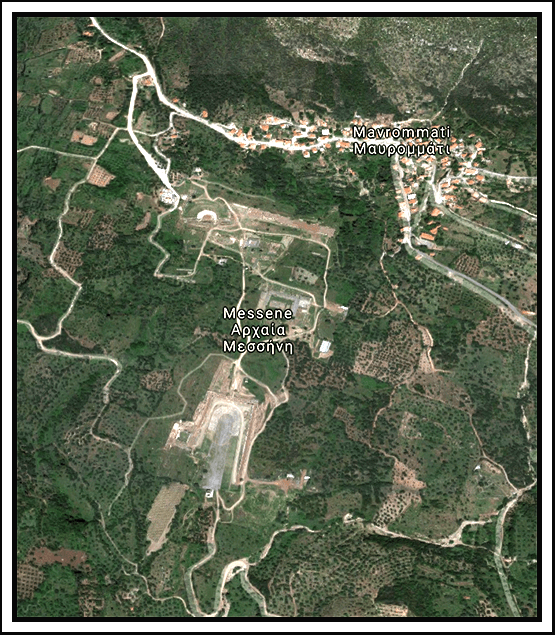
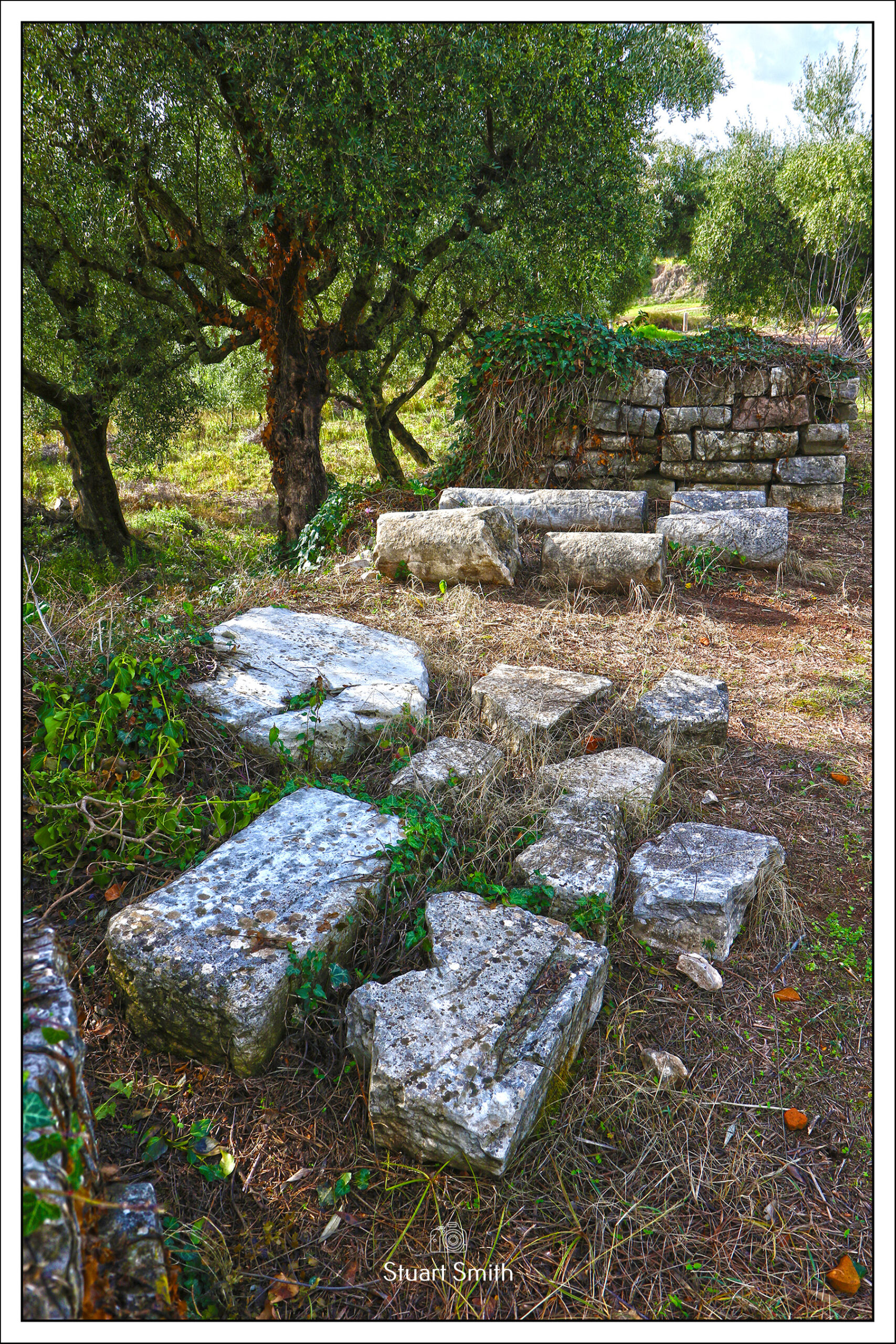
A visit to Ancient Messene, an historic site that dates to the late Neolithic or the Early Bronze Age, while in the 9th-8th c. BC the cult of Zeus Ithomatas was established on the peak of Mt Ithome. Most of the area of Ancient Messene contains the ruins of the large classical city-state of Messene refounded by Epaminondas in 369 BC, after the battle of Leuctra and the first Theban invasion of the Peloponnese. (See these references – UNESCOWikipedia)


Google Maps Location

View to the Ancient Ruins from the Bar where we had lunch lunch prior to the visit.

ANCIENT MESSENE


Dowerin & Goomalling, July 2020

Another drive into the country for lunch in the wheatbelt town of Dowerin and a stop at Goomalling on the return to Perth.


All images are geotagged and hyperlinked to open full screen. To view them on a map, save the image to your hard drive and then download this FREE SOFTWARE. Install and click on the image in the left panel to view in a map as to the location where it was taken.  (SAMPLE VIEW)


(view from the pub balcony)


Commercial Hotel, Stewart Street, Dowerin, Western Australia

“Benbullen”, 18 Stewart Street, Dowerin

Post Office, Stewart Street, Dowerin c.1913

National Australia Bank, Stewart Street, Dowerin

Views of Stewart Street, Dowerin

Brush Screen, Stewart Street, Dowerin


Freemasons Hall, Goldfields Road, Dowerin

Sculpture, Stewart Street, Dowerin

I believe it is supposed to represent a stalk of wheat?

Railway Derrick, Stewart Street, Dowerin

Picnic Seating, Railway Reserve, Stewart Street, Dowerin

War Memorial, RSL Centenary Park, Goldfields Road, Dowerin

Road Board Office, Stewart Street, Dowerin, c.1924

The Dowerin Road Board came into existence following the split from nearby Goomalling in about 1912. The land was purchased in 1923 for £500 and the building opened the following year.

These offices were used by the Dowerin Road Board and, later, the Dowerin Shire Council for a period of 44 years. By 1966 the increase in staff necessitated by population growth and additional administrative responsibilities, meant that the old building no longer had adequate space. Plans were ordered for a new administrative building which was opened in April 1968.

Original Commercial Bank of Australia Premises, Stewart Street, Dowerin c.1911

The block of land was purchased by Commercial Bank of Australia Ltd. on 24 June 1909 and a branch opened the same year. The Dowerin branch of the Commercial Bank first occupied a three roomed weatherboard building. During the latter half of 1910, N. Peterson of Subiaco won the contract to erect new brick offices for the bank and commenced work in October of that year. Bank officers moved into their new premises at the end of February 1911.

On October 1, 1982, The Bank of New South Wales and CBA became Westpac Banking Corporation.

Old Buildings, Stewart Street, Dowerin

Grey Nomads, Dowerin

Vintage Advertising, Railway Terrace, Goomalling

Road Board Building, Railway Terrace, Goomalling

The building housed the local Road Board from 1907 – 1967.

War Memorial Hall, Cnr Quinland and Hoddy Streets, Goomalling

A Mechanics Institute was erected at this site min 1911 but was demolished and this Memorial Hall was erected in 1922.

Main Street – Railway Terrace, Goomalling

Goomalling Tavern, Railway Terrace, Goomalling

Goomalling Farmers Club, Cnr Quinlan and Forrests Streets, Goomalling c.1912

Socially significant. The club was constructed to fulfil the need for socialisation and interaction of farmers in the area to help exchange ideas and solutions to problems. Structurally & architecturally significant of the era.

Former Union Bank of Australia and Quarters, Railway Terrace, Goomalling, c.1925

Quite a history behind the Union Bank. Formed in 1837 and operated until 1951 when it merged Zealand Bank Limited- Now the Australia and New Zealand Banking Group, commonly known as the ANZ.

Alley, Railway Terrace, Goomalling

Agricultural Relic, Millsteed Memorial Garden, Cnr Quinlan and Hoddy Streets, Goomalling

The Memorial garden commemorates Terence Millsteed who was a member of the Goomalling Roads Board, a councillor on the Goomalling Shire Council and Shire President from 1940 to 1975.

Possum Sculpture, Railway Terrace, Goomalling

Post Office, Railway Terrace, Goomalling, Western Australia

Abandoned Farm House, Goomalling-Toodyay Road, Jennacubbine


Woodbridge/Guildford, Perth, Western Australia July 2020

Afternoon coffee at the “Riverside at Woodbridge” and then to Barkers Bridge over the Swan River at Guildford.


All images are geotagged and hyperlinked to open full screen. To view them on a map, save the image to your hard drive and then download this FREE SOFTWARE. Install and click on the image in the left panel to view in a map as to the location where it was taken.  (SAMPLE VIEW)


“Woodbridge”, Ford Street, Woodbridge, Western Australia c.1885

Captain James Stirling took up land here in 1829, the same year the Swan River Colony was settled. He named his property ‘Woodbridge’ as it reminded him of the area around the home of his wife’s family in Surrey, England. Stirling had a small cottage built but spent little time there. At the end of his term as Governor in 1839, Stirling left the colony and leased the property to various tenants.

Charles Harper married Fanny de Burgh in 1879 and the following year took up a lease at Woodbridge. In 1883 land was purchased and the Harpers began the construction of a large family home. Two years later, Charles, Fanny, their three sons and one daughter moved into the completed house.

Jetty on the Swan River below “Woodbridge”

Fields around “Woodbridge”

Barkers Bridge, Swan River, Guildford, Perth, Western Australia

Riverside, Barkers Bridge, Swan River, Guildford, Perth, Western Australia


Greece 2019 Part III

The time in Athens continues with the obligatory visit to Ther Parthenon at The Acropolis of Athens, a World Heritage Site.


All images are geotagged and hyperlinked to open full screen. To view them on a map, save the image to your hard drive and then download this FREE SOFTWARE. Install and click on the image in the left panel to view in a map as to the location where it was taken.  (SAMPLE VIEW)


Port Arthur Penal Settlement, Tasmania, Australia September 2004

NOTE: Clicking on any image will now see it open in a new tab and not in the current page.

A break from more recent travels and a jump back to a 2004 trip to Tasmania and visit to the Port Arthur Penal Settlement.

From 1833 until 1853, Port Arthur was the destination for the hardest of convicted British criminals, those who were secondary offenders having reoffended after their arrival in Australia. Rebellious personalities from other convict stations were also sent there. In addition, Port Arthur had some of the strictest security measures of the British penal system.  The World Heritage Committee of UNESCO inscribed the Port Arthur Historic Site onto the World Heritage Register on 31 July 2010, as part of the Australian Convict Sites World Heritage property. Port Arthur is one of Australia’s most visited historical sites, receiving over 250,000 visitors each year.


All images are geotagged and hyperlinked to open full screen. To view them on a map, save the image to your hard drive and then download this FREE SOFTWARE. Install and click on the image in the left panel to view in a map as to the location where it was taken.  (SAMPLE VIEW)


<>Download a Port Arthur Guide Here!<>

The Guard Tower 1835

The Asylum

Junior Medical Officer’s House, Port Arthur Penal Settlement


The Penitentiarty

Lime Kiln & The Master Shipwrights House at the Dockyard

Isle of the Dead, Carnarvon Bay, Port Arthur

Isle of the Dead is a small Island adjacent to Port Arthur, Tasmania, Australia. The isle is historically significant as it retains: an Aboriginal coastal shell midden; one of the first recorded sea level benchmarks and one of the few preserved Australian convict period burial grounds.

Isle of the Dead forms part of the Port Arthur Historic Site. This site is part of Australian Convict Sites and is listed as a World Heritage Property, as it represents convictism in the time of British colonisation.

The Penitentiary

Price’s Kiln, Port Arthur

Built on land purchased in 1886 following the closure of the Port Arthur Penal Settlement by an English potter from Staffordshire, James Price. Following the death of Price, the kiln was used by local fisherman as storage until it in part collapsed. In 1982, it was fully restored but has never been put to use due to the fragility of the historic bricks.